Best Magnesium for Sleep in 2026: Forms, Doses, and What Actually Works
Why Everyone Is Talking About Magnesium for Sleep
Magnesium supplements are having a moment. Google searches for "magnesium for sleep" have tripled since 2023, and #magnesium has over 4 billion views on TikTok. But here's what the wellness influencers don't tell you: there are 7+ forms of supplemental magnesium, and most of them don't help with sleep at all.
The form you choose matters more than the dose. Here's what the research actually says.
The Sleep-Magnesium Connection
Magnesium plays a role in over 300 enzymatic reactions in your body, including several that directly affect sleep:
- GABA activation — Magnesium binds to GABA-A receptors, the same receptors targeted by sleep drugs like Ambien. This is the primary mechanism for its calming effect (Nutrients, 2018)
- Melatonin regulation — Magnesium is required for the conversion of tryptophan → serotonin → melatonin, your body's sleep hormone
- Cortisol reduction — A 2020 study in Nutrients found that magnesium supplementation reduced cortisol levels, particularly in people under stress
- Muscle relaxation — Magnesium regulates calcium channels in muscle cells, promoting relaxation and reducing restless legs
The problem: 56% of Americans don't meet the RDA for magnesium. Modern agriculture has reduced soil magnesium content by 20-30% over the past century. Stress, alcohol, and caffeine all increase magnesium excretion.
The 7 Forms of Magnesium, Ranked for Sleep
Tier 1: Best for Sleep
Magnesium Glycinate (Magnesium + Glycine)
- Absorption: ~80% (highest of all forms)
- Sleep evidence: Strong. Both magnesium and glycine independently support sleep. A 2015 study in Neuropsychopharmacology found that glycine (3g before bed) improved subjective sleep quality and reduced daytime sleepiness. Combined with magnesium's GABA activity, this is the gold standard for sleep support.
- Side effects: Minimal GI distress — glycine is gentle on the stomach
- Our pick: Best all-around sleep magnesium. We recommend our Magnesium Glycinate 200mg for its superior bioavailability and gentle formula.
Magnesium L-Threonate
- Absorption: Moderate, but uniquely crosses the blood-brain barrier
- Sleep evidence: Moderate-strong. Neuron, 2010 showed threonate increased brain magnesium levels by 15% (other forms didn't). A 2022 clinical trial found it improved sleep quality in older adults.
- Best for: People who also want cognitive support (memory, focus). More expensive than glycinate.
Tier 2: May Help Indirectly
Magnesium Citrate
- Absorption: ~70%
- Sleep evidence: Limited direct evidence, but good bioavailability means it can raise blood magnesium levels effectively. Known laxative effect at higher doses, which may disrupt sleep.
- Best for: General magnesium repletion + digestive regularity
Magnesium Taurate (Magnesium + Taurine)
- Absorption: Good
- Sleep evidence: Taurine activates GABA-A receptors similarly to magnesium. A 2018 study in the Journal of Biomedical Science found taurine has calming properties, but head-to-head studies against glycinate for sleep don't exist yet.
- Best for: People who also want heart health support
Tier 3: Not Great for Sleep
Magnesium Oxide
- Absorption: ~4% (European Journal of Clinical Nutrition, 2003)
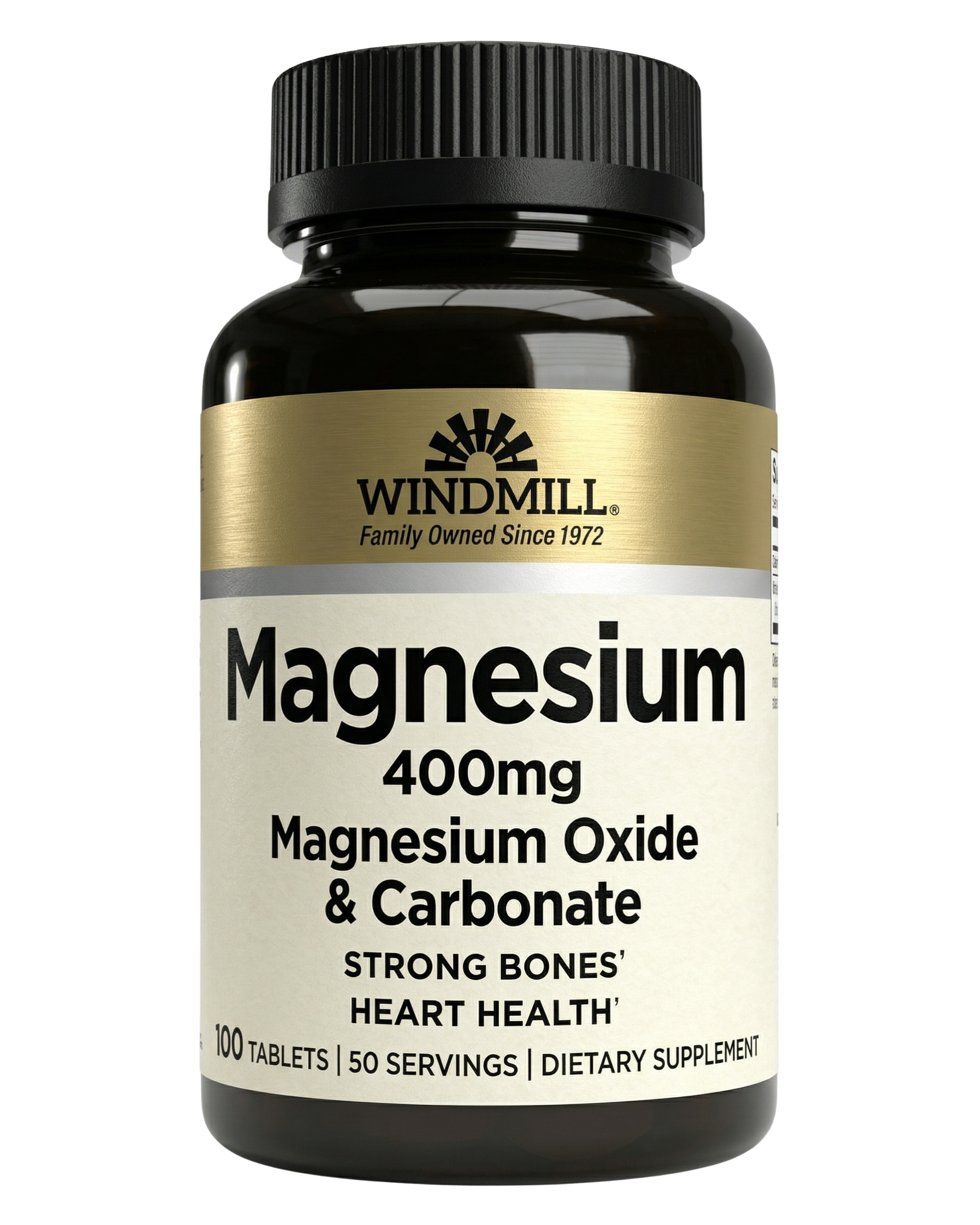
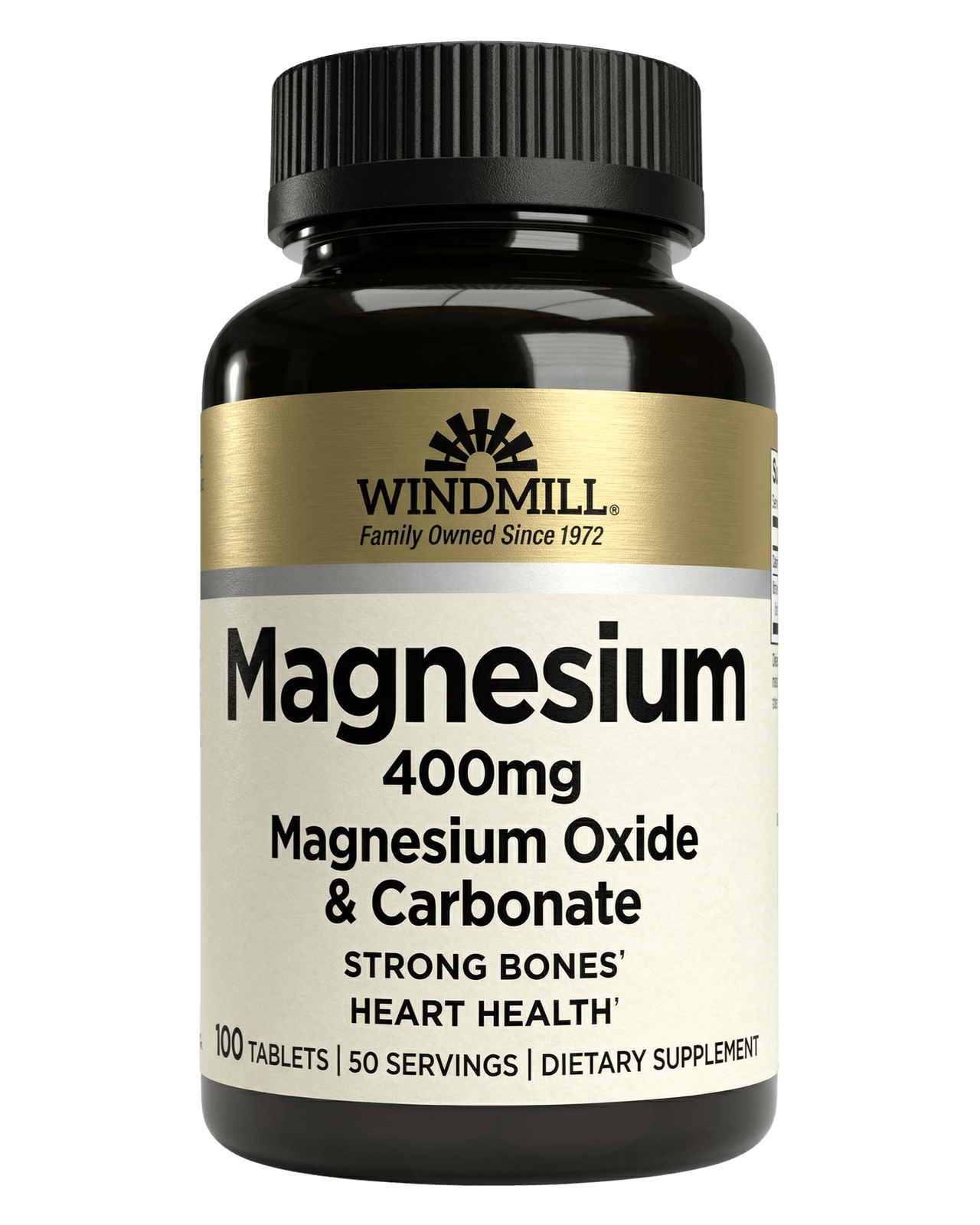
- Sleep evidence: Essentially none. Most of what you take passes straight through. The cheapest form, which is why it's in most budget multivitamins. You'd need 10x the dose to match glycinate's absorption. For those who need a higher dose magnesium supplement, our Magnesium 400mg formula provides better value than multiple oxide capsules.
Magnesium Sulfate (Epsom Salt)
- Not for oral use. Used in baths, where transdermal absorption is minimal and debated.
Magnesium Chloride
- Decent absorption (~60%) but no specific sleep research. Used in topical sprays.
What Dose Do You Need?
| Age/Gender | RDA | For Sleep (Research Doses) |
|---|---|---|
| Women 19-30 | 310mg | 200-400mg elemental Mg |
| Women 31+ | 320mg | 200-400mg elemental Mg |
| Men 19-30 | 400mg | 200-400mg elemental Mg |
| Men 31+ | 420mg | 200-400mg elemental Mg |
Important: "Elemental magnesium" is the actual magnesium content. A "500mg magnesium glycinate" capsule may contain only ~70mg of elemental magnesium. Check the Supplement Facts panel for the actual elemental amount.
Most sleep studies used 200-400mg of elemental magnesium. Start with 200mg and increase if needed. The tolerable upper limit for supplemental magnesium is 350mg/day (NIH ODS), though many people safely take more. For those who prefer a comprehensive approach, consider our Triple Magnesium Complex which combines multiple bioavailable forms.
When to Take It
Related Product
Magnesium 400mg Muscle & Nerve Support Tablets 100ct
$9.99
Take magnesium 30-60 minutes before bed. A 2012 randomized clinical trial in the Journal of Research in Medical Sciences had participants take 500mg magnesium for 8 weeks and found significant improvements in sleep time, sleep efficiency, and melatonin levels when taken in the evening.
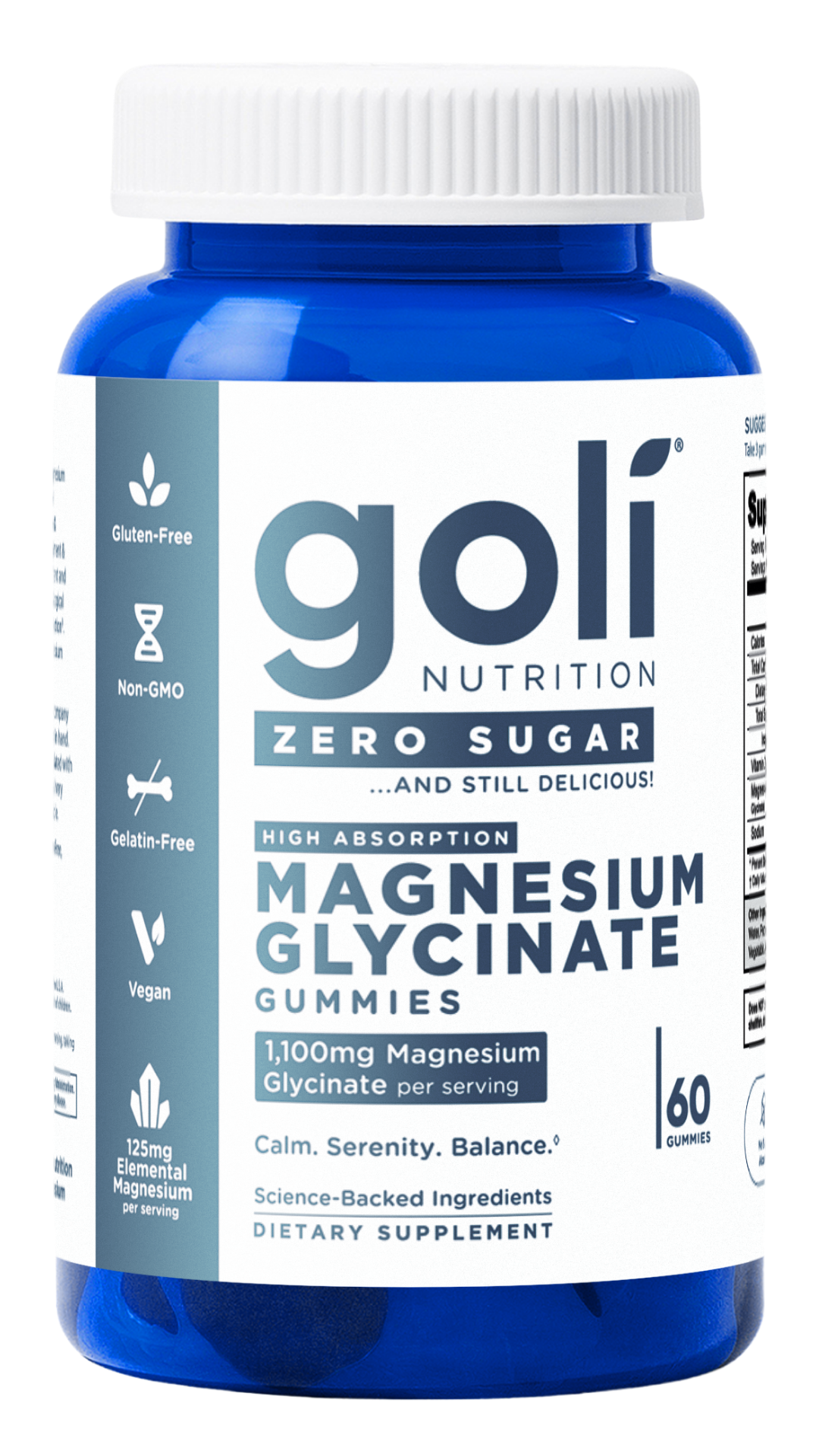
Taking it with food reduces the (already minimal) chance of GI upset with glycinate form. For those who prefer a more convenient option, Goli Zero Sugar Magnesium Gummies offer a tasty alternative that's easy to take before bed.
Who Should NOT Take Magnesium for Sleep
- People with kidney disease — impaired kidneys can't excrete excess magnesium
- People taking antibiotics (tetracyclines, fluoroquinolones) — magnesium reduces absorption; separate by 2+ hours
- People on blood pressure medications — may cause additive hypotension
- People taking muscle relaxants — may cause excessive sedation
Always consult your doctor if you take prescription medications.
Magnesium + Melatonin: Stack or Choose One?
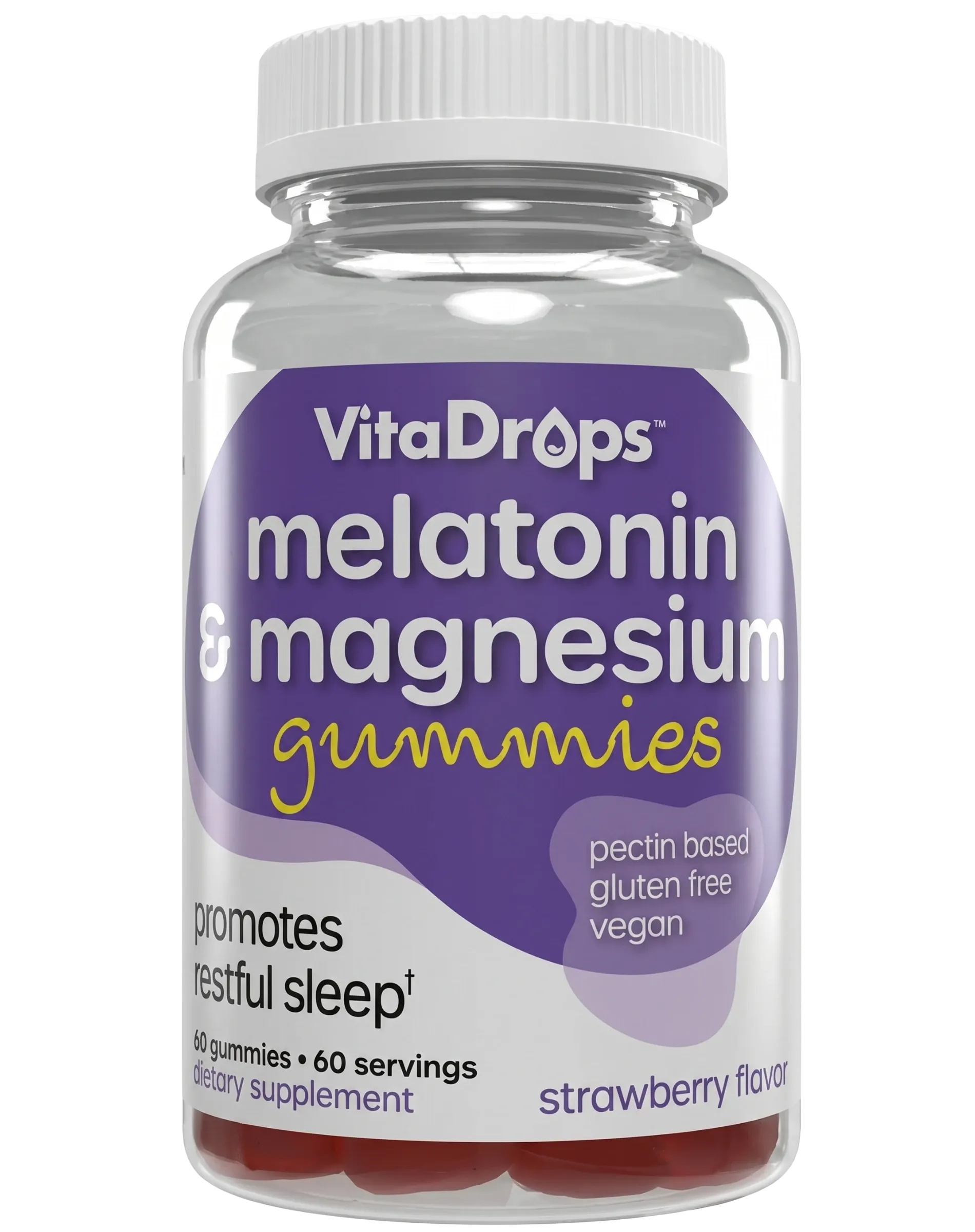
They work through different mechanisms and can be combined safely. Magnesium supports your body's natural sleep architecture. Melatonin shifts your circadian clock. If you have trouble falling asleep (long sleep latency), melatonin may help more. If you wake up frequently or feel unrested, magnesium is likely the better first choice.
A common effective stack: 200-400mg magnesium glycinate + 0.5-1mg melatonin 30-60 minutes before bed. For those interested in melatonin, consider our Melatonin 10mg Timed Release for sustained overnight support.
FAQ
How long does magnesium take to improve sleep?
Most studies report improvements within 1-2 weeks of consistent nightly use. Some people notice effects within 2-3 nights. If you're significantly deficient, it may take 4-6 weeks to fully replete your levels and see maximum benefit.
Can magnesium cause vivid dreams?
Anecdotally, yes — this is commonly reported but not well-studied. The theory is that magnesium improves sleep quality and increases time in REM sleep (the dream stage). This isn't a side effect; it may actually indicate improved sleep architecture.
Is it safe to take magnesium every night?
Never run out.
Subscribe to any product and save 10% on your first order, 5% after. Pause or cancel anytime.
Subscribe & Save 10%Yes, at recommended doses. Magnesium is a mineral your body needs daily. Unlike sleep drugs, it doesn't cause dependence, tolerance, or rebound insomnia. Long-term daily use is safe and may be beneficial for overall health beyond sleep.
Why does magnesium oxide not work for sleep?
Because only ~4% is absorbed. The rest acts as an osmotic laxative (draws water into the intestines). You'd need to take an enormous dose to get meaningful blood levels, and the GI effects would keep you awake anyway.
Can kids take magnesium for sleep?
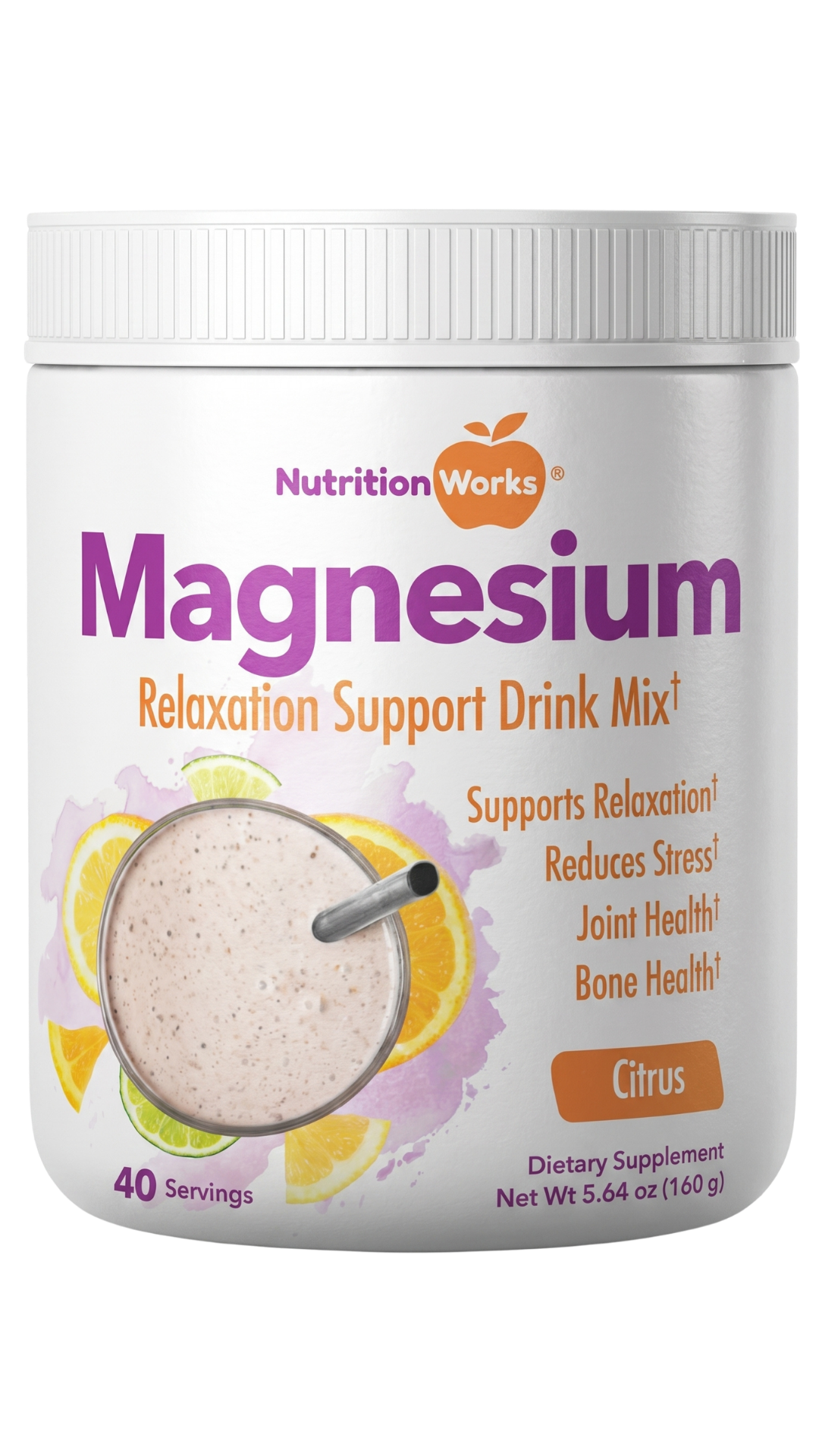
Magnesium is safe for children at age-appropriate doses, but consult a pediatrician first. The RDA for children is 80-240mg depending on age. Magnesium glycinate in powder form mixed into water is typically the easiest format for kids.
Our Recommendations
For comprehensive sleep support, explore our full collection of evidence-backed supplements designed to help you get the restorative sleep you need.
Shop the Products Mentioned
- Magnesium Glycinate 200mg - Our top pick for sleep support with superior bioavailability
- Triple Magnesium Complex - Comprehensive formula with multiple magnesium forms
- Goli Zero Sugar Magnesium Gummies - Convenient gummy format for bedtime
- Melatonin 10mg Timed Release - Perfect complement to magnesium for complete sleep support
These statements have not been evaluated by the Food and Drug Administration. These products are not intended to diagnose, treat, cure, or prevent any disease.
Keep Reading
Never miss a dose.
Evidence-based wellness guides like this one, in your inbox. No hype, no spam — unsubscribe anytime.