Can You Take Vitamin D and K2 Together? The Complete Guide for Maximum Benefits
Quick Answer: Yes, you can and should take vitamin D and K2 together. Research suggests these vitamins work synergistically — vitamin D increases calcium absorption while K2 directs that calcium to bones rather than soft tissues. This combination may support bone health and cardiovascular function better than taking either vitamin alone.
Can You Take Vitamin D and K2 Together?
Vitamin D and K2 form one of the most important nutrient partnerships in your body. Vitamin D enhances calcium absorption from your digestive system by up to 40%. But here's the crucial part: without adequate K2, that extra calcium can end up in your arteries instead of your bones.
K2 activates proteins called osteocalcin and matrix GLA protein. Osteocalcin helps incorporate calcium into bone tissue. Matrix GLA protein prevents calcium from depositing in blood vessels and soft tissues. When you take D without K2, you're potentially creating a calcium traffic jam.
Clinical studies show this combination may be more effective for bone density than vitamin D alone. One 3-year study found women taking both D3 and K2 had significantly better bone strength compared to those taking only calcium and vitamin D.
The Optimal Ratio and Timing
Most research supports a ratio of 1000 IU vitamin D3 to 100-200 mcg vitamin K2. For higher vitamin D doses (4000+ IU daily), consider 200-300 mcg of K2.
Take both vitamins with your largest meal of the day. Both are fat-soluble vitamins, meaning they need dietary fat for proper absorption. Taking them with 15-20 grams of fat can increase absorption by up to 32%.
K2 comes in two main forms: MK-4 and MK-7. MK-7 has a longer half-life and may be more effective at lower doses. MK-4 requires higher doses but has more extensive research for bone health. Many supplements now include both forms.
Common Mistakes When Combining D and K2
Taking vitamin D without K2 is the biggest mistake. This can lead to calcium paradox — strong bones but increased cardiovascular calcification risk.
Dosing timing matters too. Some people split their doses throughout the day, but fat-soluble vitamins absorb better when taken together with fat. One daily dose with your fattiest meal works better than multiple smaller doses.
Ignoring your baseline vitamin D level creates problems. Get tested first. Your 25(OH)D level should guide your vitamin D dose, not generic recommendations. Optimal levels range from 30-50 ng/mL for most people.
Using the wrong form of vitamin K2 reduces effectiveness. Avoid synthetic K1 or menadione (K3). Look for natural K2 as MK-7 or MK-4.
How to Take Vitamin D and K2 Together Effectively
Start with baseline testing. Get your 25(OH)D level measured before beginning supplementation.
Choose your doses based on your vitamin D level:
- Below 20 ng/mL: 4000 IU D3 + 200 mcg K2 daily
- 20-30 ng/mL: 2000 IU D3 + 100-150 mcg K2 daily
- Above 30 ng/mL: 1000 IU D3 + 100 mcg K2 daily for maintenance
Related Product
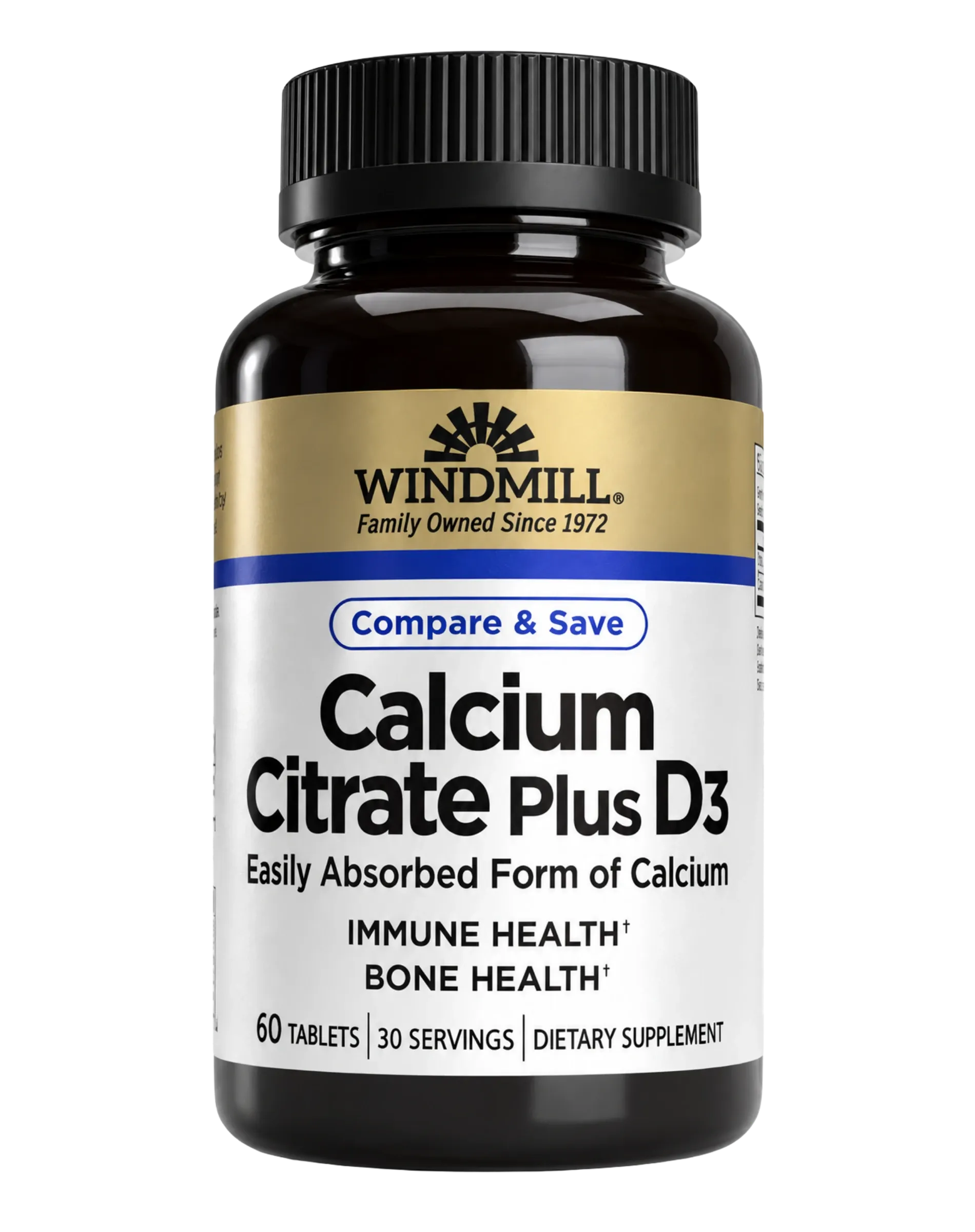
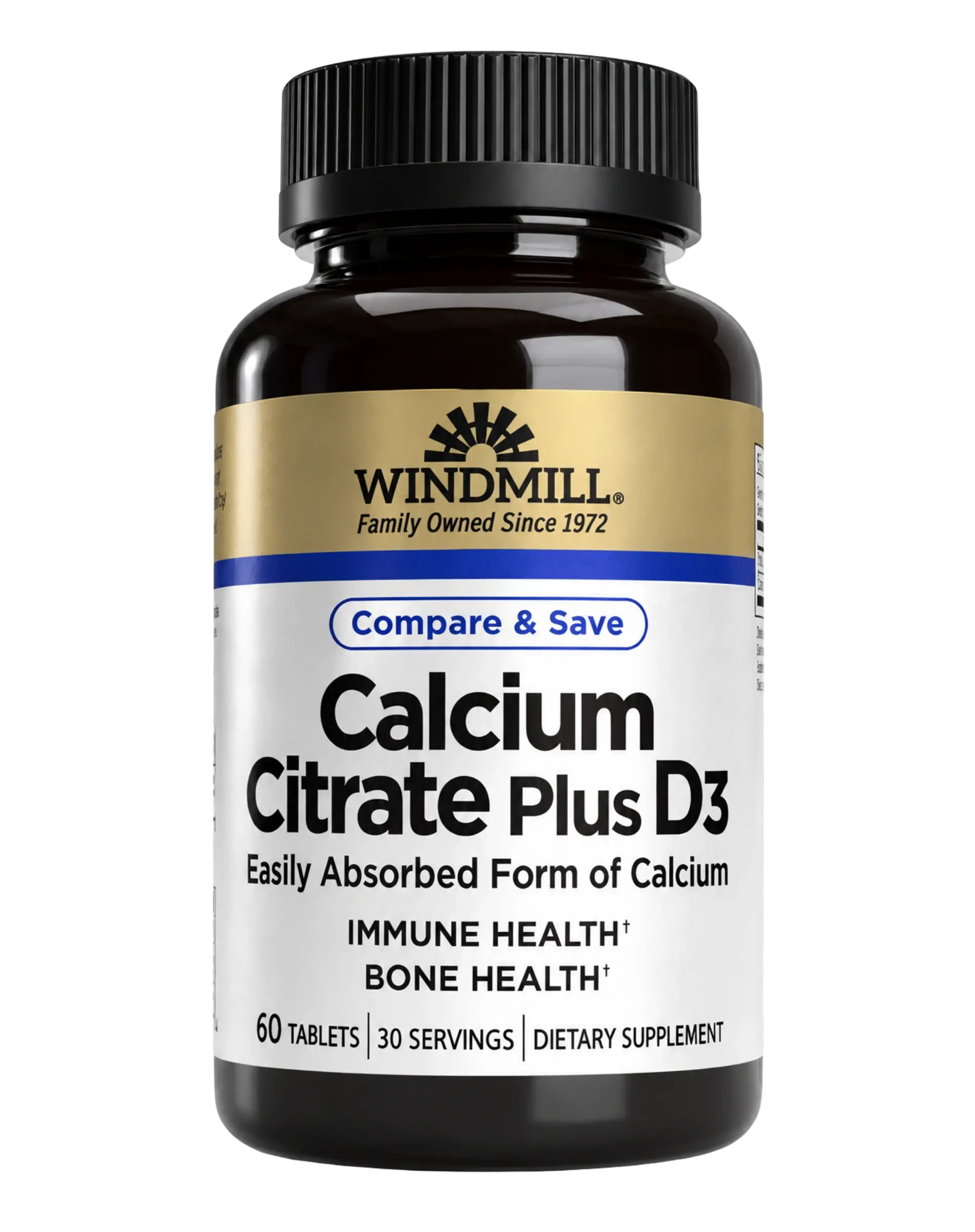
Windmill Calcium Citrate Plus D3 Bone Health Tablets 60ct
$8.99
Take them with your largest meal. Add avocado, nuts, olive oil, or fatty fish to that meal for optimal absorption.
Retest your vitamin D level after 8-12 weeks. Adjust dosing based on results. Once you reach your target level, switch to maintenance dosing.
Monitor for interactions if you take blood thinners. K2 generally doesn't affect INR levels like K1, but discuss with your healthcare provider before starting.
Frequently Asked Questions
Q: How long does it take to see benefits from taking D and K2 together?
A: Most people notice energy improvements within 4-8 weeks. Bone density changes take 6-12 months to show on DEXA scans, but biochemical markers like osteocalcin may improve within 8-12 weeks.
Q: Can I take D and K2 if I'm on blood thinners?
A: K2 (MK-7) typically doesn't interfere with warfarin like K1 does, but you should monitor your INR more frequently when starting. Always consult your prescribing physician before adding K2 to your routine.
Q: Should I take calcium with vitamin D and K2?
Never run out.
Subscribe to any product and save 10% on every order. Pause or cancel anytime.
Subscribe & Save 10%A: Not necessarily. Most people get adequate calcium from food. Adding calcium supplements without proper D and K2 ratios can worsen calcium paradox. Focus on D and K2 first, then assess calcium needs based on dietary intake.
Find the Right Supplement at Moore Vitamins
While we don't currently carry dedicated D3/K2 combinations, our Windmill Chewable Calcium 500mg & Vitamin D3 60ct Tablets provides a foundation for bone health that pairs well with separate K2 supplementation. For comprehensive nutritional support, consider our Daily One Men's Multivitamin Complete 60ct Tablets, which includes vitamin D3 alongside other essential nutrients.
All orders ship the same day, and Subscribe & Save keeps your bone health routine consistent with automatic deliveries and exclusive discounts.
Sources & Further Reading
Never miss a dose.
Evidence-based wellness guides like this one, in your inbox. No hype, no spam — unsubscribe anytime.