Vitamin C for Kids: How Much They Need and the Best Way to Give It in 2026
Age-Appropriate Vitamin C Dosing: What Parents Need to Know
Getting vitamin C dosing right for children isn't about guesswork—it's about understanding their unique nutritional needs at different developmental stages. While adults require 65-90mg daily, children's needs vary significantly based on age, activity level, and overall health status.
For toddlers aged 1-3 years, the recommended daily allowance sits at 15mg, jumping to 25mg for children 4-8 years old. Pre-teens and teenagers need progressively more: 45mg for ages 9-13, and 65-75mg for ages 14-18. These aren't arbitrary numbers—they reflect the increasing demands of growing bodies, developing immune systems, and higher metabolic rates.
Research indicates that children who consume adequate vitamin C show better iron absorption, stronger connective tissue development, and more robust immune responses during seasonal challenges. However, "adequate" doesn't mean "excessive"—more isn't always better when it comes to water-soluble vitamins.
Signs Your Child Might Need Vitamin C Support
Most children eating varied diets get sufficient vitamin C from food sources, but certain situations may warrant supplementation. Picky eaters who consistently avoid fruits and vegetables, children with chronic illnesses, or those experiencing frequent minor infections might benefit from additional support.
Watch for subtle signs like slower wound healing, frequent bruising, or recurring minor respiratory issues. While these symptoms have many potential causes, inadequate vitamin C intake could be a contributing factor worth addressing with your pediatrician.
Choosing the Right Delivery Method for Different Ages
The "best" way to give vitamin C depends entirely on your child's age, preferences, and ability to swallow different supplement forms. Understanding these options helps ensure consistent daily intake without daily battles.
Chewable Tablets: The Sweet Spot for Most Kids
Chewable tablets offer excellent control over dosing while appealing to children who enjoy the ritual of taking their "vitamins." Our Vitamin C 250mg Chewable provides a moderate dose that works well for children over 4 years, allowing parents to break tablets in half for younger children or give full doses to older kids.
The key advantage of chewables lies in their predictable absorption and the ability to adjust portions based on individual needs. Unlike gummies, which can vary in actual vitamin content, quality chewable tablets provide consistent dosing.
Gummies: Convenience with Considerations
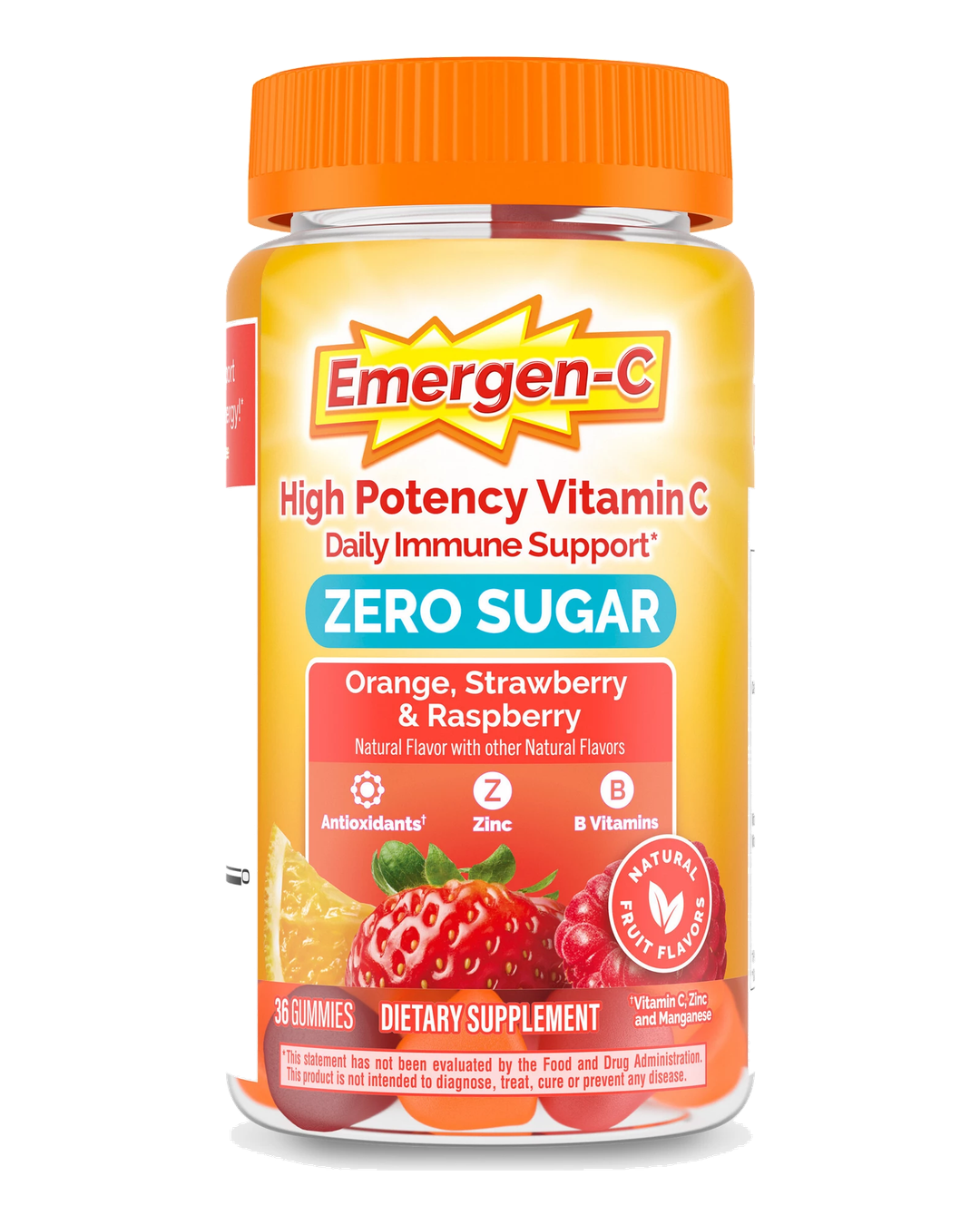
Gummy vitamins have revolutionized supplement compliance for children, but they come with trade-offs worth understanding. The Goli Triple Action Immune Gummies combine vitamin C with complementary nutrients, offering broader immune support in an appealing format.
However, gummies often contain added sugars and may encourage children to view supplements as candy. Proper storage becomes crucial—these supplements need secure, child-proof containers to prevent accidental overconsumption.
Traditional Tablets for Older Children
Children over 12 who can reliably swallow pills might transition to standard vitamin C tablets. The Vitamin C 500mg Immune Support provides higher potency suitable for teenagers, especially those involved in demanding physical activities or experiencing high academic stress.
This transition often coincides with increased independence around health decisions, making it an excellent time to educate teenagers about proper supplementation and reading labels.
Timing and Absorption: Maximizing Benefits
When your child takes vitamin C matters almost as much as how much they take. This water-soluble vitamin doesn't store in the body for extended periods, making consistent daily intake more important than large, infrequent doses.
Best Times for Daily Dosing
Morning doses with breakfast provide several advantages: better absorption with food, establishing routine habits, and ensuring children receive immune support throughout their most active hours. The presence of food also reduces the slight stomach irritation some children experience with vitamin C supplements.
Related Product
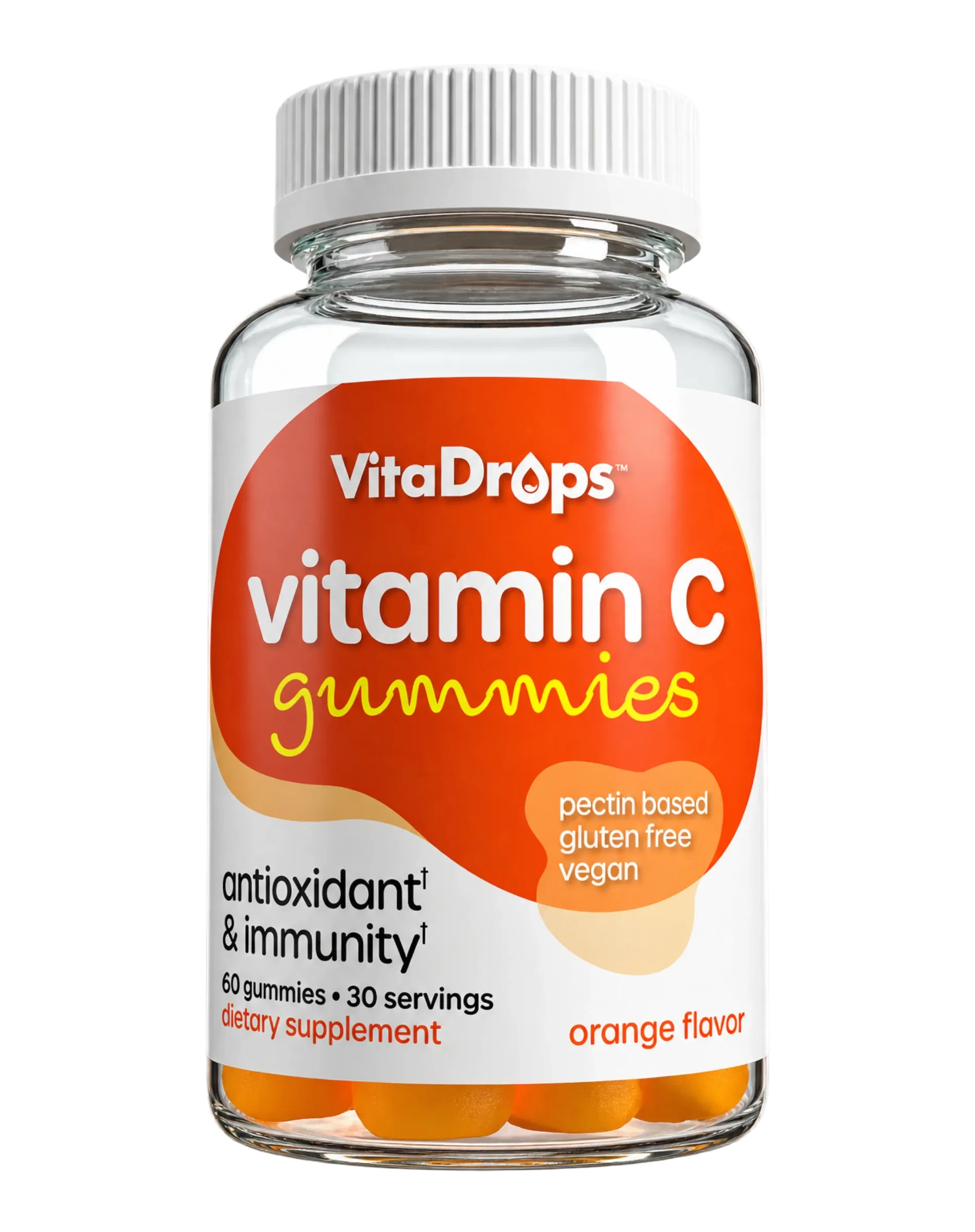
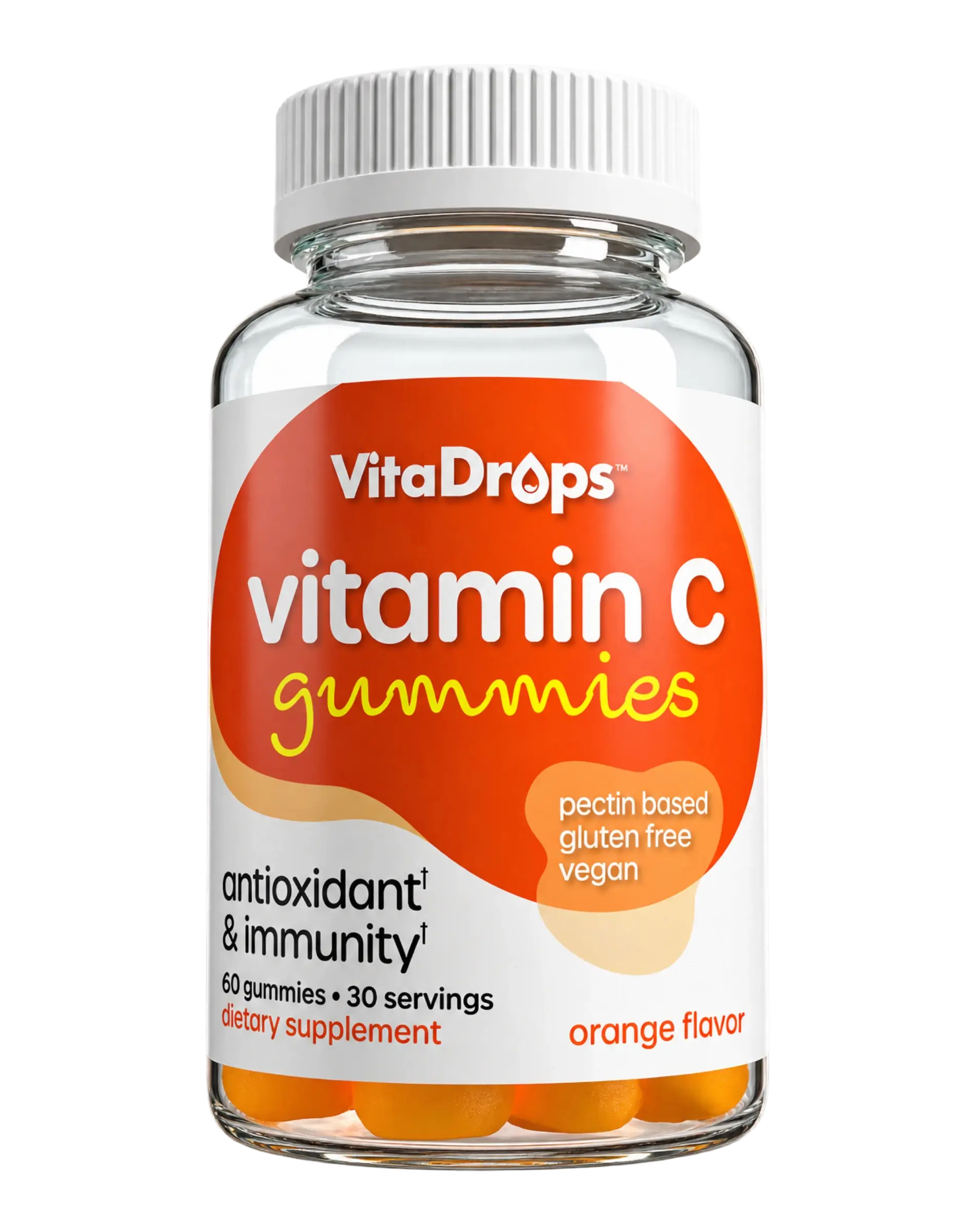
VitaDrops Vitamin C 250 mg Orange Flavor Gummies 60ct
$9.99
For children taking higher doses, splitting the amount between morning and evening may improve absorption and reduce the likelihood of excess being eliminated unused.
Enhancing Absorption Naturally
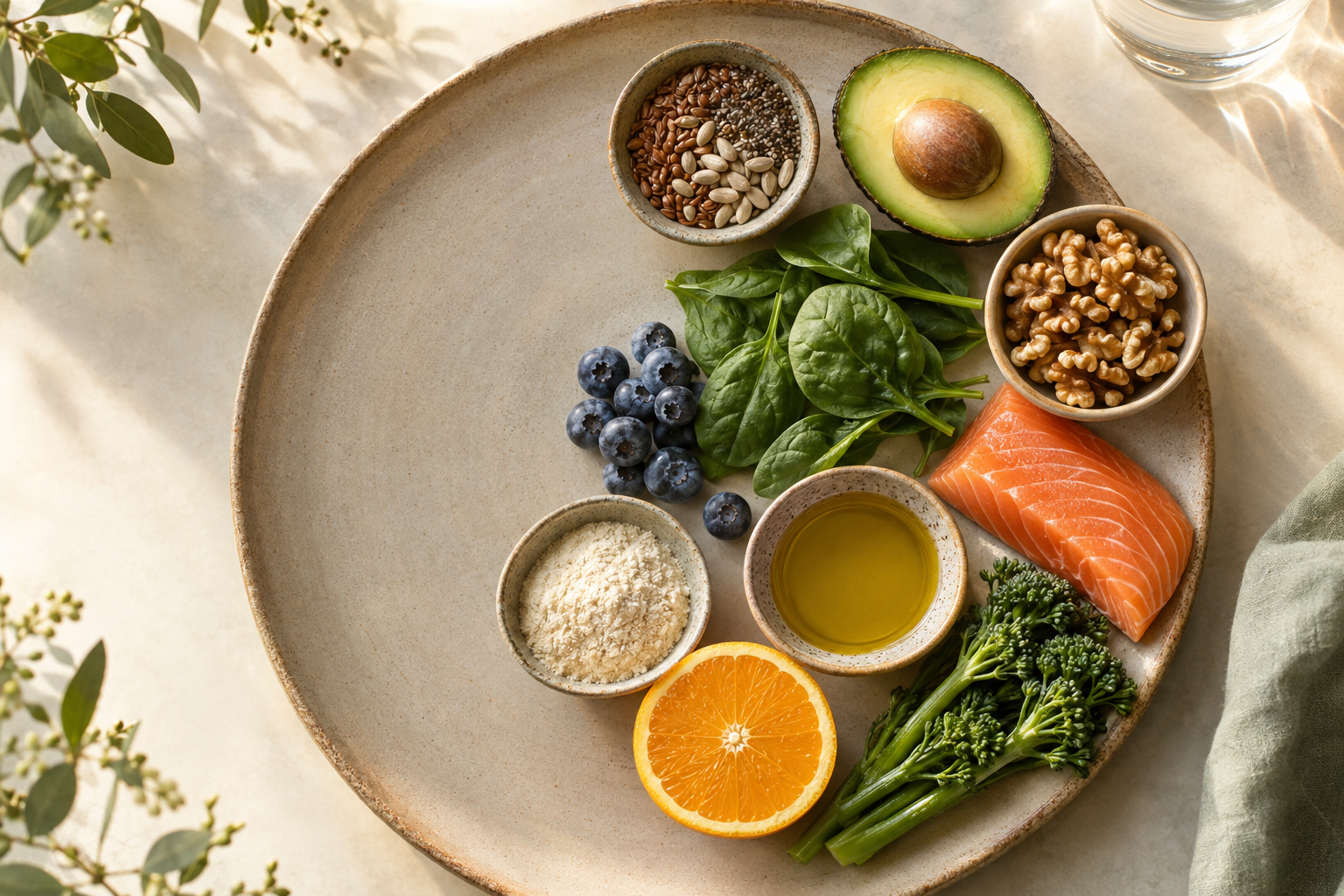
Pairing vitamin C supplements with foods containing bioflavonoids—found in citrus fruits, berries, and leafy greens—may enhance absorption and utilization. This creates an excellent opportunity to reinforce healthy eating habits alongside supplementation.
Conversely, avoid giving vitamin C supplements with dairy products or calcium-fortified foods, as calcium can interfere with optimal absorption.
Safety Considerations and Potential Interactions
Vitamin C enjoys an excellent safety profile, but understanding potential issues helps parents make informed decisions about supplementation.
Upper Limits and Overdose Concerns
The tolerable upper limit for vitamin C varies by age: 400mg for children 1-3 years, 650mg for ages 4-8, 1,200mg for ages 9-13, and 1,800mg for teenagers 14-18. These limits exist because excessive intake can cause digestive upset, including diarrhea and stomach cramps.
However, vitamin C toxicity remains rare due to its water-soluble nature. Most children would need to consume significantly more than recommended amounts for extended periods to experience serious adverse effects.
Medication and Health Condition Interactions
Children taking certain medications need special consideration. High-dose vitamin C can affect blood sugar readings in diabetic children or interact with blood-thinning medications. Always consult healthcare providers before starting supplementation for children with chronic health conditions.
Never run out.
Subscribe to any product and save 10% on every order. Pause or cancel anytime.
Subscribe & Save 10%Additionally, children with kidney problems or those prone to kidney stones should use vitamin C supplements only under medical supervision.
Building Healthy Supplementation Habits
Creating positive associations with vitamin supplementation sets the foundation for lifelong healthy habits. Make taking vitamins part of established routines—like brushing teeth or getting dressed—rather than sporadic health interventions.
Educate children about why they're taking supplements without creating anxiety about their health. Simple explanations like "this helps your body stay strong" work better than detailed discussions about immune function for younger children.
Consider involving children in selecting their preferred supplement format from appropriate options. This small choice gives them ownership over their health decisions while keeping parents in control of actual nutritional content.
Browse our full supplement collection to discover additional family-friendly options that support comprehensive childhood nutrition and development.
Shop the Products Mentioned
Ready to support your family's nutritional needs? Explore our carefully curated selection of premium supplements at moorevitamins.com, where quality meets affordability for every member of your household.
†These statements have not been evaluated by the FDA. Products are not intended to diagnose, treat, cure, or prevent any disease.
Never miss a dose.
Evidence-based wellness guides like this one, in your inbox. No hype, no spam — unsubscribe anytime.