Which Supplements Absorb Better at Night?
> Quick Answer:
> Supplement timing is not a marketing gimmick — for at least six common nutrients, when you take them changes how much your body actually uses. Magnesium absorbed 20–30% more efficiently when taken in the evening, according to peer-reviewed research on magnesium absorption timing. Vitamin D3 taken with your largest meal raises serum 25(OH)D levels up to 50% higher than the same dose taken fasted in the morning. Calcium carbonate requires stomach acid to dissolve — acid peaks at night, making a bedtime dose more effective. Fat-soluble vitamins (A, D, E, K) need dietary fat to absorb at all, which most people consume more of at dinner. B vitamins, on the other hand, are energizing and can disrupt sleep if taken after 3 p.m. for sensitive individuals. If you take even three supplements daily, getting the timing right could be the highest-ROI change you make to your routine this year.
Which Supplements Actually Absorb Better at Night?
The short answer from absorption science: fat-soluble vitamins and minerals tied to your body's overnight repair cycle earn their keep at night. Water-soluble energizers belong in the morning.
Your body doesn't operate on a flat 24-hour clock. Cortisol peaks within 30–60 minutes of waking, bile acid secretion ramps up with meals, and gastric acid output rises in the evening. Each of these physiological shifts changes how nutrients are broken down, transported, and stored. Ignoring these rhythms means you're optimizing your supplement stack while ignoring your supplement clock.
The nutrients with the clearest evidence for nighttime advantage are: vitamin D3, vitamin K2, magnesium, calcium carbonate, and zinc. Melatonin — obviously — belongs at night. B vitamins and vitamin C are best kept to morning or midday.
The Science Behind Fat-Soluble Vitamins at Night
Vitamins D, K, E, and A are fat-soluble. They don't dissolve in water; they hitch a ride on dietary fat through your intestinal wall. Most people eat their fattiest meal at dinner. That makes the evening the highest-fat absorption window of the day — which is exactly when these vitamins should be taken.
Vitamin D3 + K2 is the clearest case. The NIH Office of Dietary Supplements vitamin D fact sheet confirms that serum vitamin D levels correlate directly with the fat content of the meal it's taken with. A 5,000 IU dose of D3 taken with a dinner containing healthy fats absorbs dramatically better than the same dose swallowed dry at breakfast. Vitamin K2 & D3 Bone Health Support stacks both nutrients in one capsule — taken at dinner, this combination supports calcium routing to bones rather than arteries, a process that happens largely during overnight bone remodeling.
Magnesium at night serves two purposes. It absorbs better in the evening and it supports the muscle relaxation and nervous system downshift your body needs for deep sleep. As covered in our magnesium guide for men over 40, most adults are already under-consuming magnesium — poor timing compounds that deficit.
Common Mistakes People Make With Supplement Timing
Most people pick their supplement schedule based on convenience, not biology. Here's what that costs them:
- Taking vitamin D at breakfast with coffee. Coffee itself doesn't block D3, but a low-fat breakfast significantly reduces absorption. Save D3 for dinner.
- Taking B-complex at night. B vitamins — particularly B6 and B12 — stimulate neurotransmitter activity. For roughly 1 in 4 people, evening B-complex causes vivid dreams or delayed sleep onset. Take Windmill B Complex with breakfast.
- Taking calcium and magnesium together. These two minerals compete for the same intestinal transporters. Split them: calcium at dinner, magnesium at bedtime.
- Taking fat-soluble vitamins fasted. Vitamin E taken without dietary fat can see absorption drop by up to 60%, according to peer-reviewed research on fat-soluble vitamin absorption.
- Assuming your dose is calibrated for your body. Timing matters, but so does dose — your body size affects optimal supplementation more than most people realize.
Your Practical Morning vs. Night Supplement Schedule
Use this as your default framework. Adjust based on your specific stack.
Take in the morning (with breakfast):
- B-complex vitamins
- Vitamin C
- Iron (on an empty stomach or with vitamin C, away from calcium)
- Probiotics (before or with breakfast)
- Adaptogens like ashwagandha (though some people tolerate these better at night)
Take at dinner (with your fattiest meal):
Related Product
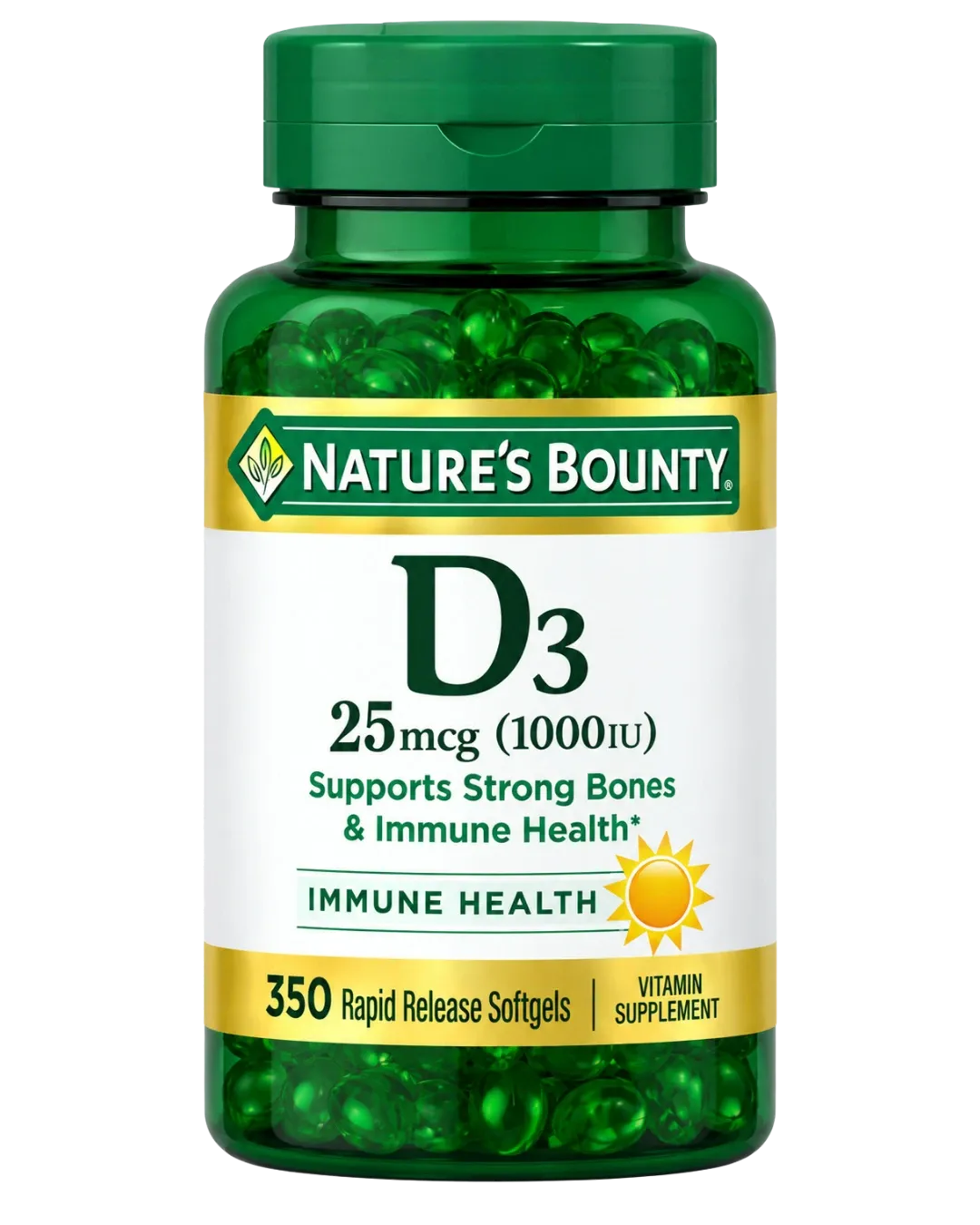
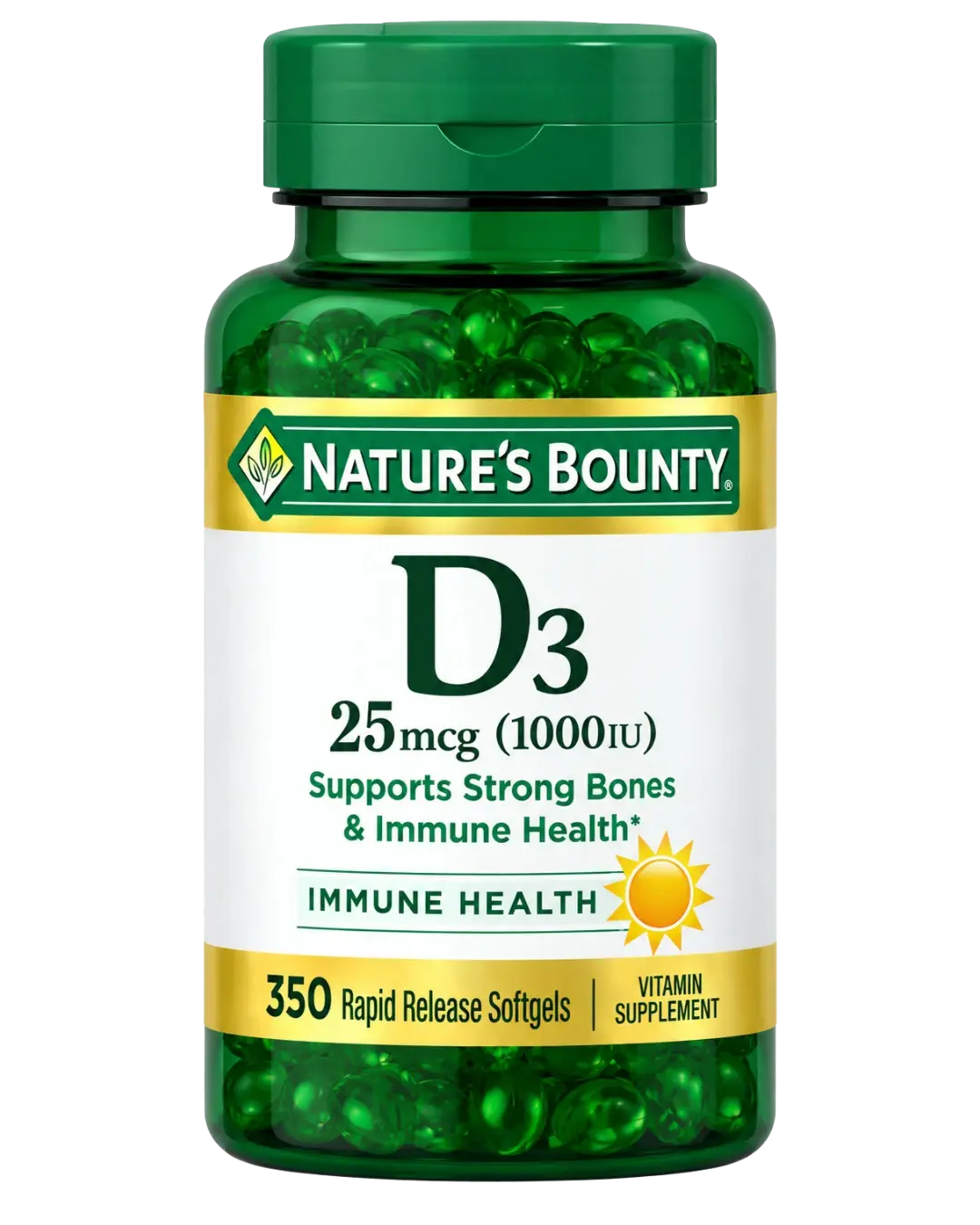
Nature's Bounty Vitamin D3 1000 IU Rapid Release Softgels 350ct
$15.50
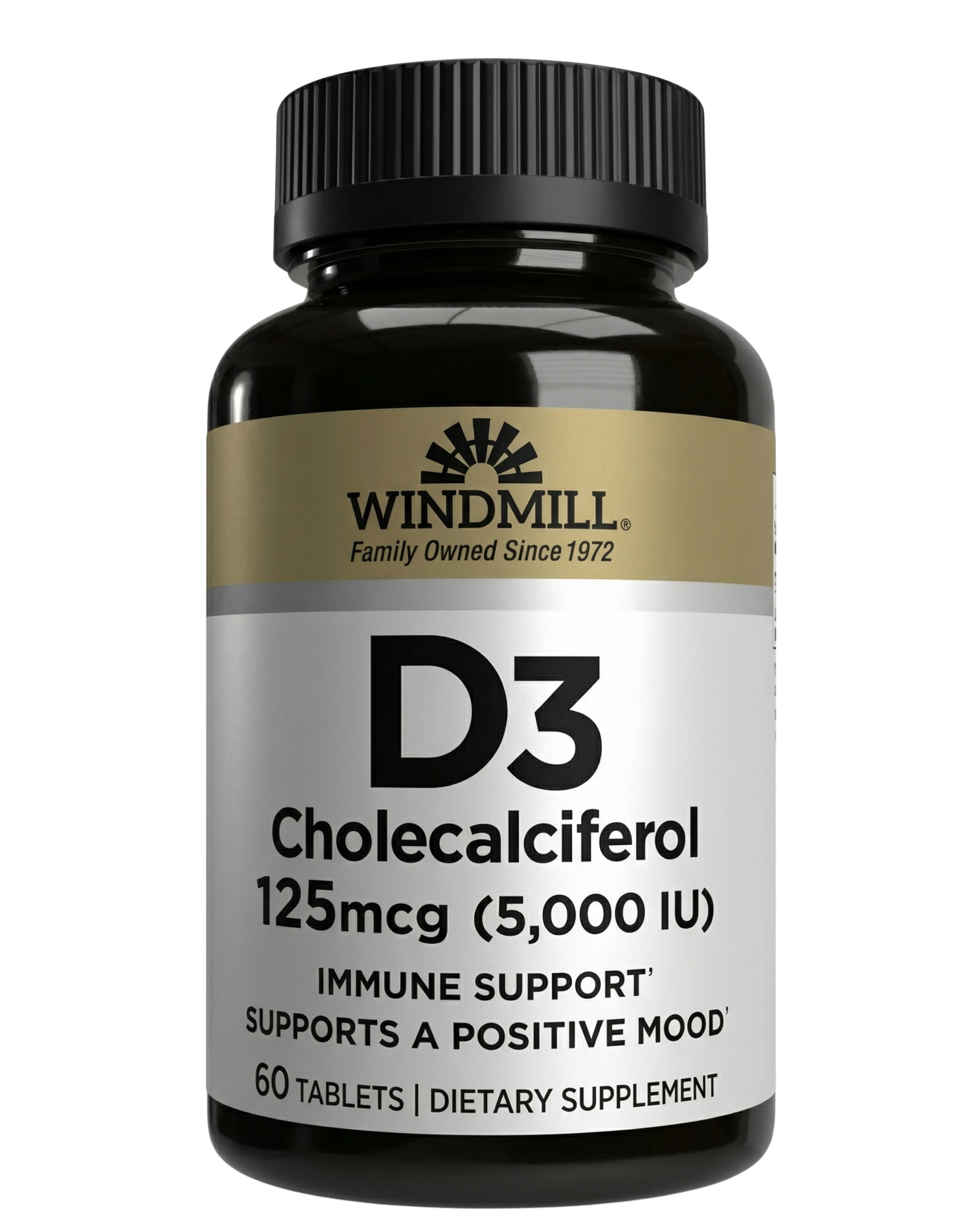
- Vitamin D3 — Windmill Vitamin D3 5000 IU Softgels with your largest meal maximizes serum levels
- Vitamin K2 + D3 combination
- Vitamin E
- Fish oil / omega-3s
- Calcium carbonate (stomach acid is highest in the evening)
Take 30–60 minutes before bed:
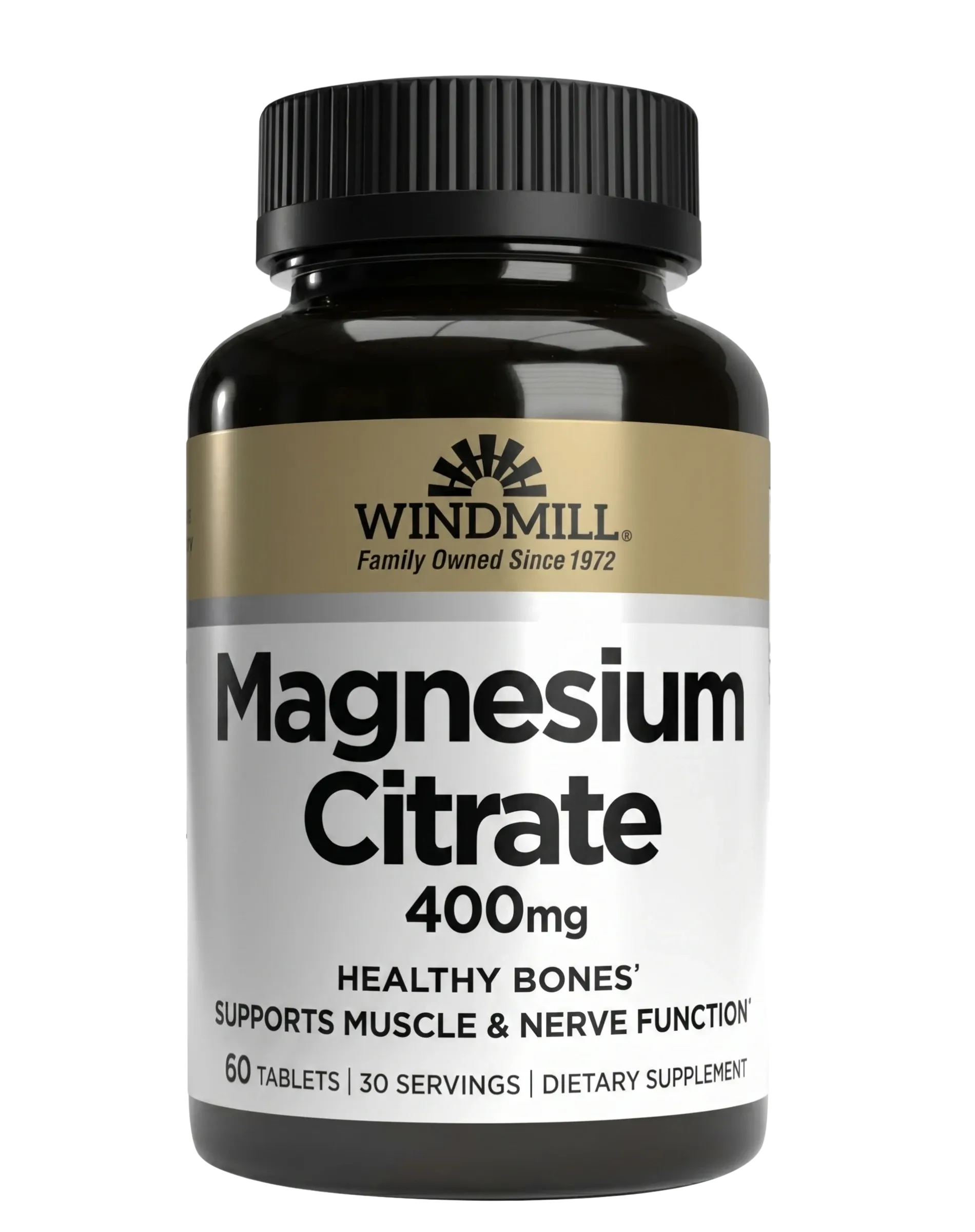
- Magnesium glycinate or citrate
- Zinc
- Melatonin — the Sleep Soundly Snooze & Lose Nighttime Formula pairs melatonin with sleep-supporting compounds designed for exactly this window
Flexible (morning or evening, based on tolerance):
- Multivitamins (follow label; most contain fat-soluble vitamins, so evening is preferred)
- Collagen peptides (some evidence for nighttime benefit for overnight tissue repair)
For weight management support taken at night, research on nighttime metabolism and fat loss is evolving — some thermogenic compounds perform differently depending on when you take them.
Frequently Asked Questions
Never run out.
Subscribe to any product and save 10% on your first order, 5% after. Pause or cancel anytime.
Subscribe & Save 10%Q: Does it matter if I take supplements at the same time every day?
A: Yes — consistency stabilizes serum levels for nutrients like vitamin D and magnesium, which your body stores and regulates over days, not hours. Erratic timing creates unnecessary peaks and troughs.
Q: Can I take magnesium and melatonin together at night?
A: Generally yes. Magnesium glycinate and melatonin are complementary — both support the transition into deep sleep through different mechanisms. Most people tolerate the combination well at doses of 200–400 mg magnesium and 1–5 mg melatonin.
Q: Should I take vitamin D year-round or only in winter?
A: The NIH Office of Dietary Supplements vitamin D fact sheet recommends checking serum 25(OH)D levels to guide year-round use. Most adults in northern latitudes are deficient even in summer due to indoor lifestyles — year-round supplementation at 2,000–5,000 IU is commonly recommended by clinicians.
Find the Right Supplement at Moore Vitamins
Your timing strategy is only as good as the products you're working with. For your evening fat-soluble stack, Windmill Vitamin D3 5000 IU Softgels and Vitamin K2 & D3 Bone Health Support are both formulated as softgels or oil-based capsules — the delivery format that best supports fat-soluble absorption. For your morning energy routine, Windmill B Complex 100% Daily Value Tablets covers your full B-vitamin needs in one tablet. And for your nighttime wind-down, Sleep Soundly Snooze & Lose Nighttime Formula is designed for exactly the 30-minute pre-bed window.
All orders ship same day. Subscribe & Save is available on every product above — the easiest way to lock in consistent timing without running out.
Never miss a dose.
Evidence-based wellness guides like this one, in your inbox. No hype, no spam — unsubscribe anytime.