Why Your Supplement Dose Might Be Wrong for Your Size
> Quick Answer:
> The "standard dose" on every supplement label was designed around a 154-pound (70 kg) reference adult — a benchmark set by the FDA and used by most clinical trials. If you weigh significantly more or less than that, the label dose may be underdosing or overdosing you by 30–50%. For fat-soluble nutrients like vitamins D, A, E, and K, this gap matters enormously because they accumulate in tissue. For water-soluble vitamins like C and B12, the stakes are lower but still relevant for therapeutic doses. Body composition matters too — a 180-pound athlete with 15% body fat distributes supplements very differently than a 180-pound sedentary adult. If you finish this article, you'll have a practical method for adjusting your top five supplements to your actual body rather than a hypothetical average one.
Why Does Your Weight Change Your Optimal Supplement Dose?
The label dose isn't arbitrary — it comes from population-average data. But averages hide extremes. Clinical trials that establish effective doses typically recruit subjects clustered around 150–175 lbs, then extrapolate findings to everyone.
The math is straightforward: most dosing in pharmacology and nutrition science is expressed per kilogram of body weight (mg/kg). When a study finds that 10 mg/kg of magnesium is effective, a 120-lb (55 kg) person needs 550 mg while a 220-lb (100 kg) person needs 1,000 mg. The label says 400 mg. Both people are getting the wrong dose.
Fat-soluble vitamins add another layer of complexity. Because they dissolve in fat tissue rather than being excreted, a higher body-fat percentage means more storage capacity — and potentially more time to reach toxic levels. The NIH Office of Dietary Supplements vitamin D fact sheet notes that obesity is associated with lower serum vitamin D levels, partly because adipose tissue sequesters the vitamin and reduces its bioavailability in circulation.
The Most Important Nutrients to Adjust by Body Size
Not every supplement requires weight-based recalculation. Here's where it genuinely changes outcomes:
Vitamin D — High Priority
The Endocrine Society's clinical guidelines suggest that obese individuals may need 2–3× the standard dose to achieve the same serum 25(OH)D level as a lean person. A 150-lb person might achieve optimal levels at 2,000 IU/day; a 250-lb person may need 4,000–6,000 IU to reach the same blood concentration. Test, don't guess — a simple blood test tells you where you stand.
Magnesium — High Priority
Research on magnesium supplementation commonly uses 6–10 mg per kilogram of body weight as the therapeutic window. At 6 mg/kg:
- 120 lbs (55 kg) → ~330 mg/day
- 154 lbs (70 kg) → ~420 mg/day
- 200 lbs (91 kg) → ~545 mg/day
- 250 lbs (113 kg) → ~680 mg/day
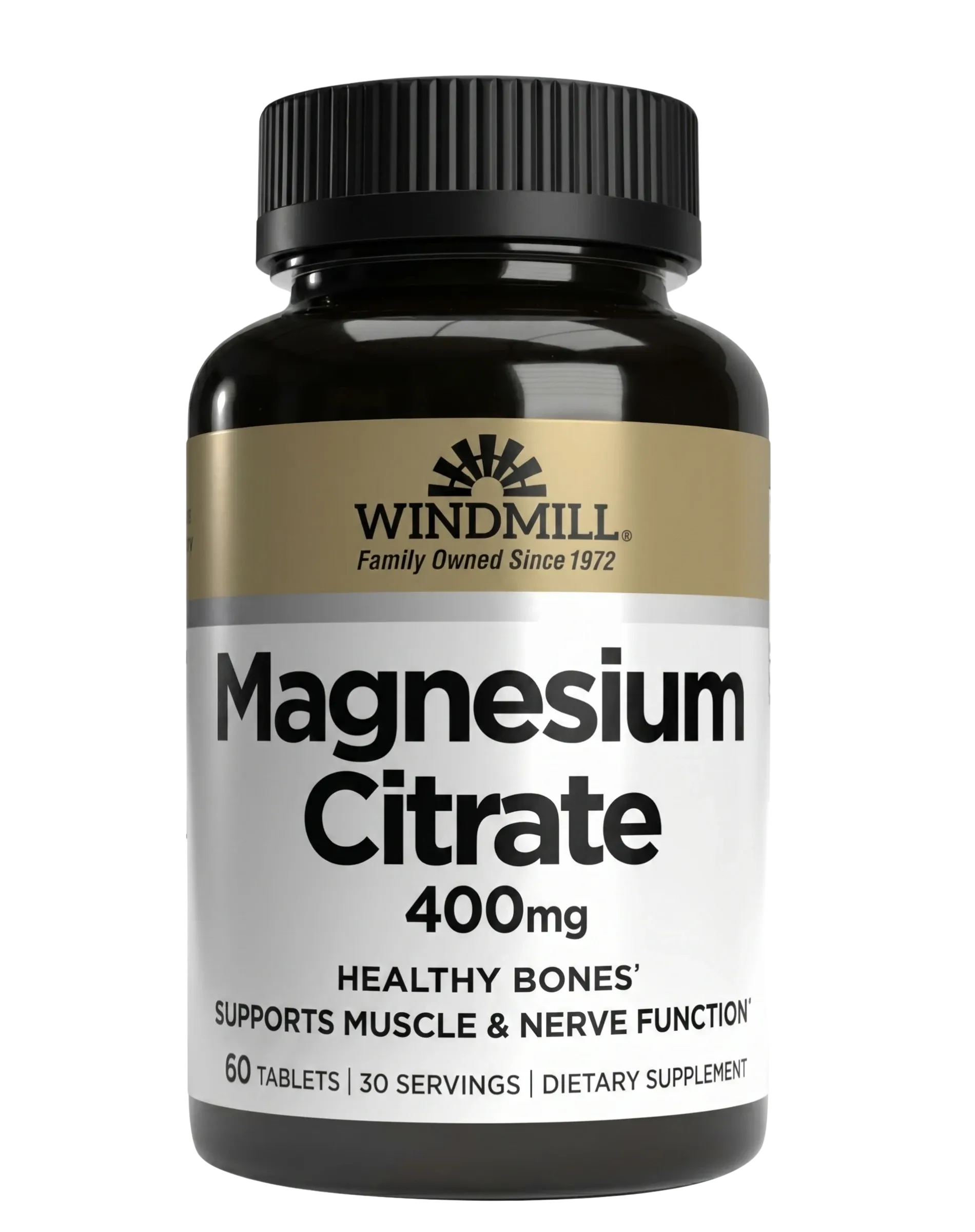
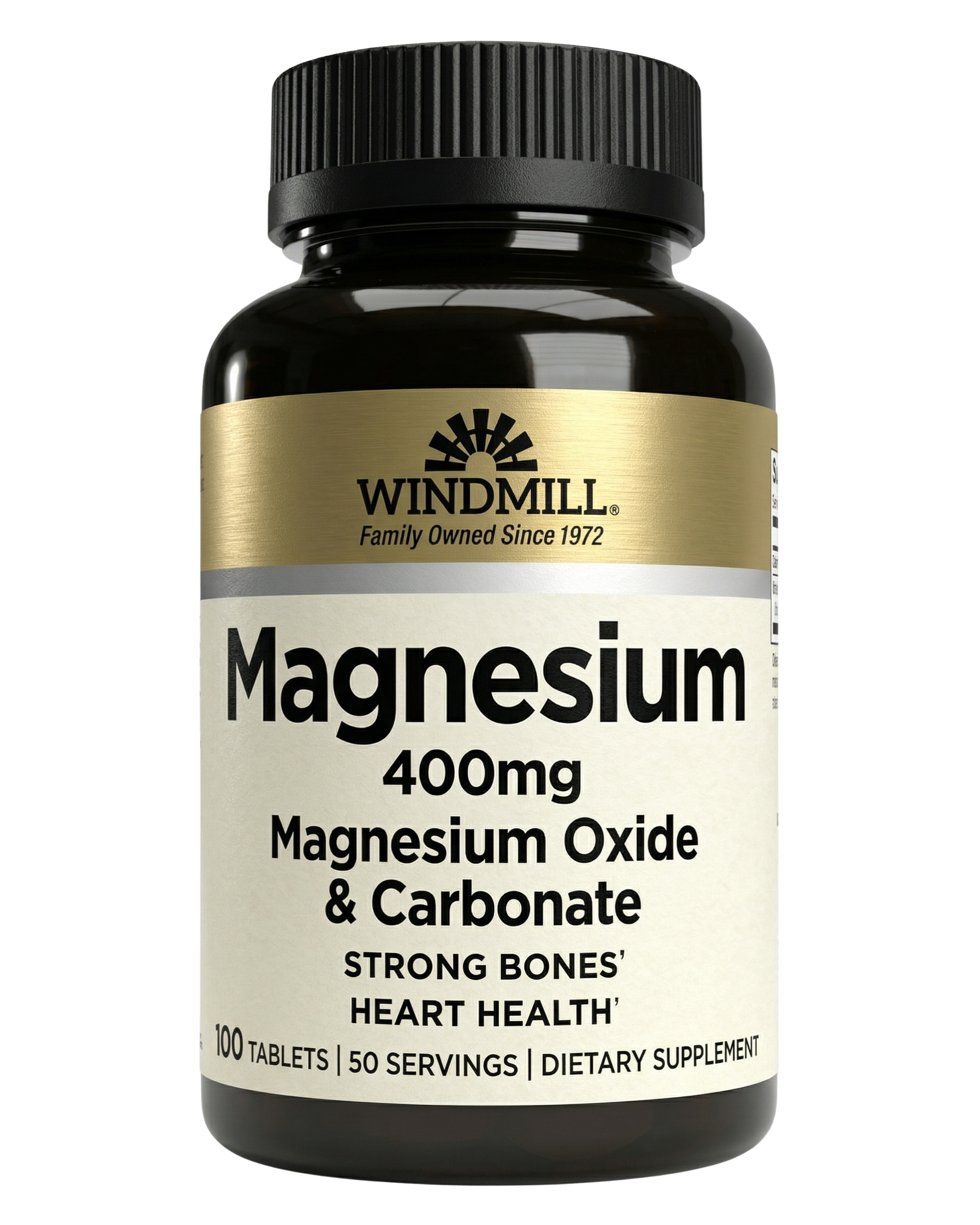
The standard label dose of 400 mg is reasonable for mid-range adults but falls short for larger individuals, especially those using magnesium for sleep support. See how this connects to recovery in our sleep-based recovery supplements guide.
Omega-3 (EPA + DHA) — Moderate Priority
Peer-reviewed research on omega-3 dosing by body weight consistently supports ~1,000 mg combined EPA+DHA per 50 kg of body weight for anti-inflammatory effects. A 220-lb person targeting that outcome needs roughly 2,000 mg — double the 1,000 mg capsule many people take daily.
Resveratrol — Emerging Evidence
Weight-based dosing for resveratrol is an active research area. As covered in our resveratrol and aging deep-dive, the bioavailability challenges of this compound mean that larger adults are almost certainly underdosing on standard 500 mg formulas.
Vitamin C — Lower Priority, But Relevant
Because vitamin C is water-soluble and excreted rapidly, toxicity isn't a concern at normal doses. However, peer-reviewed research on vitamin C therapeutic dosing supports scaling therapeutic doses (500–2,000 mg/day) to body weight for immune and antioxidant effects. Smaller adults likely do fine at 500 mg; larger adults may benefit from 1,000–1,500 mg.
Common Mistakes People Make Here
- Assuming "more is always better." Scaling up fat-soluble vitamins without blood testing risks toxicity over time. Vitamin A in particular accumulates dangerously — never scale that one up without physician guidance.
- Ignoring body composition. Two people can weigh 200 lbs with wildly different fat-to-muscle ratios. Muscle tissue is more metabolically active and distributes water-soluble nutrients faster. Body weight alone is imperfect; lean body mass is more accurate when you can get it.
- Forgetting that absorption varies too. A higher dose means nothing if absorption bottoms out. As explained in our supplements that need food for absorption guide, fat-soluble vitamins taken without dietary fat can lose 30%+ of their effective dose regardless of how much you take.
- Not retesting after adjusting. Any change in vitamin D, magnesium, or omega-3 dosing should be confirmed with blood work 8–12 weeks later. Dosing by feel is guesswork.
Related Product
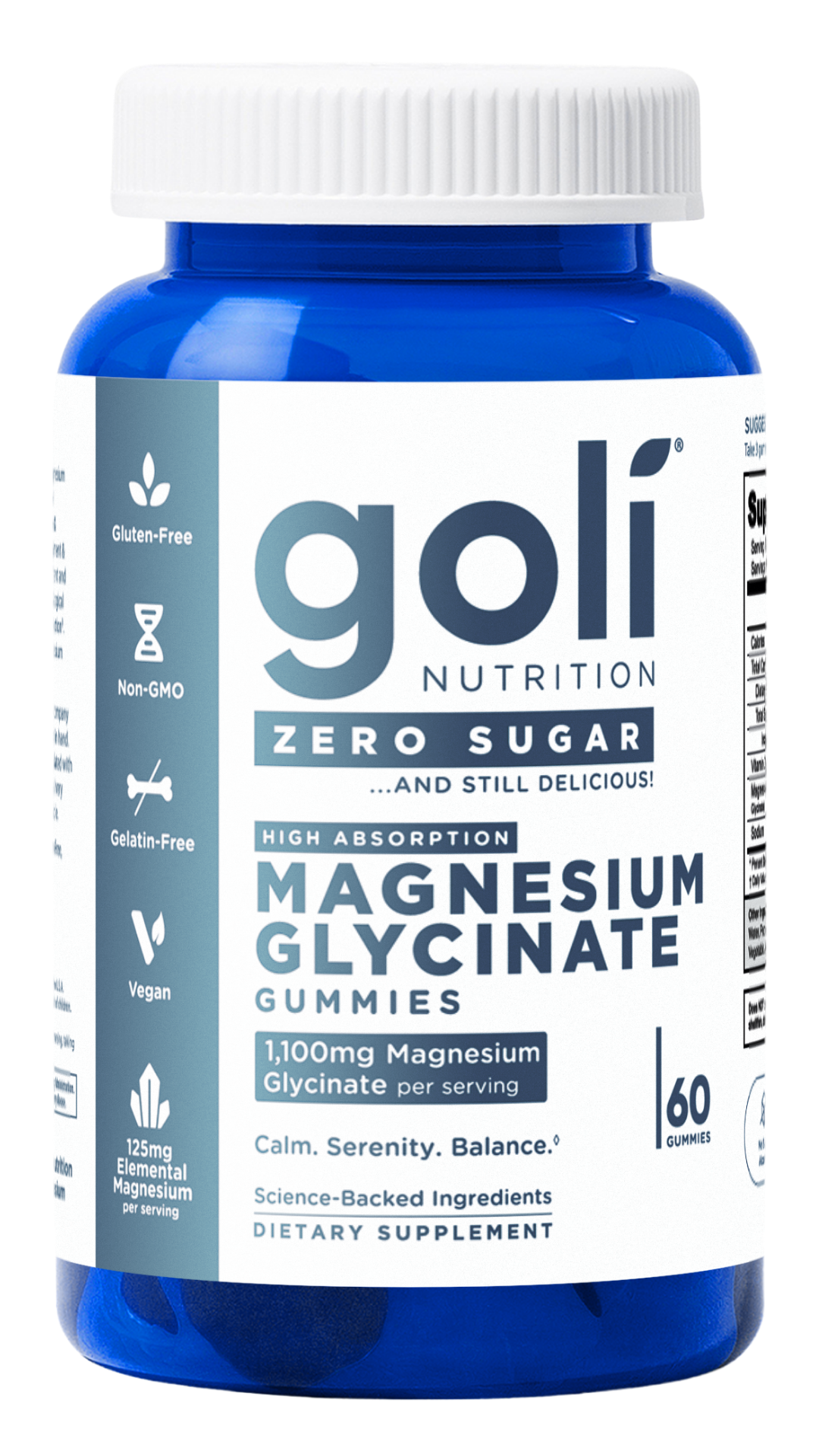
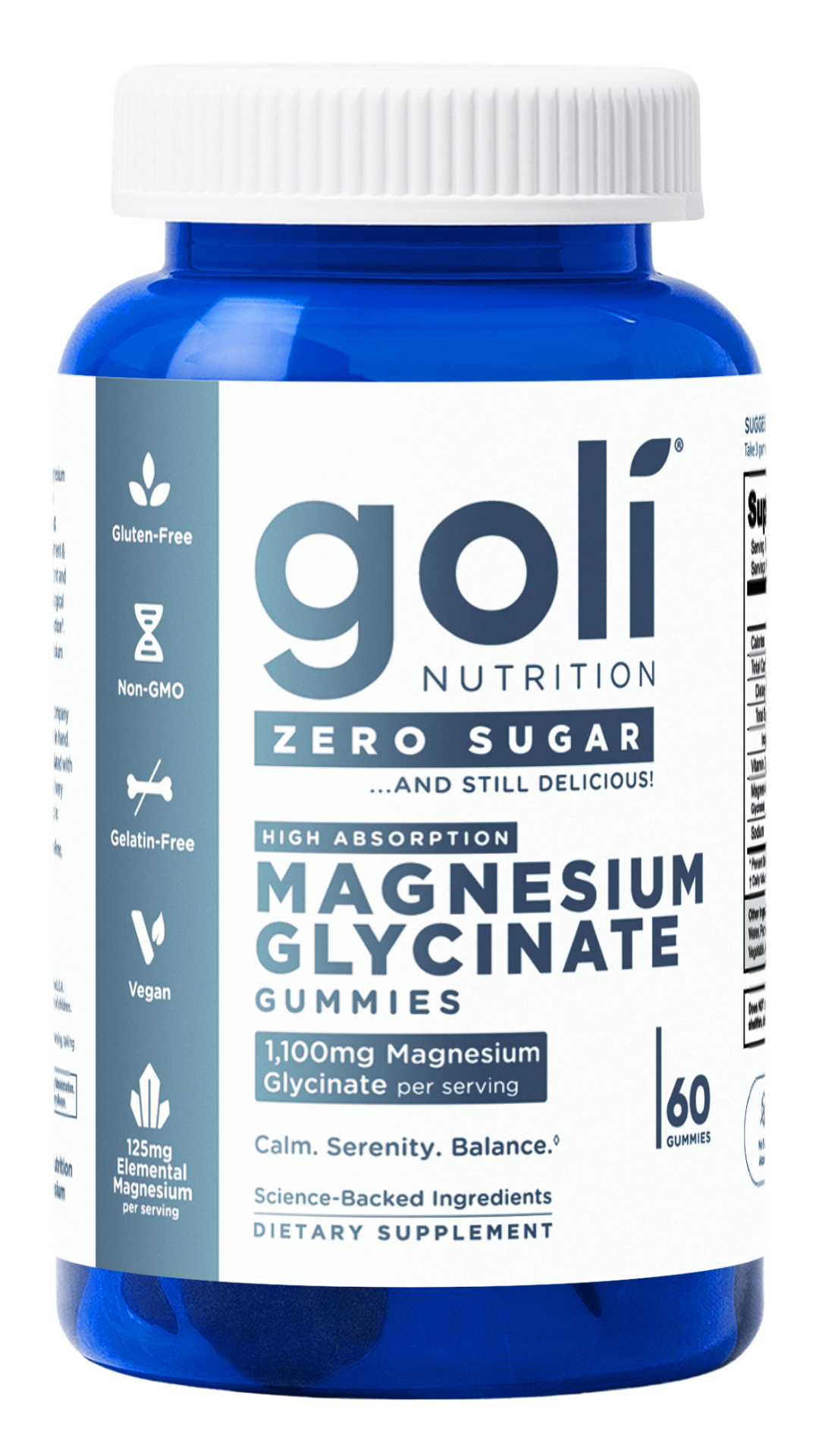
Goli Zero Sugar Magnesium Gummies 60ct
$17.98
How to Adjust Your Dose Practically — Starting Today
Step 1: Find your weight in kilograms.
Pounds ÷ 2.2 = kg. (180 lbs = 82 kg)
Step 2: Apply the mg/kg benchmarks.
- Magnesium: 6 mg × your kg = daily target
- Omega-3 (EPA+DHA combined): 20 mg × your kg = daily target
- Vitamin D: If BMI > 30, double the label dose and retest in 90 days
Step 3: Stay within upper tolerable limits.
The NIH sets the Tolerable Upper Intake Level (UL) for magnesium from supplements at 350 mg/day for healthy adults — note this refers to supplemental magnesium only, not total dietary intake. For vitamin D, the UL is 4,000 IU for most adults, with some clinical protocols going higher under physician supervision.
Step 4: Test, adjust, retest.
Blood testing for 25(OH)D (vitamin D) and red blood cell magnesium gives you actual data. Target ranges: vitamin D at 40–60 ng/mL; RBC magnesium at 5.2–6.5 mg/dL.
Step 5: Don't scale everything at once.
Adjust one supplement per 8-week cycle so you can isolate what's working.
Never run out.
Subscribe to any product and save 10% on your first order, 5% after. Pause or cancel anytime.
Subscribe & Save 10%Frequently Asked Questions
Q: Should children's doses also be adjusted by weight?
A: Yes — pediatric dosing is almost always weight-based, and many children's supplements already account for this. Always use age- and weight-appropriate children's formulas rather than scaling down adult products, as the excipients and forms differ significantly.
Q: Does height matter, or just weight?
A: Height alone matters little, but it contributes to body surface area calculations used in some clinical dosing protocols. For practical supplement adjustments at home, body weight in kilograms gives you 90% of the accuracy you need.
Q: If I lose significant weight, should I re-adjust my supplements?
A: Absolutely. A 40-pound weight loss meaningfully changes your magnesium and omega-3 targets. Vitamin D is particularly worth retesting, since reduced adipose tissue may raise circulating levels even if your dose stays the same.
Find the Right Supplement at Moore Vitamins
Getting your dose right starts with a high-quality product that delivers what the label says. Moore Vitamins carries Magnesium Glycinate 400 mg — one of the most bioavailable magnesium forms available, ideal as a starting point for weight-based titration.
Moore Vitamins ships same-day on orders placed before cutoff, and the Subscribe & Save option lets you lock in your adjusted dose on a schedule that matches your protocol — no scrambling when you run low.
Never miss a dose.
Evidence-based wellness guides like this one, in your inbox. No hype, no spam — unsubscribe anytime.