Fat-Soluble Vitamins and Timing: Why *When* You Take A, D, E & K Changes Everything
Quick Answer: Fat-soluble vitamins (A, D, E, and K) require dietary fat to be absorbed — taking them on an empty stomach or with a low-fat meal can reduce absorption by 30–50%. Take all four with your largest, fattiest meal of the day. Timing within that meal matters less than the fat content of the meal itself.
Does the Timing of Fat-Soluble Vitamins Actually Matter?
Yes — and it's one of the most overlooked variables in supplementation. Unlike water-soluble vitamins (B and C), which dissolve in water and absorb readily with or without food, vitamins A, D, E, and K are transported through your gut wall only when fat is present. Without fat, they pass through largely unabsorbed.
A 2015 study published in the Journal of the Academy of Nutrition and Dietetics found that vitamin D absorption increased by 32% when taken with a high-fat meal versus a fat-free meal. Similar dynamics apply to vitamins A, E, and K — they all depend on bile production, which your body only triggers in response to dietary fat.
The practical implication: the same supplement capsule, taken at different meals, can deliver dramatically different results. Getting this right costs you nothing but a habit change.
The Fat Threshold: How Much Fat Do You Actually Need?
You don't need a large amount of fat — but you do need some. Research suggests 10–15 grams of fat is the minimum threshold to trigger meaningful bile release and fat-soluble vitamin absorption.
Here's what that looks like in real food:
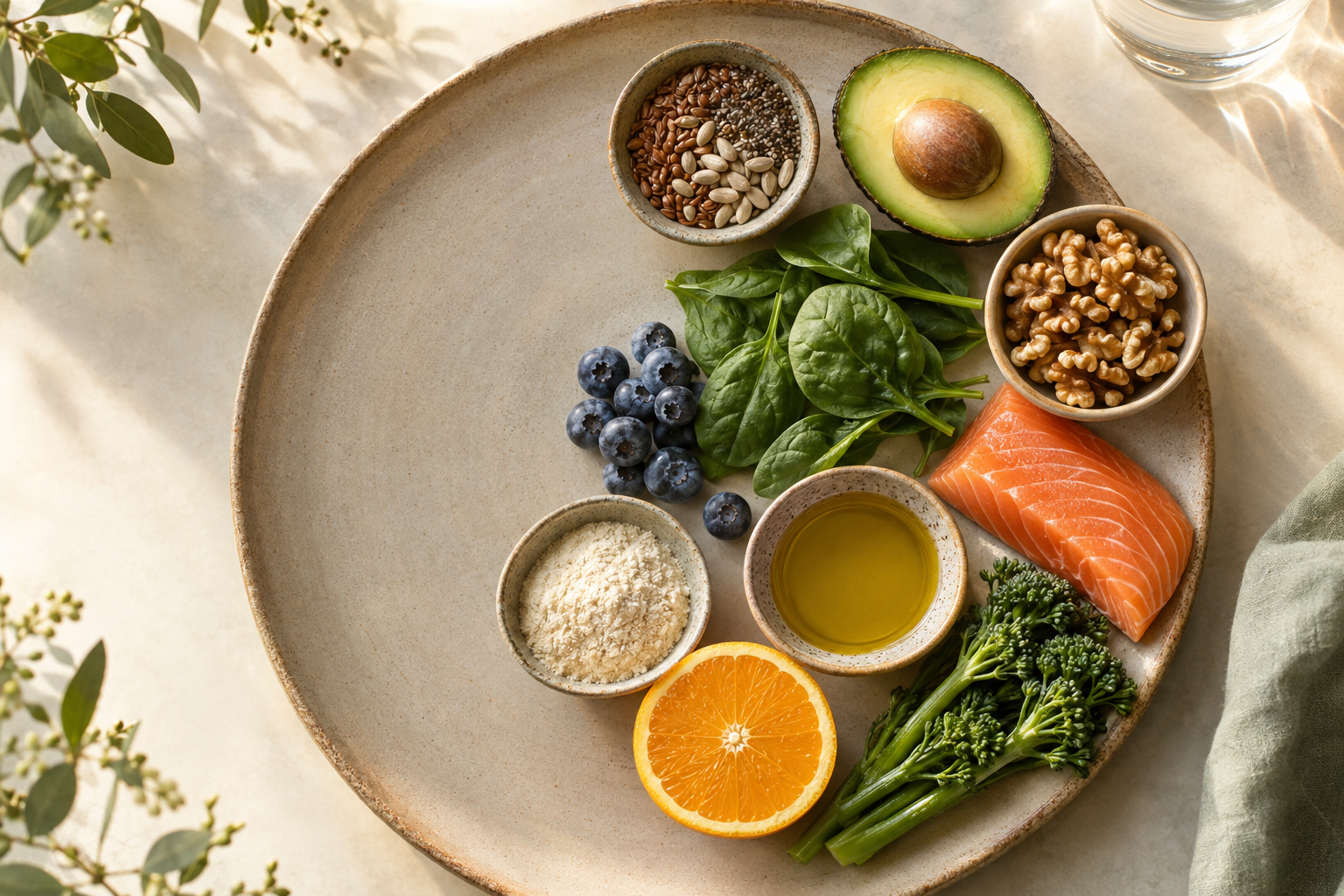
- 1 tablespoon of olive oil = ~14g fat ✅
- 1 whole egg = ~5g fat ❌ (not quite enough alone)
- A handful of almonds (~23 nuts) = ~14g fat ✅
- Half an avocado = ~15g fat ✅
- A protein shake with skim milk = ~1g fat ❌ (poor pairing)
- Full-fat Greek yogurt (6 oz) = ~8–10g fat ⚠️ (borderline)
The type of fat matters less than the amount. Saturated, monounsaturated, and polyunsaturated fats all stimulate bile secretion effectively. Don't stress over which fat to pair — stress over having enough of it.
Vitamin-by-Vitamin Timing Breakdown
Each fat-soluble vitamin has nuances beyond just "take with fat." Here's what matters for each:
Vitamin D
- Best timing: Largest meal of the day, typically lunch or dinner
- Key insight: Vitamin D is stored in fat tissue, so people with higher body fat may need larger doses to reach the same blood levels
- Avoid: Morning coffee and a fat-free breakfast — a common mistake
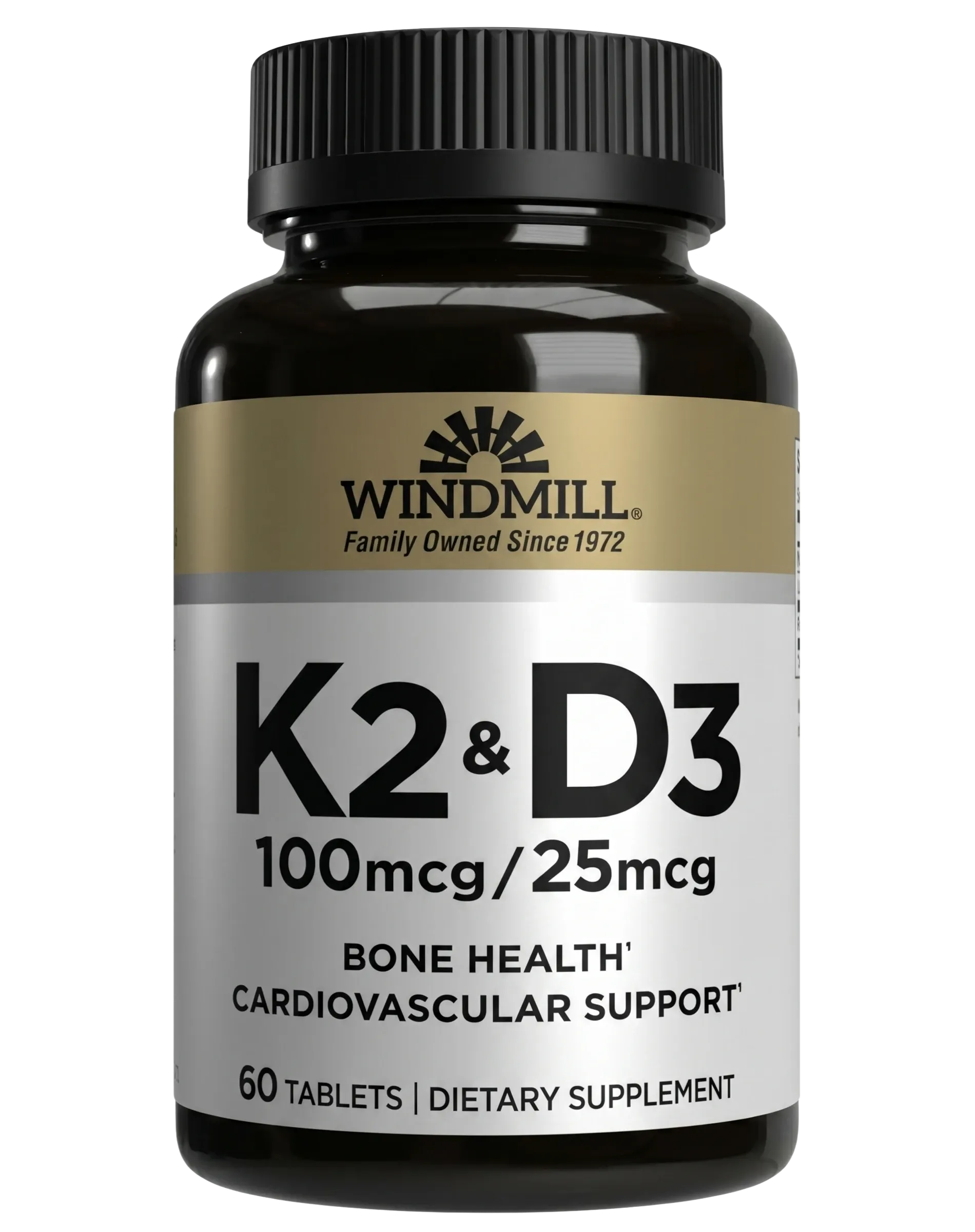
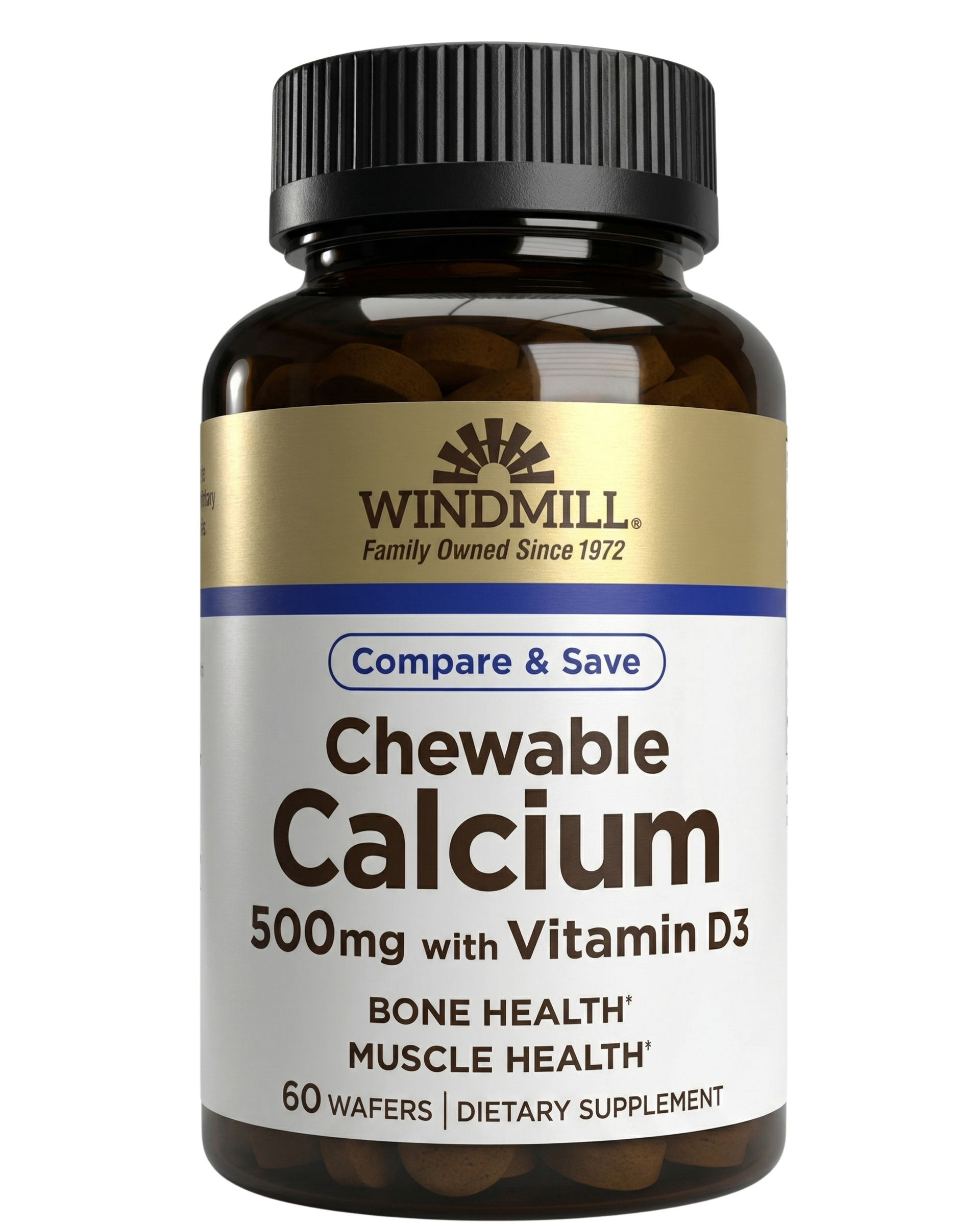
- Pairs well with: Vitamin K2 (MK-7 form) — the two work synergistically to direct calcium to bones, not arteries
Vitamin K (K1 and K2)
- Best timing: With any fat-containing meal; consistency matters more than clock time
- Key insight: K1 (phylloquinone) has about 10% bioavailability from food; K2 (MK-7 form) has a half-life of 72 hours, giving it more sustained action
- Critical warning: Vitamin K2 interacts with warfarin (Coumadin). If you take a blood thinner, consult your doctor before supplementing K2.
- Pairs well with: Vitamin D3 — they share a functional partnership in calcium metabolism
Vitamin A
- Best timing: With a fat-containing meal; avoid taking with very high-dose vitamin E (which may competitively inhibit absorption at megadoses)
- Key insight: Preformed vitamin A (retinol) from supplements is already bioavailable — your body doesn't need to convert it. Beta-carotene from food is a precursor and converts inefficiently (~12:1 ratio)
- Upper limit: 10,000 IU/day for adults. Unlike vitamin D, vitamin A toxicity from supplements is a real concern at sustained high doses
Related Product
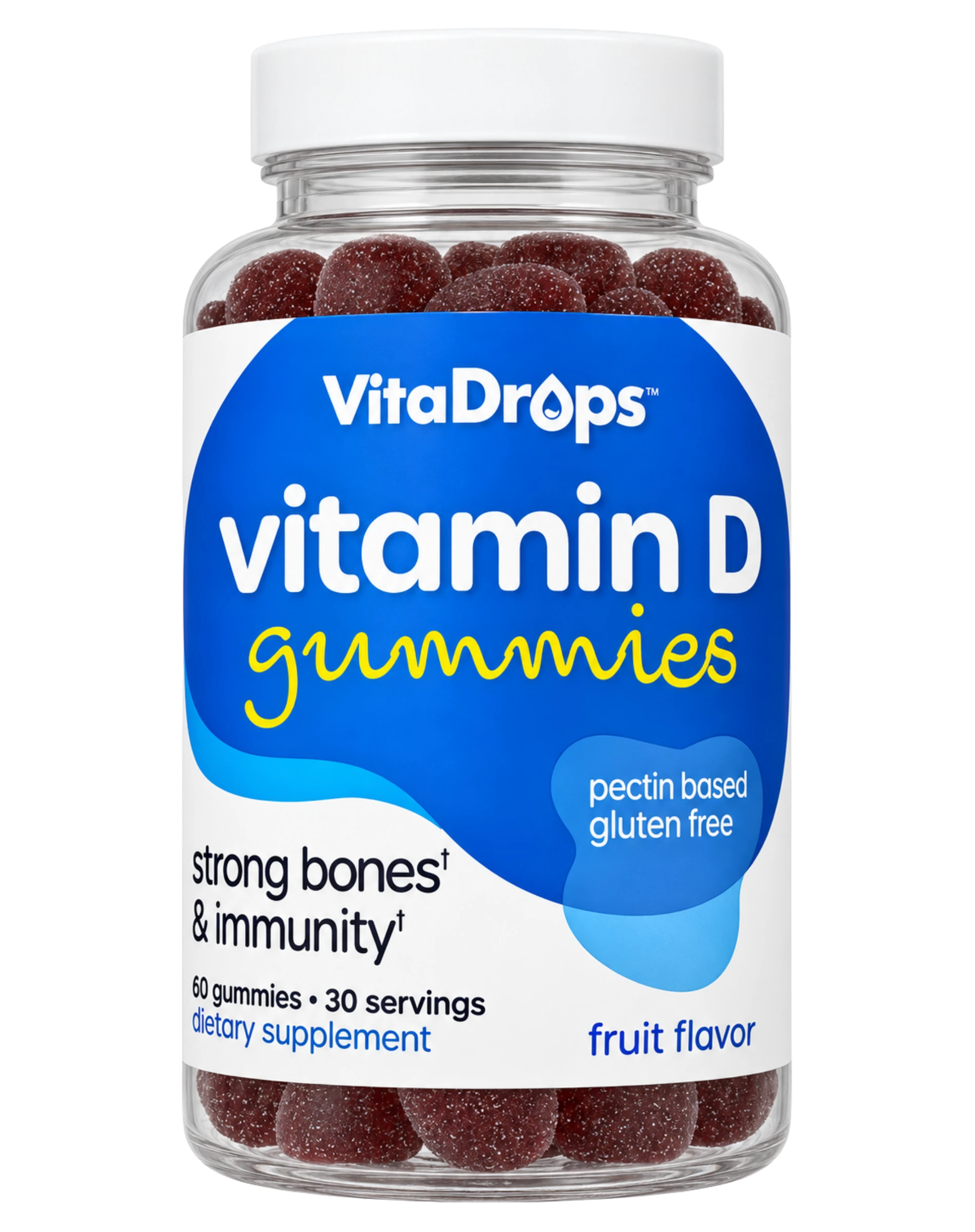
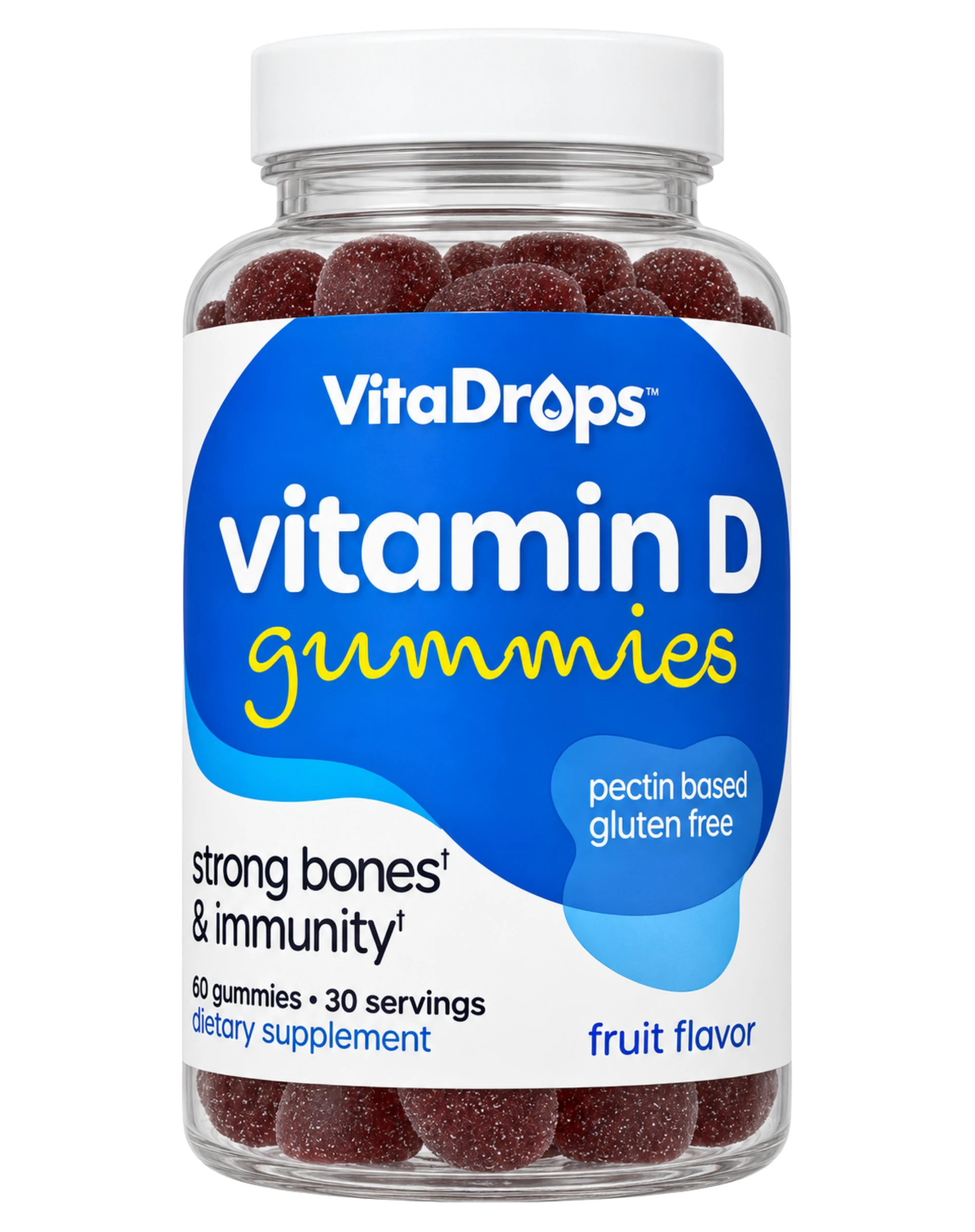
VitaDrops Vitamin D3 50 mcg (2000 IU) Gummies Fruit Flavor 60ct
$9.99
Vitamin E
- Best timing: With a fat-containing meal; morning or evening both work
- Key insight: Natural vitamin E (d-alpha-tocopherol) has roughly 2x the bioavailability of synthetic vitamin E (dl-alpha-tocopherol) — check your label
- Avoid: Splitting large doses of vitamin E with vitamin A supplements at the same time if both are at high doses
Common Mistakes People Make With Fat-Soluble Vitamins
- Taking them first thing in the morning with water only. No fat = minimal absorption. You've essentially wasted the dose.
- Using a fat-free breakfast as the "food" to satisfy label instructions. "Take with food" means take with fat-containing food.
- Assuming more is better. Vitamins A and D accumulate in the body. Chronic over-supplementation of vitamin A causes toxicity. Vitamin D toxicity, while rare, occurs at sustained doses above 10,000 IU/day without medical supervision.
- Ignoring the D3/K2 relationship. High-dose vitamin D3 increases calcium absorption. Without K2, that calcium may deposit in soft tissue instead of bone. The combo isn't optional at higher D3 doses — it's protective.
- Taking vitamin K without disclosing it to a prescribing physician. Even low doses of K2 can affect anticoagulant therapy.
How to Build the Habit: A Practical Daily Protocol
You don't need multiple dosing windows. Here's a clean, research-backed approach:
- Pick your largest meal. Lunch or dinner works best for most people — these meals naturally contain more fat than breakfast.
- Set a single supplement dose time. Take A, D, E, and K together at that meal. Fat-soluble vitamins don't compete meaningfully for absorption at normal supplemental doses.
- Confirm your meal has ≥10g fat. Add olive oil to a salad, eat a whole egg, or include a handful of nuts if your meal is borderline.
- Be consistent day-to-day. Because these vitamins are stored in fat tissue and the liver, daily timing precision matters far less than consistent daily intake. Missing a day is less damaging than consistently taking them at the wrong meal.
- Get baseline bloodwork. For vitamin D especially, supplementing blind is inefficient. A 25-hydroxyvitamin D blood test (often covered by insurance) tells you your actual starting point and tracks progress.
Never run out.
Subscribe to any product and save 10% on every order. Pause or cancel anytime.
Subscribe & Save 10%Frequently Asked Questions
Q: Can I take all four fat-soluble vitamins in one capsule or do they need to be separate?
A: Combination products work fine at standard doses. Vitamins A, D, E, and K don't meaningfully interfere with each other's absorption at normal supplemental levels. A combined product taken once daily with a fatty meal is a perfectly efficient approach.
Q: I take vitamin D at night — does that disrupt sleep?
A: Some people report sleep disruption from taking vitamin D in the evening, potentially due to its role in melatonin regulation. Research is limited, but if you notice poorer sleep after switching to nighttime D3, move it to lunch. Absorption is identical — timing is personal preference beyond the fat requirement.
Q: How long does it take to raise vitamin D levels after I start supplementing correctly?
A: Research suggests consistent daily supplementation (with fat) raises serum 25(OH)D levels measurably in 4–8 weeks, with levels stabilizing around 3 months. Starting levels, dose, body weight, and sun exposure all affect the timeline. Retest at 3 months to confirm.
Find the Right Supplement at Moore Vitamins
Moore Vitamins offers same-day fulfillment and a Subscribe & Save option — so you never miss a dose once you've dialed in your timing.
Never miss a dose.
Evidence-based wellness guides like this one, in your inbox. No hype, no spam — unsubscribe anytime.