Beyond Folic Acid: The 5 Pregnancy Supplements Most OBs Now Recommend (and 2 to Skip)
Quick Answer: The prenatal vitamin sitting on your nightstand is probably not enough — and two things in it may actively compete with each other. Current ACOG guidance calls out at least five nutrients as essential during pregnancy: folate (400–800 mcg before conception, 600 mcg throughout pregnancy), choline (450 mg/day — missing from roughly 90% of prenatal formulas), omega-3 DHA (200–300 mg/day), vitamin D (1,500–2,000 IU/day), and iron (27 mg/day). Meanwhile, mega-dose vitamin A above 10,000 IU and high-dose herbal blends carry documented fetal risk and belong nowhere near a pregnancy supplement stack. If you're pregnant or trying to conceive, what you add and what you drop matters more than most prenatal labels admit. This article gives you the full picture so you can have an informed conversation with your OB today.
What Does Current OB Guidance Actually Recommend During Pregnancy?
Most people associate prenatal supplementation with a single nutrient: folic acid. That's where the public health campaign started in the 1990s — and it worked. Neural tube defect rates dropped by roughly 35% after fortification mandates. But the science didn't stop there.
ACOG's most recent guidance (updated 2024–2025) now explicitly names choline, DHA, vitamin D, and iron alongside folate as nutrients that significantly impact fetal neurodevelopment, bone formation, and birth outcomes. The gap between what's in a standard prenatal pill and what the evidence supports is wider than most labels suggest.
The core issue: prenatal vitamins are regulated as dietary supplements, not drugs. Manufacturers have enormous latitude in what they include and at what dose. A $12 drugstore prenatal and a $45 clinical-grade formula can differ by 400% on key nutrients — legally.
The 5 Nutrients That Matter Most (With Specific Doses)
1. Folate — 600 mcg/day during pregnancy (800 mcg if prior neural tube defect history)
Choose methylfolate (5-MTHF) over synthetic folic acid if you carry an MTHFR gene variant — roughly 40% of the population has at least one copy. Methylfolate bypasses the conversion step that MTHFR variants disrupt.
2. Choline — 450 mg/day
This is the most under-discussed essential nutrient in prenatal care. Choline supports fetal brain development and may reduce neural tube defect risk independent of folate. A 2023 Cornell analysis found that 91% of prenatal vitamins on the market contain zero choline. Eggs (147 mg each), beef liver, and dedicated choline supplements are your main sources.
3. Omega-3 DHA — 200–300 mg/day
DHA accumulates in fetal brain tissue during the third trimester at a rate of approximately 67 mg/day. Low maternal DHA is associated with shorter gestation and lower birth weight. Most standard prenatals include little or none. A dedicated algae-based or fish oil DHA supplement is typically required to hit this target — especially for vegetarians and vegans.
4. Vitamin D — 1,500–2,000 IU/day
Studies published in the American Journal of Clinical Nutrition found that 41% of pregnant women are vitamin D deficient at the time of delivery. Deficiency is linked to gestational diabetes, preterm birth, and impaired fetal bone mineralization. The standard prenatal provides 400 IU — a dose set in the 1940s and widely considered inadequate by current research standards.
5. Iron — 27 mg/day
Blood volume increases by up to 50% during pregnancy. Iron demand spikes accordingly. Many women enter pregnancy with borderline stores and become frankly deficient by the second trimester. Iron is one nutrient most standard prenatals do include at the right dose — but absorption is significantly reduced when taken with calcium. Take them at least 2 hours apart.
Common Mistakes Pregnant Women (and Their Doctors) Miss
- Taking iron and calcium at the same time. Calcium blocks iron absorption by up to 60% at equivalent doses. Schedule them separately — iron with vitamin C to enhance absorption, calcium at a different meal.
- Assuming "prenatal vitamin" means "complete." It legally means very little. Check the label for choline and DHA specifically — if they're absent, supplement separately.
- Relying on synthetic folic acid without knowing MTHFR status. If you've had a prior miscarriage or neural tube defect pregnancy, ask your OB about MTHFR testing and methylfolate supplementation.
- Adding herbal supplements without flagging them. Ginger at culinary doses is fine for nausea. But raspberry leaf, black cohosh, dong quai, and high-dose ginseng have uterine-stimulating properties and zero safety data in controlled human pregnancy trials. Avoid them.
- Mega-dosing vitamin A (retinol). Above 10,000 IU/day of preformed vitamin A (retinol — not beta-carotene), the evidence for teratogenicity is strong. Check your prenatal label. Beta-carotene is safe; retinol above that threshold is not.
What to Actually Do — A Practical Supplement Checklist
Step 1: Audit your current prenatal label.
Write down the doses of: folate/folic acid, choline, DHA, vitamin D, and iron. Compare each to the targets above. Note the gaps.
Related Product
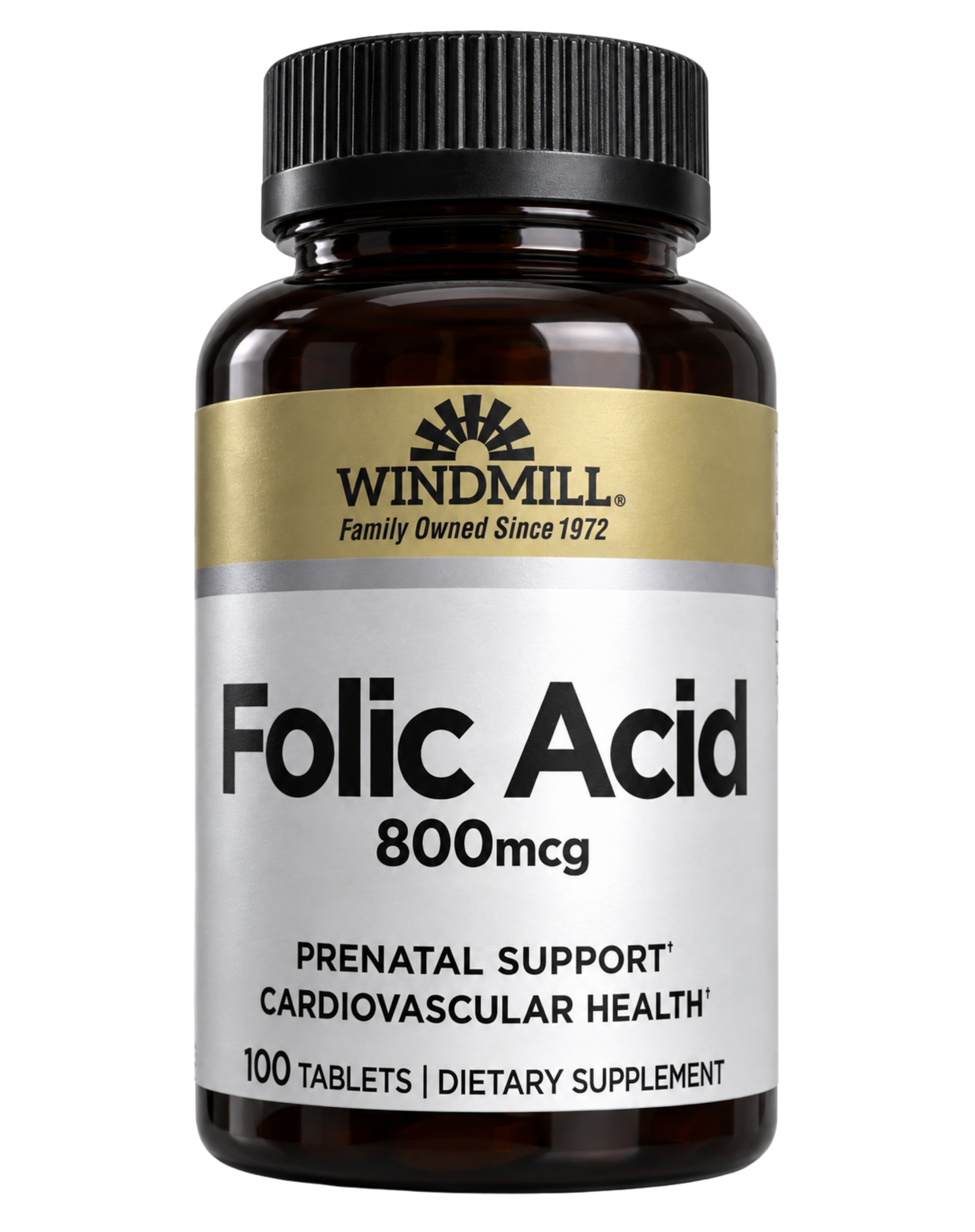
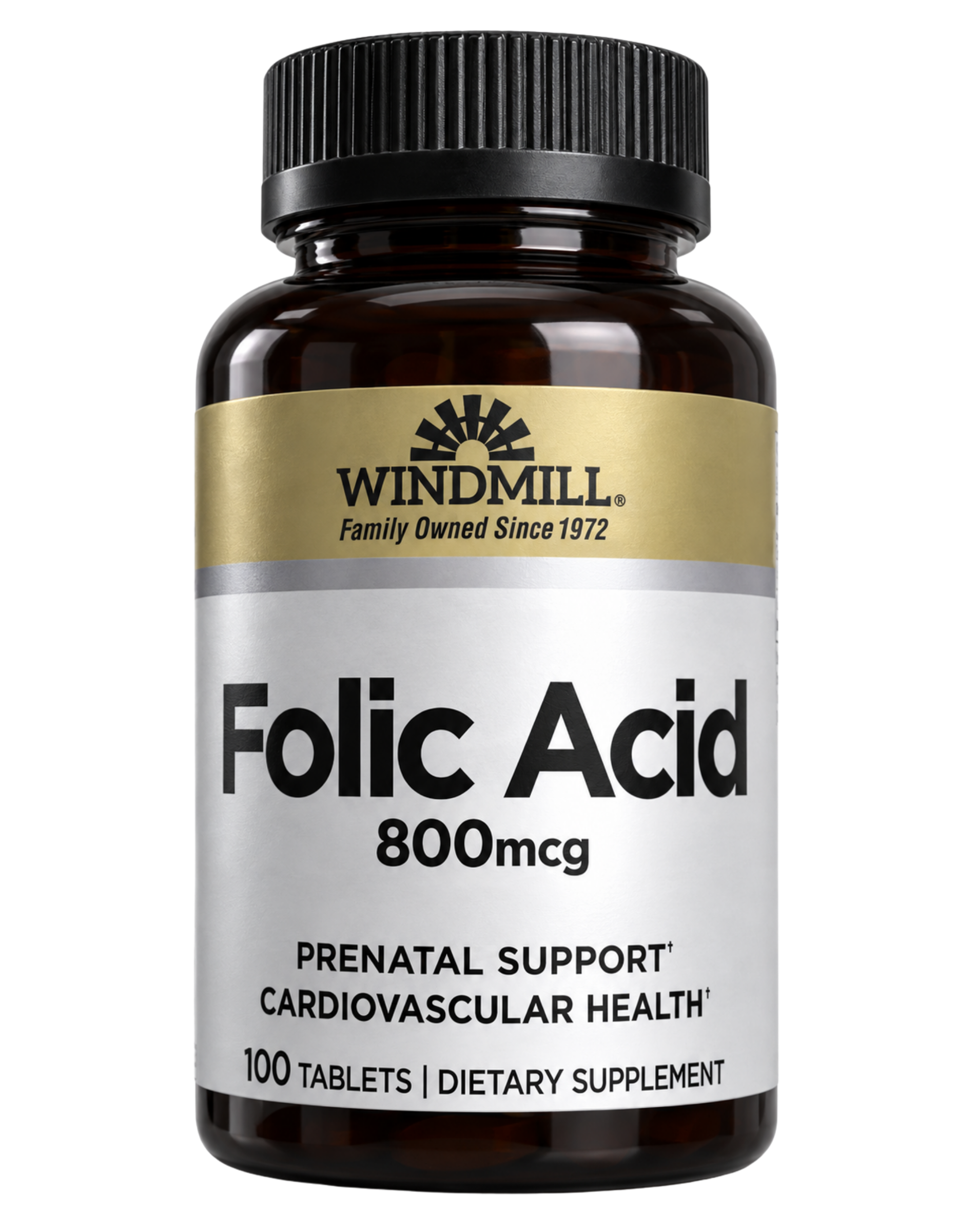
Windmill Folic Acid 800mcg Prenatal Support Tablets 100ct
$8.99
Step 2: Add a dedicated DHA supplement if your prenatal lists under 200 mg.
Choose algae-based DHA for the cleanest, most contaminant-free source — particularly important during pregnancy.
Step 3: Add choline if your prenatal has none.
A standalone choline supplement (bitartrate or CDP-choline) or consistent daily egg consumption can close this gap. Aim for 450 mg total from all sources.
Step 4: Discuss vitamin D with your OB and ask for a 25-OH vitamin D blood test.
This is the most personalized decision in the stack. Your baseline level determines your target dose. Most supplementing pregnant women need 1,500–2,000 IU/day to maintain sufficiency (>40 ng/mL).
Step 5: Separate iron and calcium dosing deliberately.
Take iron in the morning with a small amount of orange juice (vitamin C boosts absorption). Take calcium in the evening with dinner.
Step 6: Drop anything herbal, unlabeled, or above 10,000 IU of retinol vitamin A.
When in doubt, the rule is simple: if you wouldn't show it to your OB, don't take it.
Frequently Asked Questions
Never run out.
Subscribe to any product and save 10% on every order. Pause or cancel anytime.
Subscribe & Save 10%Q: When should I start taking prenatal supplements — only after a positive test?
A: Ideally 3 months before conception. Neural tube closure happens between days 21–28 of pregnancy — often before a woman knows she's pregnant. Folate and choline need to be on board before that window closes.
Q: Can I get too much of any prenatal nutrient?
A: Yes. Iron above 45 mg/day causes gastrointestinal distress and, in rare cases, toxicity. Preformed vitamin A (retinol) above 10,000 IU/day is teratogenic. Fat-soluble vitamins (A, D, E, K) accumulate — don't stack multiple supplements without checking total doses across all products you're taking.
Q: Is there a meaningful difference between methylfolate and folic acid for most women?
A: For women without MTHFR variants, both are effective. For the estimated 10–15% of women with the homozygous MTHFR C677T variant (which significantly impairs folate conversion), methylfolate is clearly superior. Testing is inexpensive and available through most primary care providers.
Find the Right Supplement at Moore Vitamins
Building a complete pregnancy supplement stack is easier when you don't have to hunt across multiple brands. Moore Vitamins offers same-day fulfillment and a Subscribe & Save option so you never run out of a critical prenatal nutrient mid-trimester.
Browse current pregnancy-support options and talk to your OB about which gaps your current prenatal leaves open — then fill exactly those gaps, at the right doses, with the right forms.
Never miss a dose.
Evidence-based wellness guides like this one, in your inbox. No hype, no spam — unsubscribe anytime.