Apple Cider Vinegar Gummies: What the Research Actually Shows
The $1.5 Billion Question
Apple cider vinegar gummies are one of the fastest-growing supplement categories in the world. Goli alone has sold over 15 billion gummies since launch. But what does the actual research say — not the marketing, not the influencer posts — about whether these work?
We reviewed 12 clinical studies to give you a straight answer.
What Is Apple Cider Vinegar, Actually?
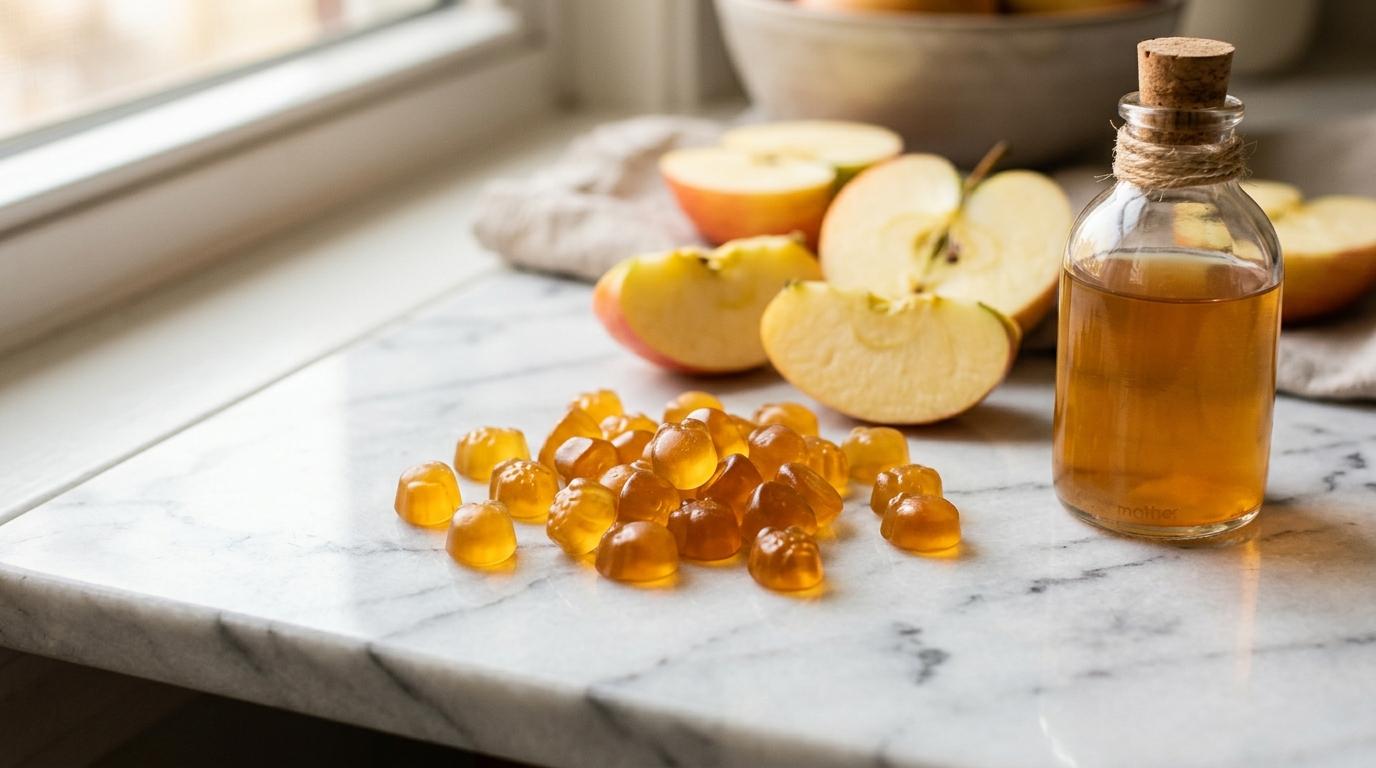
ACV is fermented apple juice. Crushed apples are combined with yeast, which converts the sugars to alcohol. Then bacteria (Acetobacter) convert the alcohol to acetic acid — the active compound that gives vinegar its sour taste and is responsible for most of the studied health effects.
Standard ACV contains about 5-6% acetic acid. Most ACV gummies contain 500mg of ACV per serving, equivalent to roughly 25mg of acetic acid.
What the Research Supports
Blood Sugar Management — Strongest Evidence
This is the most well-supported benefit of ACV. A 2017 systematic review in Diabetes Research and Clinical Practice analyzed 11 clinical trials and found that vinegar consumption with meals reduced post-meal blood glucose by an average of 15-25%.
The mechanism is well understood: acetic acid slows gastric emptying and inhibits disaccharide enzymes in the small intestine, which delays carbohydrate digestion and blunts the glucose spike after eating.
Important caveat: Most studies used liquid ACV (1-2 tablespoons), not gummies. The acetic acid content in a typical gummy serving (500mg ACV) is significantly less than in 1 tablespoon of liquid ACV. A 2024 study published in the Journal of the American Nutrition Association found that while liquid ACV reduced post-meal glucose by 20%, the effect from capsule/gummy forms was smaller and less consistent.
Weight Management — Moderate Evidence
A widely cited 2009 Japanese study in Bioscience, Biotechnology, and Biochemistry found that participants who consumed 1-2 tablespoons of vinegar daily lost 2-4 pounds more than the placebo group over 12 weeks. The mechanism appears to be increased satiety (feeling fuller) and a modest boost to fat oxidation.
A widely publicized 2024 trial in BMJ Nutrition, Prevention & Health on Lebanese adolescents and young adults initially reported dramatic weight loss from 15ml of ACV daily over 12 weeks — but that paper was retracted by the publisher in 2025 after reviewers identified implausible data, statistical irregularities, and an unregistered trial protocol. Its findings should not be treated as reliable evidence. For those looking to support their weight management journey, consider exploring our GLP-1 Support Metabolic Health formula as part of a comprehensive approach.
The honest take: ACV may provide a modest metabolic assist, but the effect size is small — we're talking 1-2 pounds over three months, not a dramatic transformation. It works as a complement to diet and exercise, not a replacement.
Digestive Health — Limited but Promising
ACV has prebiotic properties due to pectin from the apple fermentation. Research published in the Journal of Medicinal Food suggests that fermented apple products may support beneficial gut bacteria growth. However, most gummies undergo processing that may reduce pectin content. For comprehensive digestive support, you might also consider pairing ACV with our Daily Probiotic Digestive Health supplement.
Antimicrobial Properties — In Lab Settings Only
ACV does have antimicrobial effects in laboratory studies (Letters in Applied Microbiology, 2018). It can inhibit E. coli, Staphylococcus aureus, and Candida. However, these results are from petri dishes, not human trials. Drinking ACV or taking gummies does not replicate the direct-contact conditions of a lab experiment.
What the Research Does NOT Support
- "Detoxing" your body — Your liver and kidneys handle detoxification. ACV does not accelerate this process.
- Curing acid reflux — Despite anecdotal claims, there are no clinical trials supporting ACV for GERD. ACV is acidic and may worsen symptoms in some people.
- Lowering blood pressure — One 2001 animal study showed blood pressure reduction in rats, but no human trials have replicated this.
- Cancer prevention — Some in-vitro studies show acetic acid affecting cancer cells, but this has zero clinical relevance to consuming ACV.
Gummies vs. Liquid ACV: Does the Format Matter?
Yes, it matters. Liquid ACV typically provides 750-1500mg of acetic acid per tablespoon. Gummies typically provide 25-50mg of acetic acid per serving. That's a 15-30x difference.
On the other hand, liquid ACV:
- Erodes tooth enamel with repeated exposure (Clinical Laboratory, 2014)
- Can cause throat irritation
- Tastes terrible (which is why gummies exist)
If blood sugar management is your primary goal, liquid ACV has stronger evidence. If you want the convenience and general wellness support without the downsides, gummies are a reasonable choice — just set realistic expectations about the dose difference.
How to Choose a Quality ACV Gummy
Related Product
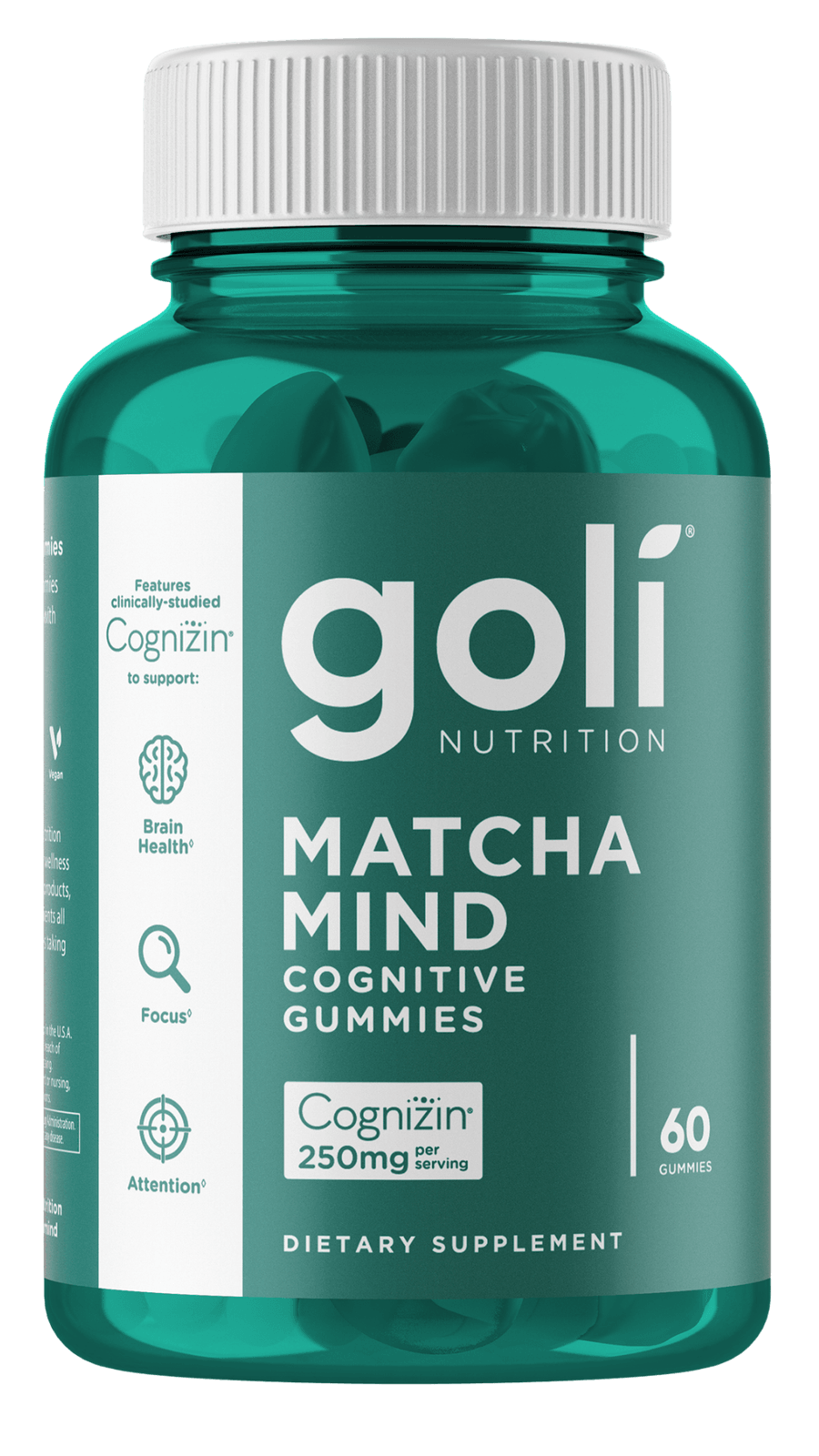
Goli Matcha Mind Cognitive Gummies 60ct
$14.98
- Check the ACV content per serving — Look for at least 500mg of apple cider vinegar per serving, ideally with "the mother" (the colony of beneficial bacteria from fermentation)
- Watch the sugar — Some brands add 4-8g of sugar per serving, which partially defeats the purpose for blood sugar support. Look for brands using minimal added sugars
- Third-party testing — GMP certification ensures consistent quality and purity
- Added nutrients — Some formulas include B12, folic acid, or beetroot. These can add value but check that the doses are meaningful, not just label decoration
Our Goli Apple Cider Vinegar Gummies contain 500mg of ACV with added B9, B12, and beetroot, with less sugar than most competitors. For those looking for an even lower sugar option, we also carry Goli Zero Sugar ACV+ Gummies.
FAQ
How long does it take for ACV gummies to work?
For blood sugar effects, studies show results within a single meal when consumed 15-20 minutes before eating. For weight management effects, the Japanese study showed measurable differences after 4-8 weeks of consistent daily use. Don't expect overnight results.
Can ACV gummies interact with medications?
Yes. ACV can interact with diabetes medications (by further lowering blood sugar), diuretics (by affecting potassium levels), and digoxin. If you take prescription medications, consult your doctor before adding ACV to your routine.
How many ACV gummies should I take per day?
Follow the label directions — typically 1-2 gummies, 1-3 times daily. More is not better. Excessive vinegar consumption can lower potassium levels and affect bone density over time (Netherlands Journal of Medicine, 2009).
Do ACV gummies break a fast?
Never run out.
Subscribe to any product and save 10% on your first order, 5% after. Pause or cancel anytime.
Subscribe & Save 10%Most ACV gummies contain 2-4g of sugar and 10-15 calories per serving. While the caloric impact is minimal, the sugar technically breaks a strict fast. If you're doing intermittent fasting, liquid ACV (zero calories) is the better choice during your fasting window.
Are ACV gummies safe for everyone?
Generally safe for most adults, but avoid them if you have gastroparesis (delayed stomach emptying), active peptic ulcers, or severe GERD. Pregnant women should consult their healthcare provider first.
The Bottom Line
ACV gummies are not a miracle supplement, but they're not snake oil either. The blood sugar evidence is real (though stronger for liquid form). The weight management evidence is modest but legitimate. The digestive health evidence is early but promising.
Set realistic expectations: ACV gummies may provide a small metabolic edge as part of a healthy routine. They won't replace good nutrition, exercise, or sleep. To explore our full range of wellness supplements, browse our complete collection.
Shop the Products Mentioned
These statements have not been evaluated by the Food and Drug Administration. These products are not intended to diagnose, treat, cure, or prevent any disease.
Keep Reading
Never miss a dose.
Evidence-based wellness guides like this one, in your inbox. No hype, no spam — unsubscribe anytime.