Do Probiotics Actually Work? What Science Says in 2026
Moore Vitamins Wellness Team
The $7 Billion Question: Do Probiotics Live Up to the Hype?
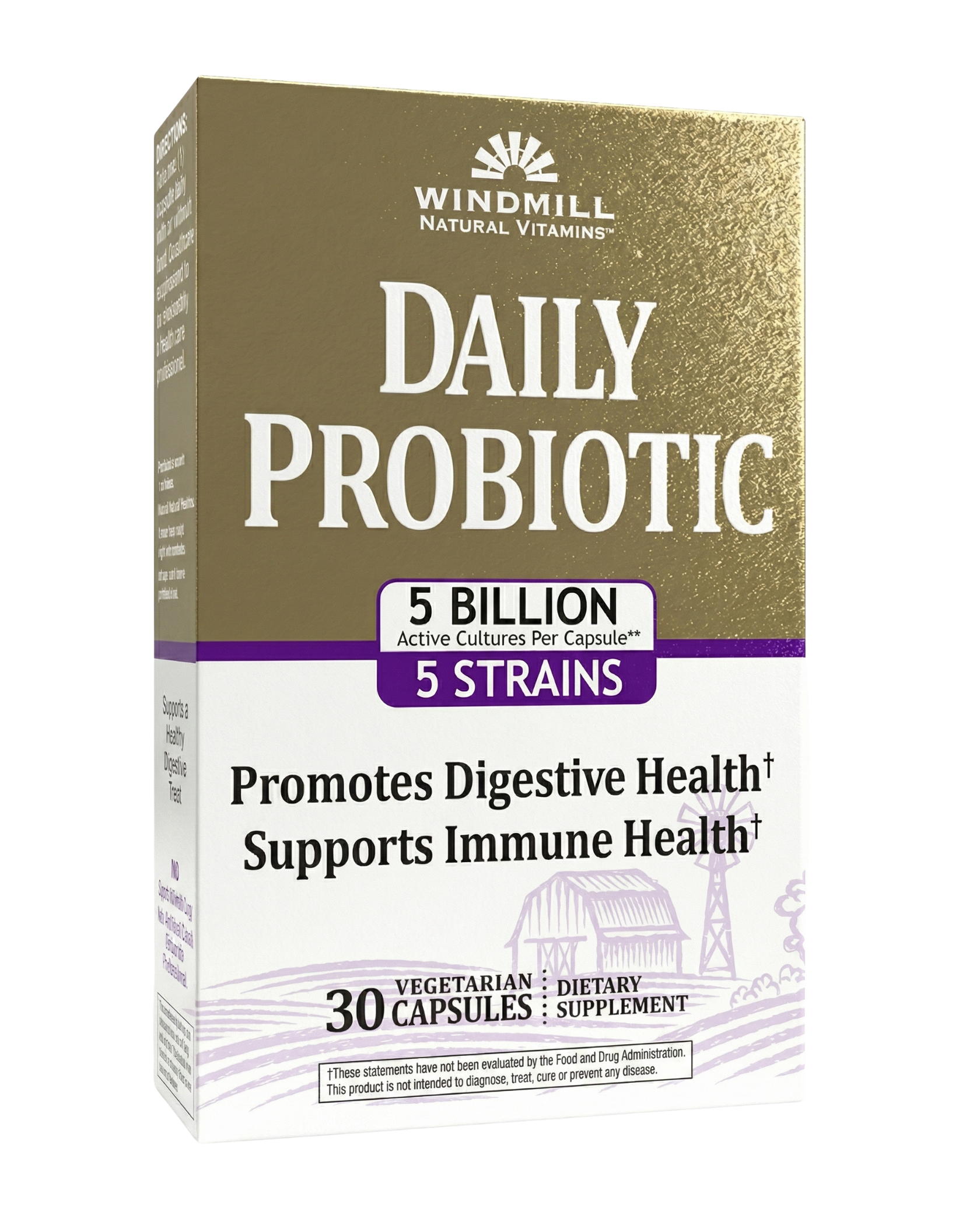
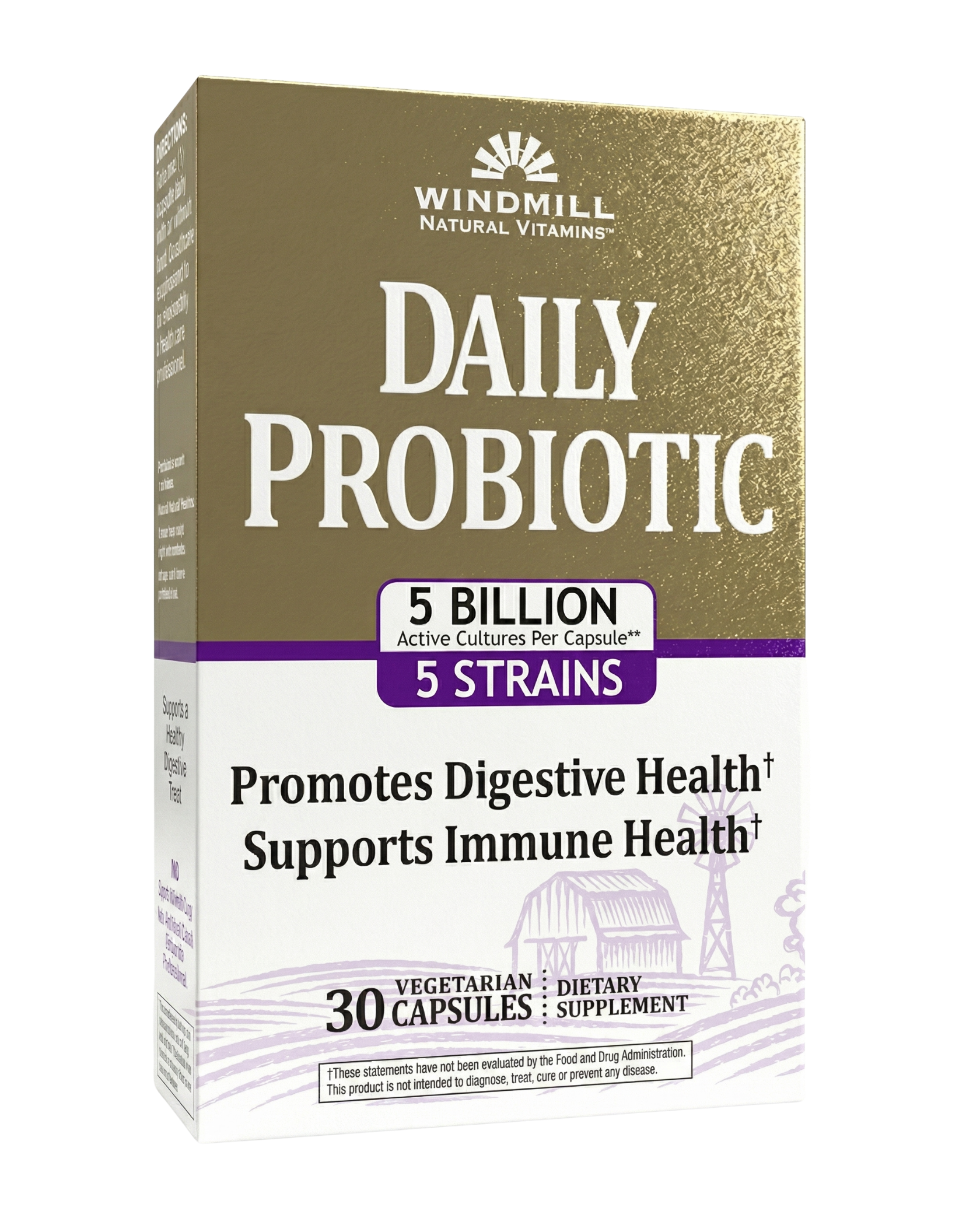
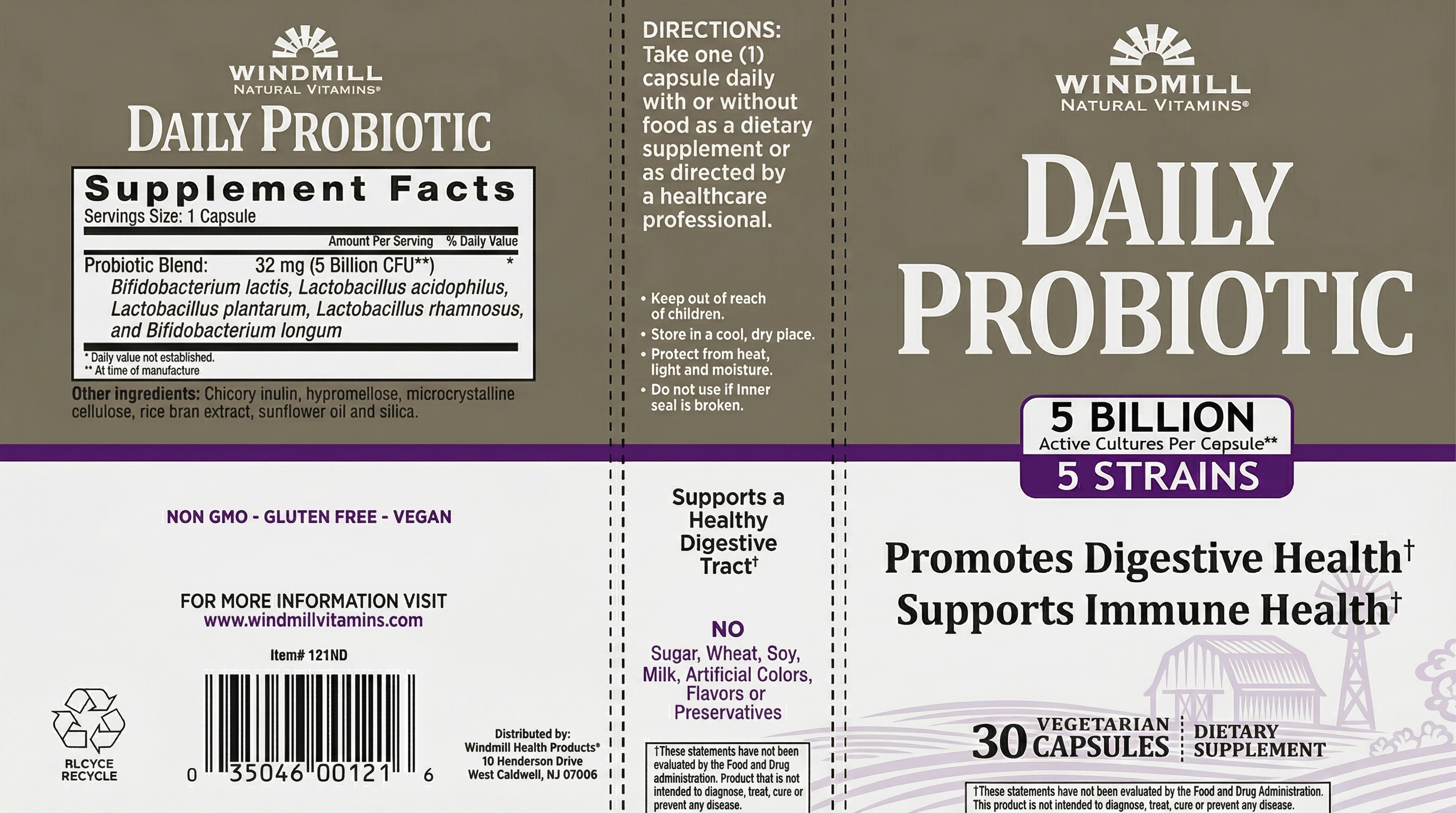
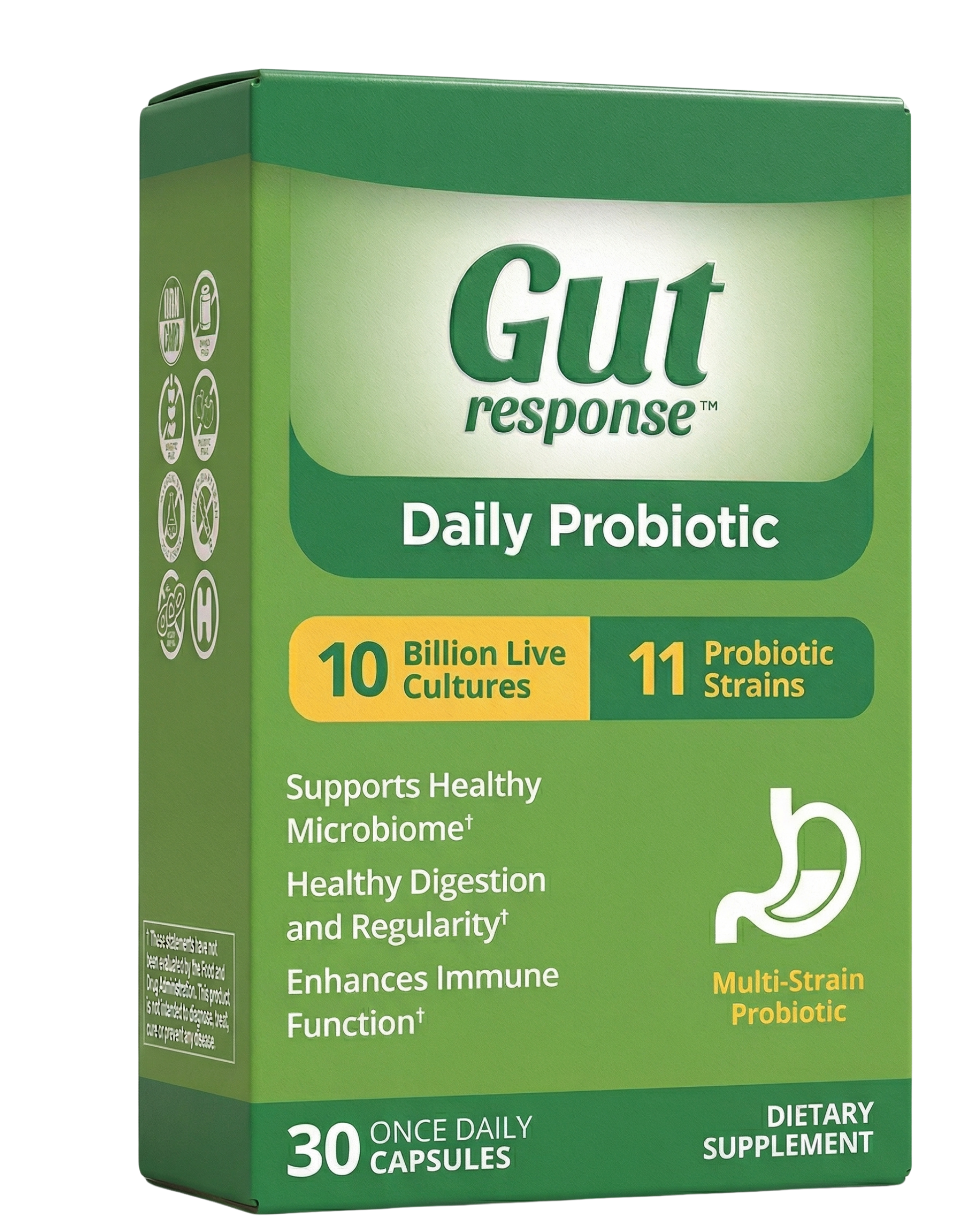
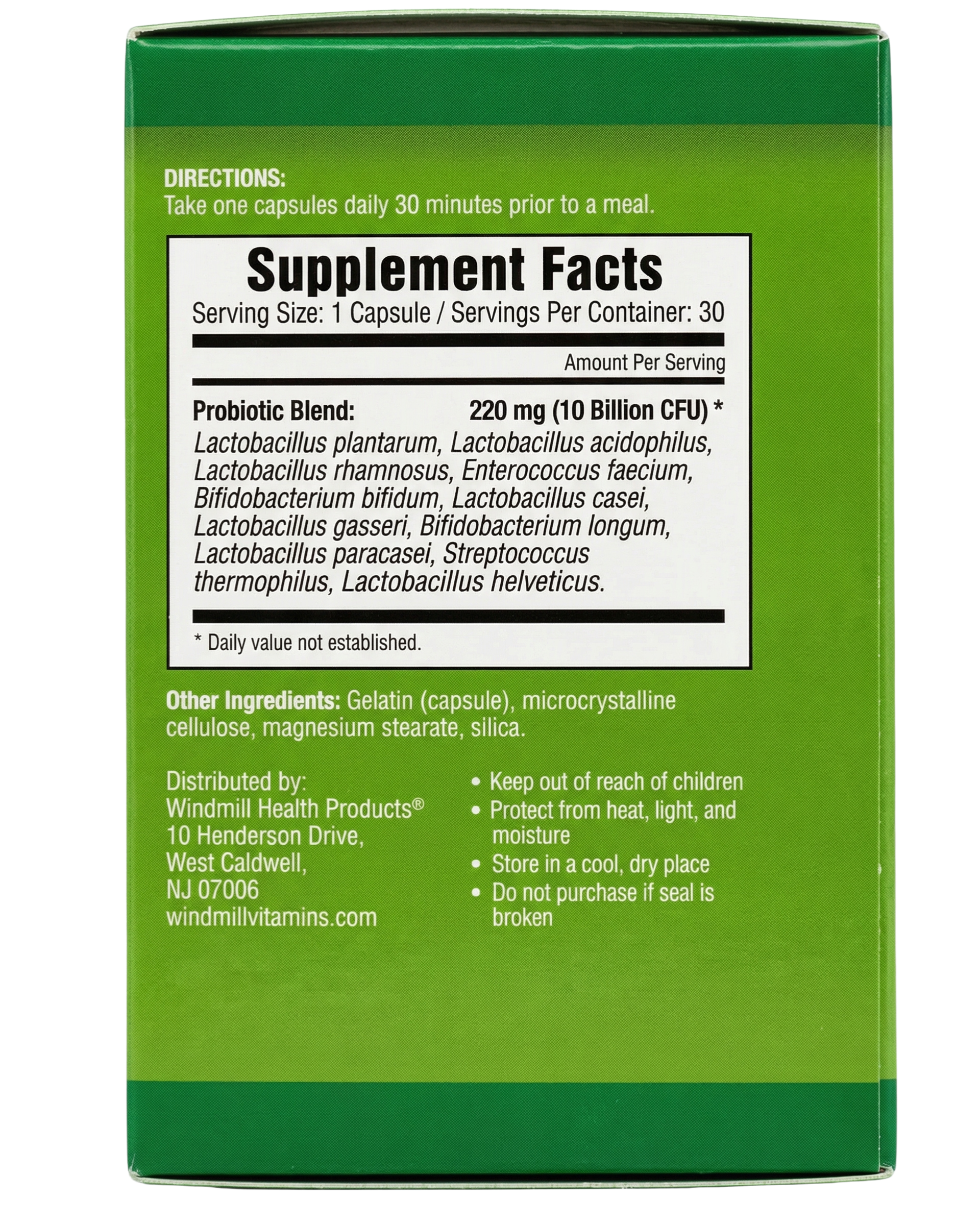
Daily Probiotic Digestive Health
$9.99
Walk into any health store and you'll find shelves lined with probiotic supplements promising to fix everything from bloating to brain fog. The global probiotic market hit $7 billion in 2025, fueled by bold claims about gut health transformation.
But here's what the supplement industry doesn't want you to know: most probiotic research is far messier than the marketing suggests.
The science isn't black and white. Some benefits have solid evidence. Others are pure wishful thinking.
What the Research Actually Shows
The evidence for probiotics varies wildly depending on what you're trying to fix.
Digestive issues show the strongest support. Multiple studies demonstrate that specific probiotic strains can reduce symptoms of irritable bowel syndrome (IBS). A 2024 meta-analysis found that certain Lactobacillus and Bifidobacterium strains reduced IBS symptoms by 20-30% compared to placebo.
Antibiotic-associated diarrhea is another win. Research consistently shows probiotics can cut your risk of developing diarrhea while taking antibiotics by roughly half.
Immune function claims are shakier. Some studies suggest regular probiotic use might reduce cold frequency, but the effects are modest. We're talking about maybe one less cold per year, not a superhuman immune system.
Mental health benefits remain promising but preliminary. The gut-brain connection is real, but most studies on "psychobiotics" are small and short-term. The evidence isn't strong enough to replace proven mental health treatments.
Weight loss claims are mostly nonsense. Despite what Instagram influencers claim, probiotics won't melt away stubborn belly fat. The research shows minimal weight loss effects at best.
The Strain Game Changes Everything
Here's where most people get probiotics wrong: not all strains are created equal.
Lactobacillus rhamnosus GG works differently than Bifidobacterium longum. Different strains target different health issues. Taking a random "kitchen sink" probiotic with 15 different strains isn't necessarily better.
The most researched strains include:
- Lactobacillus rhamnosus GG for digestive health
- Bifidobacterium bifidum for immune support
- Lactobacillus acidophilus for general gut health
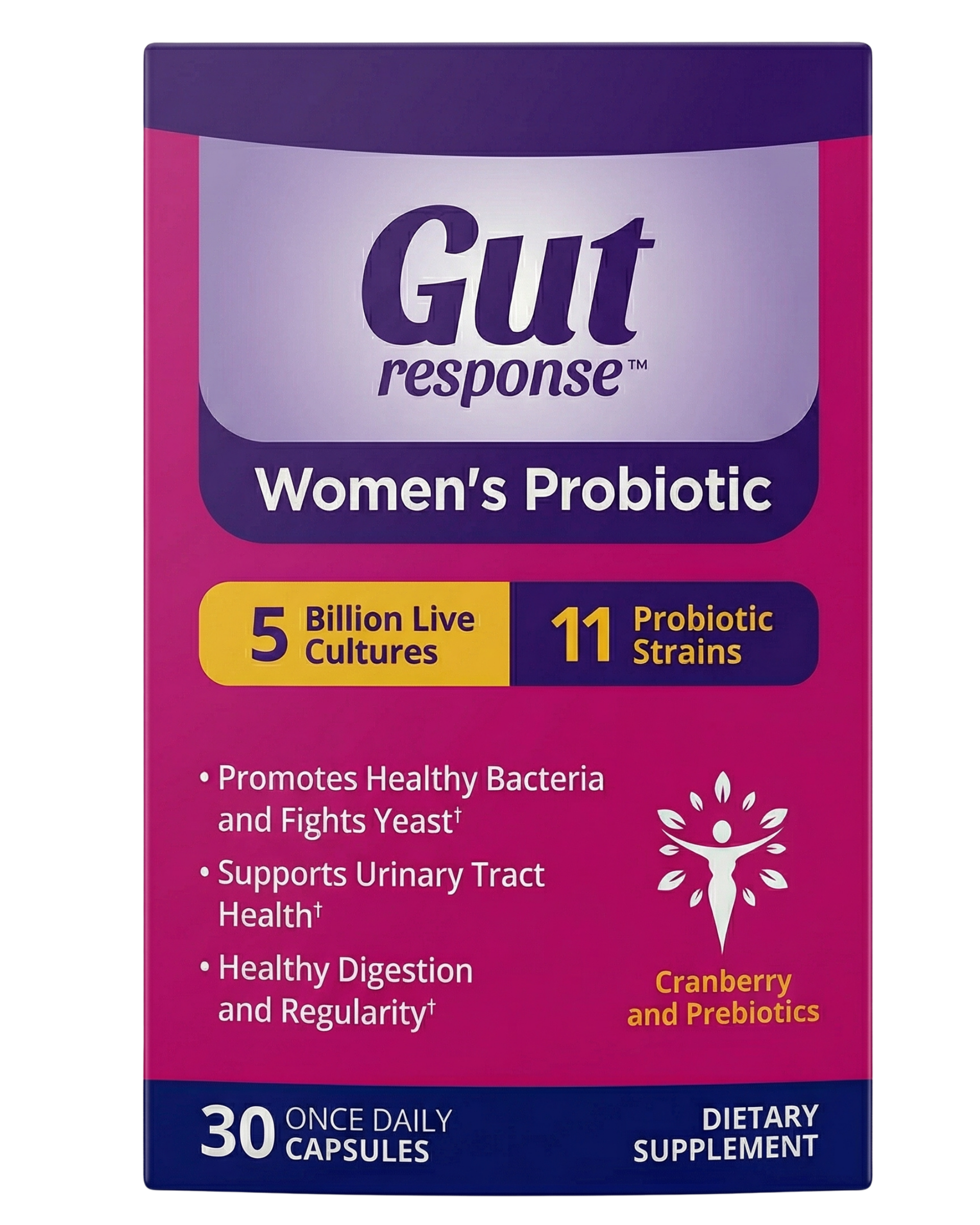
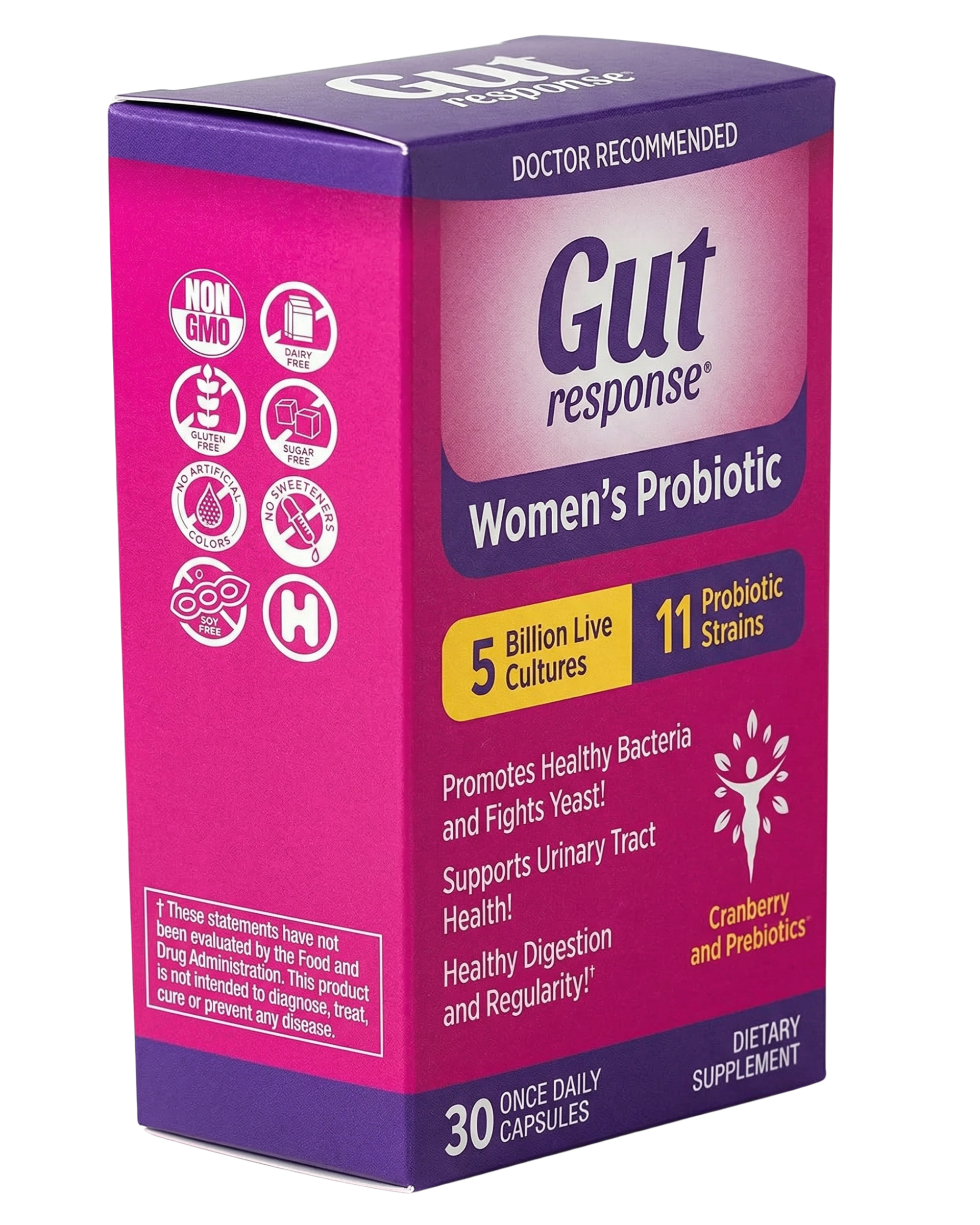
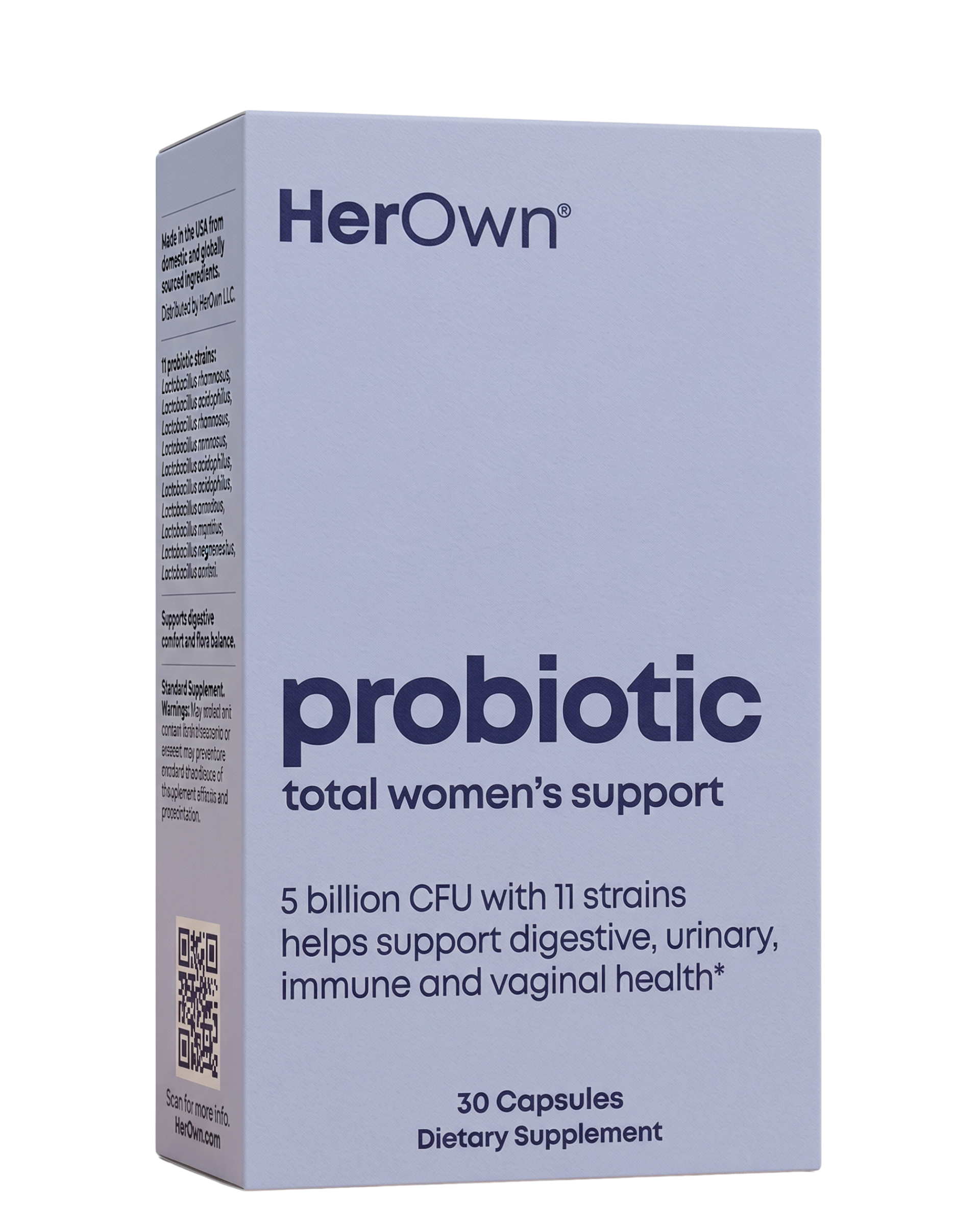
Many cheap probiotics use strains with zero research backing. You're essentially gambling with your money.
CFU counts (colony-forming units) matter, but bigger isn't always better. Most effective studies use between 1-10 billion CFUs. Those 100 billion CFU mega-dose supplements are often overkill.
What to Look For When Buying
Never run out.
Subscribe to any product and save 10% on every order. Pause or cancel anytime.
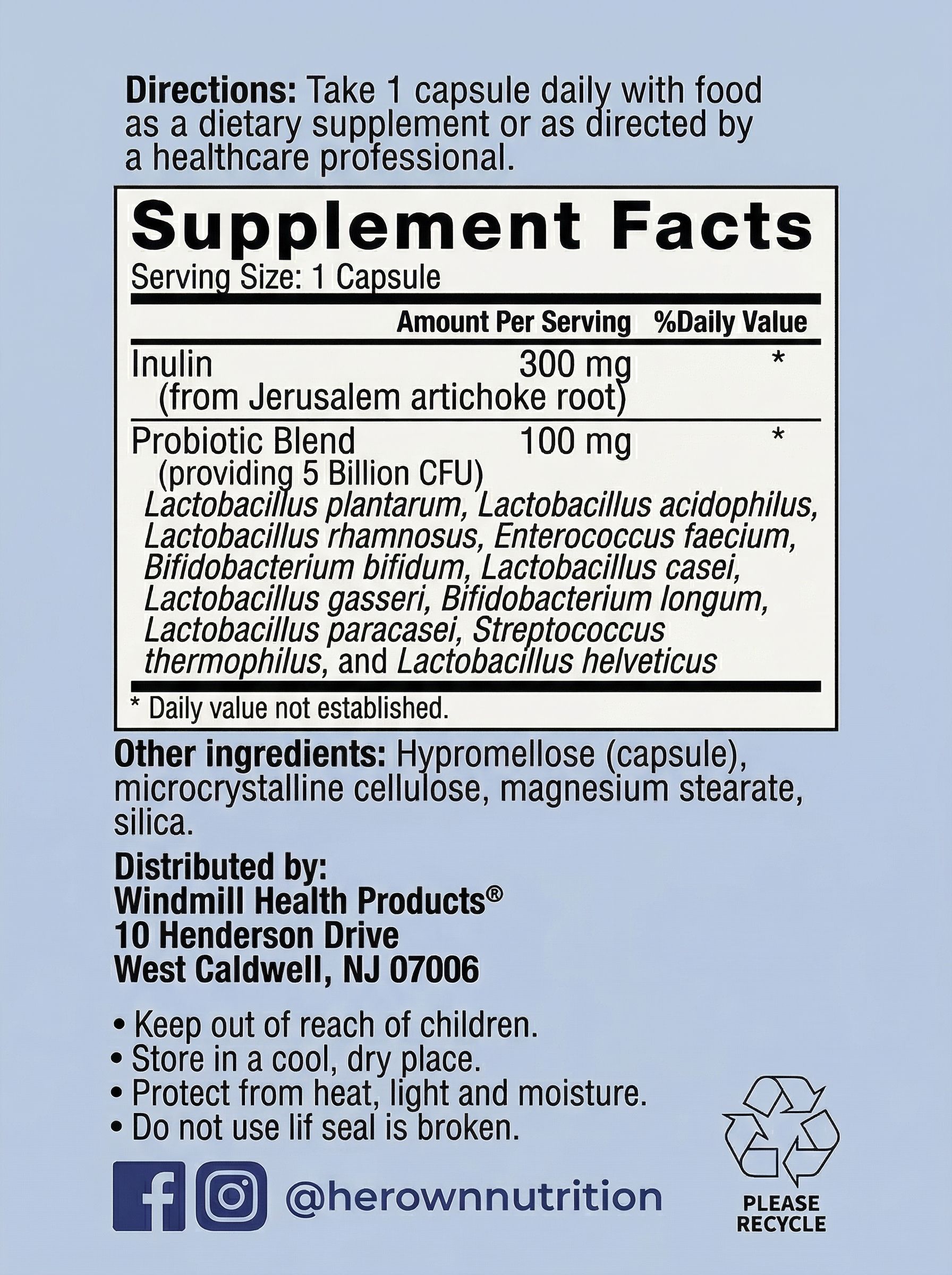
Subscribe & Save 10%Choose strain-specific products. Look for supplements that list the exact strain names, not just the species. "Lactobacillus acidophilus" isn't specific enough. "Lactobacillus acidophilus La-14" tells you exactly what you're getting.
Check the expiration date and storage requirements. Many probiotics need refrigeration to stay alive. Room-temperature shelf-stable options exist but often contain fewer viable bacteria by the time you buy them.
Third-party testing is crucial. Independent verification ensures the bacteria are alive and the CFU count is accurate. Look for USP or NSF certification.
Avoid unnecessary fillers. Skip products loaded with artificial colors, flavors, and preservatives. These additives can potentially harm the beneficial bacteria you're trying to consume.
Consider prebiotic inclusion. Some products combine probiotics with prebiotic fibers that feed beneficial bacteria. This can enhance effectiveness, but it's not essential.
The Honest Verdict
Probiotics work for specific digestive issues, especially IBS and antibiotic-related problems. The evidence is solid enough to justify trying them if you have these conditions. For general health benefits, the science is weaker but not nonexistent. Don't expect miracles, but don't write them off entirely.
Frequently Asked Questions
Q: How long does it take for probiotics to work?
A: Most people notice digestive improvements within 2-4 weeks of consistent use. Some benefits, like reduced antibiotic-associated diarrhea, can appear within days. If you don't see any changes after 6-8 weeks, the product probably isn't right for you.
Q: Can I get the same benefits from yogurt and fermented foods?
A: Fermented foods provide beneficial bacteria, but the strains and amounts vary widely. Greek yogurt contains far fewer CFUs than most supplements. Think of fermented foods as maintenance and supplements as targeted intervention when needed.
Q: Are there any side effects I should worry about?
A: Most healthy people tolerate probiotics well. Some experience temporary gas or bloating during the first week as gut bacteria adjust. People with compromised immune systems or serious underlying conditions should consult their doctor before starting any probiotic regimen.
Where to Find Quality Probiotic Supplements
Finding reliable probiotics means shopping from companies that prioritize quality testing and transparent labeling. Moore Vitamins maintains a curated selection of GMP-certified probiotic supplements with verified strain identification and potency guarantees.
Our same-day fulfillment ensures your probiotics arrive fresh, and Subscribe & Save options help you maintain consistent supplementation without the hassle of reordering. While we don't currently carry probiotics in our featured lineup, our commitment to evidence-based wellness extends across all supplement categories, including sleep support options like NutritionWorks Melatonin Gummies for those seeking comprehensive health optimization.
Moore Vitamins Wellness Team
Supplement Research & Wellness Education
Our wellness team creates evidence-based content backed by Windmill's 50+ years in supplement manufacturing. Every article is reviewed for accuracy and complies with FTC and FDA guidelines. We don't make health claims — we share what the science supports.