Is Fish Oil Worth Taking? The 2026 Evidence Review
The Fish Oil Reality Check: What Changed in 2026
Most people think fish oil is a slam-dunk supplement. Pop a capsule, protect your heart, sharpen your brain — done. But the evidence tells a more complex story than the marketing suggests.
After decades of research and billions in sales, scientists are finally getting clearer answers about when fish oil helps and when it doesn't.
What the Research Actually Shows
The evidence for fish oil varies dramatically depending on what you're trying to achieve.
Heart Health: Large-scale studies show mixed results. A 2023 meta-analysis of 81 trials found modest benefits for people with existing heart disease, but minimal impact for healthy adults. source The American Heart Association still recommends fish oil for certain cardiac patients, but not as blanket prevention.
Brain Function: The cognitive benefits remain underwhelming. Most studies on healthy adults show no meaningful improvement in memory or focus. However, research suggests potential benefits for age-related cognitive decline, though results are inconsistent.
Inflammation: Here's where fish oil shows its strongest evidence. Studies consistently demonstrate reduced inflammatory markers, particularly in people with rheumatoid arthritis or other inflammatory conditions. source This anti-inflammatory effect is why many people pair their fish oil with other inflammation-supporting nutrients like Vitamin C 500mg for immune support.
Depression: Some studies indicate fish oil may support mood, especially when combined with traditional treatments. source But it's not a standalone solution. For comprehensive mood support, many people also consider adaptogens like Ashwagandha for stress and mood support.
The Dosage Dilemma Most People Get Wrong
Here's what supplement companies don't want you to know: most fish oil capsules contain too little EPA and DHA to match research doses.
Studies showing benefits typically use 1-3 grams of combined EPA and DHA daily. Many popular supplements contain just 300-500mg. You'd need 6-10 capsules to reach therapeutic levels. Our Omega-3 Fish Oil 1000mg provides a concentrated dose to minimize pill burden while delivering research-backed amounts.
EPA appears more important for mood and inflammation. DHA seems crucial for brain structure. The ratio matters, but individual responses vary significantly.
Purity is another major concern. Ocean pollution means many fish oils contain mercury, PCBs, or other contaminants. Third-party testing isn't optional — it's essential.
What to Look For When Buying
Form: Triglyceride form absorbs better than ethyl ester form, though it costs more. Look for "re-esterified triglycerides" on labels.
Concentration: Calculate actual EPA + DHA content, not total fish oil. Aim for at least 500mg combined per capsule to minimize pill burden.
Purity: Demand third-party testing for heavy metals, PCBs, and oxidation markers. IFOS (International Fish Oil Standards) certification is the gold standard.
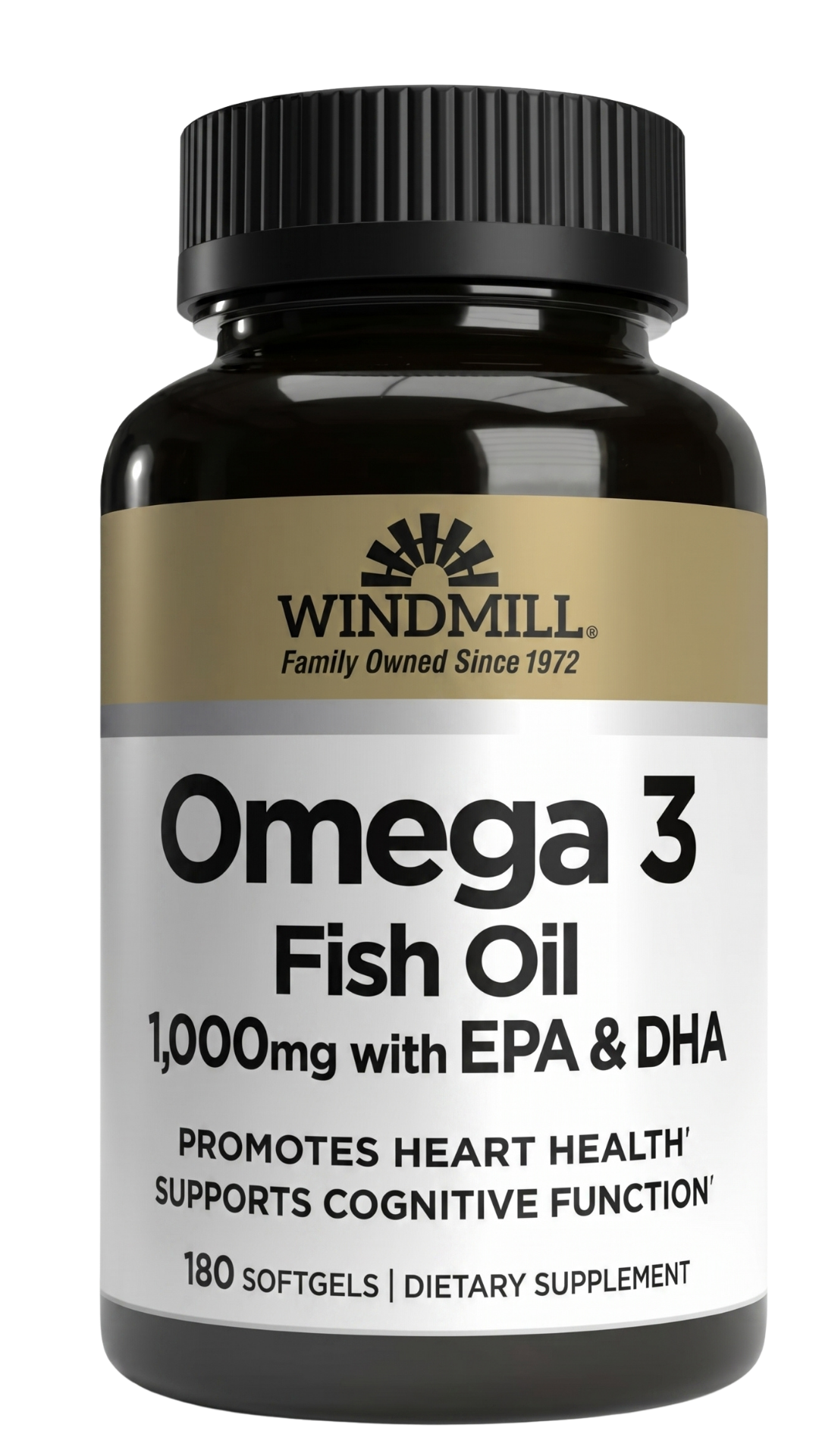
Related Product
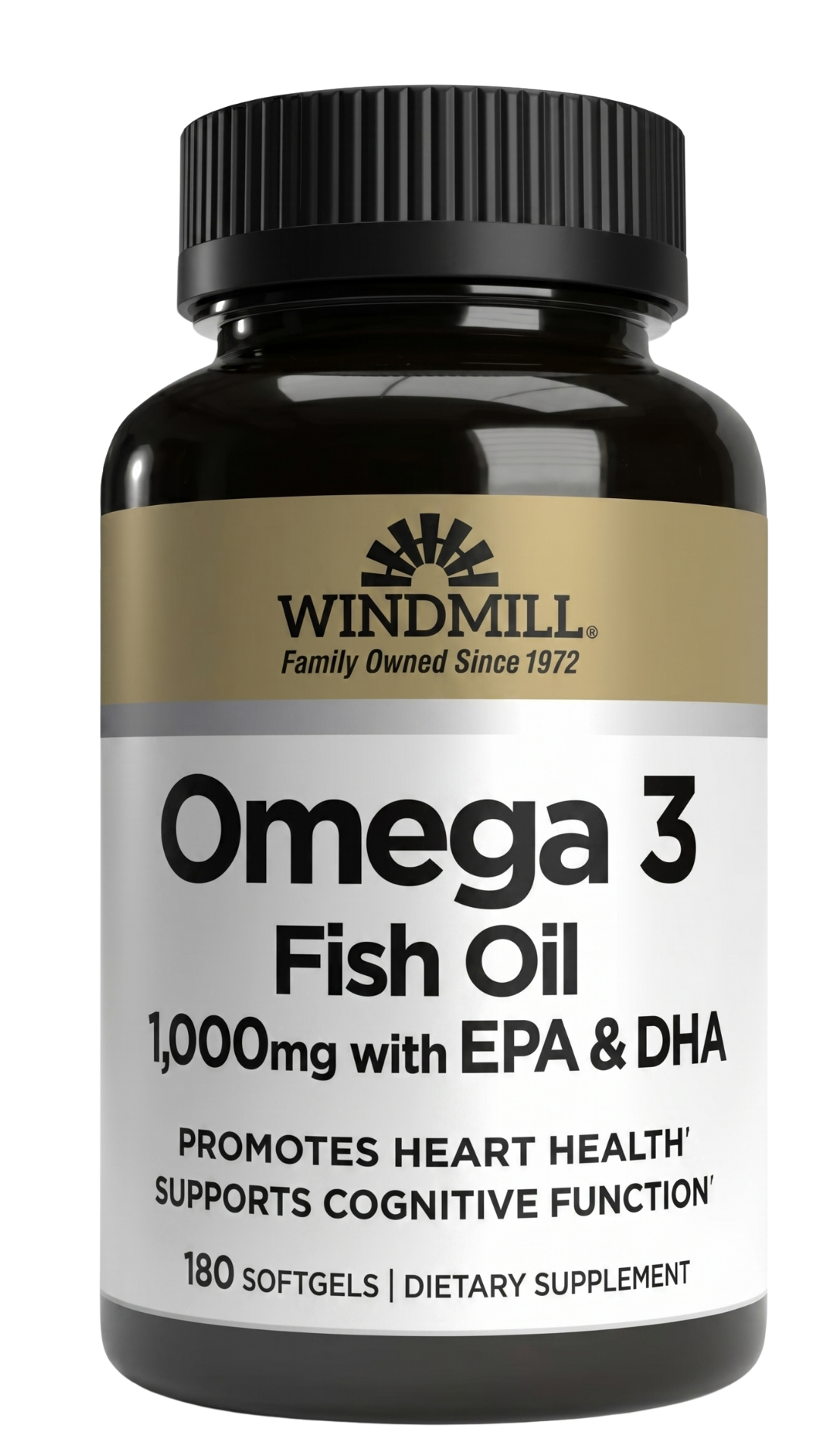
Windmill Omega-3 Fish Oil 1000mg Softgels 180ct
$15.99
Freshness: Fish oil goes rancid quickly. Buy from retailers with high turnover. Refrigerate after opening.
Avoid: Cheap drugstore brands often use low-quality oil with minimal active ingredients. Skip anything that doesn't list EPA/DHA amounts clearly.
The Honest Verdict
Fish oil isn't the miracle supplement it's marketed as, but it's not useless either. The evidence supports targeted use rather than universal supplementation. If you have inflammatory conditions, don't eat fish regularly, or have specific cardiac risk factors, the research suggests potential benefits. For healthy adults looking for general wellness, the evidence is weak.
Like many supplements, fish oil works best as part of a comprehensive approach to health. You can browse our full collection to find complementary nutrients that support your specific wellness goals.
Frequently Asked Questions
Q: Should I take fish oil if I eat fish twice a week?
A: Probably not necessary. Two servings of fatty fish weekly typically provide adequate omega-3s for most people. Supplementation makes more sense if you rarely eat fish or have specific health conditions.
Q: Can fish oil replace eating actual fish?
A: Not entirely. Whole fish provides protein, vitamin D, selenium, and other nutrients that supplements lack. Fish oil captures the omega-3s but misses the complete nutritional package. If you're not getting enough vitamin D from fish, consider our Vitamin D3 5000 IU supplement.
Never run out.
Subscribe to any product and save 10% on your first order, 5% after. Pause or cancel anytime.
Subscribe & Save 10%Q: How long does it take to see benefits from fish oil?
A: Blood levels change within weeks, but noticeable effects take 2-3 months of consistent use. Some people notice joint comfort improvements sooner, while cognitive effects may take longer or not occur at all.
Where to Find Quality Fish Oil Supplements
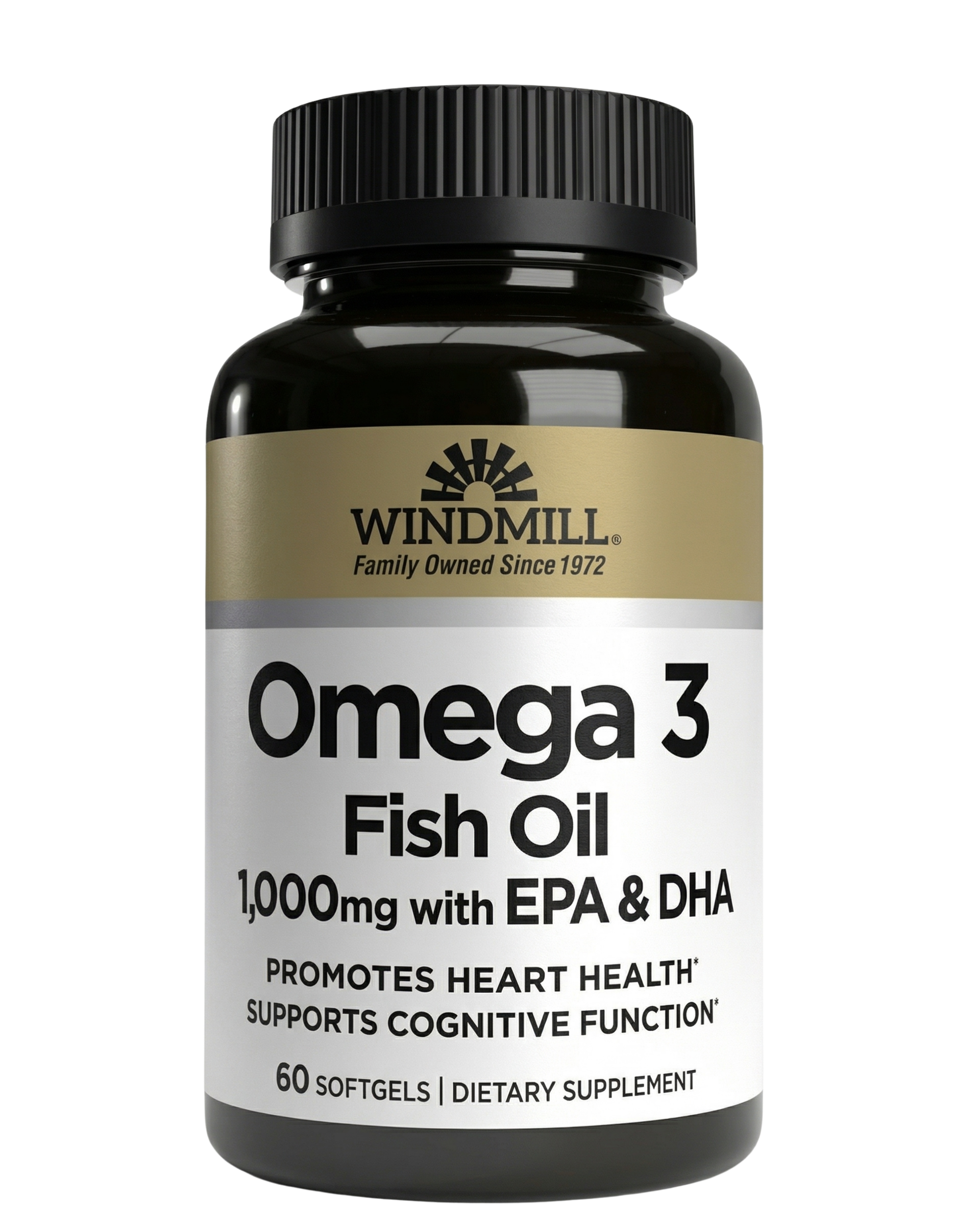
Not all fish oil supplements meet the purity and potency standards the research demands. Moore Vitamins offers GMP-certified omega-3 supplements with third-party testing for contaminants and verified EPA/DHA content. Our Omega-3 EPA Fish Oil 1000mg Heart Health (60 Softgels) provides therapeutic doses in triglyceride form for optimal absorption. With same-day fulfillment and Subscribe & Save options, maintaining consistent supplementation becomes effortless when the evidence supports it.