Does Melatonin Actually Help You Sleep? The Science Behind the Hype
Melatonin Isn't the Sleep Miracle Most People Think It Is
Millions of Americans pop melatonin nightly, convinced it's nature's answer to insomnia. The shocking truth? Most people use it wrong, and for many sleep problems, it barely works at all.
Melatonin isn't a knockout drug. It's a timing signal that tells your brain when to prepare for sleep. This fundamental misunderstanding explains why so many people get disappointing results.
What the Research Actually Shows
Studies consistently show melatonin works best for specific sleep issues — not general insomnia.
A 2022 meta-analysis found melatonin reduces sleep onset time by an average of 7 minutes source. That's it. Seven minutes. For people with severe insomnia lying awake for hours, this feels like nothing.
But here's where it gets interesting. Research shows melatonin excels at fixing circadian rhythm disorders:
- Jet lag: Studies indicate 0.5-3mg taken at bedtime can reset your internal clock within 2-3 days source
- Shift work sleep disorder: May support sleep quality when taken 30 minutes before desired bedtime
- Delayed sleep phase syndrome: Research suggests consistent timing helps advance sleep onset in night owls source
The evidence is much weaker for regular insomnia caused by stress, anxiety, or poor sleep habits. For stress-related sleep issues, consider pairing melatonin with our Ashwagandha Stress & Mood Support to address the underlying anxiety that keeps you awake.
Why Timing Matters More Than Dosage
Most people take melatonin wrong. They pop 10mg right before bed and wonder why it doesn't work.
Your body naturally produces 0.1-0.3mg of melatonin source. Taking massive doses doesn't create better sleep — it often backfires. High doses can leave you groggy the next day or disrupt your natural melatonin production.
The sweet spot for most people? 0.5-3mg taken 1-2 hours before desired bedtime. This mimics your body's natural rhythm instead of overwhelming it.
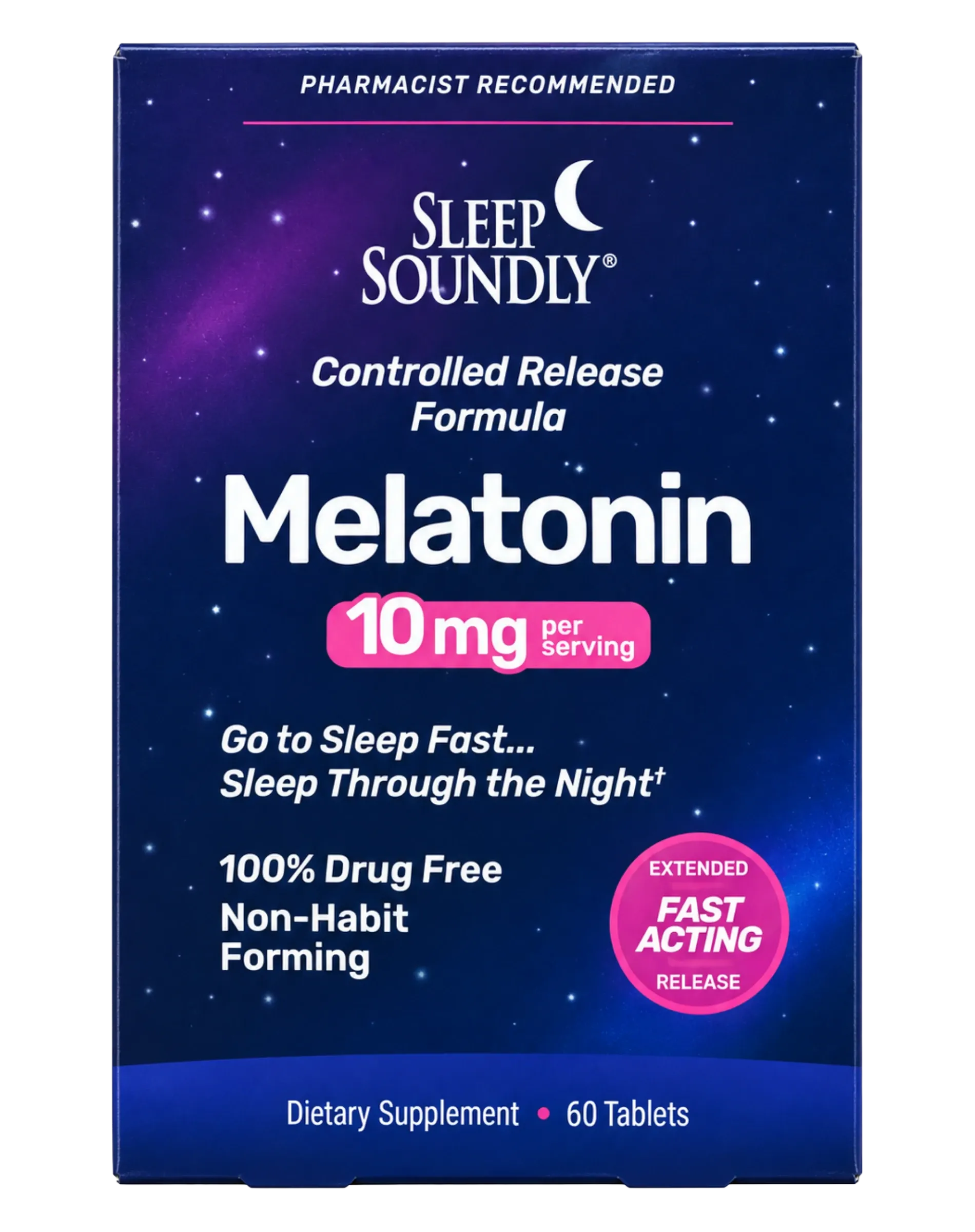
Timed-release formulations work better for staying asleep. Regular melatonin clears your system within a few hours, which explains why some people fall asleep fine but wake up at 3 AM. Our Melatonin 10mg Timed Release is designed to provide sustained support throughout the night.
What to Look For When Buying
The melatonin market is flooded with low-quality products. Here's what matters:
Dosage: Start with 0.5-1mg. You can always increase, but you can't undo grogginess from too much.
Form: Timed-release tablets work better for sleep maintenance. Immediate-release works for sleep onset issues. For those who prefer a gentler approach, consider Goli Dreamy Sleep Gummies which combine melatonin with other natural sleep-supporting ingredients.
Third-party testing: Essential. A 2017 study found melatonin content varied by 478% between products source. Some contained no melatonin at all.
Avoid: Products with unnecessary additives, extreme doses over 10mg, or gummies (sugar before bed defeats the purpose).
Related Product
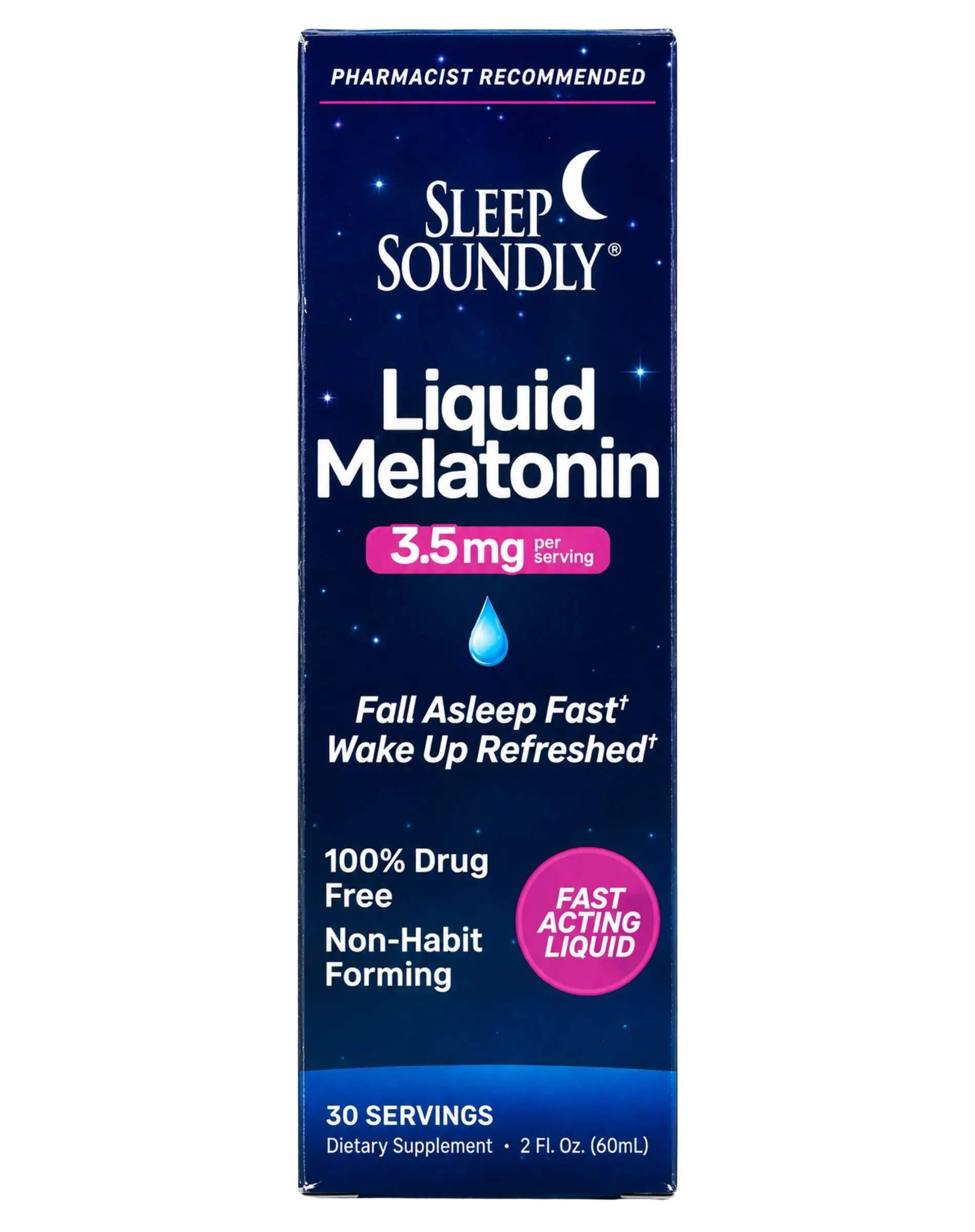
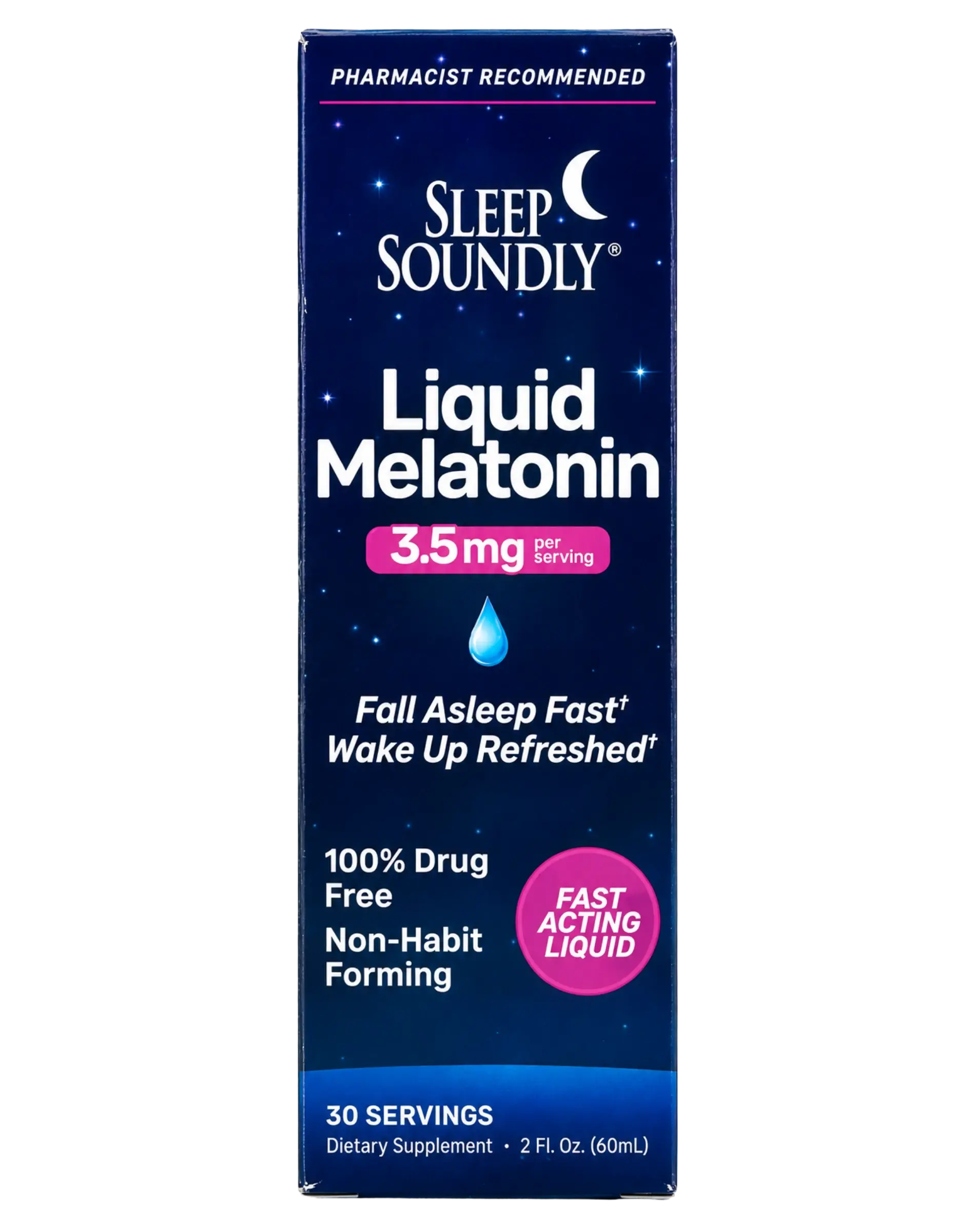
Sleep Soundly Liquid Melatonin 3.5mg Sleep Support Liquid 2oz
$8.99
Look for: GMP certification, USP verification, and brands that list exact melatonin content.
Sleep issues often improve with a holistic approach. Consider supporting your sleep routine with Magnesium Glycinate 200mg, which helps relax muscles and calm the nervous system naturally.
The Honest Verdict
Melatonin works, but not how most people think. It's excellent for jet lag and circadian rhythm issues but mediocre for stress-related insomnia. If you're lying awake worrying about tomorrow's presentation, melatonin won't fix that — addressing the underlying anxiety will.
Frequently Asked Questions
Q: Can you build tolerance to melatonin?
A: Research suggests melatonin doesn't create physical dependence, but some people report needing higher doses over time. Taking breaks every few months may help maintain effectiveness.
Q: Is it safe to take melatonin every night?
A: Short-term use appears safe for most adults, but long-term effects aren't well-studied. Some experts worry about suppressing natural melatonin production with chronic use.
Q: Why do I feel groggy after taking melatonin?
A: You're likely taking too much or taking it too close to bedtime. Try reducing the dose to 0.5-1mg and taking it 2 hours before sleep instead of right before bed.
Never run out.
Subscribe to any product and save 10% on every order. Pause or cancel anytime.
Subscribe & Save 10%Where to Find Quality Melatonin Supplements
Finding reliable melatonin requires choosing brands that prioritize accurate dosing and purity testing. Moore Vitamins offers GMP-certified melatonin supplements with verified potency, including our Melatonin 10mg Timed Release Sleep Support for those who need sustained overnight support. With same-day fulfillment and Subscribe & Save options, you can maintain consistent sleep support without the guesswork of unreliable products.
Shop the Products Mentioned
Keep Reading
- Best Sleep Supplements 2026: Natural Sleep Aids That Actually Work — the full ingredient-by-ingredient guide
- Melatonin vs. Magnesium for Sleep: Which Should You Take First?
- How Long Does Melatonin Take to Work?
Never miss a dose.
Evidence-based wellness guides like this one, in your inbox. No hype, no spam — unsubscribe anytime.