Magnesium Side Effects: What to Watch For and How to Avoid Them
The Honest Summary
Magnesium supplements are safe for most healthy adults at label doses — but "safe for most" isn't "safe for all," and the details live in three places: the dose (over 350 mg supplemental invites digestive trouble), the form (oxide and citrate loosen stools sooner than glycinate), and your situation (kidney function and certain medications change the math entirely).
Last updated: July 2026
The Common One: Digestive Effects
Loose stools are magnesium's signature complaint — it draws water into the intestines, which is literally how magnesium-based laxatives work. The effect is dose- and form-dependent:
| Form | Digestive tolerance | Notes |
|---|---|---|
| Glycinate | Best | The default pick for sensitive stomachs — our 200mg capsules |
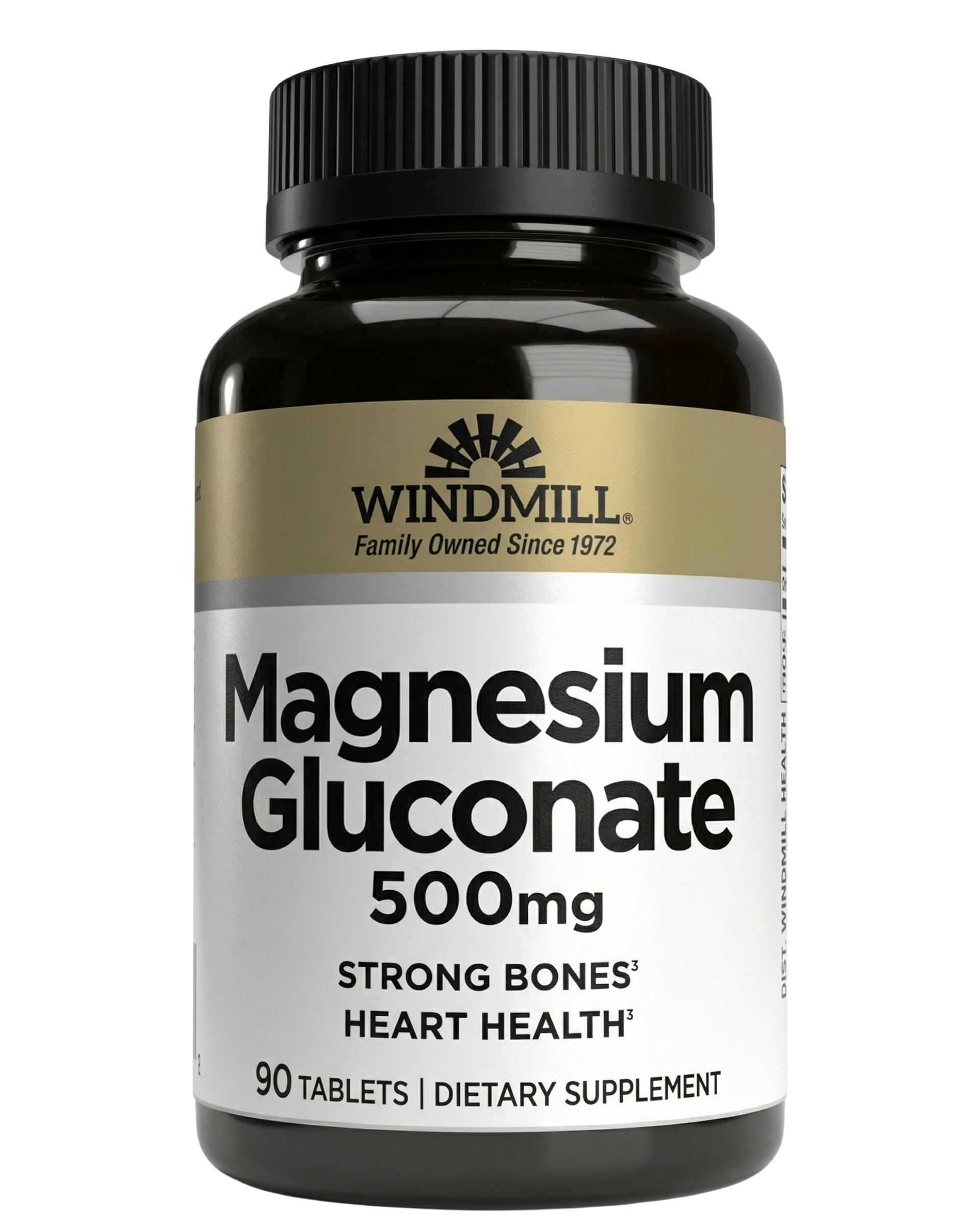
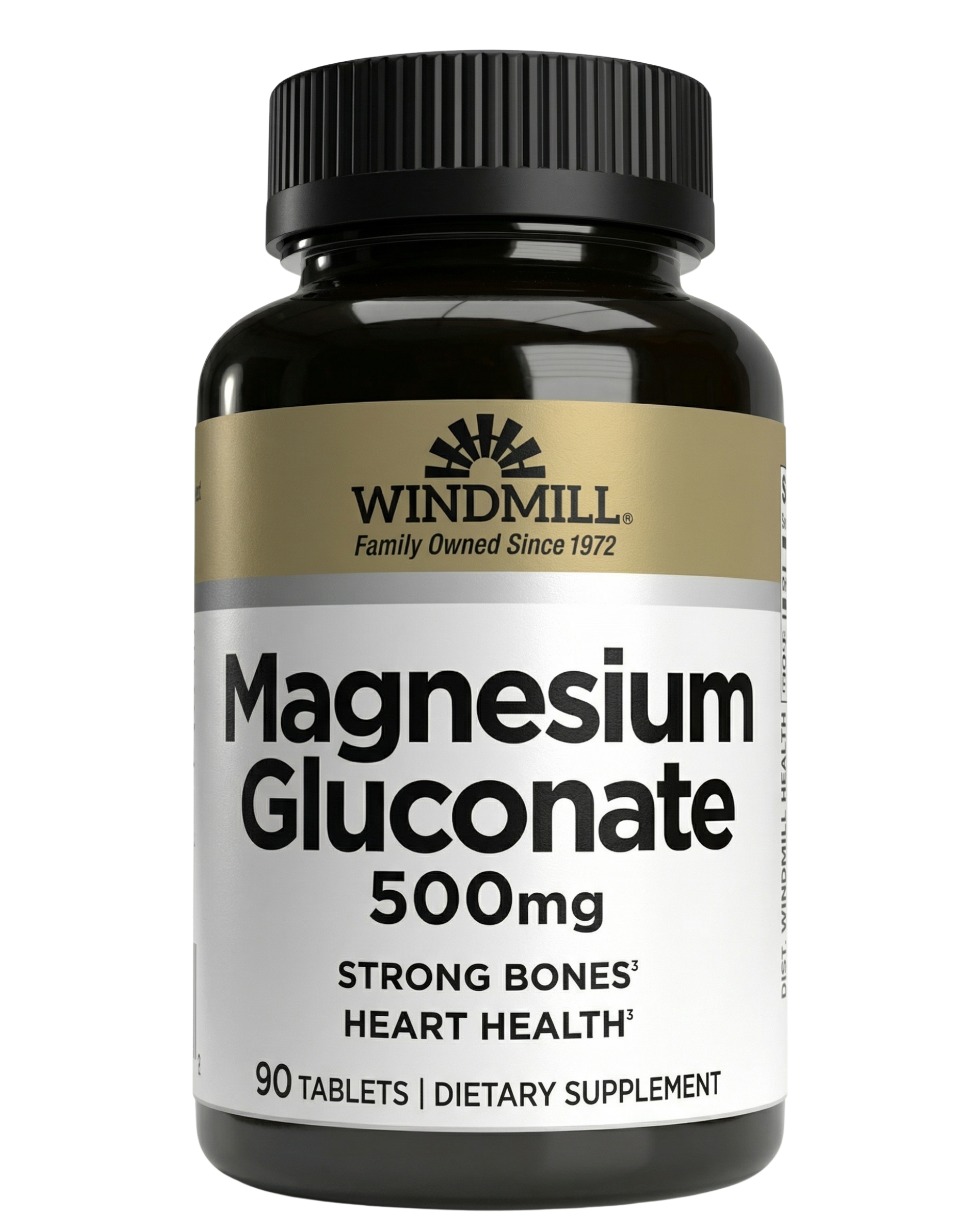
| Gluconate | Very good | The "gentle formula" positioning is earned — 500mg tablets |
| Citrate | Moderate | Fine for most at label doses — 400mg tablets |
| Oxide | Most likely to loosen stools | Budget-friendly, but respect the serving size — 400mg tablets |
Fixes that usually work: take it with food, split the dose across the day, or switch to glycinate/gluconate. Details on dosing beneath the ceiling: How Much Magnesium Should You Take Daily?
The Serious (and Rare) One: Magnesium Toxicity
True magnesium toxicity is rare in people with healthy kidneys — the body excretes the excess. It becomes possible with impaired kidney function or extreme intakes (typically from magnesium-containing laxatives/antacids, not standard supplements). Warning signs include nausea, flushing, low blood pressure, muscle weakness, and irregular heartbeat — that's an urgent-care situation, not a wait-and-see one.
If you have kidney disease, do not supplement magnesium without your doctor. This is the one hard rule in this article.
Medication Interactions Worth Knowing
Magnesium can bind or compete with several medications. Separate doses or ask your pharmacist if you take:
- Certain antibiotics (tetracyclines, fluoroquinolones) — magnesium reduces their absorption; separate by several hours
- Bisphosphonates (osteoporosis drugs) — same binding issue
- Diuretics — some raise magnesium loss, some do the opposite
- Proton-pump inhibitors (long-term) — associated with low magnesium; worth a conversation, not self-treatment
A five-minute pharmacist chat covers all of this for your specific list.
Who Should Check First
Related Product
Magnesium Gluconate 500mg Gentle Formula Tablets 90ct
$9.99
- Kidney disease (the hard rule above)
- Heart-rhythm conditions
- Pregnant or nursing (targets differ — 350–360 mg total, doctor-guided)
- Anyone on the medication classes listed
Signals to Stop and Reassess
- Persistent diarrhea despite taking with food at label dose — switch form or stop
- Nausea, flushing, or unusual weakness — stop and call your doctor
- No noticeable benefit after 4+ weeks for your goal — the gap may not be magnesium (the full guide covers what it realistically does)
None of this is a reason for a healthy adult at sensible doses to fear the mineral — the digestive ceiling is self-announcing, the serious risks concentrate in known groups, and form choice solves most complaints. That's the honest picture.
Frequently Asked Questions
Never run out.
Subscribe to any product and save 10% on every order. Pause or cancel anytime.
Subscribe & Save 10%What are the most common side effects of magnesium?
Loose stools, and occasionally mild nausea — both dose- and form-dependent, both usually solved by taking it with food, splitting doses, or switching to glycinate.
Can magnesium cause anxiety or heart palpitations?
Magnesium isn't a known cause of either at normal doses; palpitations with very high intake warrant a doctor visit. If symptoms are why you started supplementing, that also deserves a real medical look.
Is it safe to take magnesium every night?
For most healthy adults at or under 350 mg supplemental, yes. The exceptions above (kidneys, medications) are the reason "check with your doctor" isn't boilerplate here.
Which magnesium has the fewest side effects?
Glycinate, with gluconate close behind — both chosen specifically by people who found other forms harsh.
These statements have not been evaluated by the Food and Drug Administration. These products are not intended to diagnose, treat, cure, or prevent any disease. Consult your healthcare provider before starting any supplement.
Never miss a dose.
Evidence-based wellness guides like this one, in your inbox. No hype, no spam — unsubscribe anytime.