Elderberry for Immune Support: Does the Dose on Your Label Actually Work?
Most elderberry products on the market list doses the clinical trials never actually tested — and that gap matters more than the brand on the label.
The strongest human trials on elderberry (Sambucus nigra) used standardized extracts at 600–900 mg daily of a specific anthocyanin-rich concentrate, taken at the very first sign of cold or flu symptoms. A frequently cited 2016 randomized controlled trial found that travelers who supplemented with elderberry extract reduced the duration of colds by about two days compared to placebo. A 2019 meta-analysis pooling four controlled trials supported the finding that elderberry substantially reduces upper respiratory symptoms. The catch: nearly every mass-market gummy on drugstore shelves delivers 50–150 mg of elderberry fruit equivalent per serving — a fraction of the studied dose. If you're currently taking elderberry "just in case" year-round at low doses, the evidence does not particularly back that strategy. The research is most compelling for short-term, high-dose use started within 24–48 hours of symptom onset. Understanding exactly what to buy — and when to take it — is the difference between a supplement that performs and one that collects dust.
The Gummy Problem: Why Most Elderberry Products Miss the Mark
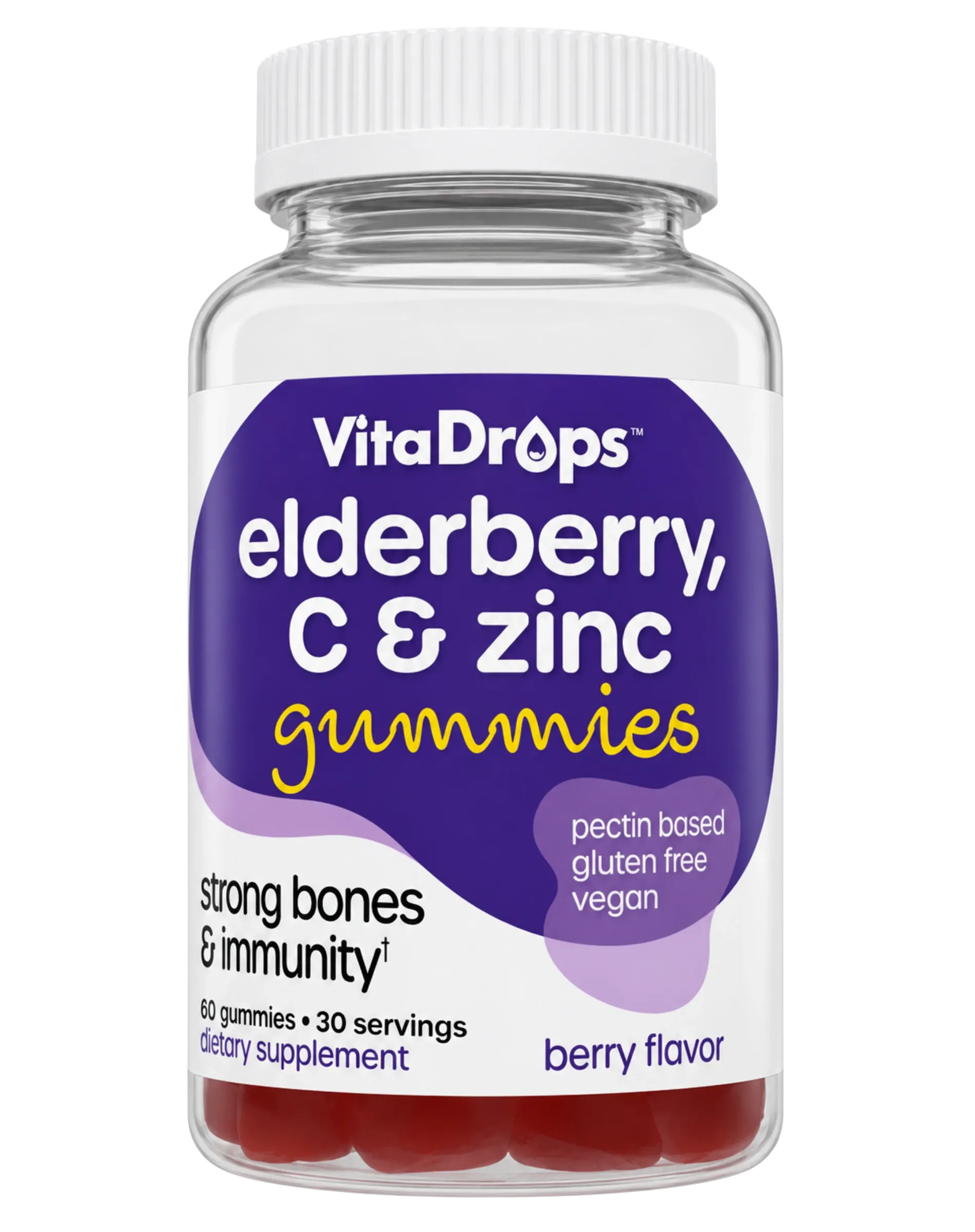
Walk down any supplement aisle and you'll find elderberry in every conceivable format: gummies, syrups, capsules, lozenges, powders, and chewables. Almost all of them market to the same immune-support claim. Almost none of them disclose whether their dose matches what the studies used.
This isn't a small detail. Clinical trials on elderberry have overwhelmingly used a standardized extract — most notably Sambucol, the original patented black elderberry extract — not raw elderberry powder, not elderberry juice, not gummy-form fruit concentrate. Standardization matters because elderberries vary wildly in anthocyanin content depending on how they're grown, harvested, and processed.
A gummy delivering 125 mg of "elderberry fruit" and a capsule delivering 600 mg of standardized elderberry extract are not interchangeable. They're fundamentally different products wearing the same marketing label.
What the Research Actually Shows
The evidence for elderberry is genuinely promising — but it carries real asterisks.
The 2016 double-blind RCT by Tiralongo et al. in Nutrients followed 312 air travelers and found that those taking a standardized elderberry extract for ten days around travel had significantly shorter cold duration and less severe symptoms. That's a solid, real-world design. Studies suggest elderberry's anthocyanins may support immune cell activity and inhibit viral replication at the cell entry stage, though most of this mechanistic data comes from in vitro (lab) studies, not human trials.
The 2019 meta-analysis by Hawkins et al. in Complementary Therapies in Medicine analyzed data from four trials and concluded elderberry "substantially reduces upper respiratory symptoms." However, most included studies were small — ranging from 60 to 312 participants — and used varying extracts and doses. Larger, independent replications are still needed.
The evidence is mixed on elderberry as a year-round preventive supplement. The research that exists is almost entirely about treatment — starting elderberry when you feel something coming on — not about daily supplementation keeping illness away. Conflating the two is how brands stretch modest findings into sweeping claims.
One more honest note: elderberry is generally considered safe for most adults at studied doses. Some sources raise concerns about raw or unprocessed elderberries containing cyanogenic glycosides, but commercially processed supplements and cooked elderberry products do not carry this risk.
Timing Is the Variable Nobody Talks About
If there's one insight the elderberry research delivers clearly, it's this: timing is everything.
The studies that showed the most meaningful results started elderberry within 24–48 hours of the first symptom. Waiting until day three or four of a full-blown cold is likely too late for the proposed mechanism — early viral replication — to be meaningfully interrupted.
This has practical implications for how you keep elderberry at home. A bottle in the back of the cabinet you dig out when you're already miserable is far less useful than having it ready to deploy the moment your throat starts to scratch. Think of elderberry less like a daily vitamin and more like a fire extinguisher: you want it accessible and you want to use it fast.
The dose that clinical studies used most often: 600–900 mg of standardized elderberry extract daily, divided across two or three doses, for five to ten days. That's a short, high-dose course — not a spoonful of syrup once a day indefinitely.
What to Look For When Buying
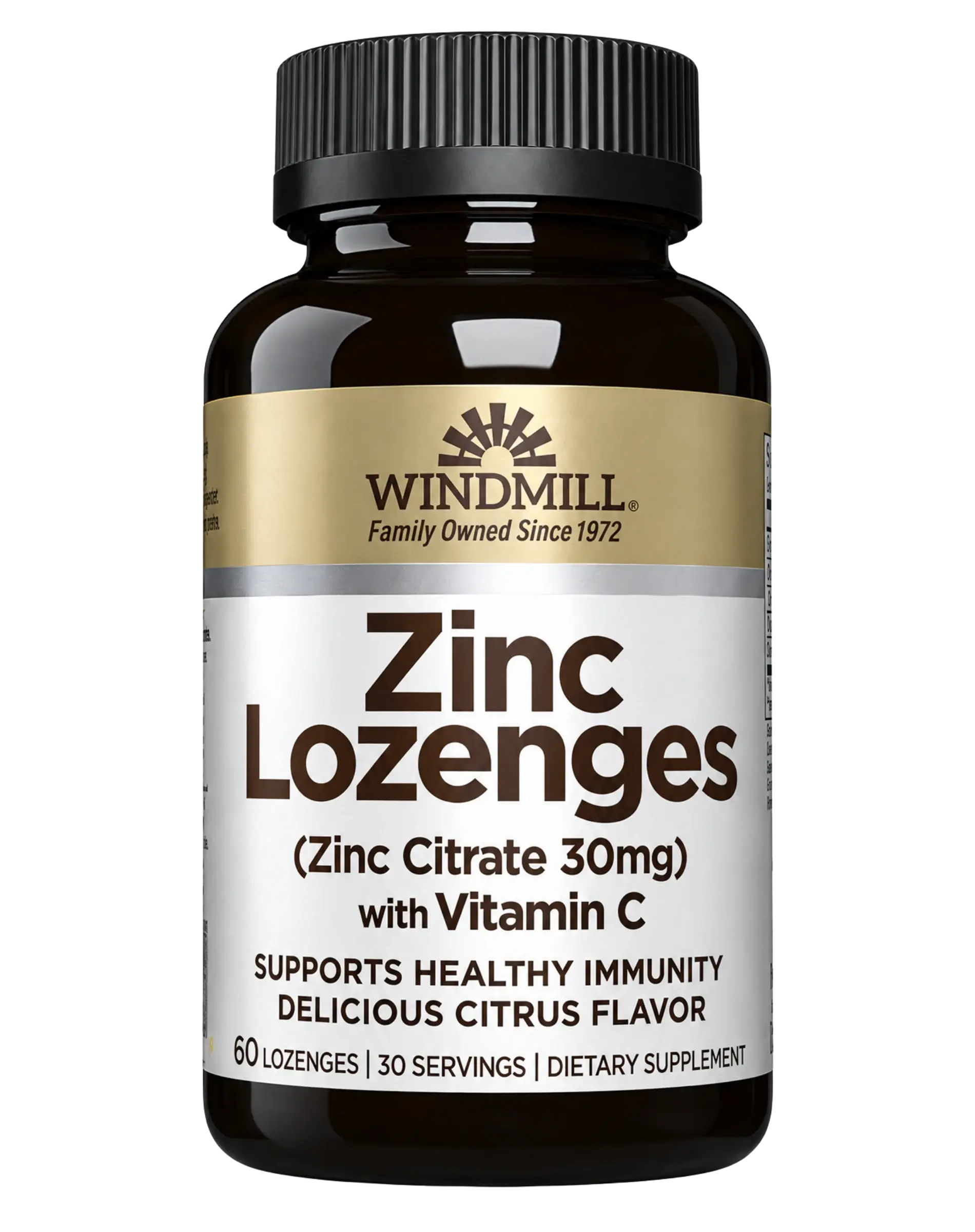
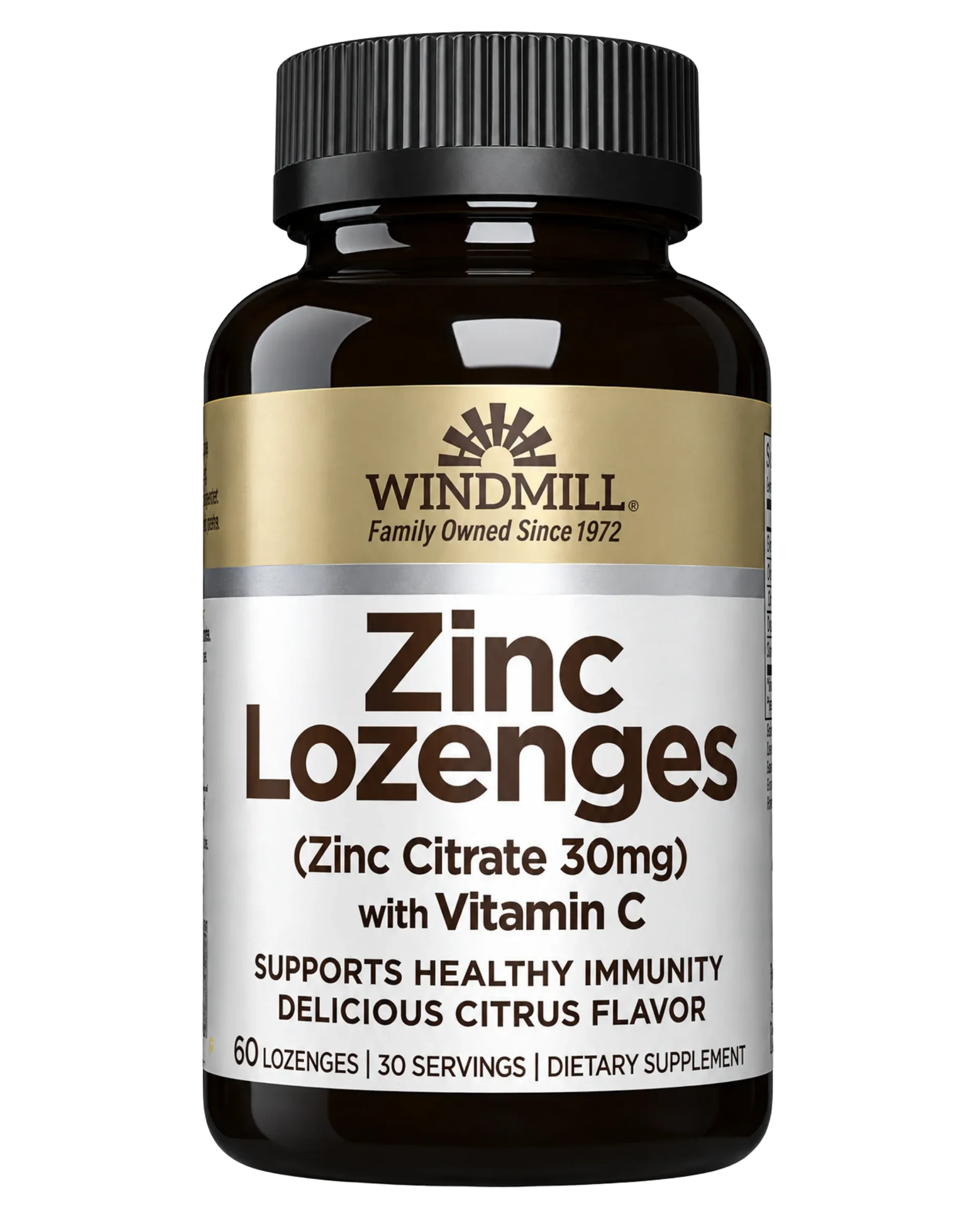
Related Product
Windmill Zinc & Vitamin C Citrus Immune Support Lozenges 60ct
$7.99
Standardized extract over raw powder. Look for "standardized to X% anthocyanins" on the label. If the label just says "elderberry fruit" or "elderberry powder" with no standardization statement, the anthocyanin content is unknown and likely inconsistent.
Dose per serving. Target products that deliver at least 500–600 mg of standardized elderberry extract per daily serving. If you're taking gummies at 100 mg per piece, you'd need six or more to approach a studied dose — which most serving size directions won't recommend.
Form considerations. Capsules and liquid extracts tend to deliver more concentrated, consistent doses than gummies. Gummies are palatable and convenient, but their elderberry content is often diluted by the gummy matrix, sugar, and additives needed to make them shelf-stable and chewable.
Third-party testing. Because elderberry extracts vary significantly by source, third-party testing (NSF, USP, or Informed Sport) gives you independent verification that what's on the label matches what's in the bottle.
What to avoid. Proprietary blends that lump elderberry in with ten other herbs without individual doses. Added sugars above 3–4 g per serving. Artificial dyes — quality elderberry is already a deep, rich purple. GMP certification on the manufacturer is a baseline expectation, not a bonus.
The Honest Verdict
Elderberry is one of the more credible herbal immune-support options out there — but only when you use the right form, the right dose, and the right timing. The research supports short-term, high-dose use of a standardized extract at the earliest sign of cold or flu symptoms. It does not strongly support low-dose gummies taken daily as a preventive habit. Buy a quality standardized extract, keep it accessible, and reach for it fast.
Frequently Asked Questions
Never run out.
Subscribe to any product and save 10% on every order. Pause or cancel anytime.
Subscribe & Save 10%Q: Can I take elderberry every day year-round as a preventive supplement?
A: The clinical research doesn't strongly support this use. Almost all meaningful studies tested elderberry as a short-term treatment started at the first sign of illness, not as a daily preventive. Daily low-dose use isn't well-studied, and the evidence for prevention specifically is thin. If immune support is your year-round goal, vitamin D and zinc have broader preventive evidence behind them.
Q: Is elderberry safe to take with other supplements or medications?
A: For most healthy adults, elderberry at studied doses is considered safe. That said, elderberry may have mild immune-modulating effects, so people on immunosuppressant medications should check with their doctor before use. It's also worth flagging to your physician if you're taking diuretics or diabetes medications, as some theoretical interactions exist — though real-world cases are rarely reported.
Q: Does elderberry actually shorten a cold, or just reduce symptoms?
A: Both, according to the better trials. The 2016 RCT found statistically significant reductions in both the duration (about two days shorter) and severity of cold symptoms. The reduction in symptom severity — sore throat, congestion, fatigue — showed up across multiple studies. Duration effects were less consistent across all four trials in the 2019 meta-analysis, but the overall trend favored elderberry over placebo.
Where to Find Quality Elderberry Supplements
Moore Vitamins carries a GMP-certified selection of elderberry supplements vetted for standardization and third-party testing. Whether you prefer the convenience of capsules or the flexibility of a liquid extract, the options below give you a dose and form that actually aligns with what clinical research tested — not the underdosed gummies most brands push.
Elderberry 5:1 Concentrate 1000mg
Same-day fulfillment means you can have it in hand before the next cold season hits. And if you want to keep a consistent supply ready to deploy at the first sign of symptoms, the Subscribe & Save option keeps your shelf stocked without the reorder scramble.
Never miss a dose.
Evidence-based wellness guides like this one, in your inbox. No hype, no spam — unsubscribe anytime.