Liquid Supplements vs. Pills: When the Form Actually Changes the Results
Your Supplement Form May Matter More Than Your Brand
Most people agonize over which vitamin brand to buy. Almost nobody asks whether they're buying the right form. That's the question worth asking.
The liquid-vs-pill debate gets dismissed as marketing noise. Sometimes it is. But for certain nutrients, certain health goals, and certain people, the delivery format genuinely changes how much of that supplement your body actually uses. The difference isn't always dramatic — but in some cases, it's the difference between a supplement that works and one that doesn't.
Here's what the science says, where it goes quiet, and how to make a smarter call at checkout.
What the Research Actually Shows
Absorption — technically called bioavailability — describes how much of a nutrient enters your circulation and reaches the tissues that need it.
Studies suggest liquids have a head start: they skip the dissolution step that tablets and capsules require. Your stomach doesn't need to break down a shell or a compressed powder before absorption begins. For people with low stomach acid (common in adults over 50 and those on proton pump inhibitors), that step can be the bottleneck that makes a pill-form supplement nearly useless.
A review of iron supplementation found liquid iron was better tolerated and absorbed in patients with gastrointestinal conditions that impaired tablet dissolution. Similar patterns appear with B vitamins, magnesium, and herbal extracts — particularly when the active compound is already suspended in solution.
The evidence is mixed, though, for healthy adults with normal digestion. If your gut dissolves capsules efficiently, the form gap narrows significantly. The research is not saying liquid is always superior. It's saying liquid has a clear advantage in specific contexts — and those contexts are more common than most people realize.
Who Actually Benefits From Liquid Supplements
This is where the generic "liquid absorbs better" conversation becomes genuinely useful.
Adults over 50. Stomach acid production declines with age. Less acid means less efficient dissolution of compressed tablets. Liquid supplements bypass this entirely. If you're in this group and your multivitamin hasn't felt like it's doing much, the form — not the formula — may be the problem.
People with GI conditions. Crohn's disease, IBS, gastric bypass, celiac disease, and chronic acid reflux all compromise nutrient absorption through the gut wall. Liquids reach the intestinal lining faster and in a more bioavailable state. This isn't a fringe use case — millions of people fall into this category.
Children and older adults who struggle to swallow pills. This is practical, not biochemical. A supplement you actually take consistently beats a superior formula you skip. Liquid wins here simply by being usable.
Anyone taking herbal extracts. Many botanicals — valerian root, sea moss, apple cider vinegar — have active compounds that are naturally soluble and better delivered in liquid form. The extraction process concentrates these compounds in ways that compression can dilute or disrupt.
People who need fast-acting effects. Iron for acute fatigue. B vitamins before a long day. Herbal adaptogens taken before stress. When timing matters, liquids act faster because absorption begins sooner.
The Cases Where Pills Win (Or It Doesn't Matter)
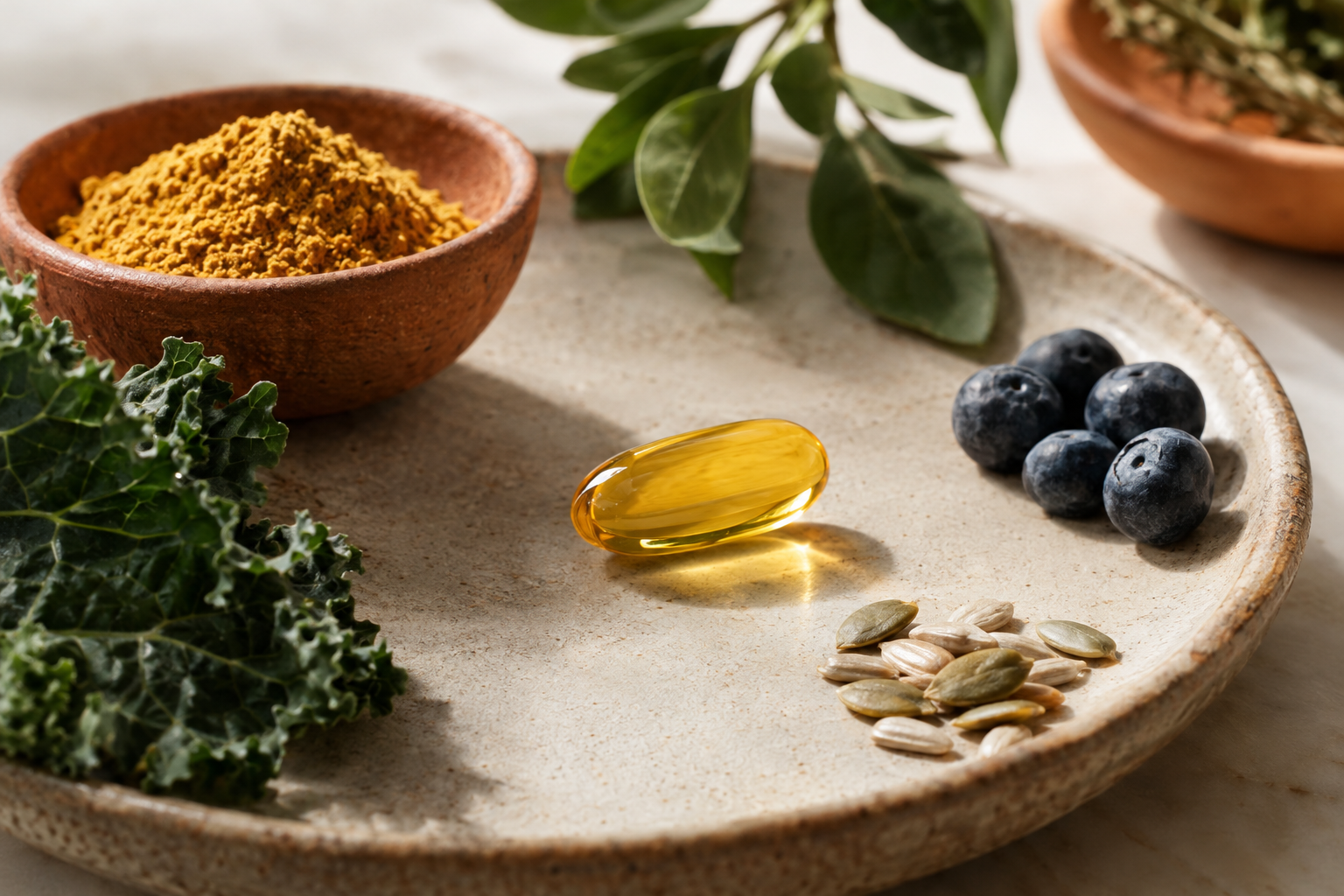
Honesty requires saying this clearly: for fat-soluble vitamins like D3, K2, and E, the carrier fat in a softgel capsule actually aids absorption. A liquid D3 without fat is worse than a well-formulated softgel. Form matters — but not always in liquid's favor.
Probiotics are typically better delivered in enteric-coated capsules designed to survive stomach acid. A liquid probiotic can lose viability before it reaches the gut.
For most water-soluble vitamins in healthy adults with no digestive issues, the difference between a quality capsule and a quality liquid is negligible. Don't pay a premium for liquid vitamin C if your digestion works fine. Spend that money on a higher-quality source of the nutrient instead.
What to Look For When Buying Liquid Supplements
Concentration and dosage clarity. A liquid supplement should state the dose per milliliter or per teaspoon — not just the total bottle content. Vague labeling is a red flag.
Preservatives and fillers. Some liquid supplements use artificial sweeteners, synthetic dyes, or alcohol at high concentrations. Check the inactive ingredients. Alcohol-based herbal tinctures are traditional and effective; excessive alcohol in a daily multi is not ideal.
Stability. Liquids are more vulnerable to light, heat, and oxidation than capsules. Look for dark glass or opaque bottles. Avoid products stored in clear plastic. Once opened, check whether refrigeration is required.
Third-party testing and GMP certification. This matters more for liquids because contamination is harder to detect visually. GMP-certified facilities follow strict manufacturing protocols that protect potency and purity.
Taste and usability. If a liquid supplement tastes so bad you'll skip it, it's worthless. Many quality liquid supplements use natural flavors or are designed to mix into water or juice. Factor this in — especially for daily supplements.
The Honest Verdict
Liquid supplements are not universally better than pills — but for people over 50, those with digestive conditions, and anyone taking herbal extracts, the absorption advantage is real enough to matter. For healthy adults taking standard vitamins, capsule quality and nutrient form matter more than whether it's liquid or solid. Choose liquid when you have a specific reason to. Don't let marketing choose it for you.
Frequently Asked Questions
Never run out.
Subscribe to any product and save 10% on every order. Pause or cancel anytime.
Subscribe & Save 10%Q: Can I just open a capsule and mix it with water instead of buying a liquid supplement?
A: Sometimes, but not reliably. Some capsule fillers and coatings are designed to control release or protect the nutrient from stomach acid — breaking them open defeats the purpose. It works fine for basic powdered nutrients like magnesium glycinate, but poorly for enteric-coated or time-release formulas. Check the manufacturer's guidance first.
Q: Do liquid supplements expire faster than capsules?
A: Generally, yes. Once opened, oxidation, light exposure, and microbial activity can degrade liquid supplements faster than sealed capsules. Most liquid supplements are best used within 30–90 days of opening. Store them per label instructions — many require refrigeration after opening — and check the expiration date before buying.
Q: Are liquid herbal extracts stronger than dried herb capsules?
A: Often, yes — but it depends on the extraction ratio and standardization. A quality liquid extract concentrates active compounds through an alcohol or glycerin extraction process that preserves volatile compounds sometimes lost in drying and compression. Look for products that state the extraction ratio (e.g., 1:5) or specify standardized active compound percentages.
Where to Find Quality Liquid Supplements
Moore Vitamins carries a GMP-certified selection of liquid supplements across several wellness categories — all available with same-day fulfillment and Subscribe & Save pricing for your daily essentials.
For sleep and relaxation, Herb Pharm Valerian Root Liquid Extract 1oz delivers concentrated botanical extract in the format herbalists have trusted for decades — fast-acting and precisely dosed.
Need an energy and micronutrient boost? Geritol Energy Support Liquid 12oz provides B vitamins and iron in liquid form, making it especially useful for adults who may struggle with tablet absorption.
For skin health, Rejuvicare Collagen Beauty Formula Skin Support Liquid 16 oz delivers collagen peptides in a drinkable format designed for ease and absorption. Supporting digestive health? Country Farms Apple Cider Vinegar Digestive Support Liquid 16 oz is a straightforward ACV option without the capsule conversion math.
And if thyroid and energy support is on your radar, Country Farms Irish Sea Moss Liquid 2oz brings one of 2025's most talked-about functional foods into a concentrated, easy-to-dose liquid form.
Never miss a dose.
Evidence-based wellness guides like this one, in your inbox. No hype, no spam — unsubscribe anytime.