Glucosamine for Joint Pain: Does the Science Actually Back It Up?
Glucosamine Is One of the World's Top-Selling Supplements — But Does It Actually Work?
Most people buying glucosamine assume the science is settled. It isn't.
That's not a reason to dismiss it — there's genuinely useful research here. But there's also a lot of nuance that gets buried under marketing language, and you deserve a straight answer before spending money on a supplement you might take for years.
Let's get into it.
What the Research Actually Shows
Glucosamine is a naturally occurring compound your body produces to help build and maintain cartilage — the cushioning tissue between joints. As you age, production slows. The theory behind supplementation is logical: replenish the building block, support the tissue.
The evidence, though, is decidedly mixed.
The GAIT trial — one of the largest and most rigorous glucosamine studies ever conducted — found that glucosamine sulfate alone didn't outperform placebo in the overall group. However, a subset of participants with moderate-to-severe knee pain showed meaningful improvement with a glucosamine-plus-chondroitin combination. That finding has held up in follow-on analyses and shapes how many rheumatologists talk about this supplement today.
European research has been more consistently positive. Several large trials using prescription-grade glucosamine sulfate (notably the Rottapharm formulation studied in Europe) found statistically significant reductions in joint space narrowing over two to three years — a structural benefit, not just a pain score. The catch: most over-the-counter glucosamine hydrochloride products in the U.S. may not replicate those results because the bioavailability and salt form differ.
The honest summary: glucosamine sulfate has the strongest evidence, the effect size is modest but real for many people with knee osteoarthritis, and it appears to work better in combination with chondroitin sulfate than alone.
Why the Glucosamine + Chondroitin Combination Matters
This is where the story gets more interesting — and more actionable.
Chondroitin sulfate is another structural component of cartilage. It attracts water into joint tissue, helping maintain the compressive resilience that keeps bone surfaces from grinding together. On its own, chondroitin has decent evidence for symptom relief. Combined with glucosamine, several studies suggest the two compounds work synergistically.
The mechanism makes biological sense. Glucosamine provides raw material for glycosaminoglycan synthesis. Chondroitin inhibits enzymes that break cartilage down. They attack the problem from two angles simultaneously.
A 2018 meta-analysis published in Annals of the Rheumatic Diseases looked at 10 large trials and found the glucosamine-chondroitin combination produced the most consistent improvements in pain and function for knee osteoarthritis — outperforming either compound taken in isolation, and comparable to celecoxib (a prescription NSAID) for certain outcomes. That's a meaningful finding that rarely makes it onto supplement labels.
The combination also has a notably favorable safety profile compared to long-term NSAID use, which carries cardiovascular and gastrointestinal risks at high doses. For people managing chronic joint discomfort who want to reduce reliance on daily pain relievers, this matters.
Who Benefits Most — and Who Probably Won't
Not everyone responds to glucosamine. Understanding who tends to benefit helps you set realistic expectations.
Likely to respond:
- People with mild-to-moderate knee osteoarthritis
- Adults over 45 experiencing age-related joint stiffness
- Those with moderate-to-severe baseline pain (the subgroup with the strongest GAIT trial signal)
- People who stick with supplementation for at least 8–12 weeks (early dropouts rarely see results)
Less likely to respond:
- People with no underlying cartilage breakdown — glucosamine isn't a preventative for healthy joints
- Those with severe, end-stage osteoarthritis where cartilage is largely gone
- Anyone expecting fast relief — this supplement works slowly, if at all
One important caveat: most trials focus on knees. Evidence for hip, spine, and hand joints is far thinner. If your concern is a joint other than the knee, the evidence base for glucosamine is more speculative.
What to Look For When Buying
The supplement aisle is full of glucosamine products that vary wildly in quality. Here's how to cut through the noise.
Related Product
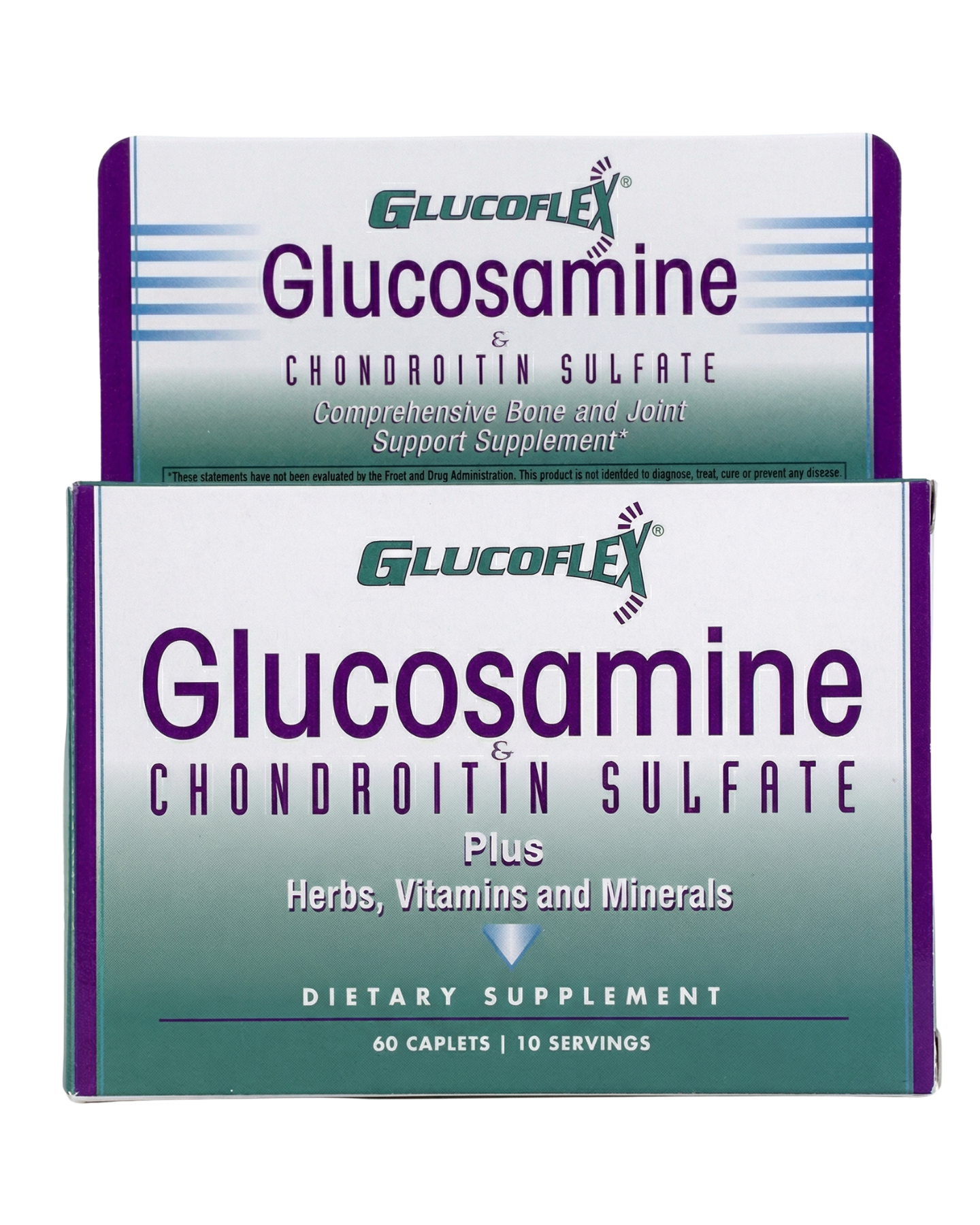
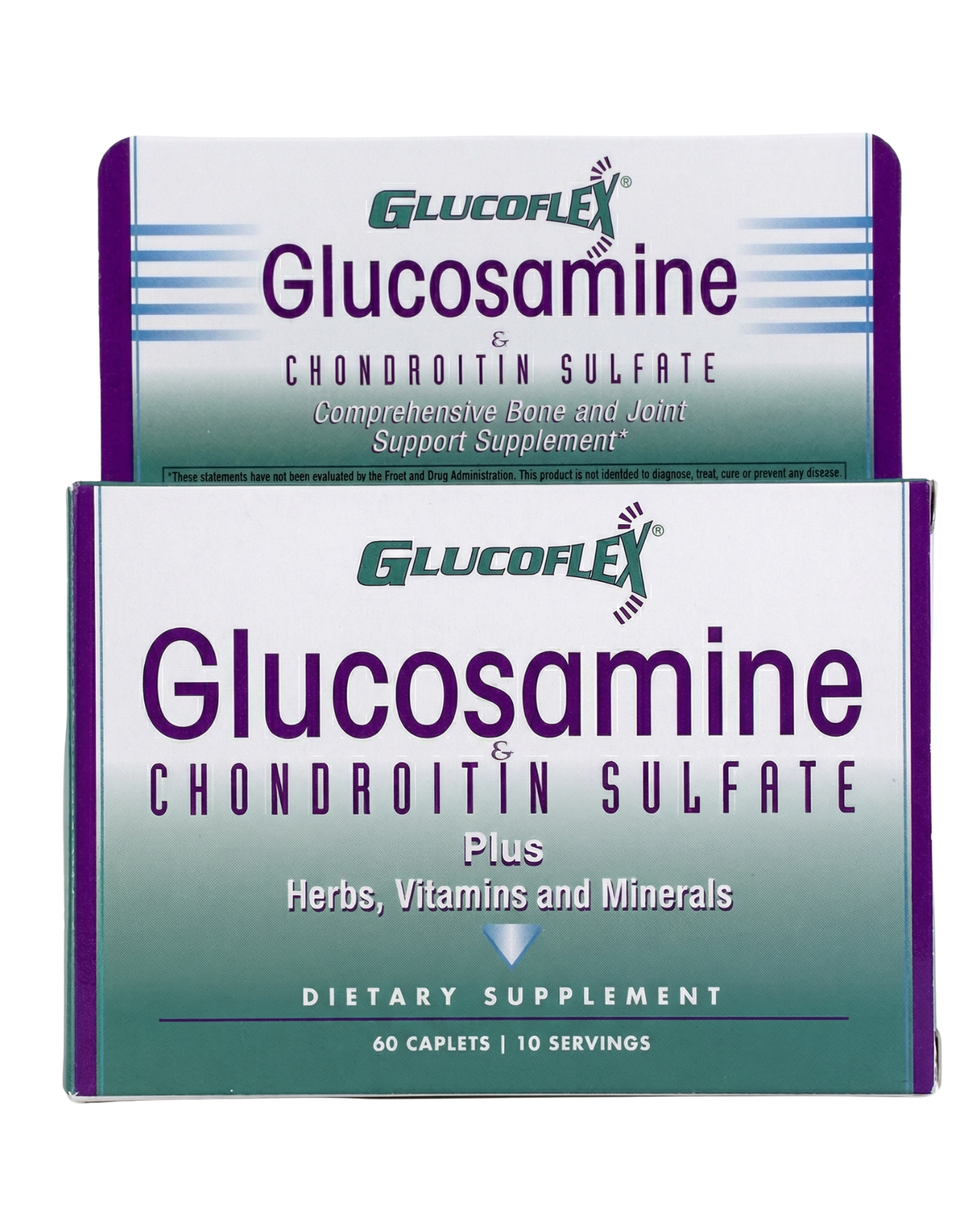
Glucoflex Glucosamine & CSA Joint Support Caplets 60ct
$13.99
Form matters more than most people realize.
Glucosamine sulfate is the form with the strongest clinical backing. Glucosamine hydrochloride (HCl) is cheaper to manufacture, more common in U.S. products, and has weaker evidence — though some researchers argue it's still effective when dosed appropriately. If you see a product that doesn't specify the salt form, that's a red flag.
Pair it with chondroitin sulfate.
Based on the evidence above, a combination formula is the smarter buy. Look for products that include chondroitin sulfate alongside glucosamine, not just one or the other.
Dosage range to look for:
- Glucosamine: 1,500 mg/day (split across doses or as a single daily dose)
- Chondroitin: 800–1,200 mg/day
Products significantly below these amounts are unlikely to mirror what the clinical trials used.
Quality signals you can trust:
- GMP (Good Manufacturing Practice) certification — means the product was made in a verified, controlled facility
- Third-party testing for potency and purity
- Clear labeling of active ingredient forms and amounts
- No unnecessary proprietary blends that obscure individual doses
What to avoid:
- Gummy formats — almost never hit clinical dosages
- Products with heavy filler loads and minimal actives
- Vague labels that say "glucosamine complex" without specifying the form
The Honest Verdict
Never run out.
Subscribe to any product and save 10% on your first order, 5% after. Pause or cancel anytime.
Subscribe & Save 10%Glucosamine isn't a miracle — but it's not snake oil either. For people with knee osteoarthritis, a quality glucosamine-plus-chondroitin formula taken consistently for at least three months gives you a legitimate shot at meaningful relief with minimal risk. If you've been dismissing it as hype, the evidence for the right combination and the right person is stronger than most supplement skeptics admit.
Frequently Asked Questions
Q: How long does glucosamine take to work?
A: Most clinical trials run 8–24 weeks before measuring outcomes, and that timeframe reflects real-world experience. Don't judge it at four weeks. Give it a minimum of 8–12 weeks of daily use before deciding whether it's working for you.
Q: Can I take glucosamine if I have a shellfish allergy?
A: Many glucosamine products are derived from shellfish shells. If you have a shellfish allergy, look specifically for products labeled as shellfish-free or derived from fermented corn — these exist, but they're less common. Always check with your healthcare provider before starting.
Q: Is glucosamine safe to take long-term?
A: Research spanning two to three years shows a strong safety profile with no significant adverse effects in otherwise healthy adults. Studies don't raise concerns about blood sugar, liver function, or cardiovascular risk at standard doses, despite older speculation. That said, anyone with diabetes or on blood thinners should consult a physician before starting, as some interactions are theoretically possible.
Where to Find Quality Glucosamine Supplements
Moore Vitamins carries GMP-certified joint support formulas that combine glucosamine and chondroitin sulfate in clinically relevant doses. Every product in the lineup ships same-day on weekday orders, and the Subscribe & Save option makes consistent long-term use easier on your wallet — which matters for a supplement you'll want to take for months at a time.
Glucoflex Glucosamine & CSA Joint Support Caplets 60ct delivers both glucosamine and chondroitin sulfate in a clean caplet format — no gummy shortcuts, no mystery blends. If you're serious about trying the combination the research actually supports, this is where to start.
Never miss a dose.
Evidence-based wellness guides like this one, in your inbox. No hype, no spam — unsubscribe anytime.