Green Tea Extract vs. Matcha: Which Form Actually Delivers the Benefits?
Green tea extract capsules and matcha powder both promise the same headline benefits — but they deliver very different compounds at very different doses. A standardized green tea extract capsule can pack 400–500 mg of EGCG (epigallocatechin gallate), the primary active catechin. A cup of matcha delivers roughly 50–70 mg of EGCG, with the rest of the plant's full polyphenol matrix intact. The peer-reviewed research on green tea EGCG and metabolism shows meaningful effects starting around 300–400 mg of EGCG daily — a threshold matcha alone rarely reaches without drinking three to five cups. That gap matters most for people using green tea specifically for metabolic support, fat oxidation, or cognitive performance rather than general antioxidant intake. If you're choosing between a capsule and a morning ritual, understanding what each form actually delivers will change how you spend your money.
The Same Leaf, Two Very Different Products
Both green tea extract and matcha come from Camellia sinensis — the same plant, the same species. The difference is everything that happens after harvest.
Green tea extract is concentrated. Manufacturers strip the leaves down to their active compounds, standardize the catechin content, and pack it into a capsule. You know exactly what you're getting: typically 45–98% polyphenols and a labeled EGCG milligram amount.
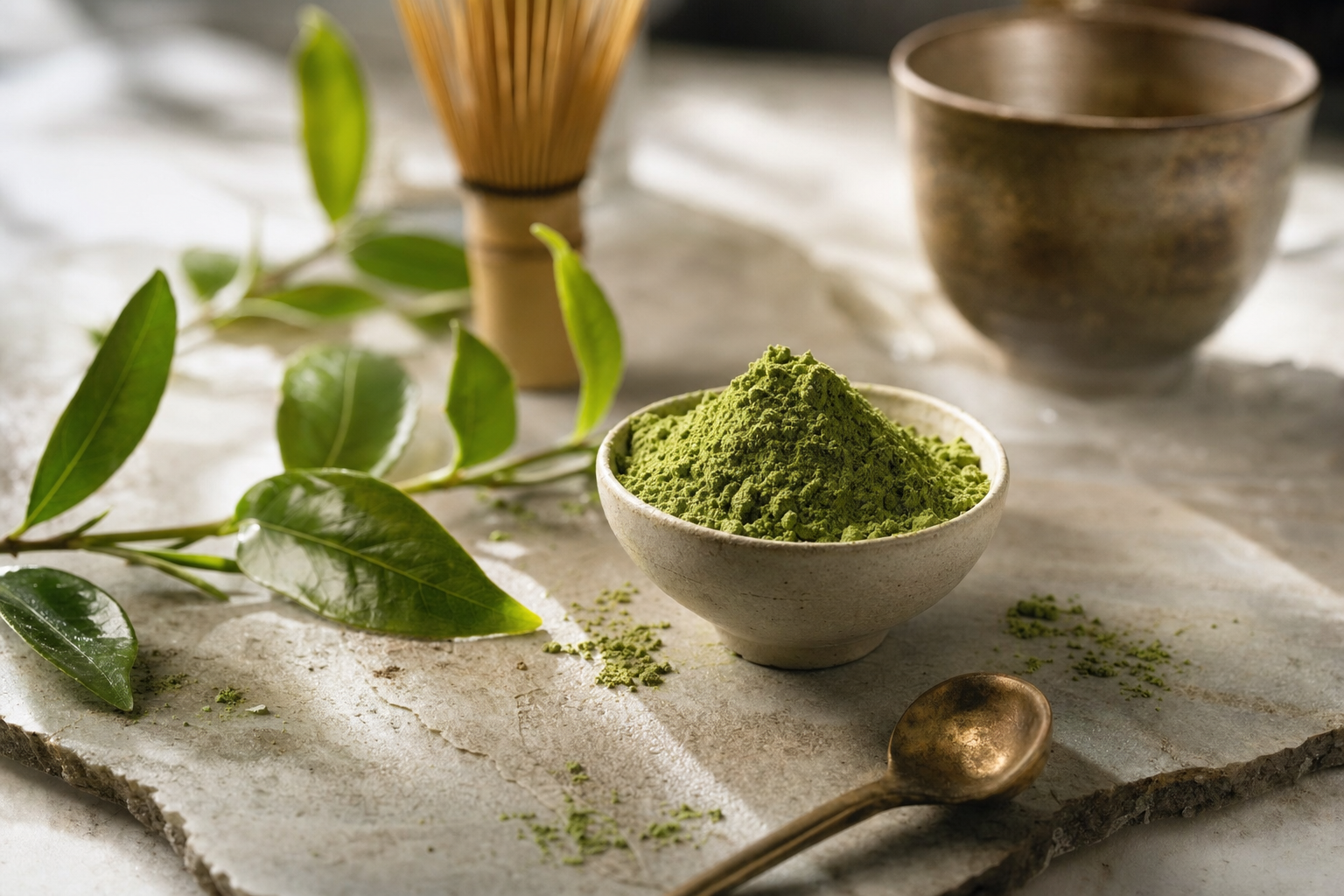
Matcha is the whole leaf, stone-ground into powder. You consume the entire plant matrix — fiber, chlorophyll, L-theanine, caffeine, and a full spectrum of catechins — not just isolated EGCG. That completeness has its own advantages, which extraction can't fully replicate.
Neither is strictly "better." They're tools for different jobs.
What the Research Actually Shows
The most robust evidence for green tea catechins centers on three areas: metabolic support, cognitive performance, and antioxidant activity.
On metabolism, studies suggest that 300–400 mg of EGCG daily may support modest increases in fat oxidation, particularly during exercise. A systematic review of green tea extract trials found statistically significant — though small — reductions in body weight and fasting glucose in overweight adults. The NIH Office of Dietary Supplements green tea fact sheet notes the evidence is "promising but not conclusive" for weight management, which is an honest summary.
For cognition, the story isn't EGCG alone — it's the EGCG-plus-L-theanine combination. L-theanine promotes calm alertness. When paired with the moderate caffeine in green tea, research suggests it may sharpen attention without the jitteriness of caffeine alone. Matcha naturally contains higher L-theanine levels than standard green tea. Isolated extract capsules often lose much of this L-theanine during processing unless it's specifically added back.
The evidence is weak for anti-cancer claims and mixed for cardiovascular outcomes. Those benefits appear in large observational studies of green tea drinkers — populations consuming the whole plant across decades — not in short-term extract trials. Be skeptical of any product claiming green tea extract prevents cancer or heart disease.
The Bioavailability Problem Capsules Don't Advertise
Here's what most product pages skip: EGCG bioavailability is highly variable, and the form you take dramatically affects it.
EGCG absorbs better on an empty stomach — but it's also more likely to cause nausea that way. Taking it with food blunts absorption by up to 65%, according to pharmacokinetic research on green tea catechin absorption. That's a massive swing most users never account for.
Matcha, consumed as a drink, sidesteps some of this. The fat from any milk you add improves absorption of fat-soluble compounds. The slower consumption rate (sipping vs. swallowing a pill) distributes the catechin load across your digestive system more gradually.
High-dose extract capsules carry another risk matcha doesn't: hepatotoxicity at very high doses. The European Food Safety Authority flagged concerns around extracts providing more than 800 mg EGCG per day. This isn't common, but it's real — and it's one reason "more is more" logic fails here.
What to Look For When Buying
For green tea extract capsules:
- Look for standardization to at least 45% EGCG, with the EGCG milligrams clearly listed — not just "green tea extract 500 mg"
- A 200–400 mg EGCG daily dose is the evidence-supported range; avoid products pushing 800 mg+ per serving
- GMP-certified manufacturing matters here — contamination and mislabeling are documented problems in this category
- Third-party testing (NSF, USP, Informed Sport) is the best signal of quality
- Avoid proprietary blends that obscure individual catechin amounts
- Skip products with artificial fillers, unnecessary binders, or soy-derived coatings
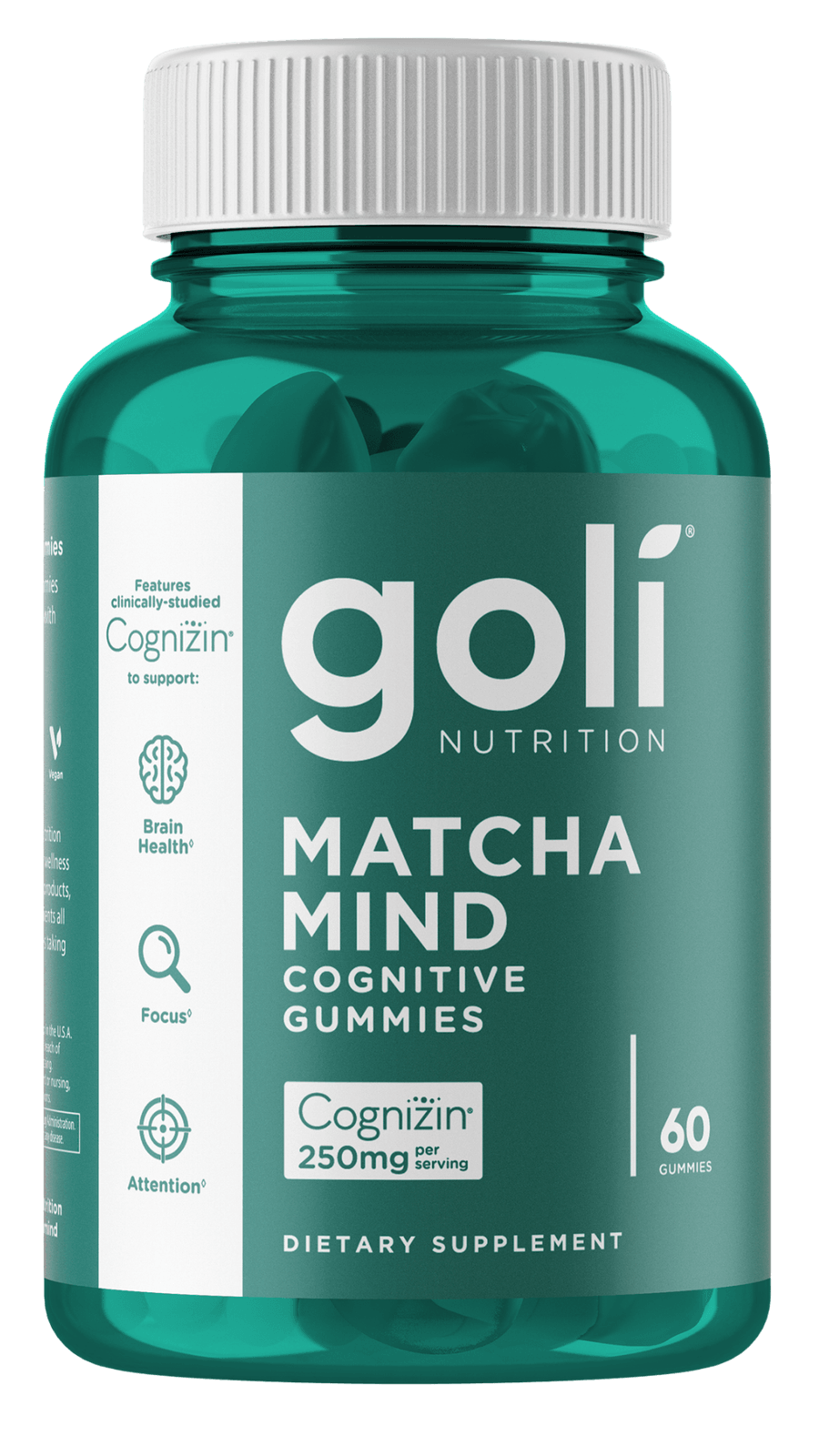
Related Product
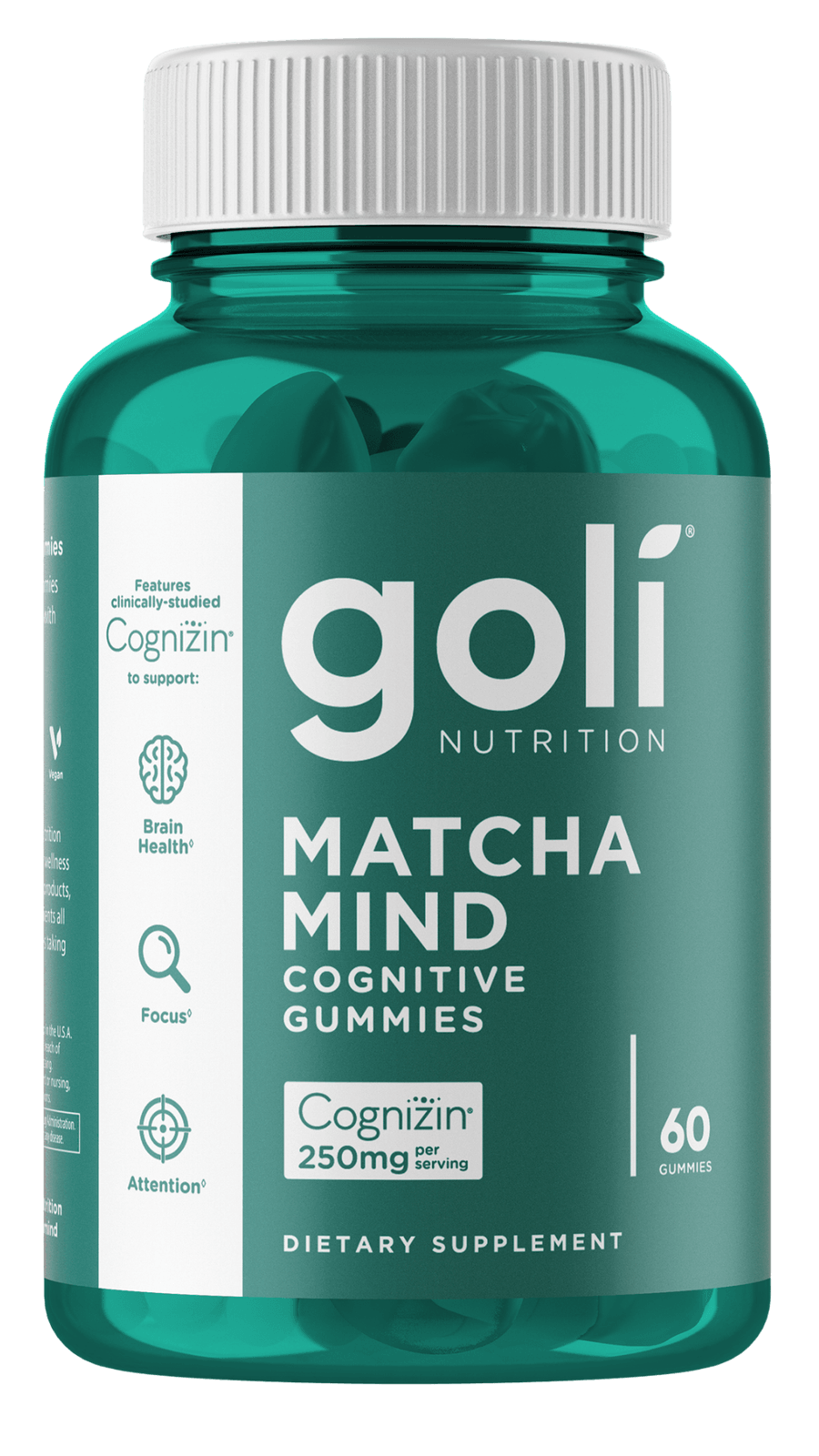
Goli Matcha Mind Cognitive Gummies 60ct
$14.98
For matcha-based products:
- Ceremonial grade provides higher L-theanine and chlorophyll than culinary grade
- Organic certification reduces pesticide exposure — Camellia sinensis is a heavy pesticide crop conventionally
- Gummies and powders both work; powders typically deliver a more complete phytochemical profile
- A green apple or fruit flavoring won't degrade the catechin content meaningfully
If you want precision-dosed EGCG for a specific goal like metabolic support, a standardized capsule makes more sense. If you want the full plant matrix — L-theanine, fiber, chlorophyll — in a daily ritual, matcha is the better fit.
The Honest Verdict
Standardized green tea extract earns its reputation for EGCG delivery, but only at the right dose, timed correctly, from a verified source. Matcha is the more complete option for daily use — lower individual EGCG but a richer phytochemical profile and meaningfully more L-theanine. Most people choosing between the two aren't choosing wrong; they're choosing for the wrong reason. Match the form to your actual goal, stay under 800 mg EGCG daily, and buy from a brand that shows its testing.
Frequently Asked Questions
Never run out.
Subscribe to any product and save 10% on your first order, 5% after. Pause or cancel anytime.
Subscribe & Save 10%Q: Can I take green tea extract every day long-term?
A: Most research showing benefit uses green tea extract daily for 8–12 weeks. Long-term daily use at standard doses (200–400 mg EGCG) appears safe for most healthy adults. The concern is with high-dose concentrated extracts above 800 mg EGCG per day — those are linked to rare but serious liver stress events. Stay within the evidence-supported range and take occasional breaks if you're using it continuously.
Q: Does green tea extract actually help with weight loss?
A: Modestly, and only as a complement to diet and exercise — not a substitute. Clinical trials show average weight reductions of 0.5–1.5 kg over 12 weeks compared to placebo, alongside small improvements in fasting glucose. That's statistically significant but not transformative. Anyone selling green tea extract as a serious fat-burner is overstating the evidence.
Q: Is matcha better than green tea extract for focus and calm?
A: For cognitive effects specifically, matcha likely has an edge — its naturally higher L-theanine content works synergistically with caffeine to promote calm, sustained alertness. Most green tea extract capsules are standardized for EGCG only and contain little to no L-theanine unless it's added as a separate ingredient. If focus and mood are your primary goals, choose a whole-leaf matcha product over an isolated extract.
Where to Find Quality Green Tea Supplements
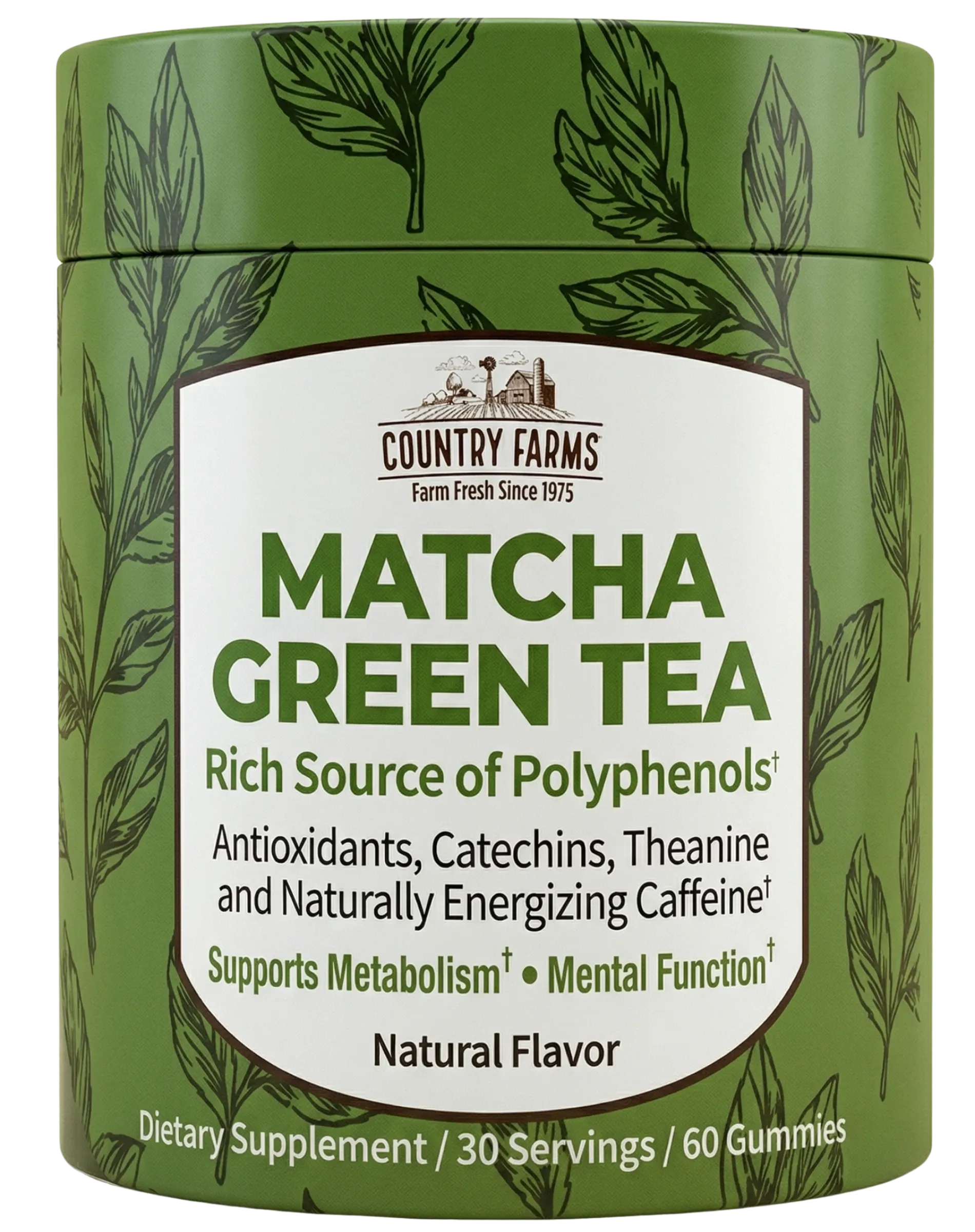
Moore Vitamins carries GMP-certified green tea options that make daily use easy without compromising on quality. If you prefer a whole-leaf matcha format, the Country Farms Matcha Green Tea Gummies 60ct deliver ceremonial-grade matcha in a convenient, consistent daily dose — a solid choice for the L-theanine and full plant matrix approach. For a broader antioxidant base that pairs well with green tea catechins, the Country Farms Super Greens Powder 10.6 oz adds a full-spectrum superfood blend to your routine. Both ship same-day and qualify for Subscribe & Save pricing when you're ready to make green tea a consistent part of your stack.
Never miss a dose.
Evidence-based wellness guides like this one, in your inbox. No hype, no spam — unsubscribe anytime.