Sleep and Melatonin: Your Top Questions Answered
Most people reaching for melatonin grab a 10 mg gummy when research consistently finds that 0.5–3 mg is enough — and that higher doses don't extend sleep, they just raise your odds of waking up groggy. Melatonin is a hormone your pineal gland already produces; supplementing it works best as a timing cue, not a sedative. Meta-analyses covering thousands of adults show it cuts the time to fall asleep by roughly 7 minutes on average and works most reliably for jet lag, shift-work disruption, and delayed sleep phase disorder. It is far less effective for chronic insomnia driven by anxiety, pain, or poor sleep hygiene. If you're taking it nightly and still waking at 3 a.m., the dose or form may be the issue — not a personal failure. This overview answers every question Google sends most often so you can make a faster, better-informed decision.
Frequently Asked Questions About Sleep and Melatonin
Is it good to take melatonin for sleep?
Yes — for specific situations. Melatonin reliably helps shift your body clock when it has drifted out of sync: jet lag, late-night shift work, or a sleep schedule that has crept past midnight. For those uses, even 0.5 mg taken 30–60 minutes before the target bedtime shows measurable benefit in peer-reviewed research on melatonin and sleep onset. It is a weaker tool for chronic insomnia where the underlying driver is stress, pain, or lifestyle habits. We break down the full evidence — including the studies that didn't pan out — in Does Melatonin Actually Help You Sleep? The Science Behind the Hype.
Is it okay if I take melatonin every night?
Short-term nightly use (days to a few weeks) appears safe for most healthy adults, and the NIH Office of Dietary Supplements melatonin fact sheet notes no serious adverse events have been linked to it in clinical trials. The concern with long-term nightly use isn't toxicity — it's dependency on a crutch instead of addressing root causes, and the theoretical possibility of blunting your body's own production over time, though evidence for that is limited. If you're still reaching for it after four weeks, talk with a doctor about whether cognitive behavioral therapy for insomnia (CBT-I) or a sleep study might be the better next step.
Why don't doctors like melatonin?
Many doctors don't dislike melatonin itself — they're cautious about three things. First, supplements are not FDA-regulated like drugs, so label accuracy varies; independent testing has found some products contain two to four times the stated dose. Second, melatonin treats the symptom (trouble falling asleep) without touching the cause, which can delay a real diagnosis. Third, patients sometimes escalate to very high doses (10–20 mg) chasing stronger results, which the evidence doesn't support. A doctor who steers you away is usually nudging you toward a root-cause conversation, not dismissing the supplement entirely.
What are the side effects of taking melatonin?
The most common are next-day drowsiness, headache, dizziness, and mild nausea — all dose-dependent and more likely above 3 mg. Vivid dreams are frequently reported, especially with extended-release forms. Melatonin can also shift your circadian rhythm in the wrong direction if taken at the wrong time of day (morning use, for example, can worsen jet lag). At standard doses, side effects are generally mild and short-lived. Anyone driving or operating heavy machinery the morning after should check how they feel before assuming they're unaffected.
Who should not take melatonin?
Certain groups should avoid or use melatonin only under medical supervision. Pregnant or breastfeeding women — evidence on fetal effects is insufficient. Children and teenagers — their developing endocrine systems may respond differently; several pediatric sleep societies recommend reserving it for specific diagnosed conditions, not general sleeplessness. People on blood thinners (warfarin), immunosuppressants, diabetes medications, or seizure drugs — melatonin can interact with all of these. People with autoimmune conditions — melatonin has immune-modulating properties that could theoretically be problematic. If you're on any prescription medication, check with your doctor or pharmacist before starting melatonin. If you're weighing melatonin against other options, our Melatonin vs. Magnesium for Sleep guide covers who tends to do better with each.
How many hours will I sleep with melatonin?
Melatonin does not reliably extend total sleep duration — that's one of the most common misconceptions about it. Its primary effect is shifting when you fall asleep, not how long you stay asleep. Studies show it reduces sleep onset latency by roughly 7 minutes on average in general adult populations. If you're expecting 8 hours when you usually get 5, melatonin alone won't get you there. Sleep duration is governed more by sleep drive (how long you've been awake), sleep hygiene, and underlying health factors than by melatonin levels.
What is the healthiest thing to take for sleep?
Related Product
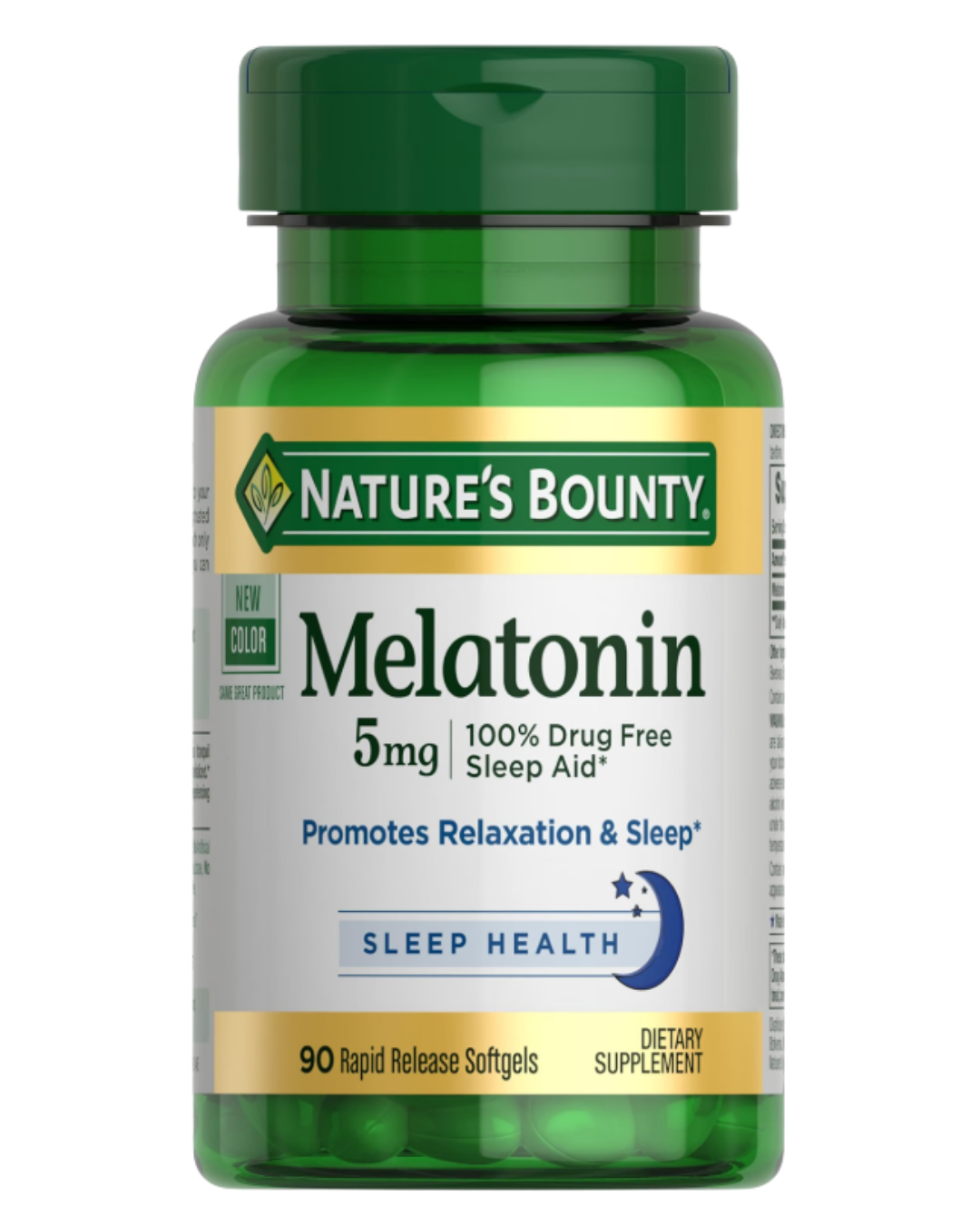
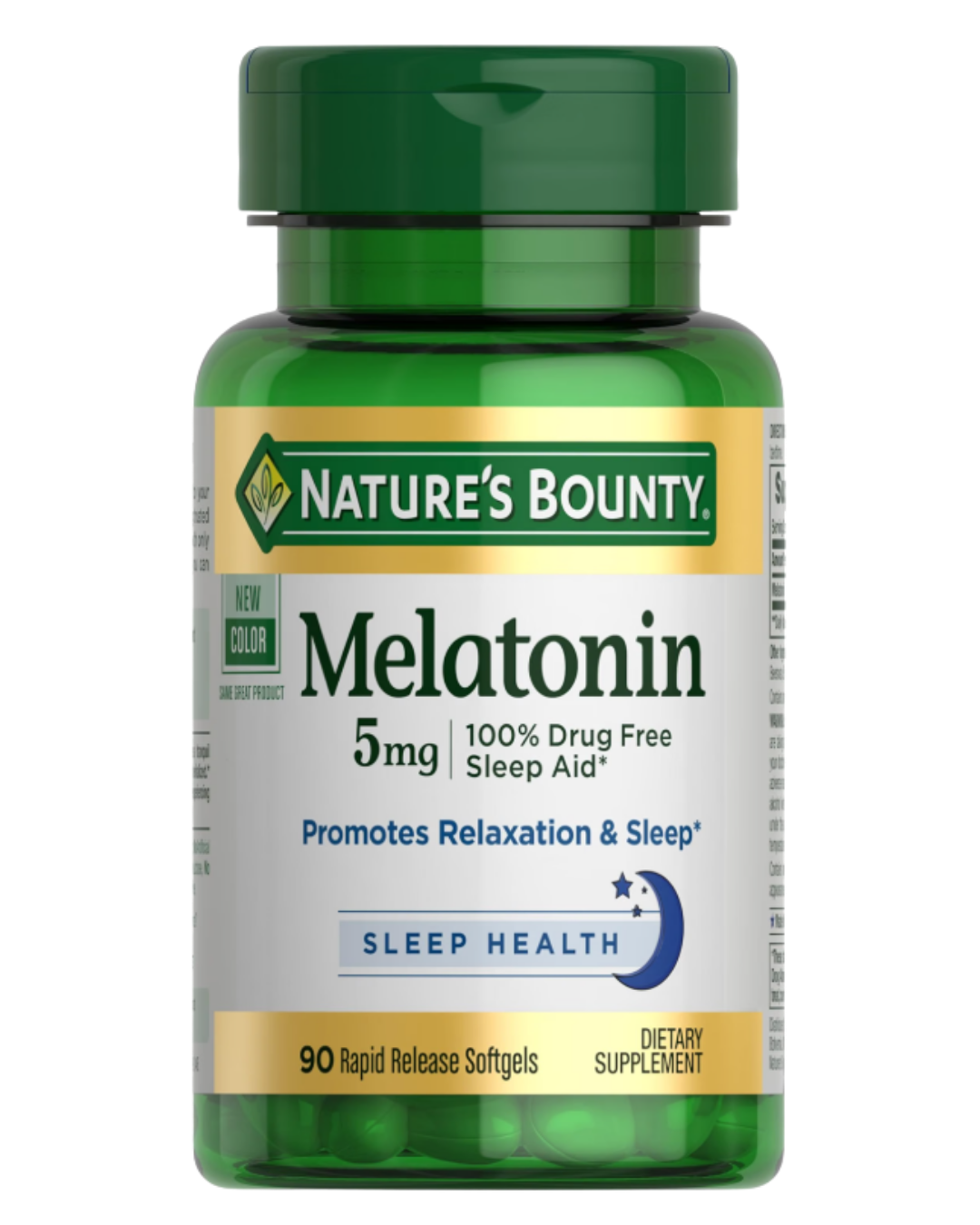
Nature's Bounty Melatonin 5mg Rapid Release Softgels 90ct
$7.95
The most evidence-backed non-prescription approaches are melatonin (for circadian timing), magnesium glycinate (for relaxation and sleep quality, particularly if dietary intake is low), and l-theanine (for reducing nighttime anxiety without sedation). None of these are a substitute for good sleep hygiene: consistent bedtime, a cool dark room, and cutting screens 60 minutes before bed. Among supplements, magnesium has a strong evidence base and doubles as a nutrient many adults are deficient in. We ranked the strongest options with dose guidance in Best Sleep Supplements 2026: Natural Sleep Aids That Actually Work.
Why do I keep waking up at 3am when I take melatonin?
Waking in the early hours while taking melatonin usually points to one of three issues. Too high a dose — paradoxically, large doses (5–10 mg or more) can cause rebound wakefulness a few hours in as your body processes the spike. Wrong form — immediate-release melatonin peaks quickly and clears your system within 4–5 hours; if you fall asleep at 10 p.m., it may simply run out by 3 a.m. An extended-release form can help. An underlying issue — blood sugar dips, sleep apnea, anxiety, or a need to urinate all cause early waking that melatonin can't fix. Our Melatonin Dose vs. Form guide walks through how to match the formulation to your actual sleep pattern.
What to Look For When Buying
Dose: Start at 0.5–1 mg. Work up to 3 mg if needed. Doses above 5 mg offer no proven additional benefit for most people and increase side-effect risk.
Form matters: Immediate-release gummies or melts are best for trouble falling asleep. Extended-release or liquid formulas suit people who fall asleep fine but wake too early. Fast-dissolve melts are ideal if you want the supplement to act quickly without water.
Quality signals: Look for products made in a GMP-certified facility and, ideally, verified by a third-party tester (USP, NSF, or Informed Sport). Because supplement labels can be inaccurate, third-party verification that the stated dose is the actual dose is worth prioritizing.
What to avoid: Proprietary blends that hide individual ingredient amounts, products with added sugar alcohols if you have GI sensitivity, and any product claiming to "cure" insomnia.

Subscribe & Save
Never run out.
Subscribe to any product and save 10% on every order. Pause or cancel anytime.
Subscribe & Save 10%The Bottom Line
Melatonin is a well-tolerated, low-risk supplement that works best as a timing signal — not a sedative. Match the dose (low), timing (30–60 minutes before target sleep), and form (immediate vs. extended-release) to your specific sleep problem, and it becomes a genuinely useful tool. If four weeks of consistent use hasn't shifted your sleep, the problem likely sits upstream of melatonin.
Where to Find Quality Melatonin Supplements
Moore Vitamins carries a GMP-certified melatonin lineup across every major form — gummies, fast-dissolve melts, and liquid drops — with same-day fulfillment and Subscribe & Save pricing for nightly users.
- Melatonin 5mg Gummies 30ct — a straightforward gummy for those who have already tried lower doses
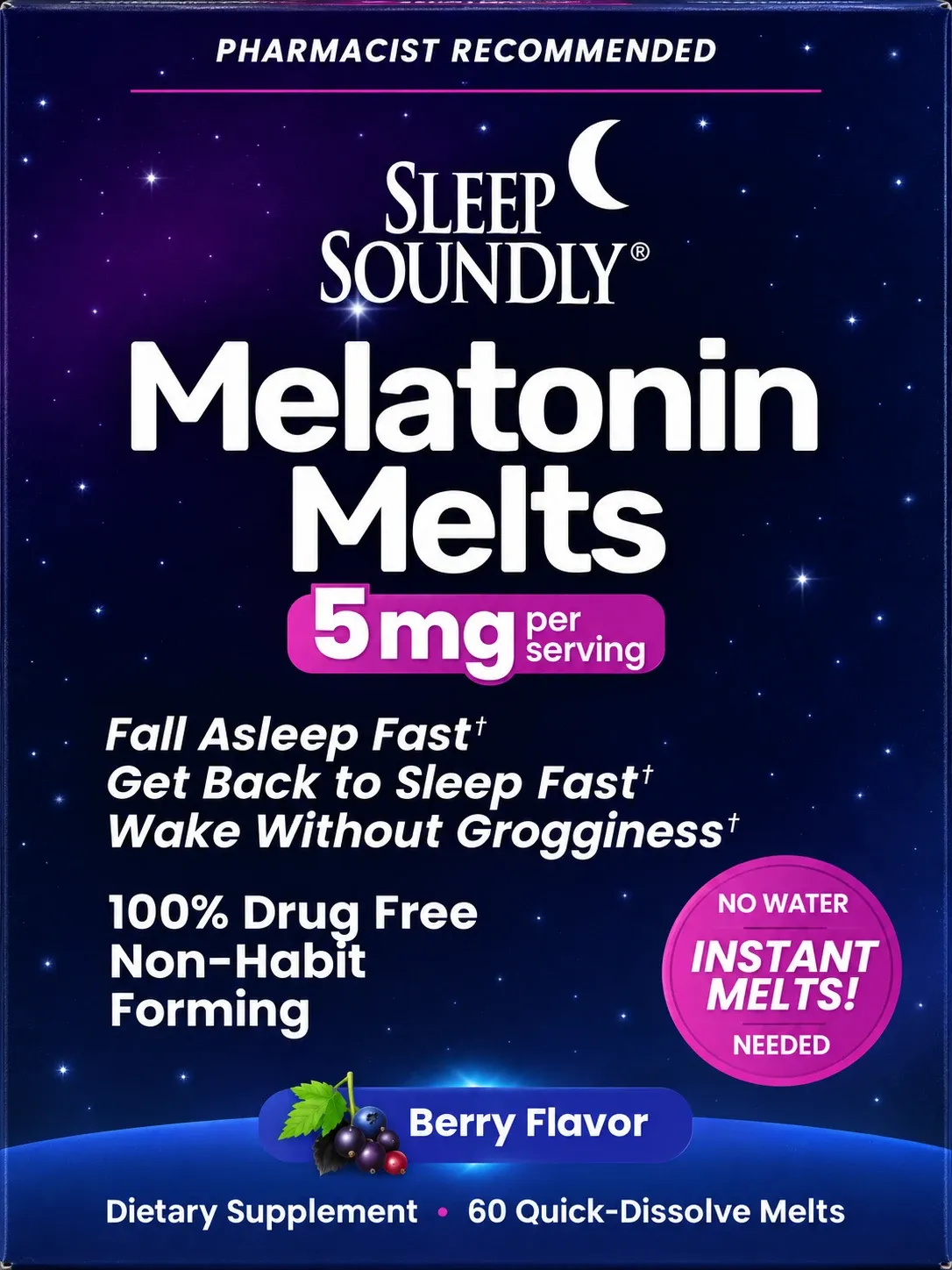
- Sleep Soundly Instant Acting Melatonin Melts 60ct — fast-dissolve format, ideal for trouble falling asleep
- Sleep Soundly Liquid Melatonin 3.5mg Sleep Support Liquid 2oz — liquid drops let you fine-tune your dose precisely, great for starting low
- VitaDrops Melatonin & Magnesium Gummies 60ct — combines melatonin with magnesium for those who want both in one step (see our Melatonin vs. Magnesium for Sleep guide to decide if this combo fits your needs)
- Goli Extra-Strength Sleep 10mg Melatonin Gummies 50ct — higher-dose option for shift workers or severe jet lag; not recommended as a starting point
Never miss a dose.
Evidence-based wellness guides like this one, in your inbox. No hype, no spam — unsubscribe anytime.