Vitamin D and Aging: What the Harvard VITAL Study Found
In May 2025, a Harvard-affiliated team published something the supplement world had been waiting decades for: a large, randomized, placebo-controlled trial suggesting that a daily vitamin D supplement may slow one of the body's clocks of cellular aging. Adults who took 2,000 IU of vitamin D3 every day for four years lost noticeably less of their telomere length than adults who took a placebo. The lead investigator put the difference at roughly three years of biological aging. The study went viral again in late 2025 when the New York Post picked it up. Here is what the research actually tested, what it found, what it did not prove, and what it means for your own routine.
What Are Telomeres, and Why Do They Matter?
Telomeres are protective caps of repeating DNA at the ends of each chromosome. Think of them like the plastic tips on shoelaces: they keep the working part of the strand from fraying. Every time a cell divides, its telomeres get a little shorter. When they become too short, the cell stops dividing properly.
Because telomeres shorten steadily over a lifetime, scientists use telomere length in white blood cells as one marker of biological age: how old your cells behave, as opposed to the number of birthdays you have had. Shorter telomeres have been associated in observational research with many of the chronic conditions that become more common with age. Lifestyle factors such as smoking, chronic stress, poor sleep, and inactivity are linked to faster shortening.
That is why a supplement that appears to slow telomere loss made headlines.
What the VITAL Study Actually Did
The findings come from VITAL (the VITamin D and OmegA-3 TriaL), one of the largest nutrition trials ever run in the United States. It was led by Dr. JoAnn Manson at Brigham and Women's Hospital, a Harvard teaching hospital, with first author Dr. Haidong Zhu of the Medical College of Georgia at Augusta University.
The design:
- Who: 1,054 adults in the telomere sub-study, drawn from the larger VITAL trial of U.S. women aged 55+ and men aged 50+
- What they took: 2,000 IU of vitamin D3 per day, 1 gram of omega-3 fish oil per day, both, or placebos
- How it was run: randomized, double-blind, and placebo-controlled, the gold-standard design. Neither participants nor researchers knew who was taking what.
- What was measured: telomere length in white blood cells at the start, after two years, and after four years
The results were published in the American Journal of Clinical Nutrition (read the abstract00255-2/abstract)).
What It Found
Vitamin D3: The vitamin D group lost about 140 fewer base pairs of telomere length over four years than the placebo group. Based on how fast telomeres typically shorten with age, the researchers estimated that difference as preventing the equivalent of nearly three years of cellular aging over the four-year study.
"VITAL is the first large-scale and long-term randomized trial to show that vitamin D supplements protect telomeres." — Dr. JoAnn Manson, Brigham and Women's Hospital (Harvard Gazette)
Omega-3: Fish oil at 1 gram a day showed no significant effect on telomere length. That is worth knowing, because omega-3s have their own well-researched roles, and this result simply means telomeres were not one of them in this trial.
Why might vitamin D matter here? Researchers point to its role in regulating inflammation and immune activity. Chronic, low-grade inflammation is one of the factors thought to speed telomere wear, so a nutrient that helps keep it in check is a plausible candidate.
What the Study Did NOT Prove
This is where a lot of headlines got ahead of the science. An honest reading includes these limits:
- Telomeres are a marker, not an outcome. The study showed slower telomere shortening. It did not show that people in the vitamin D group lived longer, felt younger, or had fewer age-related health problems because of it.
- The population was older adults. Participants were women 55+ and men 50+. We do not know whether the same effect holds for people in their 20s or 30s.
- One trial is one trial. The researchers themselves said "further research is warranted." Findings like this need to be repeated in other groups before they are treated as settled.
- "Three years" is an estimate. It converts a difference in base pairs into years using average shortening rates. It is a helpful way to picture the size of the effect, not a literal measurement of anyone's age.
- The dose was moderate. The trial used 2,000 IU, not megadoses. More is not automatically better. Read the safety section below.
None of that makes the finding unimportant. A randomized trial this large and this long is rare in nutrition research, which is exactly why it stood out.
What This Means for Your Routine
If you are already taking vitamin D, this study is encouraging news about a supplement many adults use for bone and immune support. If you are not, here is how to think about it.
1. Know your level first
An analysis of national survey data estimated that about 42% of U.S. adults have low vitamin D (Forrest & Stuhldreher, Nutrition Research), and the NIH Office of Dietary Supplements explains the cutoffs doctors use. A simple 25-hydroxyvitamin D blood test tells you where you stand. Our guide on how to know if you're vitamin D deficient covers the signs that are easy to miss.
2. The trial dose sits in a well-studied range
Related Product
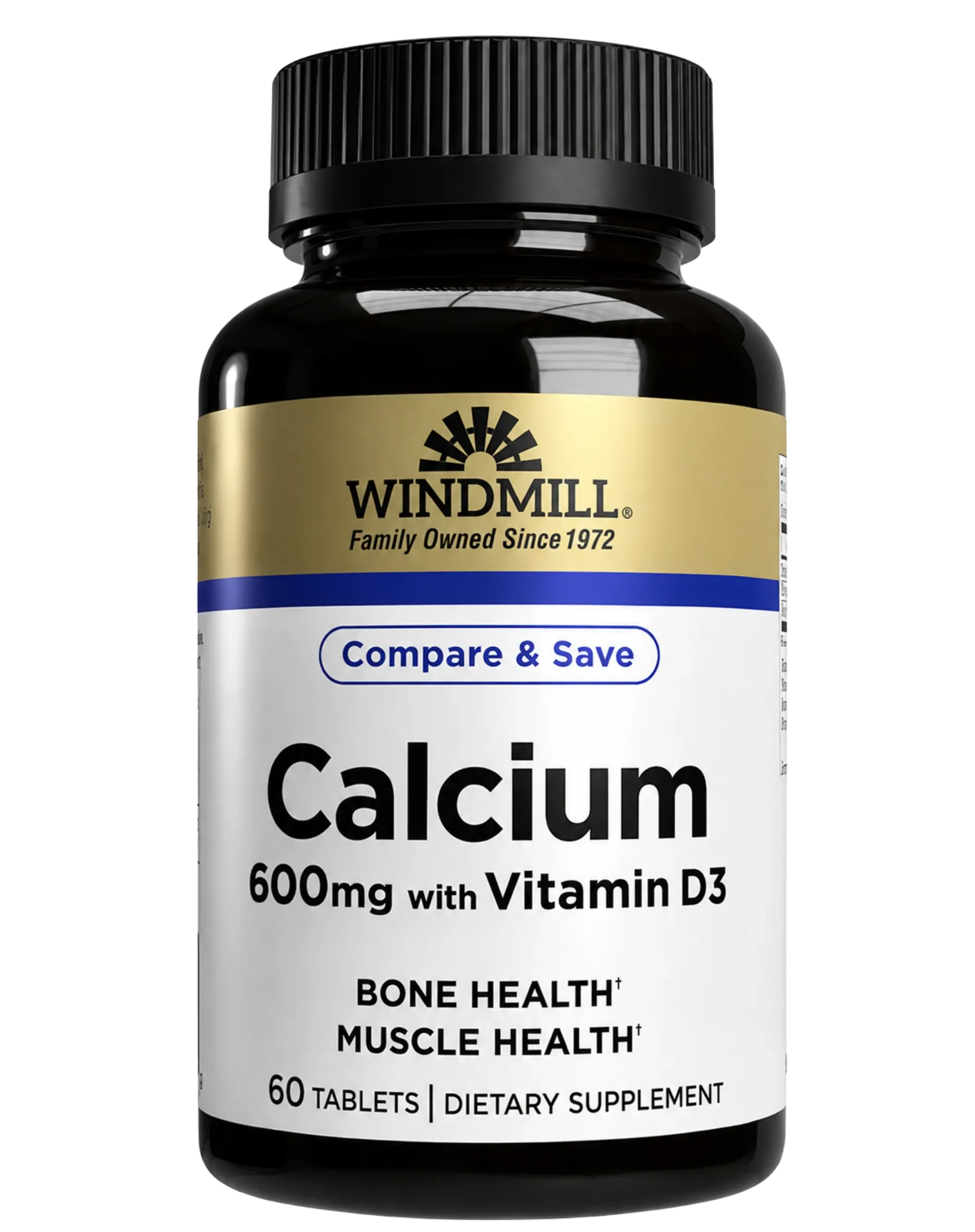
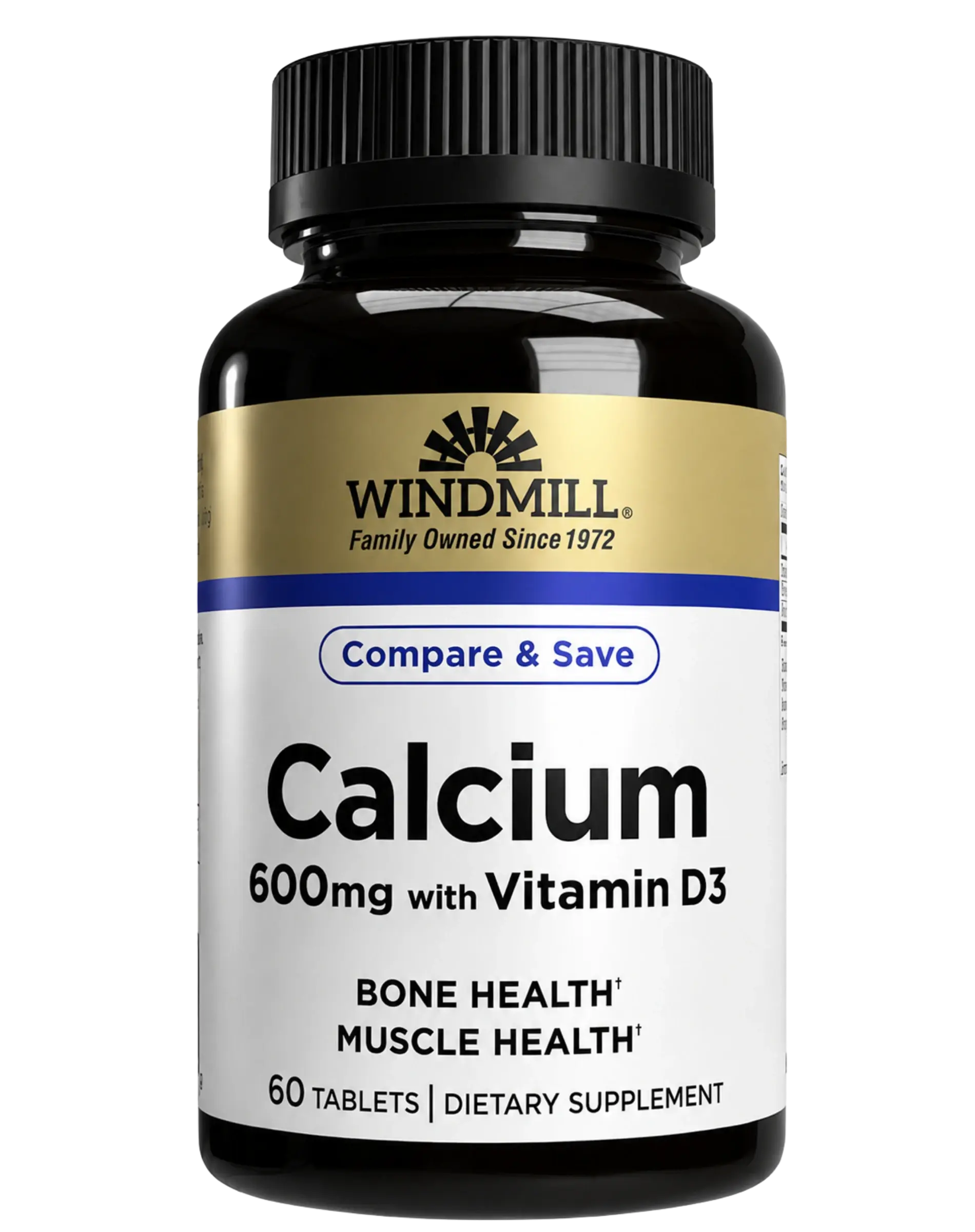
Windmill Calcium 600mg with Vitamin D3 Bone Health Tablets 60ct
$9.99
2,000 IU (50 mcg) a day is above the 600–800 IU RDA but well below the 4,000 IU tolerable upper intake level the NIH sets for adults. For most people, 1,000–2,000 IU is a common maintenance dose. Our vitamin D3 daily dosage guide breaks this down by age and situation. Doses above 4,000 IU should be guided by a blood test and a clinician.
3. Choose D3, and take it with food
VITAL used vitamin D3 (cholecalciferol), the form most research supports. It is fat-soluble, so it absorbs best with a meal that contains some fat. See D3 vs D2 and our piece on fat-soluble vitamin timing.
4. Consider K2 if you take D regularly
Vitamin D increases calcium absorption, and vitamin K2 helps direct that calcium to bones. Many people pair the two; we cover the reasoning in Can You Take Vitamin D and K2 Together?.
5. Supplements support a lifestyle, not replace one
The habits linked to healthy telomeres in observational research (not smoking, regular movement, good sleep, managing stress, and a diet rich in whole foods) still matter most. A daily vitamin D is one small, well-studied piece of that picture. Talk with your healthcare provider before starting any supplement, especially if you take medication or have a medical condition.
Frequently Asked Questions
Does vitamin D slow aging?
One large randomized trial, VITAL, found that 2,000 IU of vitamin D3 daily slowed telomere shortening over four years, a marker associated with biological aging. That is promising, but it has not yet been shown to change how long people live or how they age overall. More research is needed.
How much vitamin D was used in the Harvard study?
2,000 IU (50 mcg) of vitamin D3 per day, taken for about four years.
Did fish oil slow aging in the study?

Subscribe & Save
Never run out.
Subscribe to any product and save 10% on every order. Pause or cancel anytime.
Subscribe & Save 10%No. The omega-3 group (1 gram per day) showed no significant difference in telomere length compared with placebo.
Is 2,000 IU of vitamin D safe to take every day?
For most adults, yes. It is below the NIH's 4,000 IU daily upper limit for adults. People with kidney disease, certain other conditions, or who take some medications should check with their doctor first.
Should younger adults take vitamin D for anti-aging?
The trial studied adults over 50 (men) and 55 (women), so there is no direct evidence for younger people yet. Vitamin D is still important at every age for bone and immune health, and a blood test is the best guide to whether you need a supplement.
The Bottom Line
The VITAL telomere study is one of the strongest pieces of evidence so far that a common, inexpensive nutrient might influence a marker of cellular aging. It used a moderate 2,000 IU daily dose of vitamin D3, ran for four years, and was randomized and placebo-controlled. It is not proof that vitamin D will make you live longer. It is a good reason to make sure your vitamin D levels are where they should be.
Shop Vitamin D3 at Moore Vitamins
No specific brand was tested in the VITAL trial. If you want to match the trial's 2,000 IU daily dose, or simply keep your levels steady, these are the vitamin D3 options we carry. Orders ship same-day, and Subscribe & Save keeps your supply coming automatically.
- VitaDrops Vitamin D3 50 mcg (2000 IU) Gummies: 2,000 IU per serving, the same daily amount used in VITAL, in a fruit-flavored chewable
- Windmill Vitamin D3 1000 IU Tablets 100ct: two tablets equal the trial dose, or one for lighter maintenance
- Windmill Vitamin K2 & D3 Tablets: vitamin D3 paired with K2 in one tablet
- Nature's Bounty Vitamin D3 1000 IU Softgels 350ct: a large, long-lasting supply in an easy-to-swallow softgel
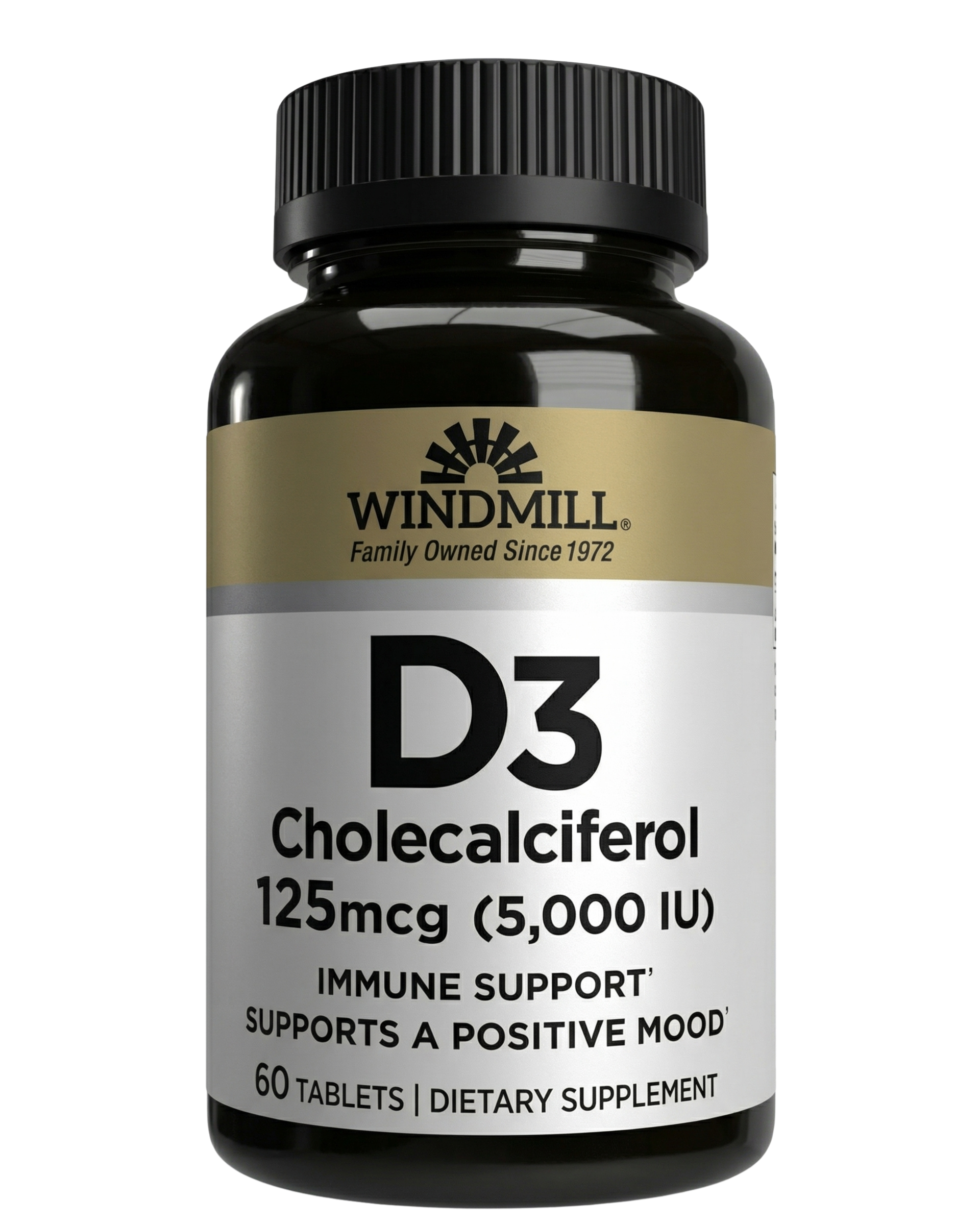
- Windmill Vitamin D3 5000 IU Softgels: a higher-potency option for people correcting a confirmed deficiency under a clinician's guidance
Never miss a dose.
Evidence-based wellness guides like this one, in your inbox. No hype, no spam — unsubscribe anytime.