How Much Vitamin D3 Should I Take Daily? The 2026 Dosage Guide
Quick Answer: Most adults should take 1,000-4,000 IU of vitamin D3 daily. The optimal dose depends on your current blood levels, sun exposure, age, and health goals. Start with 2,000 IU daily if you're unsure, then test and adjust.
How Much Vitamin D3 Should I Take Daily?
Your ideal vitamin D3 dosage ranges from 1,000-4,000 IU daily for most adults. The Endocrine Society recommends up to 4,000 IU daily as safe for adults, while the Institute of Medicine suggests 600-800 IU daily as minimum intake.
The wide range exists because vitamin D needs vary dramatically. Someone living in Florida who spends time outdoors needs less supplementation than someone working indoors in Minnesota during winter. Your skin tone, age, weight, and current blood levels all factor into your optimal dose.
Most vitamin D experts recommend targeting blood levels of 30-50 ng/mL (75-125 nmol/L). Research suggests this range supports immune function, bone health, and cardiovascular wellness most effectively.
Your Vitamin D3 Dose by Situation
Maintenance (adequate sun exposure): 1,000-2,000 IU daily
Limited sun exposure: 2,000-3,000 IU daily
Deficiency correction: 3,000-4,000 IU daily for 8-12 weeks
Over age 70: Add 800-1,000 IU to base recommendations
Higher body weight (over 200 lbs): Consider the higher end of ranges
Pregnant and breastfeeding women should discuss dosing with their healthcare provider, as needs increase during these periods. Children need significantly less — typically 400-1,000 IU daily depending on age.
Take vitamin D3 with your largest meal of the day. The fat content increases absorption by up to 32% compared to taking it on an empty stomach.
Common Vitamin D3 Dosing Mistakes
Taking vitamin D2 instead of D3. Vitamin D3 (cholecalciferol) raises blood levels more effectively than D2 (ergocalciferol). Studies show D3 is 87% more potent at raising and maintaining vitamin D levels.
Guessing instead of testing. Without knowing your baseline blood level, you're shooting in the dark. A simple 25(OH)D blood test costs $50-80 and shows exactly where you stand.
Taking mega-doses sporadically. Your body uses vitamin D daily, so consistent daily dosing works better than taking 50,000 IU once weekly. Daily dosing maintains steadier blood levels.
Ignoring cofactors. Vitamin D works best with adequate magnesium (400-600 mg daily) and vitamin K2 (100-200 mcg daily). These nutrients help vitamin D function properly and prevent calcium from depositing in arteries.
How to Find Your Perfect Vitamin D3 Dose
Step 1: Get baseline testing. Order a 25(OH)D blood test from your doctor or an online lab.
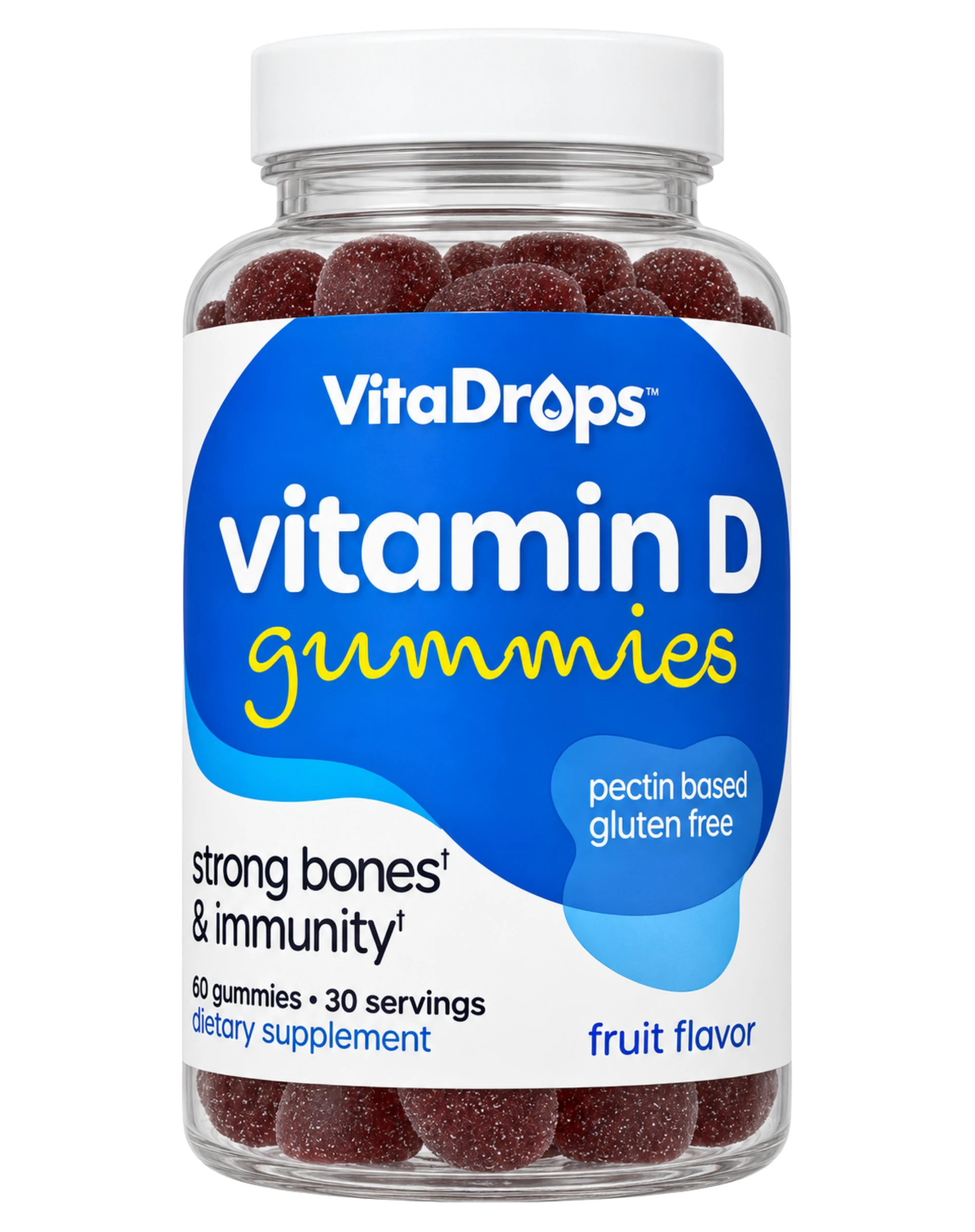
Related Product
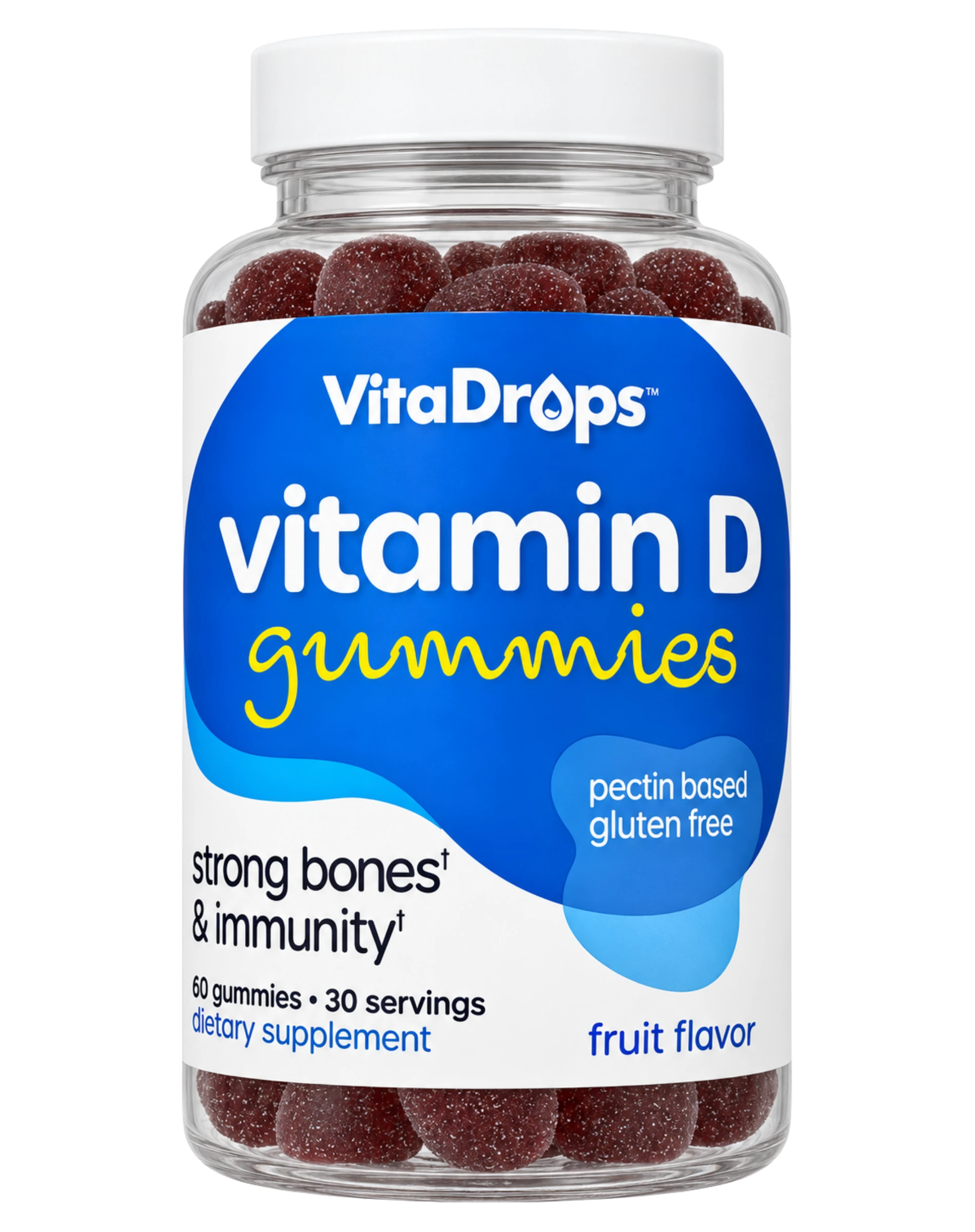
VitaDrops Vitamin D3 50 mcg (2000 IU) Gummies Fruit Flavor 60ct
$9.99
Step 2: Start supplementing based on your results:
- Below 20 ng/mL: 4,000 IU daily
- 20-30 ng/mL: 2,000-3,000 IU daily
- 30+ ng/mL: 1,000-2,000 IU daily
Step 3: Retest after 8-12 weeks of consistent supplementing.
Step 4: Adjust your dose to maintain levels between 30-50 ng/mL.
Step 5: Test annually to monitor and adjust as needed.
Take your vitamin D3 at the same time daily with food. Morning works well since it may support natural circadian rhythms, though timing matters less than consistency.
Frequently Asked Questions
Q: Can I take too much vitamin D3?
A: Yes, but it's rare with normal supplementing. Toxicity typically occurs above 10,000 IU daily for months, causing elevated blood calcium. Symptoms include nausea, weakness, and kidney problems.
Q: How long does it take vitamin D3 to work?
Never run out.
Subscribe to any product and save 10% on every order. Pause or cancel anytime.
Subscribe & Save 10%A: Blood levels peak 8-12 weeks after starting consistent supplementation. You may notice energy improvements within 4-6 weeks if you were deficient.
Q: Should I take vitamin D3 with other supplements?
A: Yes, vitamin D3 works synergistically with vitamin K2 and magnesium. This combination supports bone health while preventing arterial calcification. Learn more in our guide on taking vitamin D and K2 together.
Find the Right Vitamin D3 at Moore Vitamins
Our Calcium 500mg & Vitamin D3 Chewable Tablets 60ct provides 400 IU of vitamin D3 per tablet, perfect for combining with calcium for bone support. For comprehensive nutrition including vitamin D3, consider our Country Farms Multivitamin Morning Blend Liquid 32 fl oz for easy absorption and daily convenience.
All supplements ship same-day with our Subscribe & Save program offering 15% off recurring orders.
Sources & Further Reading
Never miss a dose.
Evidence-based wellness guides like this one, in your inbox. No hype, no spam — unsubscribe anytime.