How to Know If You're Vitamin D Deficient: Signs Your Doctor Might Miss
Your Blood Test Says 'Normal' But You're Still Deficient
Most doctors consider vitamin D levels above 20 ng/mL as "sufficient." That's a mistake. Research suggests optimal levels start at 30 ng/mL, with many experts pushing for 40-50 ng/mL.
This outdated reference range means millions of Americans walk around with subclinical vitamin D deficiency. Their labs look fine, but their bodies are quietly struggling.
42% of American adults are vitamin D deficient according to recent studies. Yet many never get tested, and those who do often receive false reassurance from "normal" results that are anything but optimal.
What the Research Actually Shows
Vitamin D deficiency manifests differently than most nutrient shortfalls. Instead of dramatic symptoms, it creates a slow cascade of problems that doctors often attribute to other causes.
A 2023 systematic review identified the most reliable early indicators:
Fatigue and muscle weakness appear first. Studies show people with vitamin D levels below 30 ng/mL report significantly more tiredness than those with optimal levels.
Frequent infections follow closely. Vitamin D regulates immune function, and deficient individuals experience 30% more respiratory infections according to clinical trials.
Bone and muscle pain develops gradually. Research links vitamin D deficiency to chronic pain conditions, particularly in the back, hips, and legs.
Mood changes are common but overlooked. Multiple studies associate low vitamin D with depression, seasonal affective disorder, and anxiety.
Sleep disruption affects up to 60% of deficient individuals, though the mechanism isn't fully understood.
The Hidden Signs Your Body Gives You
Your body broadcasts vitamin D deficiency through subtle signals most people ignore:
You crave sunlight intensely. This isn't just seasonal blues. Deficient people often feel dramatically better after sun exposure.
Minor cuts heal slowly. Vitamin D plays a crucial role in tissue repair. Wounds that linger suggest inadequate levels.
You get sick every time the weather changes. Vitamin D deficiency makes you vulnerable to viruses that healthy immune systems easily fight off.
Your bones ache in cold weather. This classic symptom appears months before any blood test abnormalities.
You feel tired despite adequate sleep. The fatigue feels different from normal tiredness—deeper and harder to shake.
Your muscles feel weak climbing stairs. Vitamin D deficiency causes actual muscle weakness, not just fatigue.
Dark-skinned individuals face higher deficiency risk due to reduced vitamin D synthesis. People living above 37 degrees latitude (roughly the level of San Francisco) struggle to make adequate vitamin D from October through March.
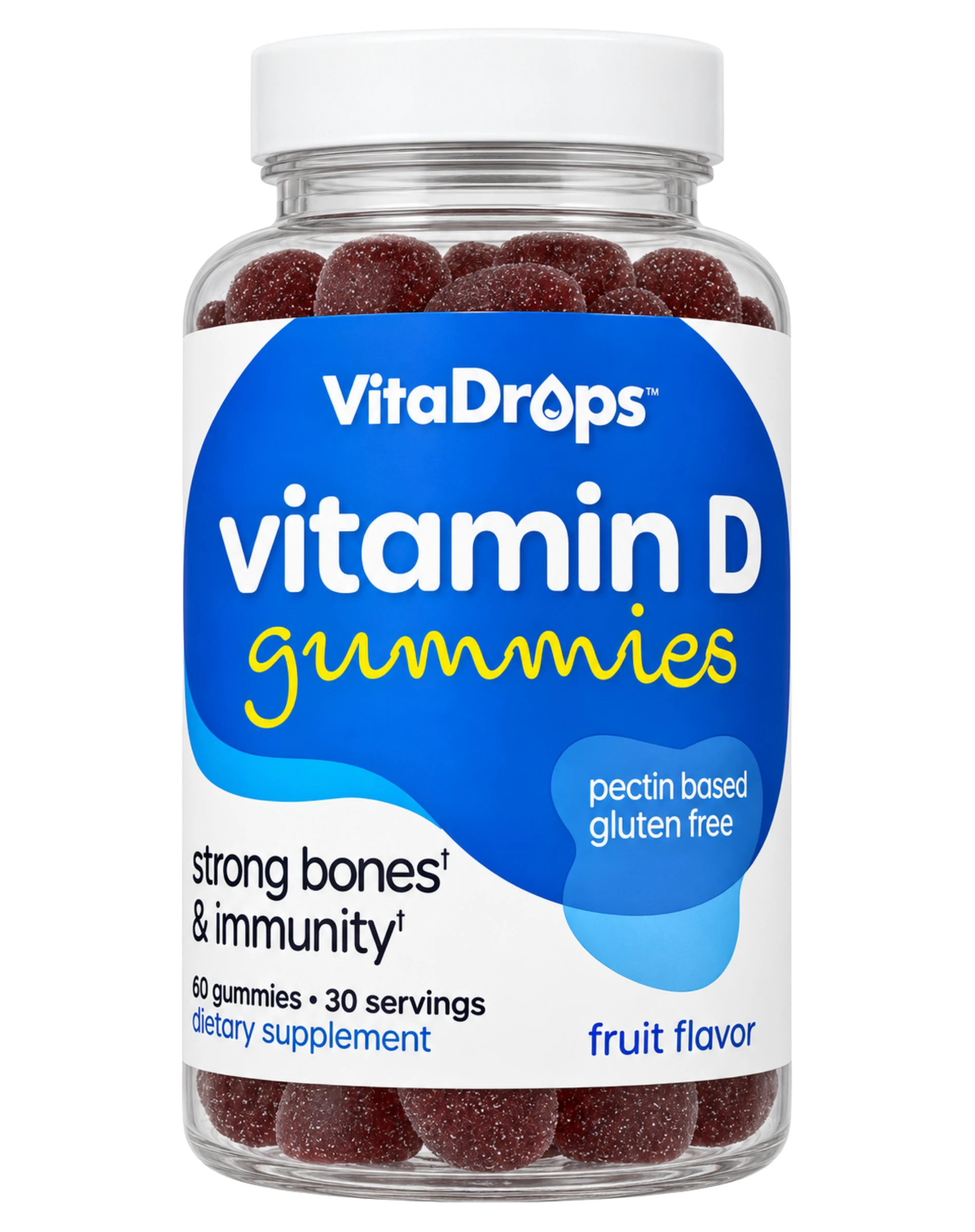
Related Product
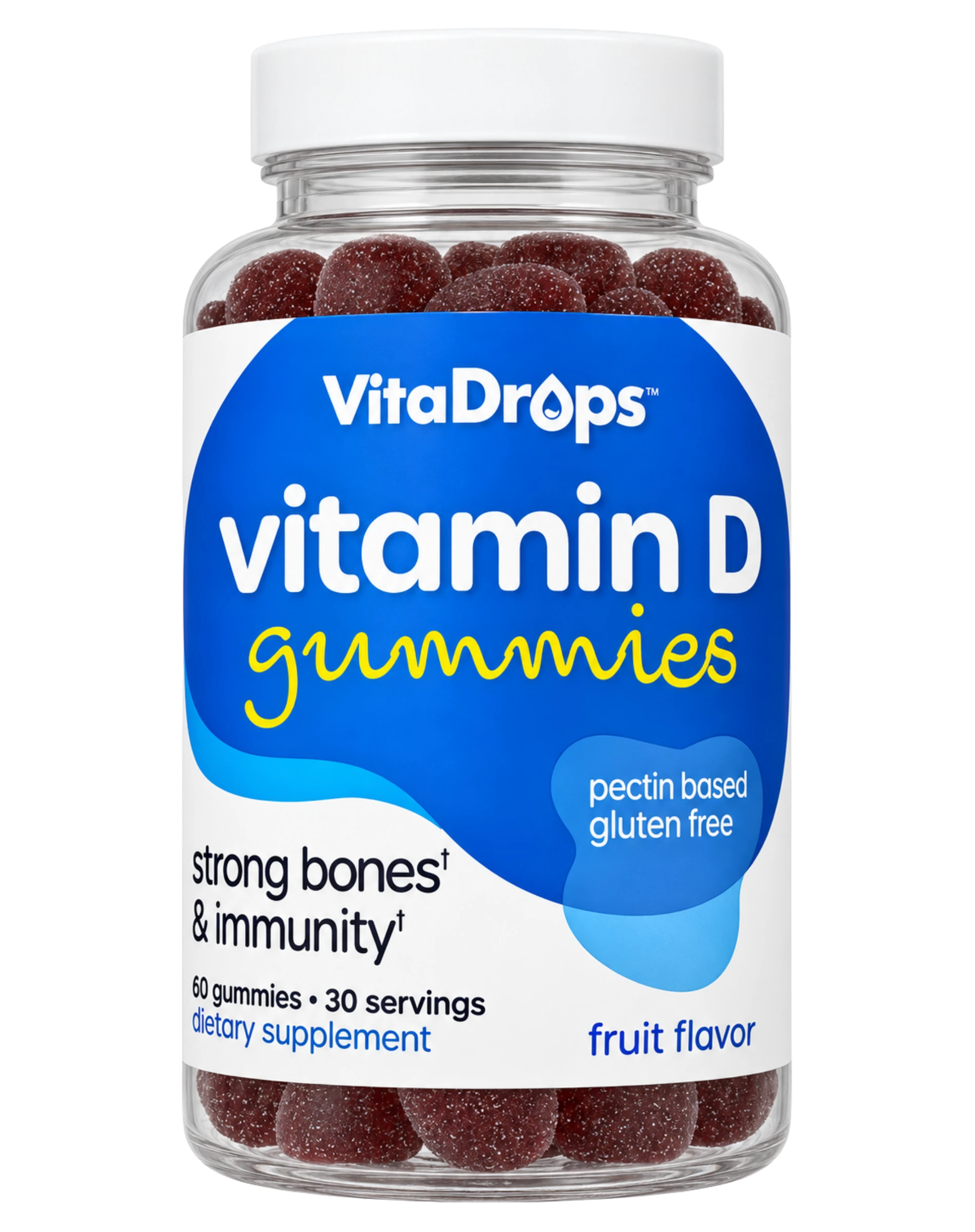
VitaDrops Vitamin D3 50 mcg (2000 IU) Gummies Fruit Flavor 60ct
$9.99
Workers who spend most daylight hours indoors, older adults, and people who consistently use sunscreen also show higher deficiency rates.
What to Look For When Testing
Request a 25-hydroxyvitamin D blood test, not the 1,25-dihydroxyvitamin D version. The 25(OH)D test measures your body's vitamin D stores.
Optimal levels range from 40-60 ng/mL according to most vitamin D researchers. Don't accept "normal" if your levels fall below 30 ng/mL.
Test timing matters. Vitamin D levels fluctuate seasonally, typically peaking in late summer and bottoming out in late winter. For accurate assessment, test during your lowest period (February-April in most regions).
Some people show normal blood levels but still experience deficiency symptoms. This suggests cellular resistance or inadequate conversion to the active form.
The Honest Verdict
Vitamin D deficiency is remarkably common and often missed by standard medical screening. The symptoms are real but subtle enough that many people adapt to feeling suboptimal.
If you experience multiple symptoms listed here, especially during winter months, testing makes sense regardless of your risk factors.
Frequently Asked Questions
Never run out.
Subscribe to any product and save 10% on every order. Pause or cancel anytime.
Subscribe & Save 10%Q: Can you be vitamin D deficient with normal blood levels?
A: Yes. Standard "normal" ranges (20-50 ng/mL) include suboptimal levels. Many people feel best with levels between 40-60 ng/mL, which some labs still flag as "high normal."
Q: How long does it take to feel better after correcting vitamin D deficiency?
A: Most people notice energy improvements within 2-4 weeks of adequate supplementation. Immune function and mood typically improve within 6-8 weeks. Learn more about proper dosing in our guide on how much vitamin D3 to take daily.
Q: Should I take vitamin D with other nutrients?
A: Vitamin D works synergistically with vitamin K2, magnesium, and calcium for optimal absorption and function. Consider our article on taking vitamin D and K2 together for comprehensive guidance.
Where to Find Quality Vitamin D Supplements
Quality vitamin D supplementation requires attention to form and dosing. Look for vitamin D3 (cholecalciferol) rather than D2, as research shows superior absorption and effectiveness.
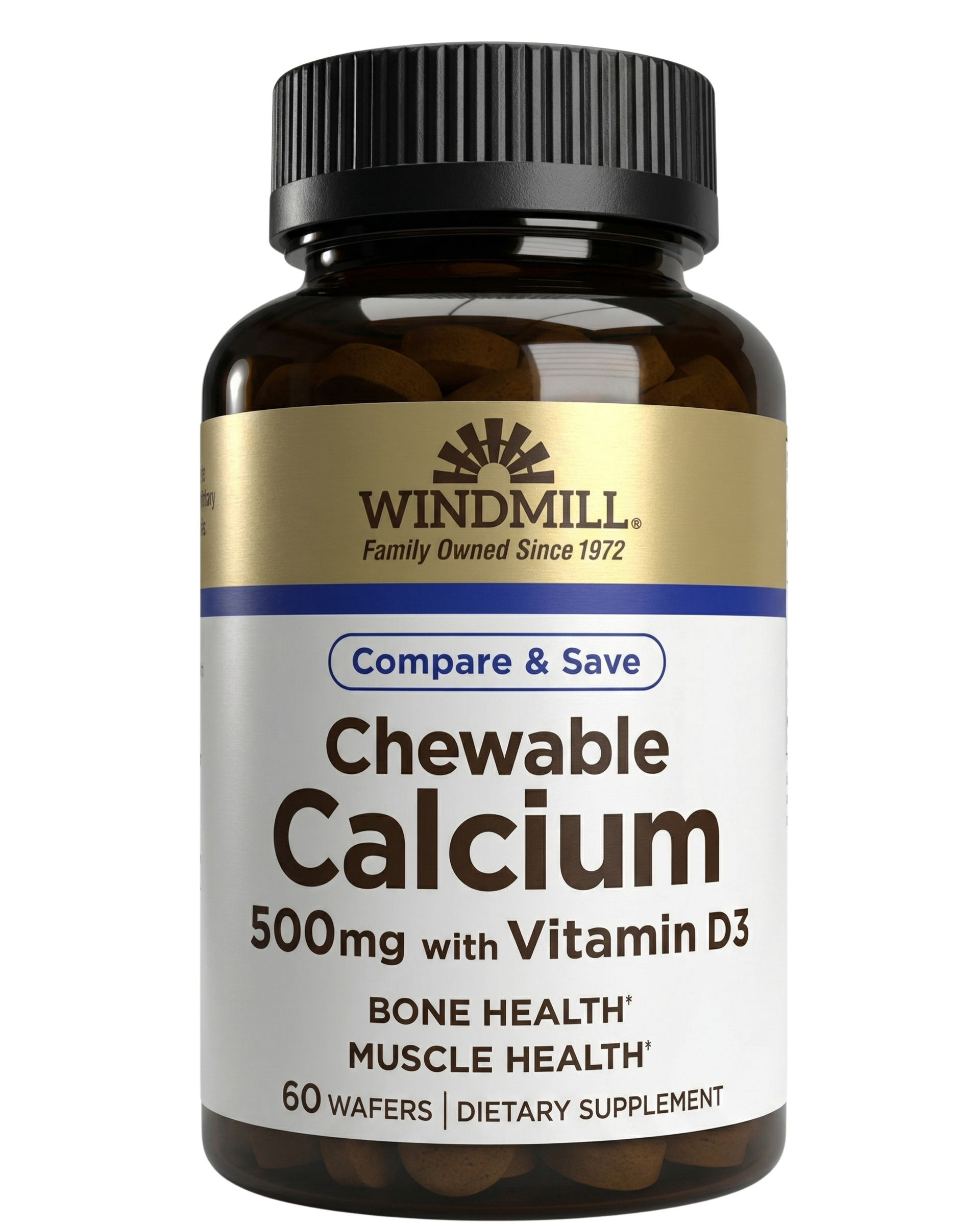
Moore Vitamins offers GMP-certified vitamin D supplements with same-day fulfillment and Subscribe & Save options. Our Calcium 500mg & Vitamin D3 Chewable Tablets combine optimal vitamin D3 dosing with bone-supporting calcium for comprehensive support.
For immune system support, consider pairing vitamin D with our Zinc & Vitamin C Honey Lemon Lozenges, which provides additional immune-supporting nutrients that work synergistically with vitamin D.
Never miss a dose.
Evidence-based wellness guides like this one, in your inbox. No hype, no spam — unsubscribe anytime.