Vitamin D: Your Top Questions, Answered
About 42% of American adults are vitamin D deficient — yet most have no idea, because the early symptoms are easy to explain away as stress, poor sleep, or just getting older. Vitamin D is a fat-soluble hormone precursor that governs over 200 genes, with documented roles in bone density, immune regulation, muscle function, and mood. The NIH Office of Dietary Supplements vitamin D fact sheet lists the recommended dietary allowance at 600 IU for adults up to age 70 and 800 IU for those over 70, though many clinicians test and dose individually. Blood levels below 20 ng/mL are classified as deficient; below 12 ng/mL, the health consequences become measurable. This guide answers every question Google surfaces most about vitamin D — so you can act on the right information, not the most repeated advice.
Frequently Asked Questions About Vitamin D
What does vitamin D do for the body?
Vitamin D regulates calcium and phosphorus absorption, making it essential for building and maintaining bone density. Beyond bone, it modulates immune-cell activity, supports muscle contraction, and influences the genes involved in inflammation. Research also links adequate vitamin D levels to cardiovascular function and insulin sensitivity, though evidence in those areas remains mixed. The body produces vitamin D when UVB light hits skin, but cloud cover, sunscreen, skin pigmentation, and latitude all reduce synthesis significantly — which is why supplementation is so common.
What are signs that you need vitamin D?
The most common signs include persistent fatigue, frequent illness, bone aches, muscle weakness, and low mood — especially in winter months. The tricky part: none of these are specific to vitamin D deficiency, so a blood test (25-hydroxyvitamin D) is the only reliable way to confirm it. Levels below 20 ng/mL are considered deficient by most medical guidelines. We go deeper in How to Know If You're Vitamin D Deficient: Signs Your Doctor Might Miss.
What are the best vitamin D supplements?
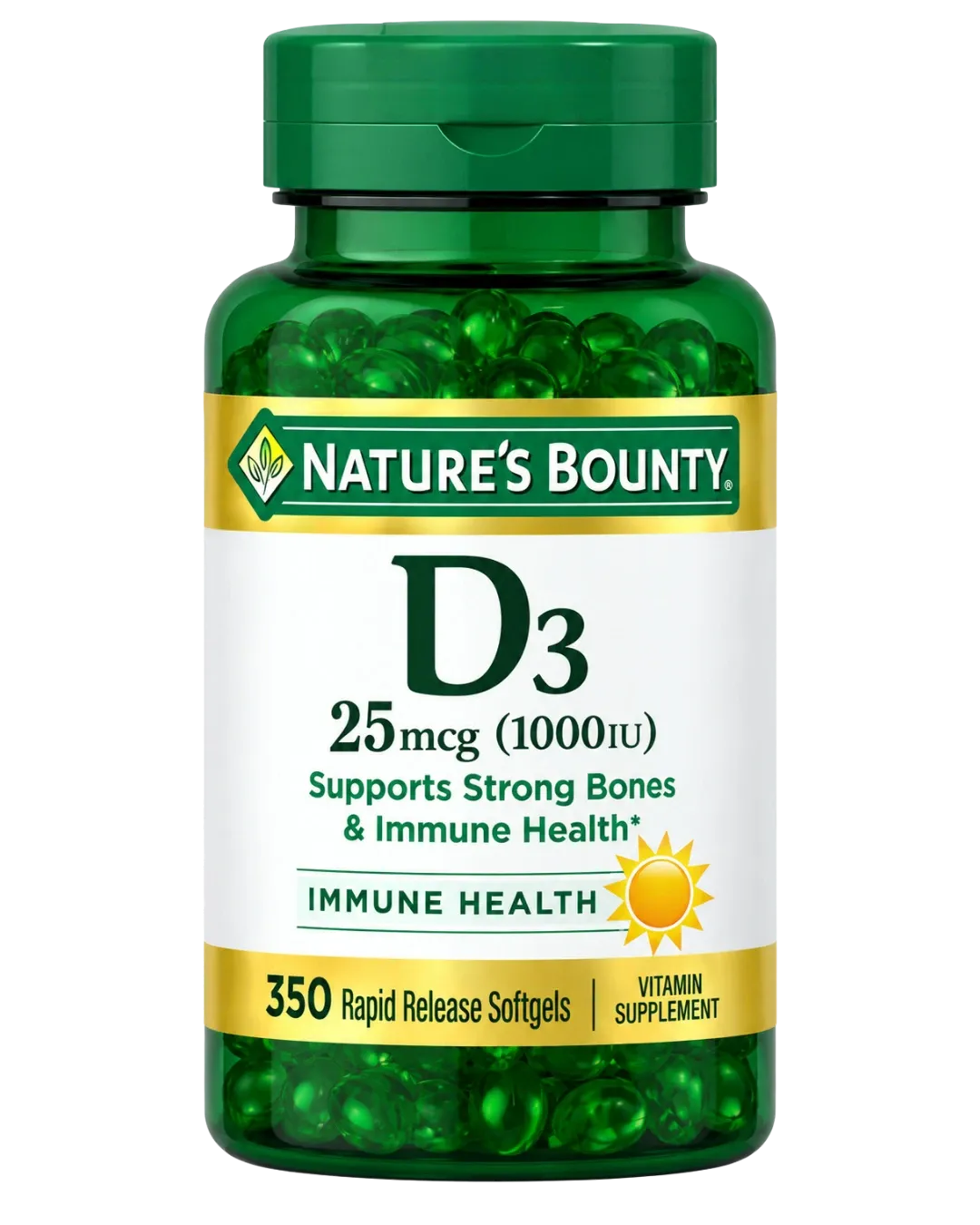
Vitamin D3 (cholecalciferol) is the form most research supports — it raises blood levels more effectively and sustains them longer than D2 (ergocalciferol), as covered in our Vitamin D3 vs D2 comparison. Softgels with an oil base (olive or sunflower) absorb better than dry tablets because vitamin D is fat-soluble. Gummies and chewables are good options when swallowing pills is a barrier, provided the dose matches your needs. Look for products with USP verification or GMP certification. We break down specific picks in Best Vitamin D3 Supplements for Immune Support in 2026.
How much vitamin D should you take daily?
The official RDA is 600–800 IU for most adults, but many physicians target a blood level of 40–60 ng/mL, which often requires 1,000–4,000 IU daily depending on starting status, body size, and sun exposure. The tolerable upper intake level set by the NIH is 4,000 IU per day for adults without medical supervision; doses above that should be guided by a blood test. People with obesity, darker skin tones, or very limited sun exposure often need the higher end of that range. For a full breakdown, see How Much Vitamin D3 Should I Take Daily? The 2026 Dosage Guide.
What are the 10 signs of low vitamin D?
The most frequently reported signs are: (1) fatigue that doesn't improve with rest, (2) bone pain or tenderness, (3) muscle weakness, (4) frequent colds or infections, (5) depression or low mood, (6) hair loss, (7) slow wound healing, (8) brain fog, (9) back pain, and (10) mood changes that worsen in winter. Most of these are nonspecific — meaning low vitamin D is one possible cause among many. A single blood draw rules it in or out definitively. Full context for each sign is in How to Know If You're Vitamin D Deficient: Signs Your Doctor Might Miss.
What happens if I take vitamin D every day?
For most adults taking 1,000–2,000 IU daily, consistent supplementation gradually raises blood levels over 2–3 months and maintains them without accumulation to toxic levels. Peer-reviewed research on long-term vitamin D supplementation generally supports daily dosing as safe within recommended ranges. Vitamin D is fat-soluble, so it stores in body fat — daily use at reasonable doses is not a concern, but megadoses (above 10,000 IU daily for extended periods) can cause hypercalcemia. Taking it with a meal that contains fat improves absorption meaningfully. Because dose needs vary by individual size and baseline level, our post on supplement dosage and body size is worth a look if you're unsure your dose is calibrated correctly.
What happens if vitamin D is low?
Chronically low vitamin D impairs calcium absorption, which over time weakens bones and raises the risk of fractures and osteoporosis. Immune function also suffers — deficiency is associated with increased susceptibility to respiratory infections and slower recovery. Children with severe deficiency can develop rickets; adults can develop osteomalacia (soft, painful bones). Mood disorders, including seasonal depression, are also associated with low levels in research on vitamin D and mood. For a full breakdown of consequences at each level, see How to Know If You're Vitamin D Deficient: Signs Your Doctor Might Miss.
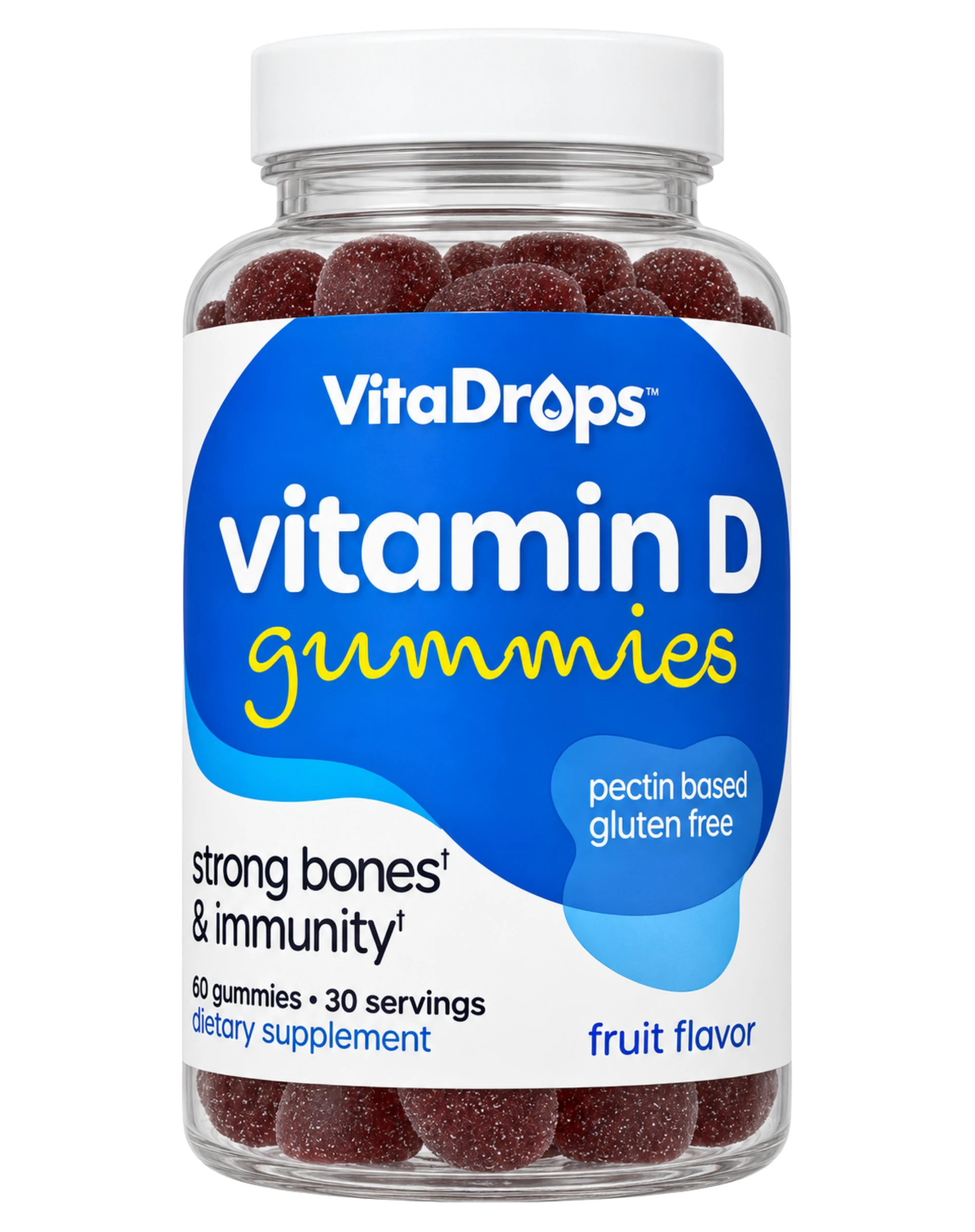
Related Product
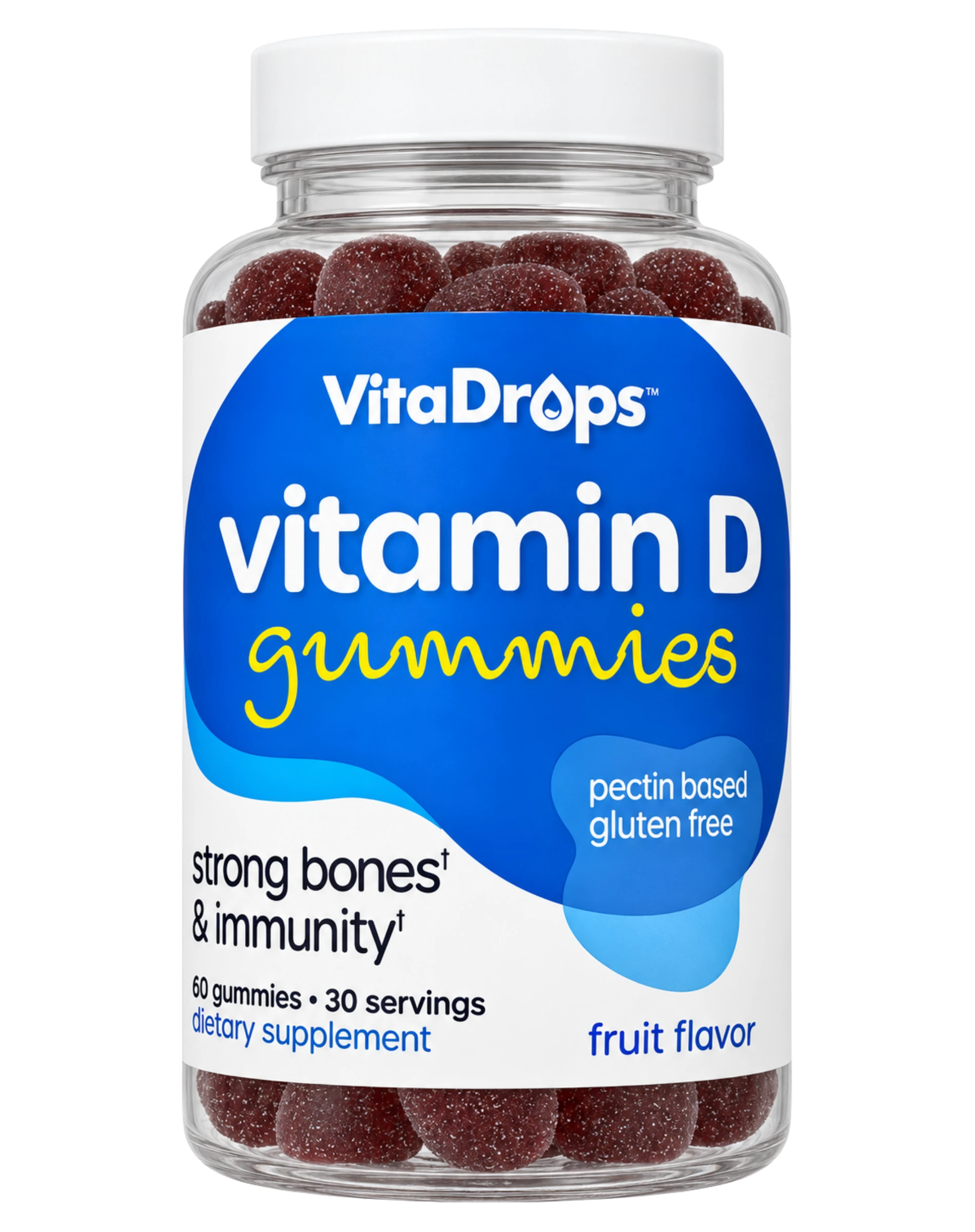
VitaDrops Vitamin D3 50 mcg (2000 IU) Gummies Fruit Flavor 60ct
$9.99
How does vitamin D affect sleep?
The relationship between vitamin D and sleep is real but not yet fully mapped. Several studies link deficiency to shorter sleep duration, poorer sleep quality, and higher rates of sleep disorders — particularly sleep apnea. Vitamin D receptors exist in brain regions that regulate circadian rhythm, which provides a plausible mechanism. Evidence is not strong enough to call vitamin D a sleep supplement, but correcting a deficiency may improve sleep as a secondary benefit. Timing may also matter: because vitamin D influences melatonin pathways, some researchers suggest avoiding high doses late at night — our guide on which supplements absorb better at night covers that debate.
What food is high in vitamin D?
Very few foods contain meaningful amounts of vitamin D naturally. The best dietary sources are: fatty fish (salmon provides roughly 450–600 IU per 3 oz serving), swordfish, trout, and canned tuna. Cod liver oil is the most concentrated single food source at about 1,360 IU per tablespoon. Egg yolks and beef liver provide small amounts. Fortified foods — milk, orange juice, and cereals — typically deliver 100 IU per serving. Most people cannot reach optimal blood levels through diet alone, which is why supplementation is so widely recommended.
What time of day is best to take vitamin D?
Vitamin D absorbs best when taken with the largest meal of the day — usually lunch or dinner — because its fat-soluble nature means it needs dietary fat to cross the gut wall efficiently. Morning or midday tends to be the most practical choice for most people. There is some evidence that taking vitamin D late in the evening may interfere with melatonin production in light-sensitive individuals, though this is not conclusively established. For a detailed look at how fat-soluble vitamin timing affects absorption, see Fat-Soluble Vitamins and Timing: Why When You Take A, D, E & K Changes Everything.
What to Look For When Buying
Form: D3 (cholecalciferol) over D2 in almost every case. Softgels in an oil base absorb well; gummies and chewables are acceptable if dose is right.
Never run out.
Subscribe to any product and save 10% on every order. Pause or cancel anytime.
Subscribe & Save 10%Dose range: 1,000–2,000 IU covers most maintenance needs. Higher doses (5,000 IU) suit people correcting a confirmed deficiency under guidance.
Avoid: Fillers like artificial dyes, hydrogenated oils, or excessive binders in tablets. Check the "other ingredients" list.
Quality signals: GMP-certified facility, third-party tested (USP, NSF, or Informed Sport mark). Ensure the listed IU matches the label claim — potency inconsistency is common in low-quality products.
Pair with K2: Vitamin D increases calcium absorption; K2 directs that calcium into bones rather than arteries. If you take vitamin D at higher doses, consider a D3+K2 combination.
The Bottom Line
Vitamin D is one of the most common deficiencies in adults, and a simple blood test tells you exactly where you stand. Daily supplementation with D3 at 1,000–2,000 IU is safe for most adults; those with confirmed deficiency may need more under medical guidance. Take it with a fat-containing meal for best absorption.
Where to Find Quality Vitamin D Supplements
Moore Vitamins carries a GMP-certified selection of vitamin D3 options — from everyday maintenance doses to higher-potency softgels for those correcting a deficiency. Orders ship same-day, and the Subscribe & Save option locks in your supply without repeat ordering.
- VitaDrops Vitamin D3 50 mcg (2000 IU) Gummies Fruit Flavor 60ct — a great daily-maintenance choice if you prefer chewables
- Windmill Vitamin D3 1000 IU Bone & Immune Support Tablets 100ct — 100-count value size for consistent, lower-dose daily use
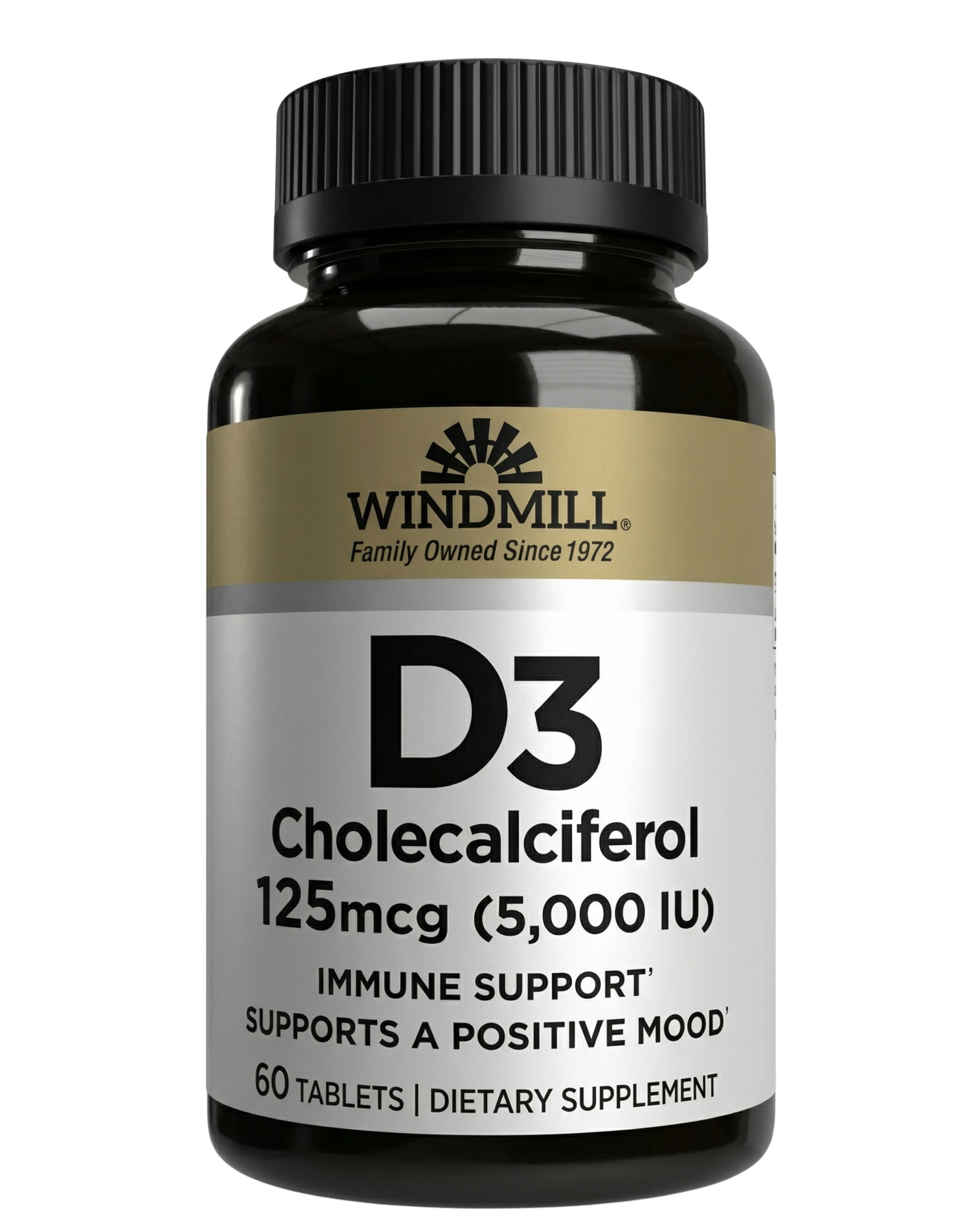
- Windmill Vitamin D3 5000 IU Softgels 60ct — higher-potency option for those working to correct confirmed deficiency
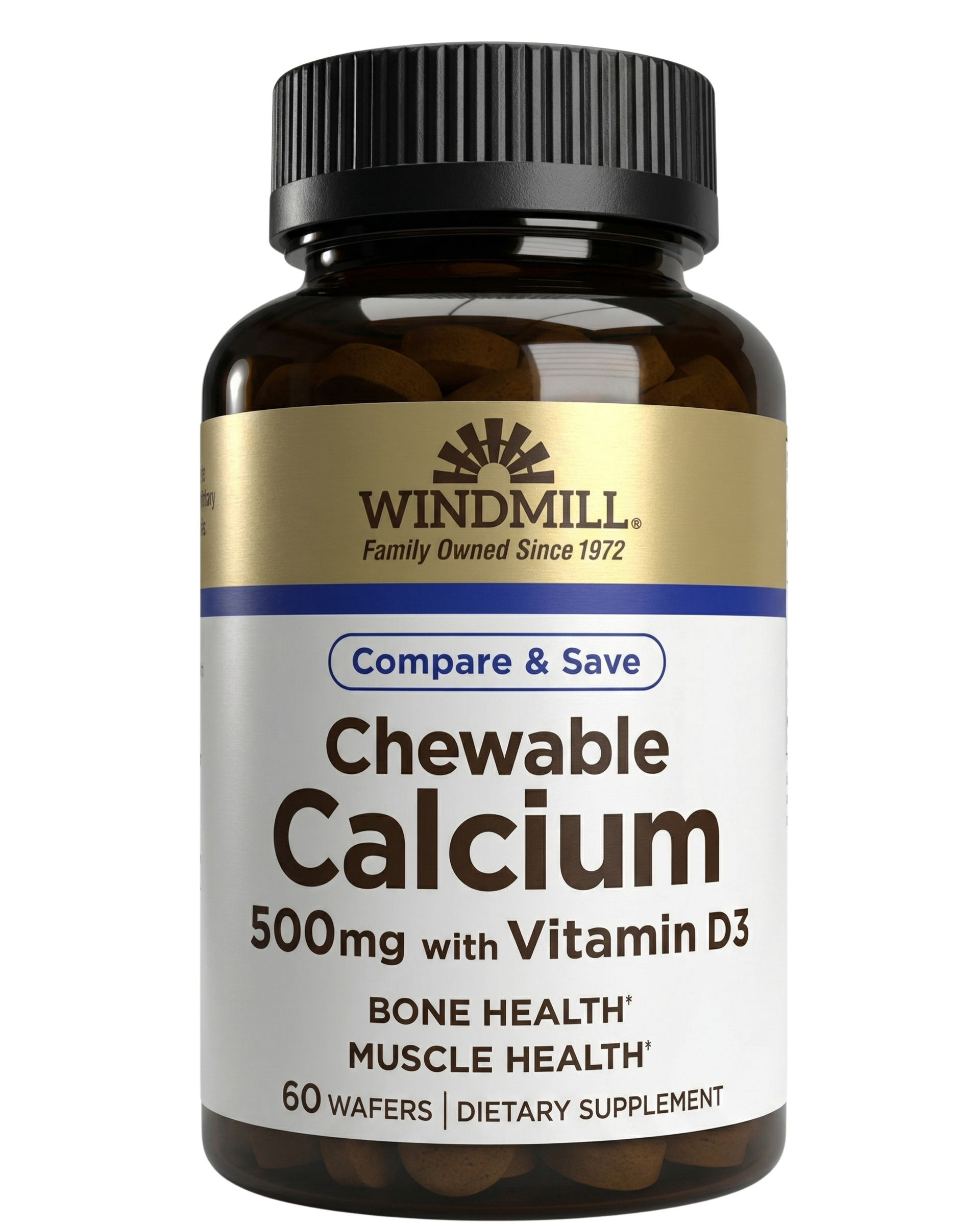
- Calcium 500mg & Vitamin D3 Chewable Tablets 60ct — combines bone-building calcium with D3 in one chewable tablet
- Windmill Calcium 600mg with Vitamin D3 Bone Health Tablets 60ct — slightly higher calcium dose paired with D3 for bone support
Never miss a dose.
Evidence-based wellness guides like this one, in your inbox. No hype, no spam — unsubscribe anytime.