Fish Oil & Omega-3: Your Top Questions Answered
The supplement aisle's most repeated advice — take fish oil for your heart — was just contradicted by a 26,000-person trial, yet cardiologists still prescribe high-dose omega-3s for specific patients every day. So which story is true? Both, depending on your dose and your baseline diet. Most adults in Western countries consume far less EPA and DHA than the 250–500 mg per day associated with cardiovascular and cognitive benefits in observational research. Standard 1,000 mg fish oil softgels typically deliver around 300 mg of combined EPA and DHA — enough to close part of that gap. The evidence is strongest for people with elevated triglycerides, documented deficiency, or very low seafood intake. If you finish this article, you will know exactly which questions still have firm answers, which ones are genuinely unsettled, and whether your current supplement is even in the right ballpark.
Frequently Asked Questions About Fish Oil and Omega-3
What does fish oil with omega-3 do for you?
Fish oil delivers EPA and DHA, two long-chain omega-3 fatty acids your body uses to build cell membranes, regulate inflammation, and support heart and brain function. The NIH Office of Dietary Supplements omega-3 fact sheet notes that EPA and DHA are associated with reduced triglyceride levels, and that evidence for other cardiovascular outcomes is more mixed. Prescription-strength doses (4 g/day of EPA) do meaningfully lower triglycerides. At the 1–2 g doses common in supplements, effects are more modest. Research also suggests roles in fetal brain development, joint comfort, and eye health, though effect sizes vary across studies. We look at the full evidence picture in our 2026 review of whether fish oil is worth taking.
What happens if I take omega-3 every day?
For most healthy adults, daily fish oil use is well-tolerated and associated with gradual increases in circulating EPA and DHA levels. Triglycerides may drop measurably over 4–8 weeks at doses of 2–4 g of EPA+DHA per day. At standard supplement doses (300–600 mg EPA+DHA), daily use is generally safe long-term; the FDA considers up to 3 g/day of EPA+DHA from supplements safe for most people. Some users notice minor digestive changes — fishy aftertaste, loose stools — especially early on. Storing softgels in the freezer and taking them with food reduces both. There is no strong evidence that daily use at recommended doses causes harm in healthy adults.
Who should not take fish oil?
People on blood-thinning medications (warfarin, apixaban, rivaroxaban) should talk to their doctor before starting fish oil, as high doses may add to anticoagulant effects. Those with fish or shellfish allergies should use caution and consult an allergist — most refined fish oil contains negligible fish protein, but individual responses vary. People scheduled for surgery are typically advised to stop high-dose omega-3 supplements 1–2 weeks beforehand due to potential effects on bleeding time. Anyone with atrial fibrillation should be aware that some large trials found slightly increased AF risk with high-dose omega-3 supplementation. Pregnant people should choose supplements tested for mercury and PCBs, and avoid cod liver oil in high doses due to vitamin A content.
What are the signs you need omega-3?
There is no single validated symptom checklist for low omega-3 status, and blood testing (an omega-3 index) is the only reliable way to assess it. That said, peer-reviewed research on omega-3 deficiency signs points to rough or dry skin, dry eyes, joint stiffness, and difficulty concentrating as commonly reported in people with very low EPA and DHA intake. Low oily-fish consumption — fewer than two servings per week — is a practical proxy for likely low status. Elevated triglycerides on a routine blood panel can also signal an imbalanced fatty acid profile. If you suspect deficiency, an omega-3 index test through your doctor is more informative than guessing from symptoms alone.
What is the downside of taking omega-3 fish oil?
The most common downsides are minor: fishy burps, mild nausea, and loose stools — particularly at higher doses or when taken on an empty stomach. At doses above 3 g/day, there is a small theoretical increase in bleeding time, though clinically significant bleeding is rare in otherwise healthy people. Some high-dose trials found a modest association with new-onset atrial fibrillation. Fish oil can also go rancid; oxidized oil smells strongly of fish and may not deliver the same benefits. Always check the expiry date and store softgels away from heat and light. The financial cost is low for most products, but quality varies widely — third-party testing for oxidation and contaminants matters.
What is the best time to take fish oil?
Take fish oil with your largest meal of the day. Fat in food stimulates bile production, which significantly improves EPA and DHA absorption — one study found absorption roughly 50% higher when omega-3s were taken with a high-fat meal versus a low-fat one. Morning or evening does not matter much from a biological standpoint; consistency matters more than clock time. If you experience fishy aftertaste, splitting the dose across two meals and freezing your softgels before swallowing both help reduce reflux of the oil. Enteric-coated softgels dissolve lower in the digestive tract and are another option if aftertaste is a recurring issue.
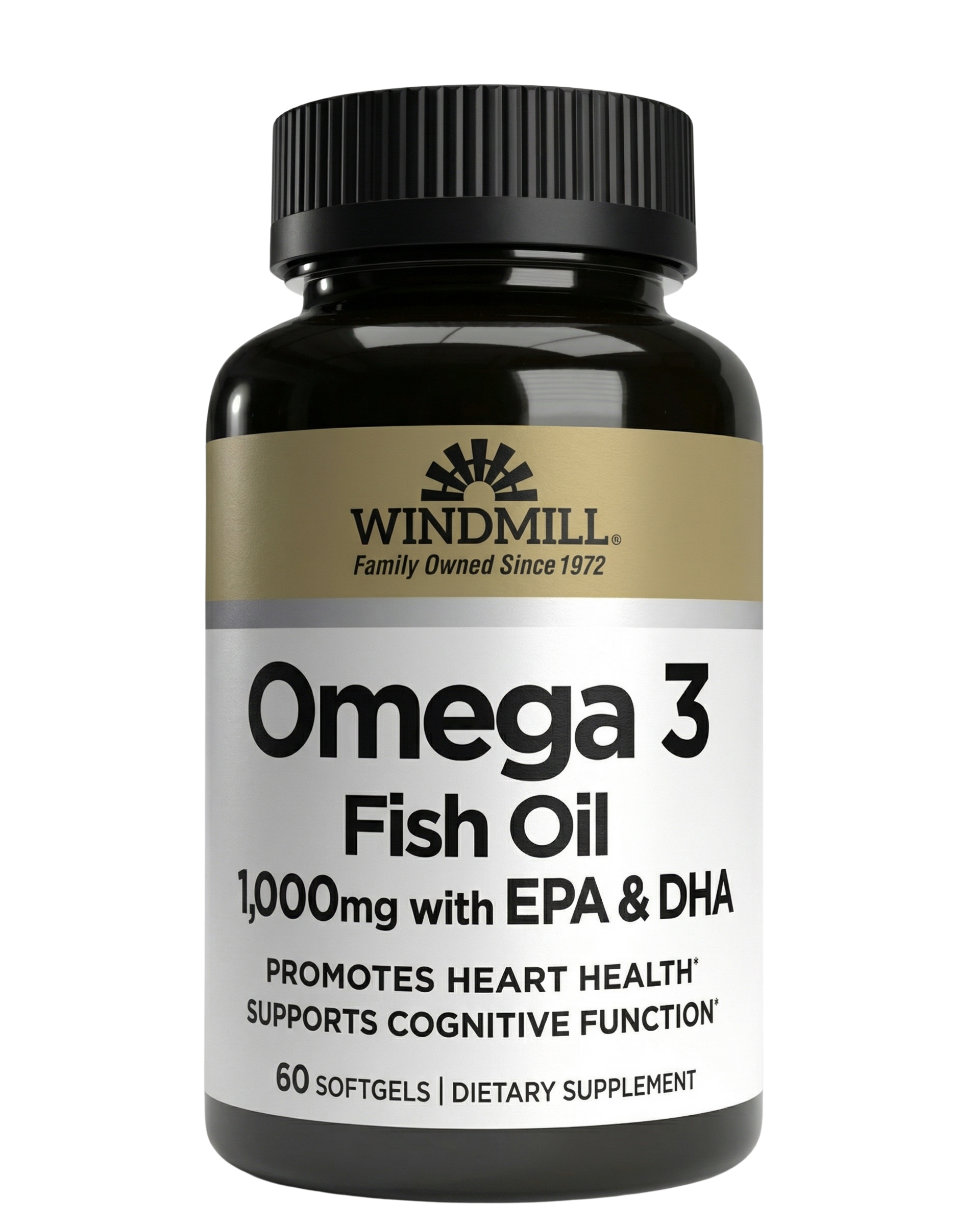
Related Product
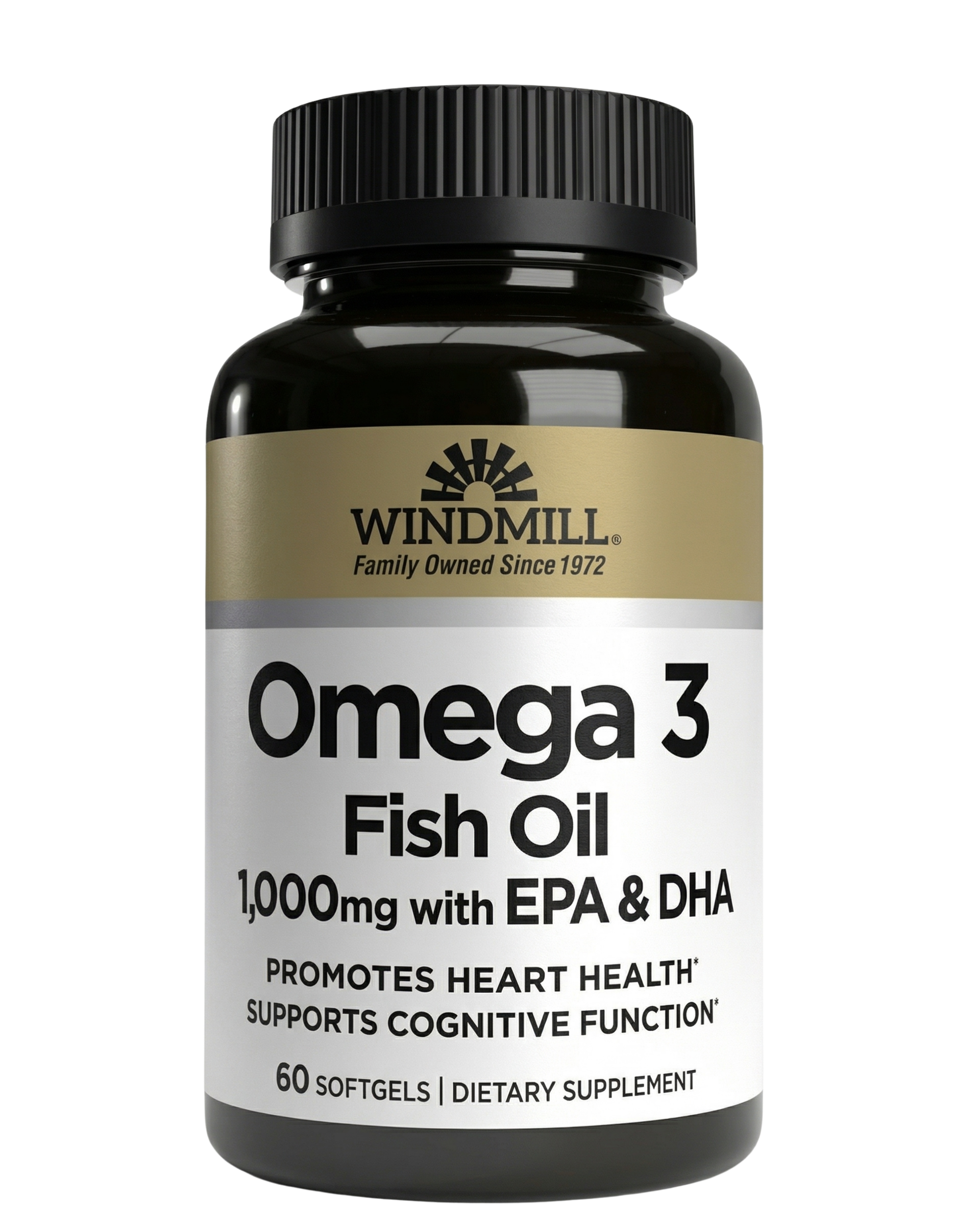
Omega-3 EPA Fish Oil 1000mg Softgels 60ct
$9.99
What should you not mix omega-3 with?
The most clinically relevant interaction is with anticoagulant and antiplatelet drugs — warfarin, aspirin at higher doses, clopidogrel — where high-dose fish oil may amplify bleeding risk. Some evidence suggests fish oil can lower blood pressure slightly, so combining it with antihypertensive medications warrants monitoring. There is also limited evidence of interaction with some cholesterol-lowering drugs at prescription omega-3 doses. At standard supplement doses (1–2 g/day), most interactions are theoretical rather than well-documented, but the principle stands: the more medications you take, the more important it is to loop in your pharmacist. Our full guide on supplements that interfere with prescription medications covers this topic in detail.
Can omega-3 fish oil help with weight loss?
Evidence here is weak. A handful of small trials suggest omega-3 supplementation may modestly reduce appetite or marginally improve body composition when combined with calorie restriction and exercise — but effect sizes are small, and research on omega-3 and weight loss does not support fish oil as a meaningful weight loss tool on its own. No large, well-designed trial has demonstrated clinically significant fat loss from fish oil alone. If weight management is your goal, fish oil is not the lever to pull. Its value lies in supporting cardiovascular markers and reducing inflammation — benefits with a meaningfully stronger evidence base.
What to Look For When Buying
Form: EPA and DHA content per serving is what matters — not total fish oil milligrams. A 1,000 mg softgel typically delivers 180 mg EPA and 120 mg DHA (300 mg combined). Look for this breakdown on the supplement facts panel. If a label only says "fish oil 1,000 mg" without specifying EPA and DHA, that is a red flag.
Dose range: For general wellness, 250–500 mg EPA+DHA per day is the commonly cited target from observational research. For triglyceride support, clinical trials use 2–4 g EPA+DHA — amounts that usually require prescription products or multiple softgels.
Never run out.
Subscribe to any product and save 10% on every order. Pause or cancel anytime.
Subscribe & Save 10%Quality signals: Look for products manufactured in GMP-certified facilities. Third-party testing for oxidation (TOTOX value), heavy metals (mercury, lead), and PCBs adds meaningful assurance. The IFOS (International Fish Oil Standards) program is one credible third-party certifier. Enteric coating and nitrogen flushing during manufacturing both help reduce rancidity.
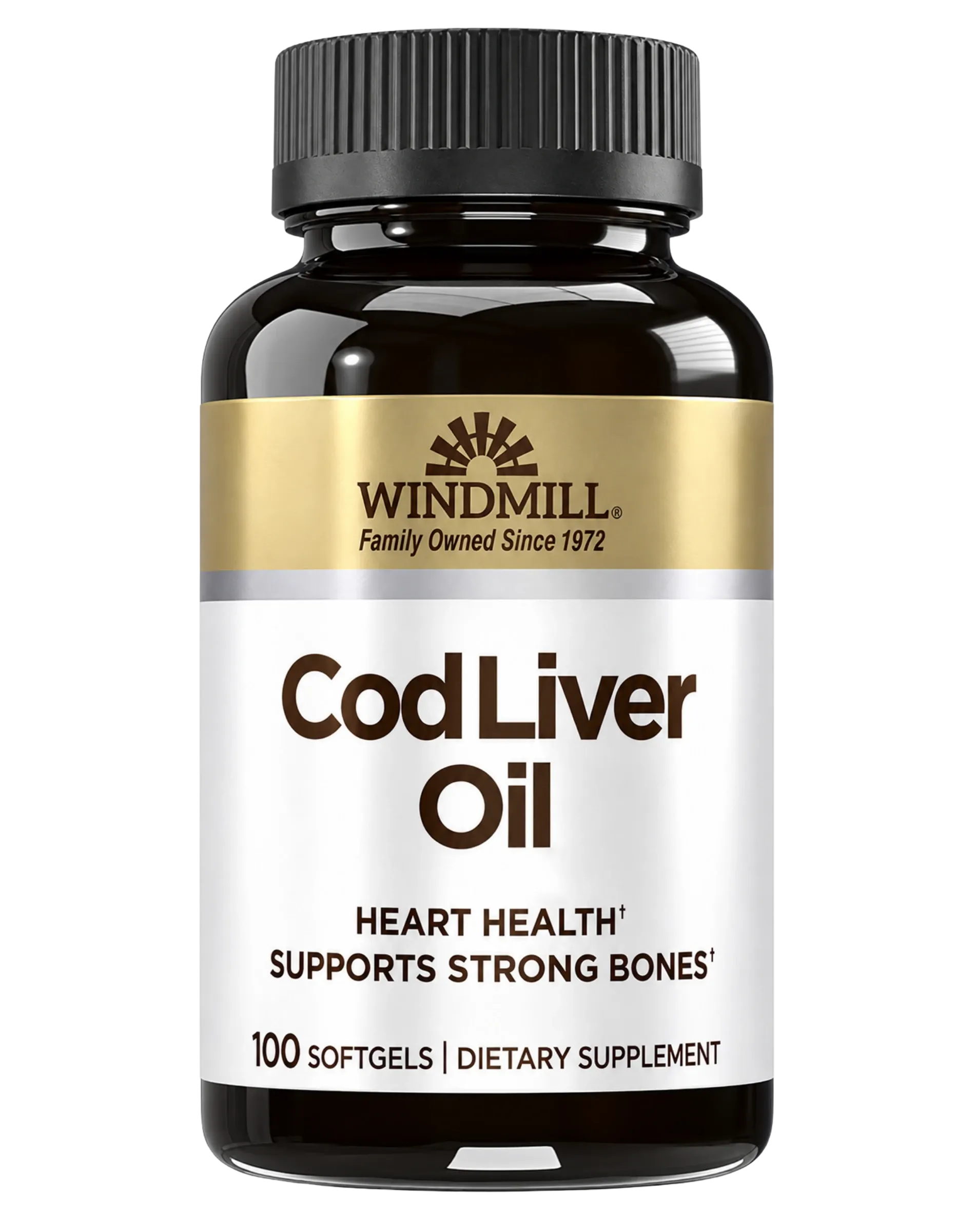
What to avoid: Skip products with a strong rancid smell when opened (fresh fish oil should smell mild and oceanic, not sharp). Avoid mega-doses unless directed by a physician. Cod liver oil is a different product — it contains vitamins A and D, which have their own dosing considerations.
The Bottom Line
Fish oil provides EPA and DHA that most Western diets lack, with the strongest evidence supporting triglyceride reduction and cardiovascular marker improvement at higher doses. Standard supplement doses are safe for most adults, but interactions with blood thinners are real — check with your doctor or pharmacist if you take any prescription medications.
Where to Find Quality Fish Oil Supplements
Moore Vitamins carries a GMP-certified selection of omega-3 options to match different preferences and dose needs, with same-day fulfillment and a Subscribe & Save option so you never run out.
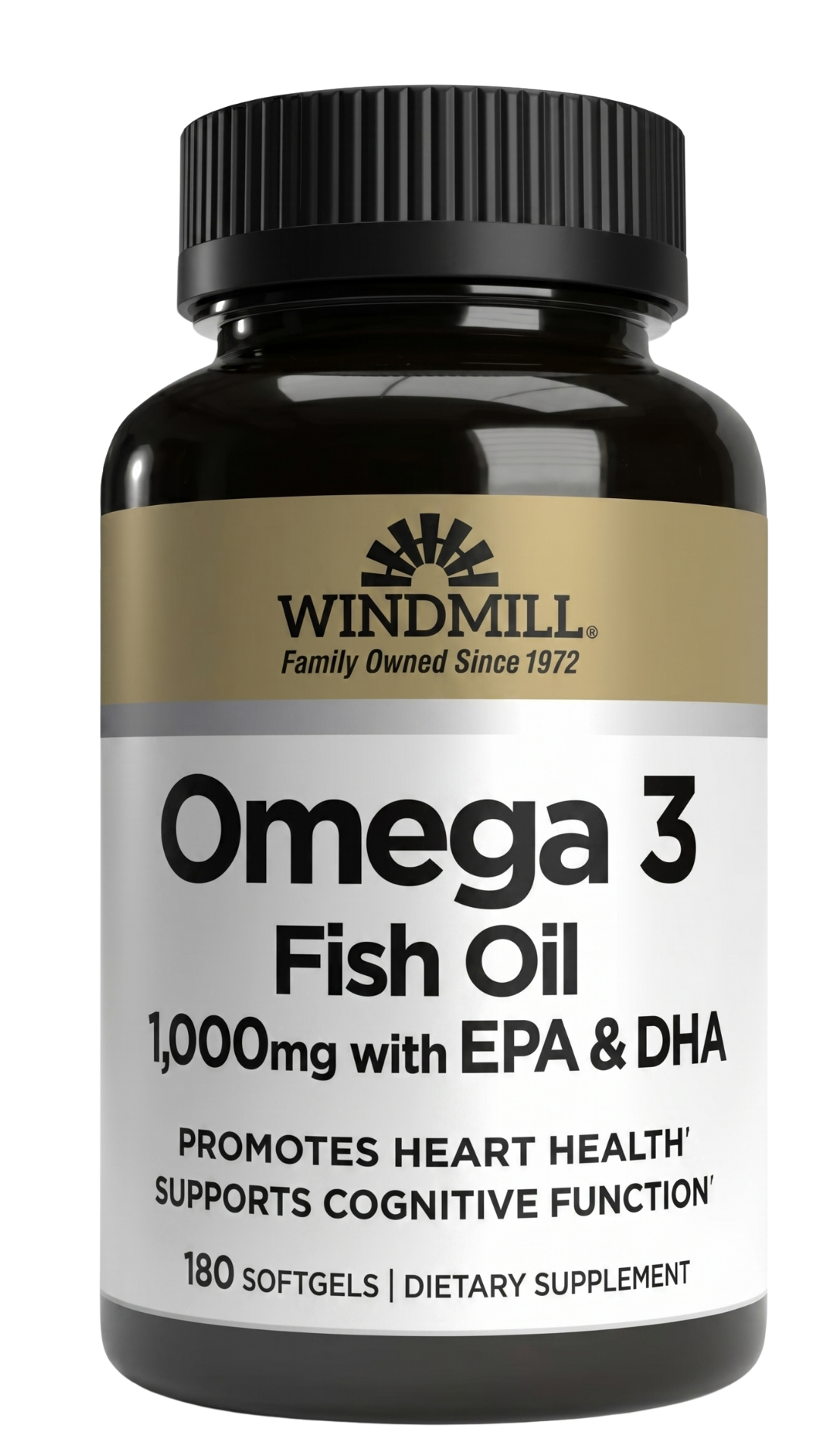
- Windmill Omega-3 Fish Oil 1000mg Softgels 180ct — a straightforward daily EPA+DHA softgel at a strong value per serving.
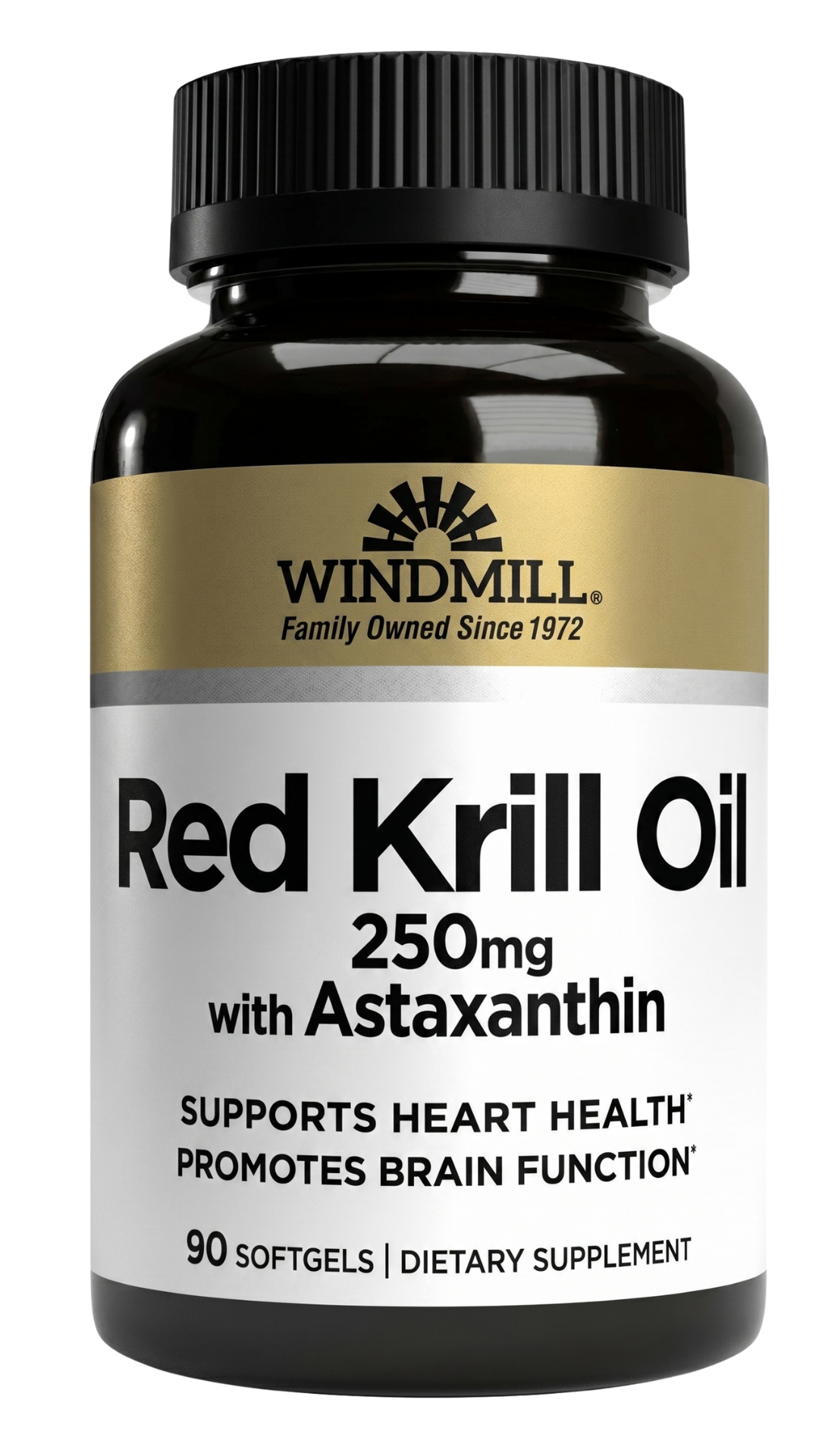
- Windmill Red Krill Oil Omega-3 Softgels 90ct — krill-derived omega-3s bound to phospholipids, which some research suggests may absorb efficiently at lower doses.
- Omega-3 EPA Fish Oil 1000mg Softgels 60ct — a good starting option if you are new to fish oil supplementation.
- Glucoflex Omega 3-6-9 Essential Fatty Acids Softgels 90ct — combines omega-3, -6, and -9 fatty acids for broader essential fatty acid coverage.
Never miss a dose.
Evidence-based wellness guides like this one, in your inbox. No hype, no spam — unsubscribe anytime.