Joint Health: Your Top Questions, Answered
Most joint supplements sell hope louder than they sell evidence — but a handful of ingredients have enough peer-reviewed research behind them to be worth your money and attention. Glucosamine, chondroitin, and collagen peptides each have published clinical trials showing modest benefits for joint comfort and mobility, particularly in people with early-to-moderate osteoarthritis. Vitamin D deficiency is strongly associated with widespread musculoskeletal pain, and low levels are shockingly common — roughly 35% of U.S. adults fall short. Hyaluronic acid supports the synovial fluid that literally lubricates your joints, and magnesium plays a role in muscle and nerve function that directly affects how joints feel under load. If you've been dismissing your aching knees as "just aging," the right nutritional gaps — once identified and corrected — can make a measurable difference. Read on for a straight answer to every question the research can actually address.
Frequently Asked Questions About Joint Health
What is the best joint health supplement?
No single supplement wins for every person — the best choice depends on your specific problem. That said, glucosamine sulfate (1,500 mg/day) has the strongest body of evidence for osteoarthritis joint comfort, supported by peer-reviewed research on glucosamine and joint pain. Collagen peptides (10 g/day) show promise for cartilage support and connective tissue, while chondroitin sulfate is often paired with glucosamine to compound the effect. Turmeric (as curcumin) and hyaluronic acid round out the most-studied options. The honest answer: combinations tend to outperform single ingredients. Our in-depth breakdown of how these ingredients compare is in Collagen, Glucosamine, or Calcium: Which Joint and Bone Supplement Actually Matches Your Problem?.
What vitamin am I lacking if my joints hurt?
Vitamin D deficiency is the most common nutritional cause of joint and bone pain. Research consistently links low vitamin D (below 20 ng/mL) to widespread musculoskeletal aching, stiffness, and tenderness — symptoms that often mimic early arthritis. The NIH Office of Dietary Supplements vitamin D fact sheet notes the recommended daily intake is 600–800 IU for most adults, but many doctors test and correct to higher levels when deficiency is confirmed. Vitamin C is also worth noting: it's essential for collagen synthesis, and a chronic shortfall can weaken cartilage over time. If joint pain is new or worsening, ask your doctor to run a 25(OH)D blood test before self-supplementing.
Do any joint supplements really work?
Some do — with realistic expectations. Glucosamine sulfate has the most consistent evidence: multiple large trials show it can meaningfully reduce pain and slow cartilage loss in people with mild-to-moderate knee osteoarthritis, though results are more modest than prescription anti-inflammatories. Chondroitin sulfate shows similar, if slightly weaker, benefits. Collagen peptides have growing evidence for joint comfort and mobility. What the research does not support is reversal of advanced arthritis or dramatic overnight relief. Supplements work best as long-term, preventive support — not acute pain treatment. For a full look at what the science actually says about glucosamine specifically, see our Glucosamine for Joint Pain: Does the Science Actually Back It Up?.
What can I drink to lubricate my joints?
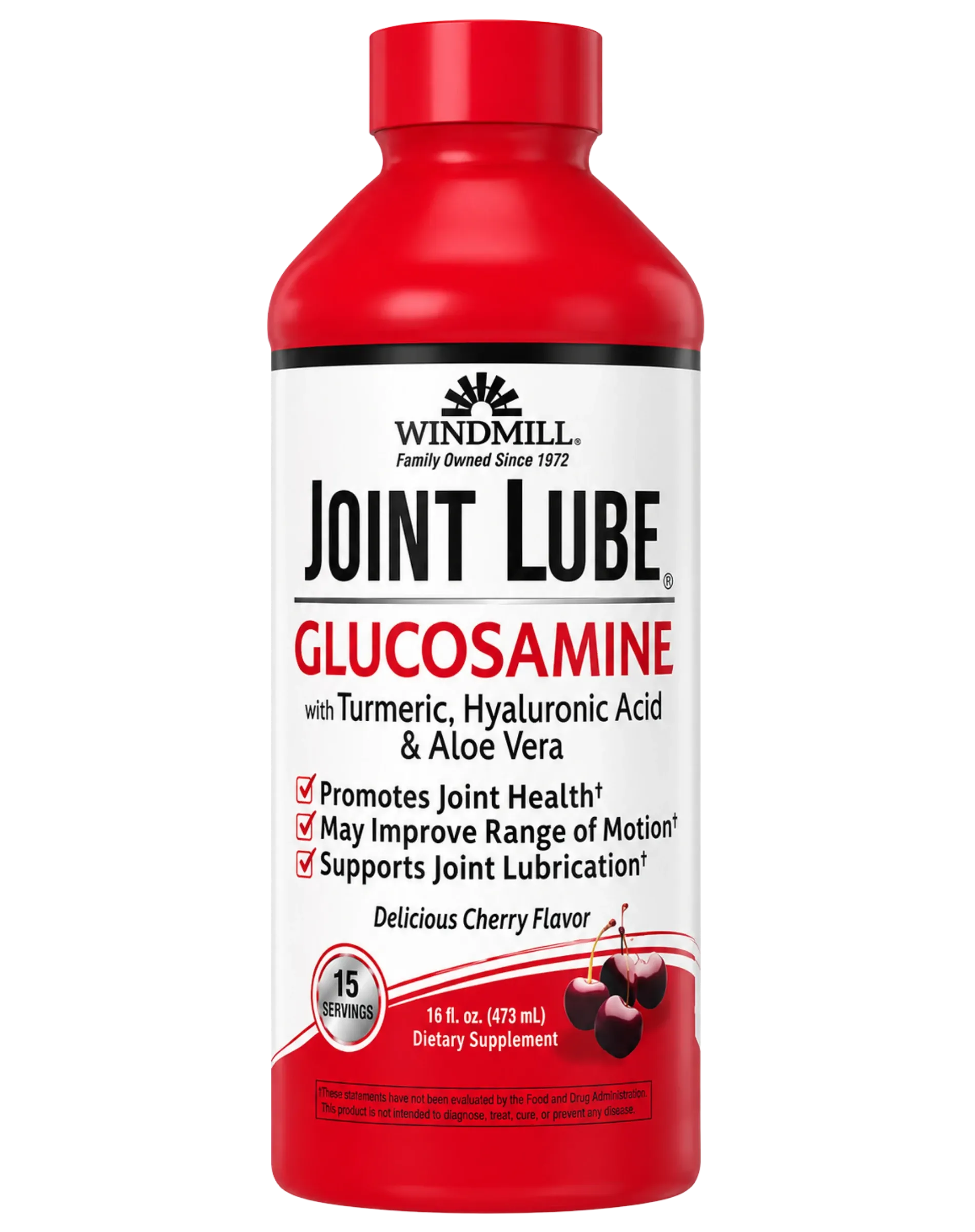
Water is still the foundation — synovial fluid is mostly water, and even mild dehydration can reduce joint cushioning. Beyond hydration, liquid glucosamine formulas with hyaluronic acid are designed specifically for joint lubrication support. Hyaluronic acid is a natural component of synovial fluid, and peer-reviewed research on hyaluronic acid and joint lubrication supports its role in maintaining viscosity in the joint space. Collagen peptide powders dissolved in water or a smoothie provide the amino acid building blocks (glycine, proline, hydroxyproline) that cartilage and connective tissue need. Bone broth delivers similar compounds in food form. A liquid glucosamine product like Windmill Joint Lube Glucosamine with Turmeric, Hyaluronic Acid & Aloe Vera Liquid 16oz combines several of these ingredients in a single daily drink, which may suit people who struggle with large capsules.
What hurts when vitamin D is low?
Low vitamin D most commonly causes a diffuse, hard-to-pinpoint aching in the bones, joints, and surrounding muscles — particularly in the lower back, hips, legs, and knees. People often describe it as a deep, dull ache rather than a sharp pain. Severe or prolonged deficiency can contribute to bone softening (osteomalacia in adults), which causes bone tenderness that worsens with pressure. Muscle weakness and fatigue frequently accompany the joint and bone symptoms, because vitamin D receptors are present in muscle tissue. The critical point: these symptoms overlap heavily with fibromyalgia, rheumatoid arthritis, and general aging — so a blood test is the only way to confirm deficiency. Never assume vitamin D is the cause without testing first.
Can magnesium cause joint pain?
Magnesium deficiency — not excess magnesium — is more likely to contribute to joint-adjacent pain. Low magnesium increases muscle tension and nerve excitability, which can worsen the perception of joint pain and cause surrounding muscles to cramp or spasm. There is no strong evidence that taking magnesium supplements at normal doses causes joint pain directly. However, very high supplemental doses (above the tolerable upper intake of 350 mg/day from supplements, per the NIH Office of Dietary Supplements magnesium fact sheet) can cause gastrointestinal distress and, in rare cases with kidney problems, toxicity. If you suspect magnesium is contributing to any symptoms, discuss it with your doctor — especially if you take medications, as magnesium interacts with several drug classes.

Related Product
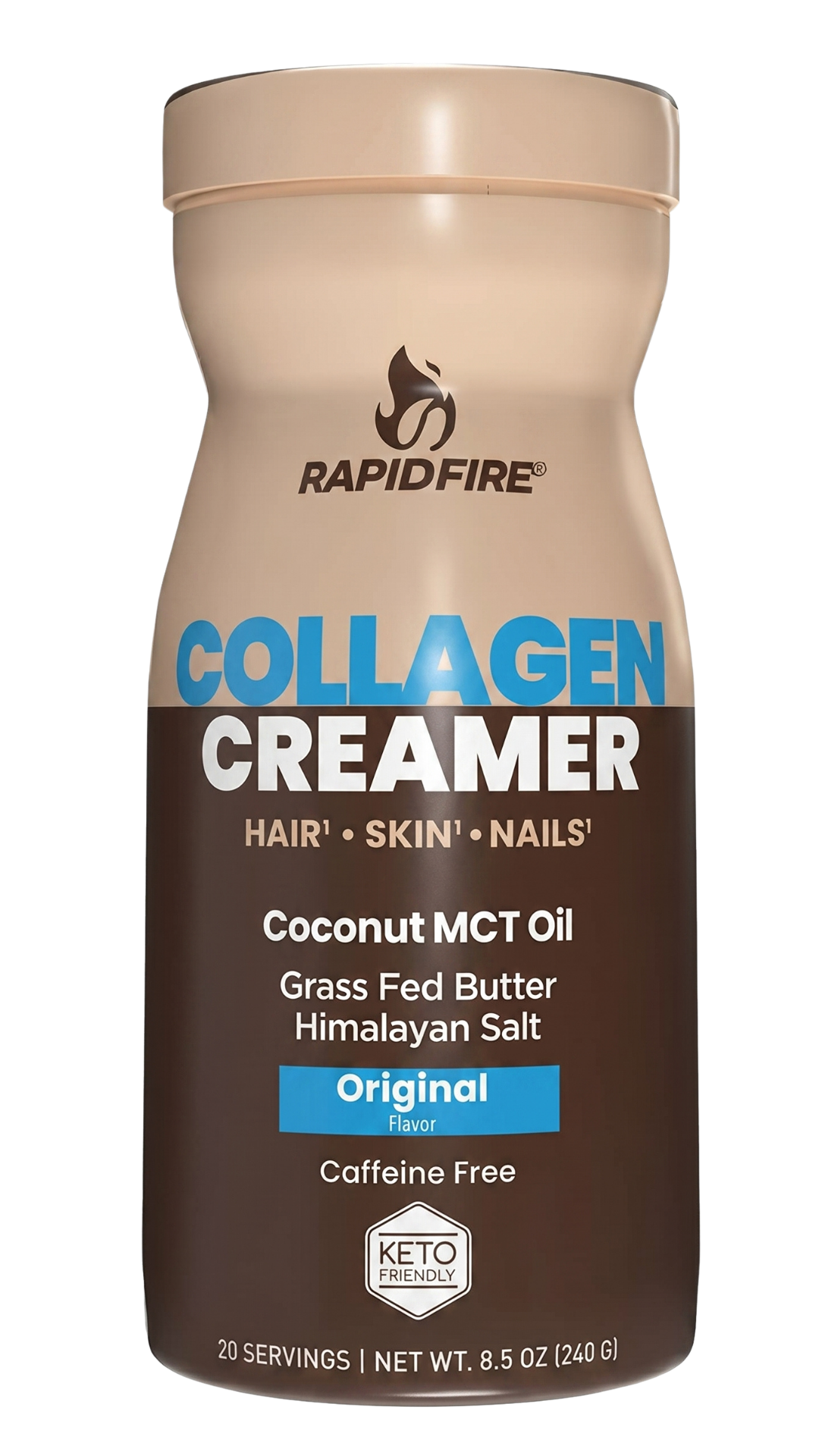
Rapid Fire Collagen Creamer Skin Support 7.55 oz
$14.99
What to Look For When Buying
Form matters. Glucosamine sulfate is better studied than glucosamine hydrochloride — check the label. Collagen peptides (hydrolyzed collagen) absorb better than undenatured collagen for most joint goals. Liquid formats can offer faster absorption and are easier for those with swallowing difficulties.
Dose range. Clinical trials use 1,500 mg/day glucosamine sulfate, 1,200 mg/day chondroitin sulfate, and 10 g/day hydrolyzed collagen. Products dosed below these levels may underdeliver.
Combination formulas. Ingredients like turmeric/curcumin, hyaluronic acid, and boswellia are often added for their complementary anti-inflammatory or lubrication properties. These additions can enhance a formula, but make sure the primary ingredients still hit clinical doses.
Quality signals. Look for GMP (Good Manufacturing Practice) certification on the label. Third-party testing from organizations like NSF International or USP adds a meaningful layer of purity and potency assurance. Avoid products that list proprietary blends without disclosing individual ingredient amounts — you can't verify the dose.
What to avoid. Skip products that promise to "rebuild" or "reverse" arthritis. Watch for unnecessary fillers, artificial colors, and excess sugars, particularly in liquid formulas.
The Bottom Line

Subscribe & Save
Never run out.
Subscribe to any product and save 10% on every order. Pause or cancel anytime.
Subscribe & Save 10%A handful of joint health ingredients — glucosamine sulfate, chondroitin, collagen peptides, hyaluronic acid, and vitamin D — have genuine research support for modest, long-term benefits in joint comfort and mobility. No supplement replaces medical care for diagnosed arthritis, but correcting nutritional gaps and supporting cartilage and synovial fluid with evidence-backed ingredients is a reasonable, low-risk strategy. Start with a vitamin D blood test if you haven't had one; that single step rules out one of the most common and correctable causes of joint pain.
Where to Find Quality Joint Health Supplements
Moore Vitamins carries a GMP-certified selection of joint health formulas with same-day fulfillment and a Subscribe & Save option for ongoing use. A few standout options:
- Rejuvicare Collagen Peptides Skin & Joint Support Powder 6.35 oz — hydrolyzed collagen peptides for cartilage and connective tissue support, easy to mix into any beverage.
- Windmill Joint Lube Glucosamine with Turmeric, Hyaluronic Acid & Aloe Vera Liquid 16oz — a liquid combination formula targeting lubrication with glucosamine, hyaluronic acid, and turmeric in one daily serving.
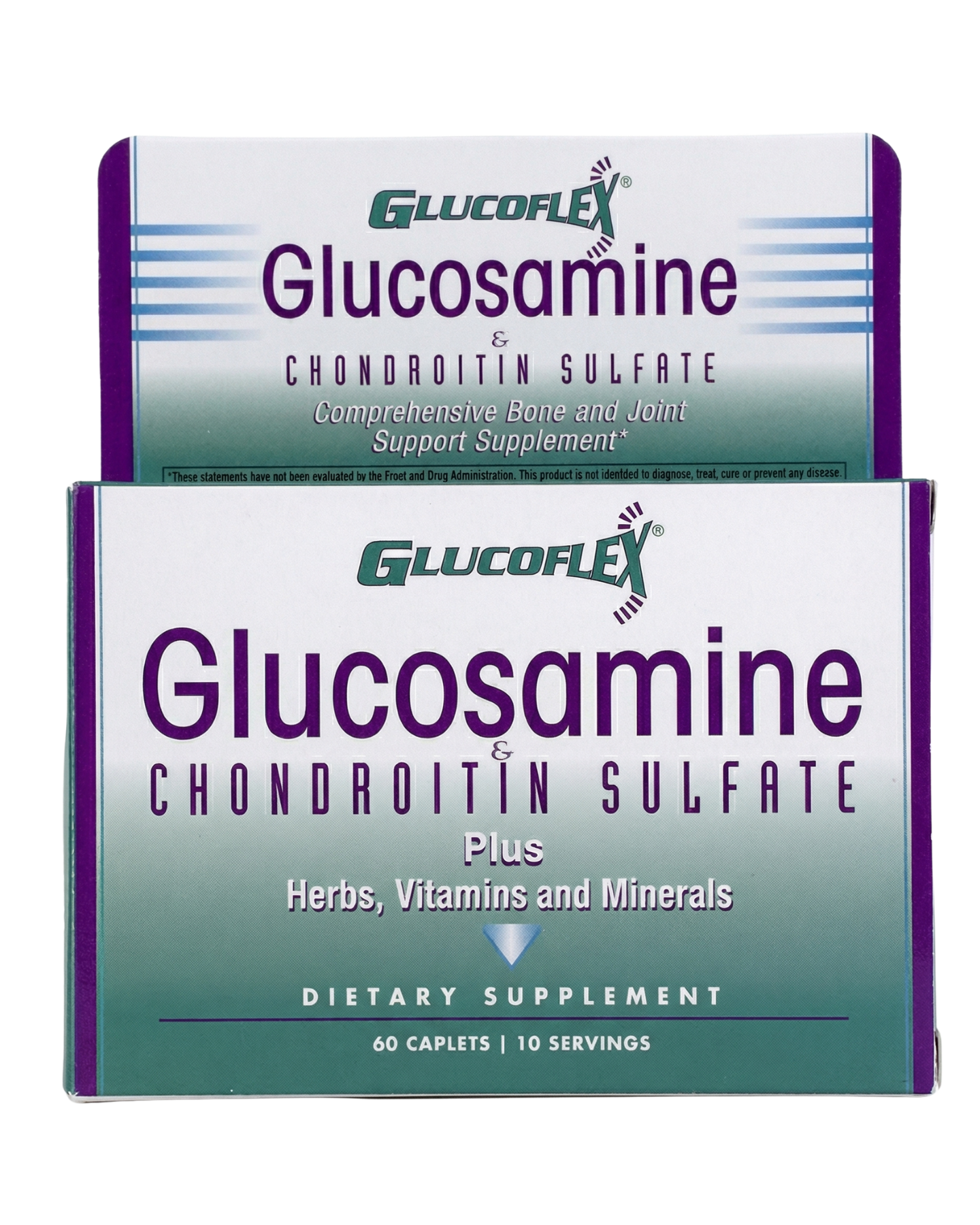
- Glucoflex Glucosamine & CSA Joint Support Caplets 60ct — a classic glucosamine-plus-chondroitin sulfate formula in caplet form for those who prefer a straightforward, well-studied combination.
Never miss a dose.
Evidence-based wellness guides like this one, in your inbox. No hype, no spam — unsubscribe anytime.