Collagen, Glucosamine, or Calcium: Which Joint and Bone Supplement Actually Matches Your Problem?
Taking a joint supplement that targets cartilage when your real problem is bone density is like wearing a knee brace for a wrist fracture — the product isn't wrong, it's just answering a different question. Collagen peptides, glucosamine, and calcium each act on a distinct tissue and mechanism: collagen rebuilds the protein scaffolding between joints, glucosamine supports cartilage matrix integrity and reduces inflammatory friction, and calcium (especially in citrate form) directly feeds the mineralization process that keeps bone hard. A 2023 meta-analysis covering over 4,000 participants found that glucosamine significantly reduced joint pain scores compared to placebo, while collagen supplementation showed the strongest signal for joint mobility and connective tissue thickness. Calcium with cofactors like magnesium and zinc, meanwhile, remains the foundational intervention for bone mineral density loss — a concern for an estimated 54 million Americans. If you've been grabbing whatever is on sale, this article will help you stop guessing and start choosing strategically.
Why the "Joint and Bone" Category Is Finally Being Split Apart in 2026
For years, the supplement industry lumped joint health and bone health into one aisle. One label, one promise, one confused shopper. That's changing — and not just because of marketing.
Advances in musculoskeletal imaging and longer-duration clinical trials have made it increasingly clear that joint pain, joint mobility, and bone fragility are three separate physiological conversations. Inflammatory joint wear is driven by cartilage degradation and synovial fluid depletion. Bone loss is driven by an imbalance between osteoblast (bone-building) and osteoclast (bone-resorbing) cell activity. These processes overlap in aging, but they respond to entirely different nutrients.
The result: practitioners and well-informed consumers are now asking a much more precise question — which tissue am I actually trying to support? That shift is driving demand for targeted formulas and creating real confusion at the point of purchase. This article cuts through it.
What Each Major Ingredient Actually Targets
Understanding the mechanism is the fastest way to pick the right supplement. Here's what each key player does at the tissue level.
Collagen peptides are hydrolyzed fragments of the structural protein that makes up tendons, ligaments, cartilage, and the joint capsule itself. When you take collagen orally, specific dipeptides are absorbed intact and accumulate in cartilage tissue, where peer-reviewed research on collagen and joint cartilage suggests they stimulate resident cells called chondrocytes to produce more native collagen and proteoglycans. The effect is structural repair and improved joint flexibility — not primarily pain relief.
Glucosamine is a naturally occurring amino sugar that the body uses to build glycosaminoglycans — the key molecules in cartilage and synovial fluid. Supplemental glucosamine, particularly when combined with turmeric's curcuminoids and hyaluronic acid, may reduce inflammatory degradation of cartilage and support the lubrication that cushions joints in motion. Its strongest evidence is in people with mild-to-moderate osteoarthritis of the knee. According to peer-reviewed research on glucosamine and osteoarthritis, the benefits are most consistent with longer supplementation periods — typically 8 to 12 weeks or more.
Calcium is the mineral your bones are literally made of — roughly 99% of the body's calcium is stored in bone and teeth. But calcium supplementation only works well in the presence of cofactors: magnesium regulates how calcium is transported and deposited, and zinc supports the enzymatic activity of bone-building cells. Without these cofactors, supplemental calcium can pool in soft tissue rather than bone.
What the Current Research Shows
The evidence landscape is cleaner than the supplement aisle suggests.
For joint cartilage and mobility, collagen peptides have a strong and growing evidence base. Multiple randomized controlled trials show measurable improvements in joint mobility, cartilage thickness (via ultrasound), and activity-related pain — particularly in athletes and people with early osteoarthritis. The NIH Office of Dietary Supplements collagen overview space is still maturing, but the signal is consistent enough that sports medicine practitioners now routinely recommend it.
For joint pain and inflammation, glucosamine with complementary anti-inflammatory compounds like turmeric is backed by decades of research. The evidence is strongest for knee osteoarthritis pain and stiffness — less compelling for hip or spinal joints. Results require patience; most trials showing meaningful effect run for 12 weeks minimum.
For bone mineral density, calcium remains the NIH Office of Dietary Supplements cornerstone nutrient, with robust evidence linking adequate intake to slower bone loss in postmenopausal women and older adults. Calcium citrate specifically absorbs better than calcium carbonate — it doesn't require stomach acid, making it effective even for people on proton pump inhibitors or those with lower gastric acid production.
What's still evolving: the ideal dosing windows for collagen (some evidence suggests taking it 30-60 minutes before exercise), and the precise synergy between glucosamine and newer anti-inflammatory cofactors like hyaluronic acid and aloe vera.
Who Benefits Most From Each Approach
Collagen peptides are your best starting point if:
- You're an active adult noticing reduced joint range of motion or post-exercise stiffness
- You're under 55 and your joints ache but your bone density is not a concern yet
- You have a history of tendon or ligament injuries
- You want a supplement that also supports skin elasticity as a secondary benefit
Glucosamine-based formulas are your best fit if:
- You have diagnosed or suspected osteoarthritis, particularly in the knees
- Your primary complaint is pain and grinding sensation during movement, not just stiffness
- You're over 45 and looking for long-term cartilage maintenance alongside an anti-inflammatory approach
- You want a liquid formula for faster absorption and easier dosing
Calcium with magnesium and zinc is essential if:
- You are postmenopausal, over 60, or have a family history of osteoporosis
- You've had a DEXA scan showing low bone density or osteopenia
- Your diet is low in dairy, fortified foods, or leafy greens
- You're on medications known to deplete calcium, such as corticosteroids or certain anticonvulsants
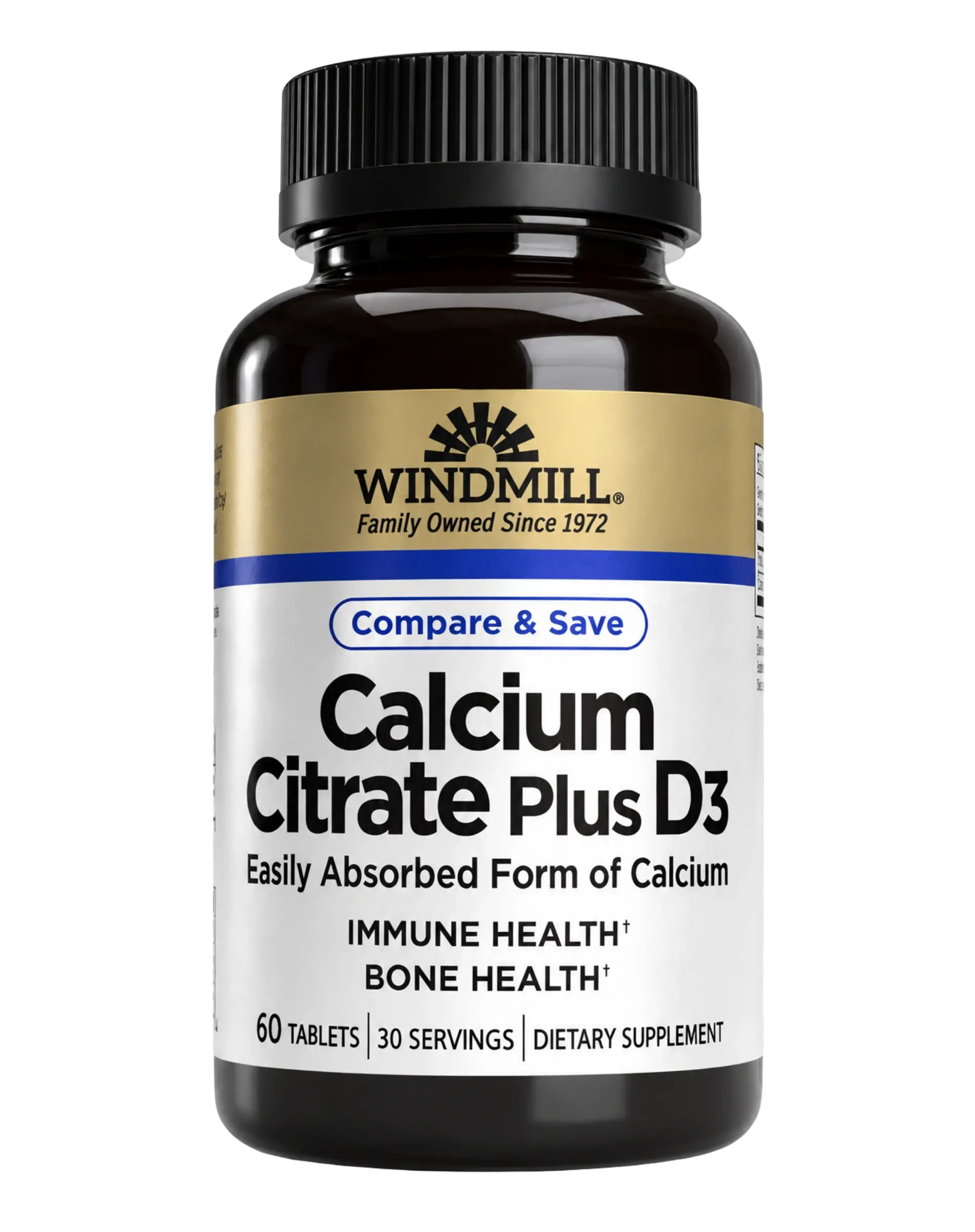
Related Product
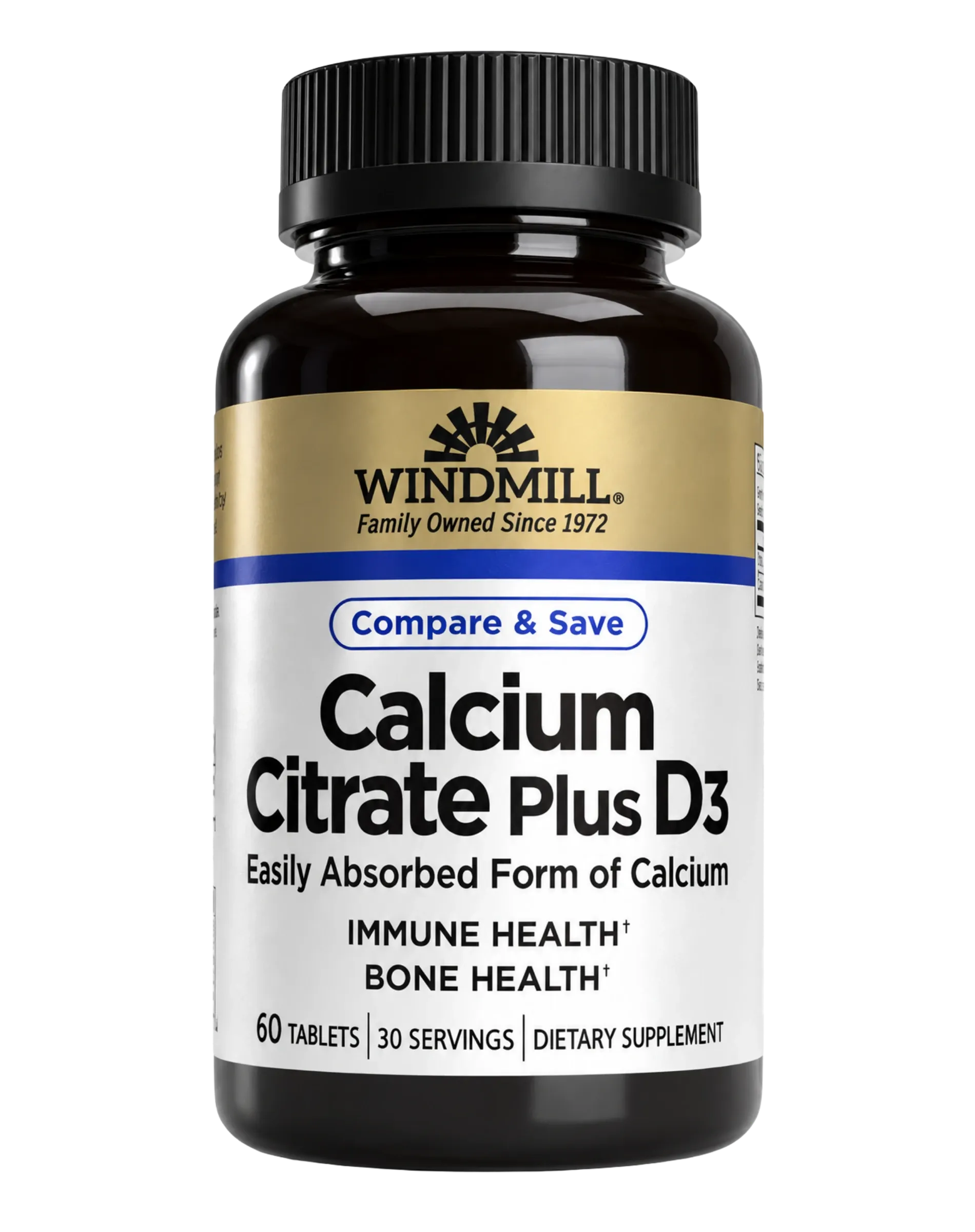
Windmill Calcium Citrate Plus D3 Bone Health Tablets 60ct
$8.99
Many people over 50 will benefit from stacking a bone health formula with either collagen or glucosamine — the conditions frequently coexist.
How to Choose a Quality Joint or Bone Supplement
Form matters more than people realize. Calcium citrate outperforms calcium carbonate for absorption without food. Hydrolyzed collagen peptides (Type I and II) absorb better than gelatin. Liquid glucosamine formulas have a bioavailability edge over some tablet formats — especially relevant for people with digestive issues.
Cofactors are non-negotiable for bone health. A calcium supplement without magnesium is a half-measure. Look for formulas that include magnesium and zinc in meaningful doses — not token amounts added for label appeal.
Dosage benchmarks to know:
- Collagen peptides: 5–15g per day is the evidence-supported range for joint benefit
- Glucosamine: 1,500 mg/day is the most studied dose for osteoarthritis
- Calcium: Most adults need 1,000–1,200 mg/day total (diet + supplement); don't over-supplement beyond your gap
- Magnesium: 300–420 mg/day supports calcium metabolism and is widely under-consumed
Quality markers: Look for GMP-certified manufacturing, clean excipient lists, and transparent dosing on the label. Proprietary blends that hide individual ingredient amounts are a red flag.
Frequently Asked Questions
Q: Can I take collagen and glucosamine together, or do they compete?
A: They work on complementary mechanisms and can absolutely be taken together. Collagen supports the structural protein matrix of joints; glucosamine supports the carbohydrate-based components of cartilage and synovial fluid. Many practitioners recommend both for people with active osteoarthritis or high-impact activity levels.
Q: Is calcium citrate really better than calcium carbonate?
Never run out.
Subscribe to any product and save 10% on every order. Pause or cancel anytime.
Subscribe & Save 10%A: For most adults — especially those over 50 or on acid-reducing medications — yes. Calcium citrate absorbs reliably without needing food or stomach acid. Calcium carbonate requires an acidic environment to dissolve properly, which makes it less effective in people with lower gastric acid output. The NIH Office of Dietary Supplements calcium fact sheet confirms citrate's absorption advantage in these populations.
Q: How long before I notice a difference with joint supplements?
A: Collagen peptides typically show mobility and comfort improvements in 4 to 8 weeks with consistent daily use. Glucosamine benefits for osteoarthritis pain usually emerge around 8 to 12 weeks — this is not a fast-acting pain reliever. Bone density changes from calcium supplementation take months to years to show on a DEXA scan, but the protective effect begins immediately.
Explore Joint and Bone Health Supplements at Moore Vitamins
Once you know which tissue you're targeting, choosing the right product becomes straightforward. All Moore Vitamins products are GMP-certified and ship same day.
For joint mobility and connective tissue repair:
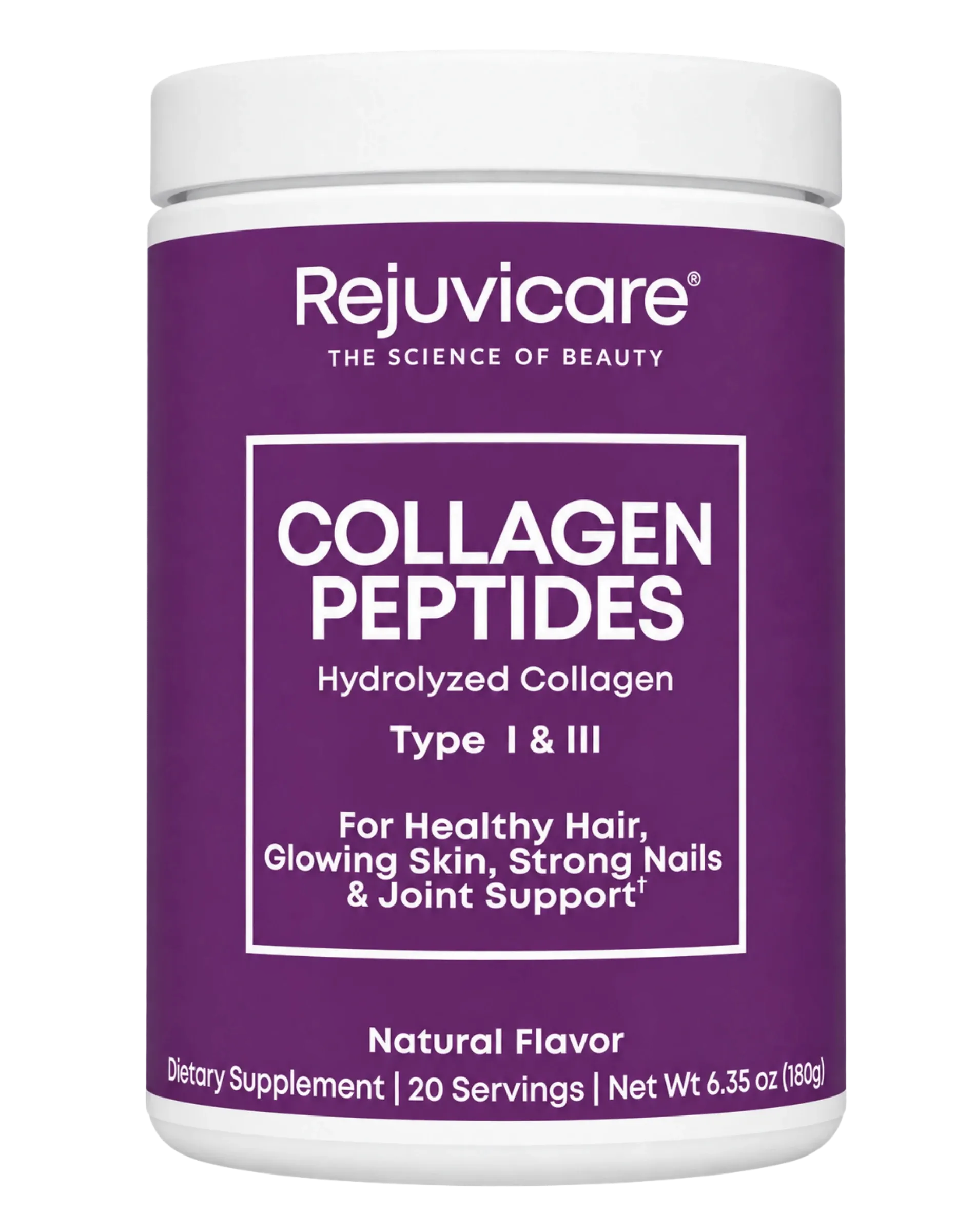
Rejuvicare Collagen Peptides Skin & Joint Support Powder 6.35 oz — hydrolyzed collagen peptides in an easy-mix powder, ideal for daily use before activity.
For joint pain, lubrication, and cartilage support:
Windmill Joint Lube Glucosamine with Turmeric, Hyaluronic Acid & Aloe Vera Liquid 16oz — a comprehensive liquid formula combining glucosamine with three anti-inflammatory and lubricating cofactors.
Glucoflex Glucosamine & CSA Joint Support Caplets 60ct — a classic glucosamine and chondroitin sulfate tablet for those who prefer a capsule format.
For bone density and mineral support:
Windmill Calcium Citrate Bone & Teeth Support Tablets 100ct — highly absorbable calcium citrate for people who want reliable bone mineral support without food dependency.
Windmill Cal-Mag-Zinc Bone Health Support Tablets 100ct — the full cofactor trio for comprehensive bone health, particularly suited for adults over 50 or those with dietary calcium gaps.
Never miss a dose.
Evidence-based wellness guides like this one, in your inbox. No hype, no spam — unsubscribe anytime.