Prenatal Nutrition Gaps: What Food Can't Fix
Most pregnant women eating a genuinely healthy diet are still deficient in at least three critical nutrients — and two of those deficiencies won't show up on a standard prenatal panel. Choline, a nutrient essential for fetal brain development, is under-consumed by an estimated 90–95% of pregnant women in the U.S., according to data reviewed by the NIH Office of Dietary Supplements. Folate deficiency in the first 28 days of pregnancy — often before a woman knows she's pregnant — remains the leading preventable cause of neural tube defects. Magnesium, required for over 300 enzymatic reactions including fetal bone formation and maternal blood pressure regulation, is insufficient in roughly 60% of American diets even before the demands of pregnancy increase requirements further. Iron needs nearly double during pregnancy, yet iron-rich foods alone rarely close the gap without supplementation. This matters most for women in the first trimester, women planning to conceive, and anyone who believes a clean diet makes prenatal vitamins redundant. Finishing this article will show you exactly where the real gaps are — and how to close them without guesswork.
Why 2026 Is a Turning Point for Prenatal Nutrition Science
The conversation around prenatal nutrition has shifted sharply in recent years. For decades, the focus was almost entirely on folate and iron. That was the checklist. But a wave of longitudinal research — including large birth-cohort studies tracking children into their school years — is now connecting in-utero nutrient exposure to outcomes far beyond birth defects: cognitive performance, immune calibration, metabolic health, even emotional regulation.
What's driving the 2026 conversation specifically is a combination of new dietary intake data and updated clinical guidelines. The American College of Obstetricians and Gynecologists quietly updated its recommendations on choline in 2024, and the research on omega-3 DHA and preterm birth risk continues to accumulate. Clinicians are starting to move beyond the single-pill prenatal vitamin as the entire solution.
There's also growing awareness that the quality of a prenatal supplement matters as much as whether you take one at all. Form, bioavailability, and dose vary wildly between products. The average drugstore prenatal multivitamin contains little to no choline, and many use folic acid doses that are adequate but not optimal for women with MTHFR gene variants who process synthetic folate less efficiently.
What "Nutritional Gaps" Actually Means in Pregnancy
A nutritional gap isn't starvation. It's the difference between what your body needs at a specific life stage and what it's actually getting — and pregnancy is arguably the most demanding nutritional life stage that exists.
Your body prioritizes the fetus. If your dietary intake of calcium is low, your bones contribute calcium to fetal development. If your iron intake is insufficient, you get anemic before the baby does. This biological hierarchy means maternal symptoms often lag behind fetal impact — which is exactly why gaps are so dangerous and so easy to underestimate.
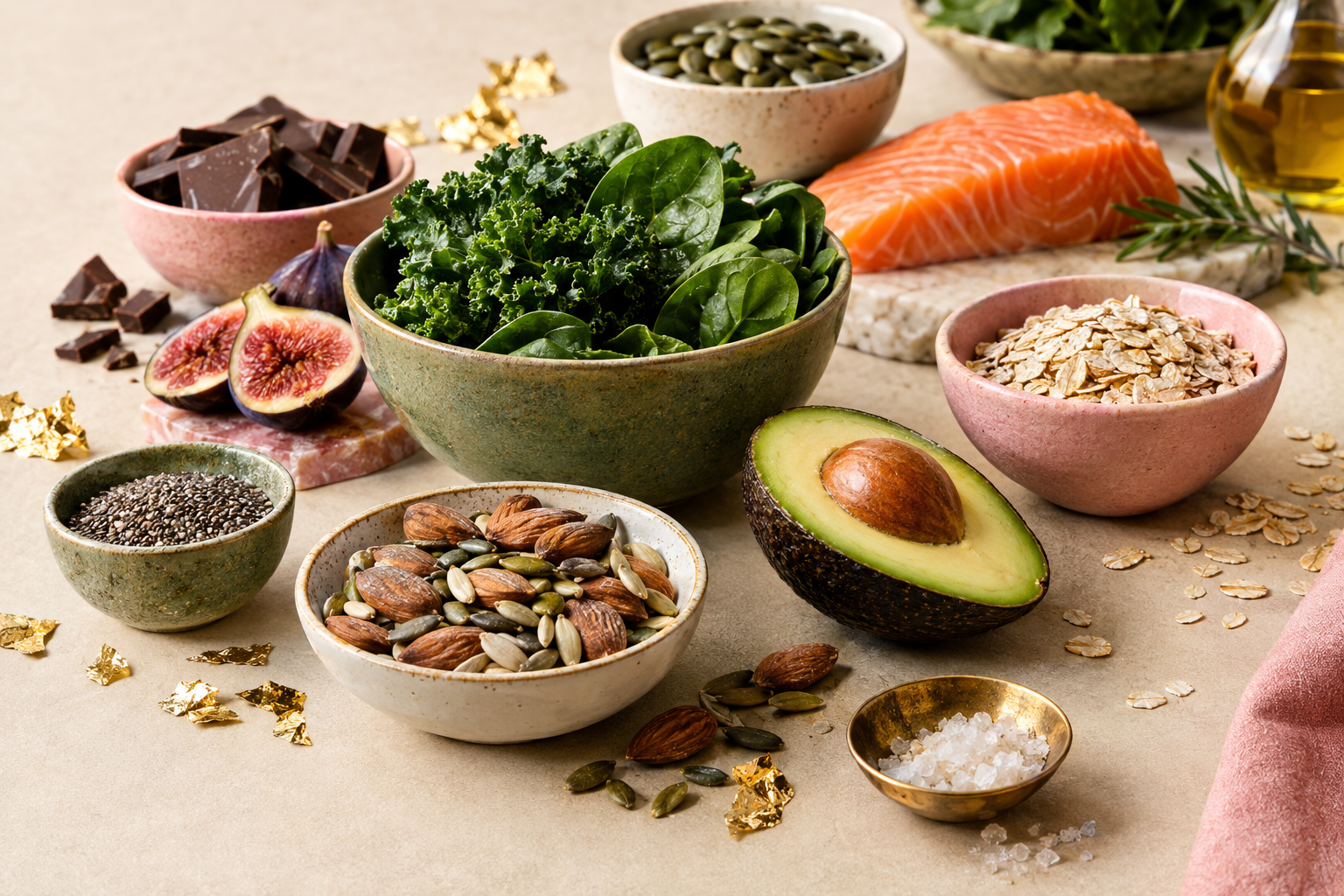
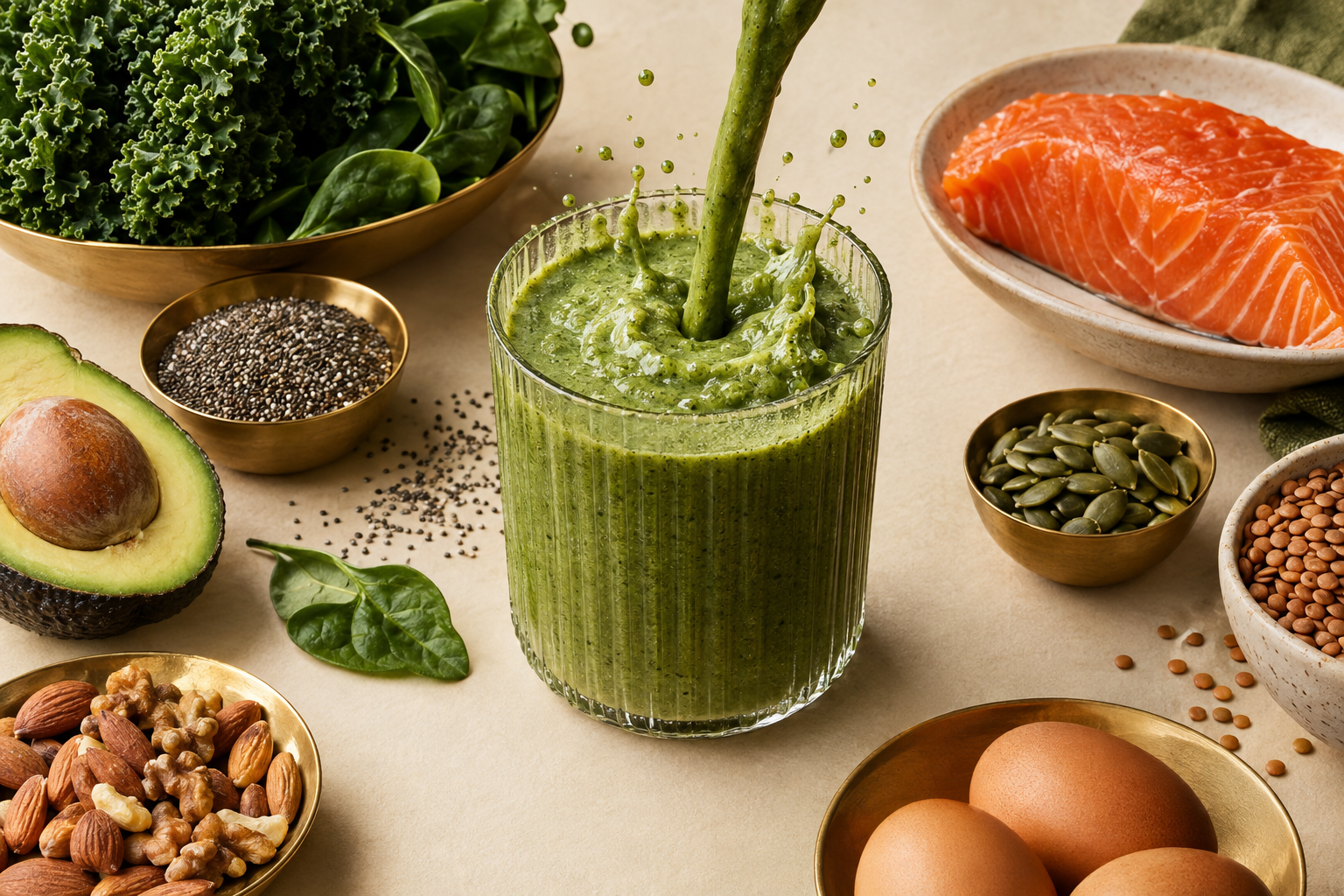
The key gaps that food genuinely struggles to close in pregnancy aren't about eating badly. They're about the fact that requirements spike dramatically while food sources remain fixed. You would need to eat roughly 4 whole eggs daily to meet choline needs in pregnancy. Three servings of fatty fish per week for DHA — which most Americans don't eat once a week. A pound of cooked spinach for folate. Real food matters enormously, but the math often doesn't work without support.
What the Current Research Shows
The evidence base has gotten more precise — and more actionable. Here's where the science actually stands:
Folate/Folic Acid: The evidence for preventing neural tube defects is ironclad — this is one of the strongest nutrition-intervention relationships in all of medicine. The recommended 400–800 mcg daily, started before conception, reduces NTD risk by up to 70%. For women with MTHFR variants, methylfolate forms may absorb more effectively, though peer-reviewed research on MTHFR and folate supplementation is still being refined.
Magnesium: Deficiency during pregnancy is associated with preeclampsia, preterm labor, and poor fetal growth. The NIH magnesium fact sheet notes that the RDA jumps to 350–360 mg daily during pregnancy — higher than most women achieve through diet alone. Glycinate and citrate forms absorb significantly better than oxide.
Choline: This is the most underappreciated gap in prenatal nutrition right now. RDA during pregnancy is 450 mg/day, rising to 550 mg during lactation. Most prenatal vitamins contain zero. Emerging research on choline and fetal neurodevelopment suggests adequate intake supports hippocampal development and may have lifelong cognitive benefits.
Iron and DHA remain well-supported across large-scale trials. DHA supplementation is associated with reduced preterm birth risk in meta-analyses of tens of thousands of pregnancies.
Who Has the Biggest Gaps
Not every pregnant woman faces the same risk profile. These groups face the steepest nutritional uphill:
- Women who ate a folate-poor diet before they knew they were pregnant — the neural tube closes by day 28, often before a positive test
- Plant-based and vegan pregnancies — DHA, B12, iron, and zinc are all harder to obtain without animal products
- Women with hyperemesis gravidarum — nausea-related food restriction creates gaps across nearly every nutrient category
- Women carrying multiples — requirements scale upward substantially
- Anyone with an MTHFR gene variant — affecting synthetic folate conversion efficiency
- Women with pre-existing low magnesium — common in those with high stress, poor sleep, or low nut and seed intake
As discussed in our Pregnancy Supplement Timing: What to Take & When guide, the timing of when you start supplementing matters as much as what you take — especially for folate, which needs to be on board before most women even test positive.
How to Choose a Quality Prenatal Supplement
Related Product
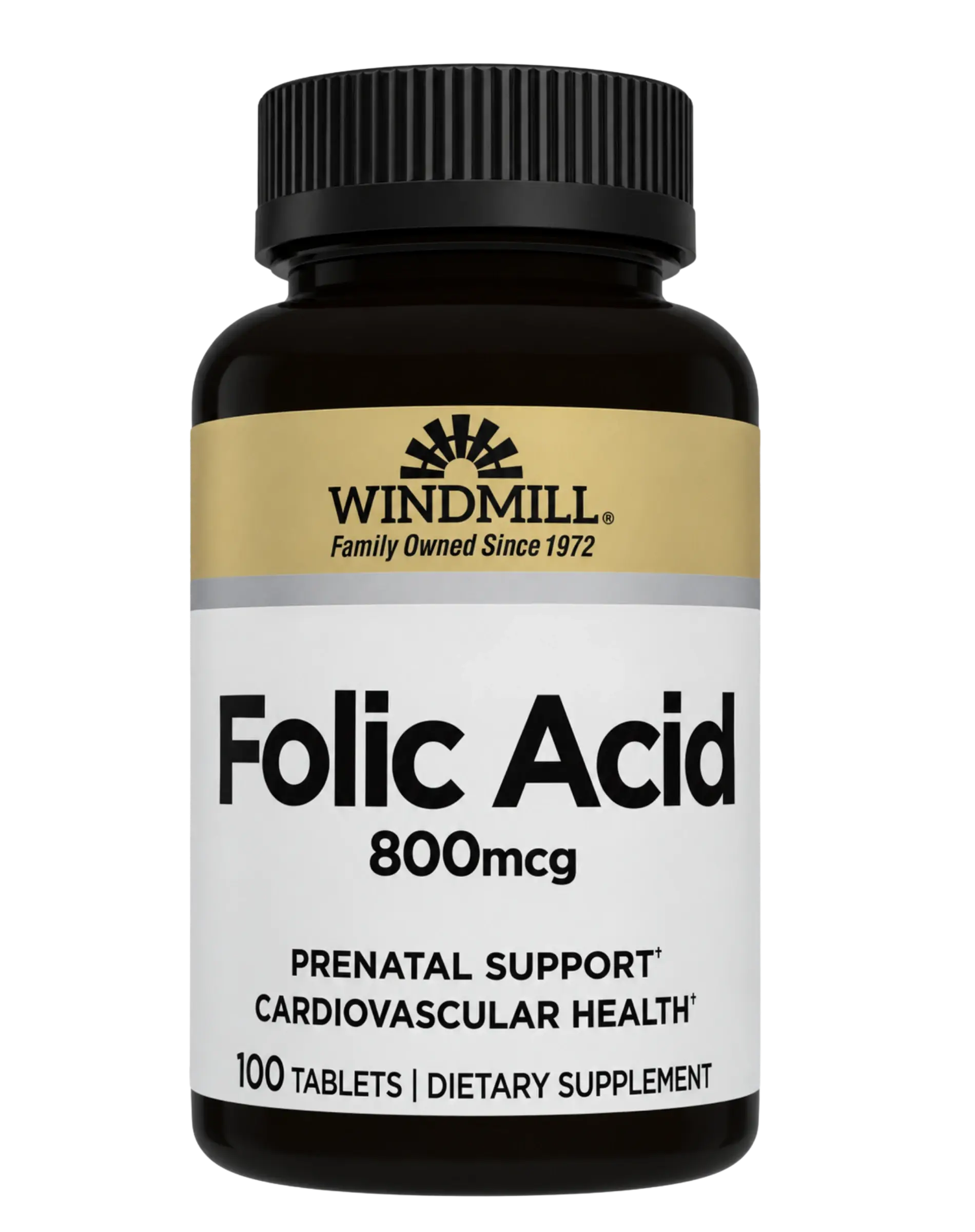
Windmill Folic Acid 800mcg Prenatal Support Tablets 100ct
$8.99
Not all prenatal vitamins are created equal. Here's what to look for and what to skip:
Forms matter. Folate as methylfolate (5-MTHF) is better utilized by women with MTHFR variants than straight folic acid, though 800 mcg folic acid is still evidence-backed for most women. Magnesium as glycinate or citrate absorbs far better than oxide. Iron as bisglycinate is gentler on digestion.
Check the choline content. Most prenatal multivitamins contain none. If yours doesn't, plan to get choline from eggs, beef liver, or a separate supplement.
Dose is real. 400 mcg of folic acid is the floor, not the ceiling. 800 mcg is the clinical target for women at any elevated risk.
GMP certification — Good Manufacturing Practice — matters more than label claims. It tells you what's on the label is actually in the bottle.
Avoid fillers, artificial colors, and excessive fat-soluble vitamin A — high preformed retinol (not beta-carotene) is teratogenic in large amounts.
Consider splitting delivery. A comprehensive prenatal multivitamin covers the broad spectrum. A separate magnesium supplement, particularly in a drink mix form, lets you dose magnesium at a level that genuinely closes the gap without overwhelming a single capsule.
Frequently Asked Questions
Q: Can I just eat well and skip the prenatal vitamin?
A: The research says no — at least for folate and iron, where the evidence for supplementation is overwhelming regardless of diet quality. For choline, DHA, and magnesium, diet can contribute significantly, but hitting clinical targets through food alone requires a level of dietary precision most people don't sustain across nine months.
Never run out.
Subscribe to any product and save 10% on every order. Pause or cancel anytime.
Subscribe & Save 10%Q: When should I start taking a prenatal vitamin?
A: Ideally three months before conception, since neural tube development happens before most women know they're pregnant. If you're already pregnant and haven't started, begin immediately — it's never too late to close nutritional gaps that affect the second and third trimester.
Q: Is magnesium safe to take during pregnancy?
A: Yes — magnesium is not only safe but frequently under-supplemented in pregnancy. It supports healthy blood pressure, muscle function, and fetal bone development. The key is form and dose: magnesium glycinate or a well-formulated drink mix at 200–350 mg elemental magnesium daily is appropriate for most pregnant women, but always confirm with your OB.
Explore Prenatal Nutrition Support at Moore Vitamins
For a comprehensive foundation, the Windmill Prenatal Support Multivitamin Capsules 90ct delivers the core prenatal nutrient stack in a GMP-certified formula, with same-day fulfillment so you're never waiting on gaps to compound.
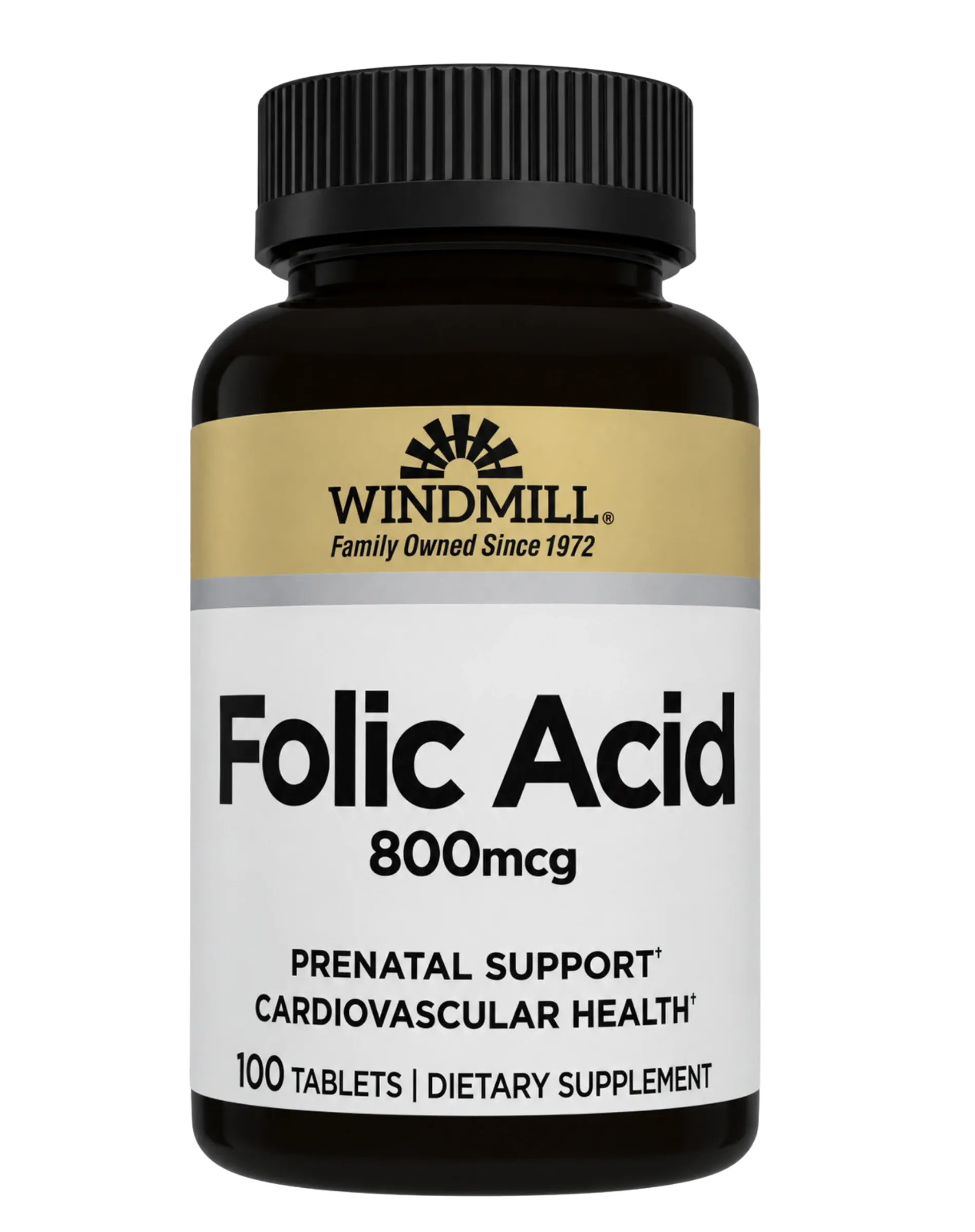
If folate is your primary concern — or you're in the pre-conception window — the Windmill Folic Acid 800mcg Prenatal Support Tablets 100ct provides the clinical 800 mcg dose that evidence supports for women at elevated risk of neural tube defects.
To specifically close the magnesium gap that most prenatal multivitamins leave open, the NutritionWorks Magnesium Drink Mix 5.6oz is an easy daily addition — absorbable, gentle, and easy to work into a morning routine even when nausea makes capsules difficult.
And for women whose first-trimester food aversions are narrowing their fruit and vegetable intake, the NutritionWorks Fruits & Veggies Gummies 30ct offer a practical bridge to micronutrient diversity when eating a full produce spectrum simply isn't happening.
Every product ships GMP-certified with Moore Vitamins' same-day fulfillment — because prenatal nutrition is one area where running out isn't an option.
Never miss a dose.
Evidence-based wellness guides like this one, in your inbox. No hype, no spam — unsubscribe anytime.