Melatonin Dose vs. Form: What Sleep Science Says
Most people taking 10mg melatonin gummies every night are overshooting the effective dose by roughly 20-fold — and likely making their sleep harder to fix long-term.
Research published across multiple clinical trials consistently shows that doses between 0.5mg and 3mg are as effective as higher doses for improving sleep onset, with peer-reviewed research on melatonin dose and sleep onset demonstrating diminishing returns above 1mg in healthy adults. The real variable that most people ignore entirely is form: whether melatonin releases all at once or slowly over 6–8 hours changes which type of sleep problem it actually solves. Instant-release formulas cut the time it takes to fall asleep. Controlled-release formulas address middle-of-the-night waking — a completely different biological problem. If you're waking at 2am and taking an instant-release tablet, you're taking the right molecule in the wrong format. People who struggle with either falling asleep, staying asleep, or both — and who haven't been getting consistent results — are the ones who stand to gain the most from understanding this distinction.
Why the Dose-vs-Form Question Is Dominating Sleep Research Right Now
The 2026 conversation around sleep supplements has shifted sharply. After years of "take more melatonin" becoming the default advice, a wave of pharmacokinetic studies is forcing a rethink. Researchers and clinicians are now drawing a hard line between sleep initiation problems and sleep maintenance problems — and recognizing that the supplement market has mostly been selling one-size-fits-all solutions to two very different conditions.
At the same time, the rise of wearable sleep trackers has given millions of people granular data on their own sleep architecture. People aren't just saying "I sleep badly" anymore — they're showing up to conversations with data that distinguishes poor sleep efficiency from short REM cycles from early morning awakening. That specificity demands a more precise answer than "try melatonin."
The global melatonin market is also under tightening regulatory scrutiny in the EU and parts of Asia, where high-dose products have been restricted. That scrutiny is trickling into how American consumers are thinking about what they actually need.
What Melatonin Actually Does (and Doesn't Do)
Melatonin is not a sedative. It does not knock you out the way a sleep medication does. It is a chronobiotic — it signals to your brain and body that darkness has arrived and sleep should begin. Your pineal gland naturally produces it in response to dim light, with levels rising about 2 hours before your habitual bedtime and peaking in the early morning hours.
Supplemental melatonin works by reinforcing or shifting that signal. At low doses (0.5–1mg), it mimics the physiological concentration your body produces. At high doses (5–10mg), it floods receptors far beyond physiological levels — a pattern the NIH Office of Dietary Supplements melatonin fact sheet notes does not linearly improve outcomes and may contribute to next-day grogginess.
What melatonin cannot do: compensate for poor sleep hygiene, fix sleep apnea, or replace the adenosine pressure that builds from genuine physical tiredness. Understanding these limits isn't pessimistic — it's how you deploy the molecule effectively.
What the Current Research Shows
The evidence on dose is now fairly settled. A 2022 meta-analysis of 19 trials found 0.5mg to be effective for sleep onset latency in healthy adults, with no statistically significant additional benefit at 10mg. The common perception that "more is stronger" comes from borrowed intuition about conventional drugs — it doesn't apply to hormones that work by receptor saturation.
The evidence on form is more nuanced and more interesting. Peer-reviewed research on controlled-release melatonin and sleep maintenance shows consistent benefit for middle-of-the-night awakenings in adults over 55 — a population whose melatonin secretion naturally declines with age. For younger adults with pure sleep-onset insomnia, instant-release low-dose melatonin remains the better-supported option.
Valerian root adds a different mechanism entirely. Rather than working on circadian timing, valerian's active compounds — valerenic acid and isovaleric acid — appear to modulate GABA-A receptors, producing mild anxiolytic and sedative effects. It stacks logically with melatonin for people whose inability to fall asleep has an anxiety component, not just a circadian one.
Who Benefits Most From Getting This Right
Controlled-release melatonin is most relevant for:
- Adults over 50 experiencing middle-of-the-night waking
- Shift workers trying to maintain sleep through unusual hours
- Anyone whose sleep tracker shows frequent nighttime arousals with good sleep-onset latency
Low-dose instant-release melatonin fits best for:
- People who lie awake 30–60+ minutes before falling asleep
- Jet lag management (taken at destination bedtime)
- Mild circadian rhythm disruption from late-night screen exposure
Valerian-based formulas are worth considering for:
- People whose sleep difficulty is driven by racing thoughts or anxiety at bedtime
- Those who want to avoid melatonin altogether
- Adults seeking a complementary layer alongside melatonin without stacking sedatives
Understanding your specific sleep failure mode — not just "bad sleep" — is the single most important step before choosing a supplement. Just as the timing of any supplement matters (as covered in our guide to fat vs. empty stomach supplement timing), the when and what form of melatonin can be just as consequential as the molecule itself.
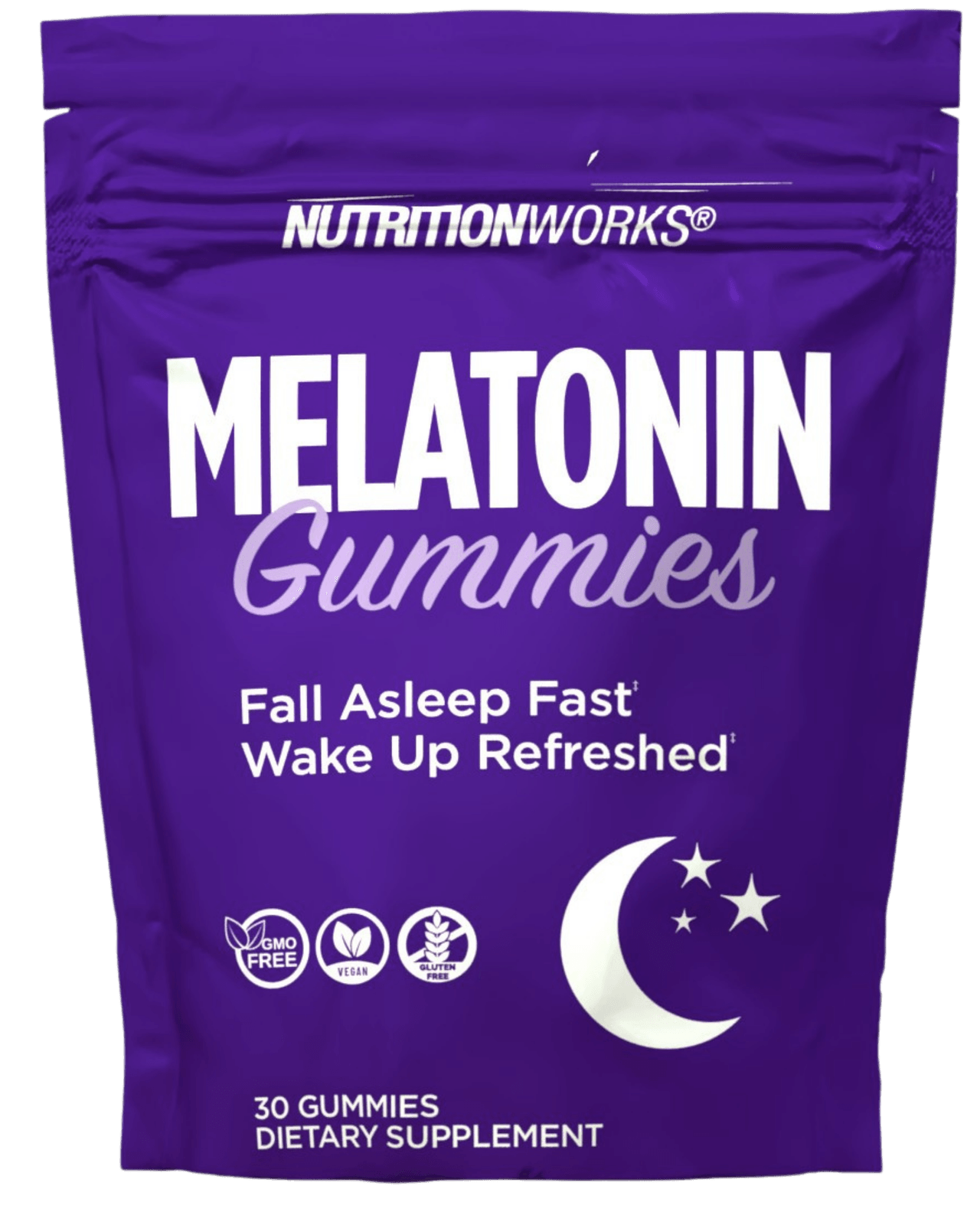
Related Product
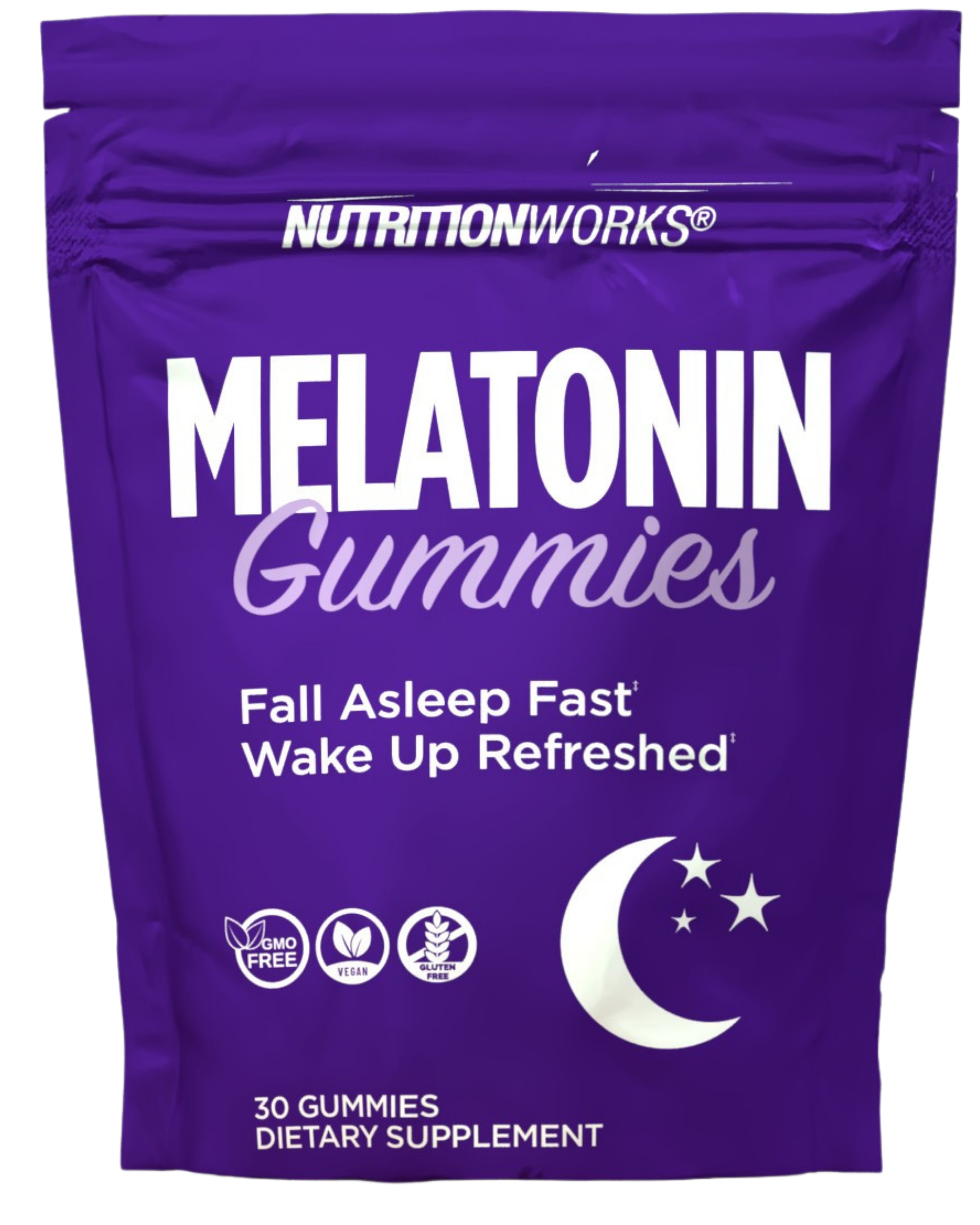
Melatonin 5mg Gummies 30ct
$9.99
How to Choose a Quality Sleep Supplement
Forms available:
- Instant-release tablets and gummies (peak blood levels in 45–60 minutes)
- Controlled-release tablets (sustained release over 6–8 hours)
- Herbal capsules (valerian, passionflower, L-theanine combinations)
Dosage guidance:
- Start at 0.5–1mg instant-release if your issue is falling asleep
- Use 2–5mg controlled-release if your issue is staying asleep
- Avoid exceeding 5mg regularly without a specific clinical reason
Quality markers:
- USP or NSF certification on the label
- GMP-certified manufacturing
- No proprietary blends hiding the actual melatonin dose — you should see the exact milligrams listed clearly
- Third-party tested for label accuracy (melatonin products have historically shown significant label inaccuracy in independent testing)
What to avoid:
- Products listing "melatonin blend" without specifying the dose
- Gummies with 10mg+ positioned as "extra strength" — this framing exploits the more-is-better misconception
- Combining melatonin with alcohol or prescription sedatives without physician guidance
Never run out.
Subscribe to any product and save 10% on every order. Pause or cancel anytime.
Subscribe & Save 10%Frequently Asked Questions
Q: Is 10mg melatonin safe to take every night?
A: Current evidence suggests 10mg is likely safe for short-term use but provides no documented benefit over 0.5–3mg for most adults. Regular high-dose use may blunt your own melatonin sensitivity over time, and next-day grogginess is more common at higher doses. Start low and increase only if lower doses produce no effect after 1–2 weeks.
Q: Does controlled-release melatonin work differently in older adults?
A: Yes, and this is where the evidence is strongest. Natural melatonin production declines significantly after age 55, making the overnight dip in melatonin levels more pronounced — which is why nighttime awakening becomes more common with age. Controlled-release formulas address this by maintaining melatonin levels through the night rather than delivering a single early-evening spike.
Q: Can I take valerian root and melatonin together?
A: Generally yes — they work through different mechanisms (GABA modulation vs. circadian signaling), so there is no pharmacological conflict. Many combination sleep formulas include both for this reason. Start with the standard dose of each and monitor for excessive morning grogginess, which is the most common sign you've taken more than your body needs.
Explore Sleep Supplements at Moore Vitamins
For middle-of-the-night waking, Sleep Soundly Melatonin Controlled Release Tablets 60ct delivers sustained melatonin levels through the night — the format the evidence actually supports for sleep maintenance.
For sleep-onset difficulty or anxiety-driven insomnia, Windmill Valerian Root 450mg Sleep & Relaxation Support Capsules 60ct targets the GABA pathway for genuine calming support without hormonal signaling.
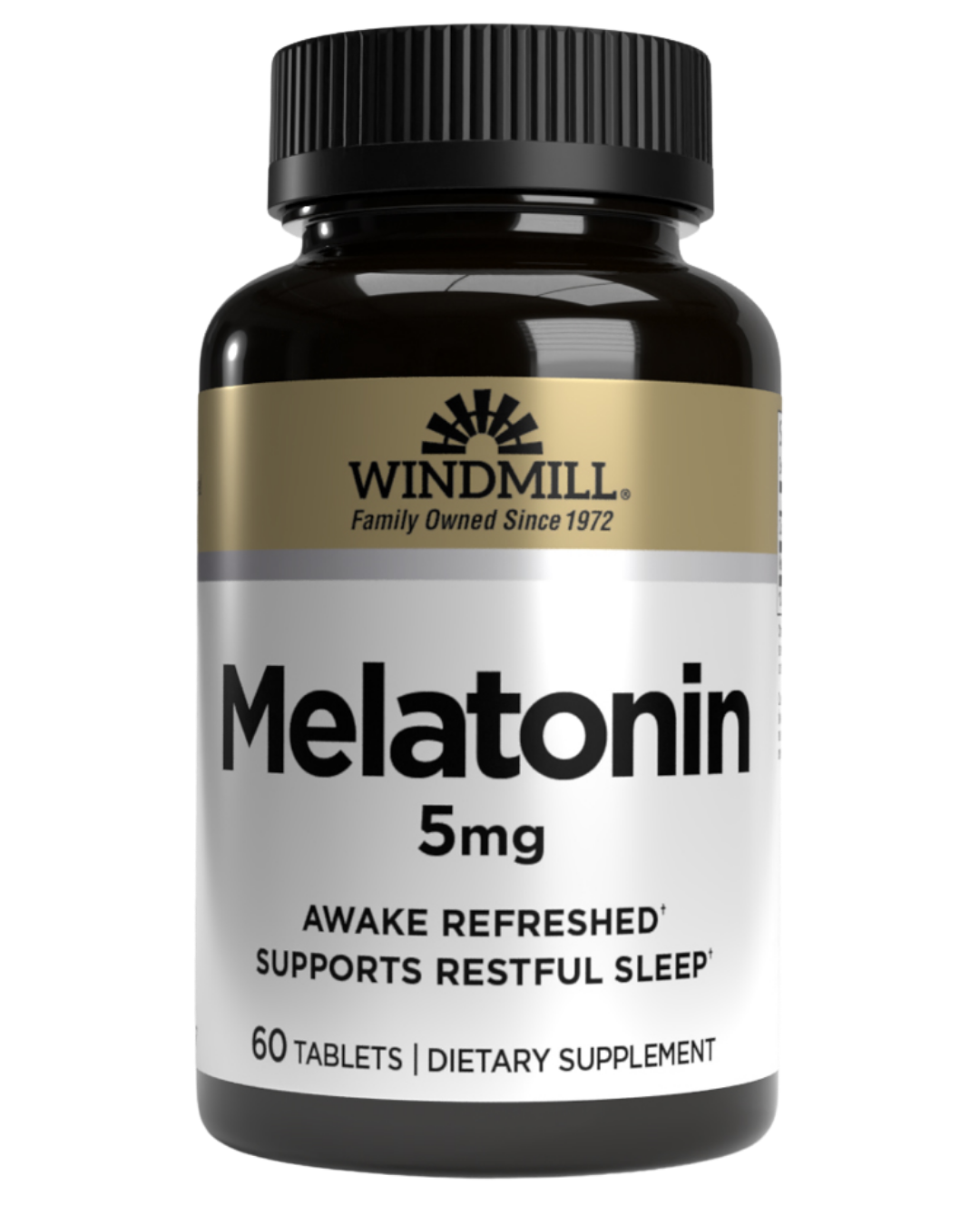
For a standard low-to-mid dose option, Windmill Melatonin 5mg Sleep Support Tablets 60ct offers a reliable, clearly labeled dose from a GMP-certified manufacturer.
Prefer an all-in-one approach? Windmill Tranquil PM Sleep Support Capsules 60ct combines multiple sleep-support ingredients in a single capsule — a practical option if you're still identifying which mechanism is most relevant for your sleep pattern.
All Moore Vitamins orders ship same-day, so you're not waiting a week to start your sleep experiment.
Never miss a dose.
Evidence-based wellness guides like this one, in your inbox. No hype, no spam — unsubscribe anytime.