Best Sleep Supplements 2026: Natural Sleep Aids That Actually Work
The Short Answer
The best sleep supplement depends on why you can't sleep. Research most consistently supports melatonin for falling asleep faster and resetting your body clock, magnesium for restlessness tied to low intake, and lemon balm and tart cherry as gentler botanical options. No supplement replaces good sleep habits — but the right one, matched to the right problem, can support a meaningful difference.
Last updated: July 2026
Roughly 1 in 3 American adults reports not getting enough sleep, according to the CDC. It's no surprise the sleep-supplement aisle has exploded — melatonin use among US adults has more than quintupled since the early 2000s (JAMA, 2022). But more options hasn't meant more clarity. This guide breaks down the four most-researched natural sleep ingredients, what the evidence actually shows for each, and how to pick the one that matches your situation.
Quick disclaimer up front: sleep supplements support normal, healthy sleep — they don't treat insomnia or any sleep disorder. If you've struggled with sleep for more than a few weeks, talk to your doctor first. Persistent sleep problems can signal conditions that need real medical attention.
How to Choose: Match the Ingredient to the Problem
| Your problem | Best-researched option | Typical dose | Evidence strength |
|---|---|---|---|
| Can't fall asleep / jet lag / shift work | Melatonin | 1–5 mg, 30–60 min before bed | Strongest of the four |
| Restless, tense, wake up at night | Magnesium | 200–400 mg in the evening | Moderate, best if intake is low |
| Racing mind, stress at bedtime | Lemon balm | 80–300 mg | Early but promising |
| Light sleeper, poor sleep quality | Tart cherry | 480 mg extract or ~8 oz juice equivalent | Small studies, consistent direction |
The rest of this guide covers each ingredient in depth, then the formats we carry and how they compare.
Melatonin: The Body-Clock Signal
Melatonin is a timing signal, not a sedative. Your brain produces it naturally as light fades, telling your body it's time to wind down. Supplemental melatonin works best when your internal clock is the problem — jet lag, shift work, or a bedtime that has drifted too late.
The research: a meta-analysis of 19 randomized trials (Ferracioli-Oda et al., PLOS One, 2013) found melatonin helped people fall asleep about 7 minutes faster on average and modestly improved total sleep time and quality. That's a real effect — but a modest one, which is why melatonin works best for the right sleep problem rather than as a cure-all. We cover this honestly in Does Melatonin Actually Help You Sleep?
Dosing matters more than most people think. Research suggests 0.5–5 mg taken 30–60 minutes before bed; more is not better. Higher doses raise the odds of next-morning grogginess without reliably improving sleep. If you're new to melatonin, start low. For timing details, see How Long Does Melatonin Take to Work?
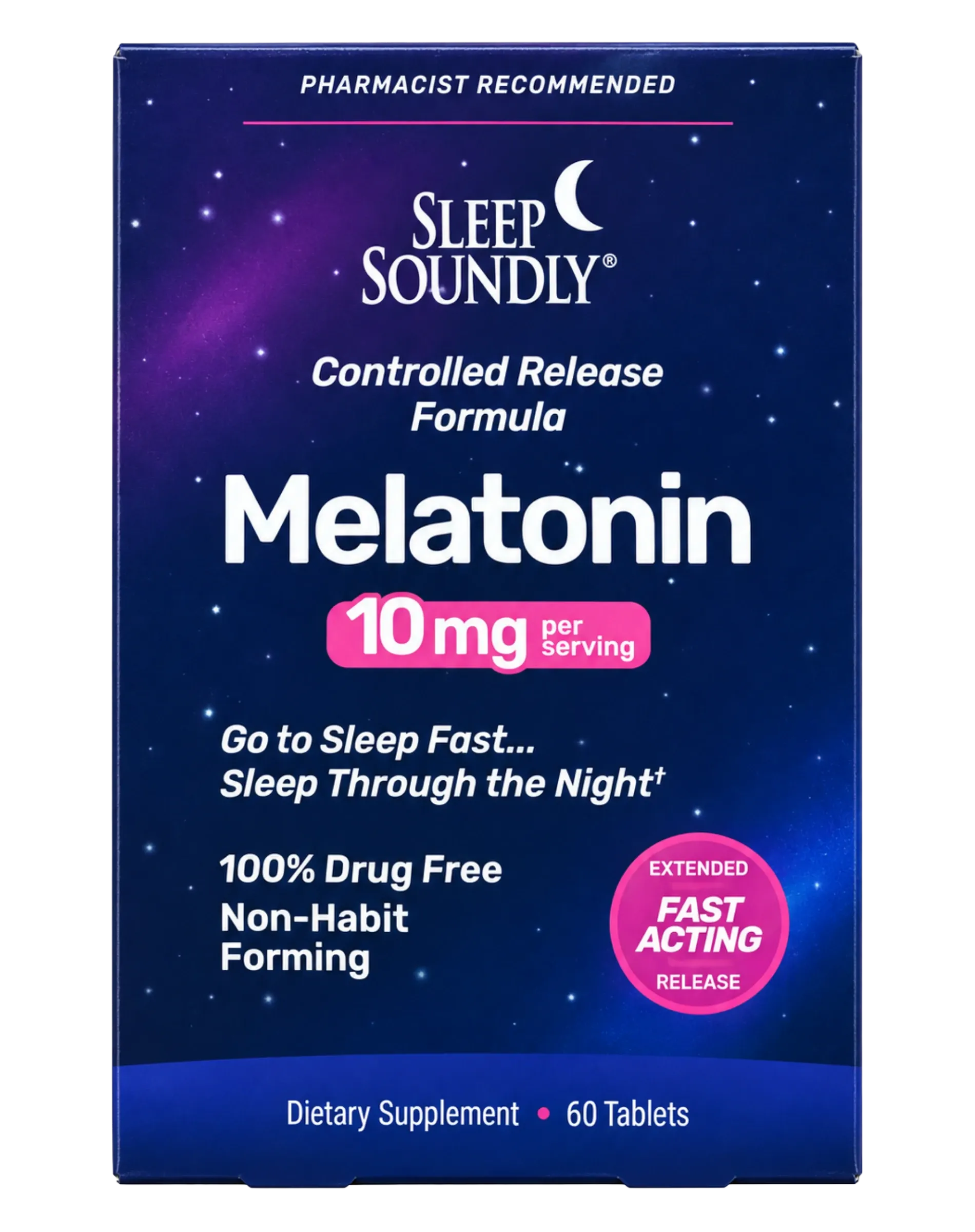
Standard vs. timed-release: standard melatonin peaks quickly, which suits trouble falling asleep. Timed-release versions like Melatonin 10mg Timed Release Tablets spread the release across the night — a format some people prefer if they tend to wake at 3 a.m.
Magnesium: The Underrated Mineral
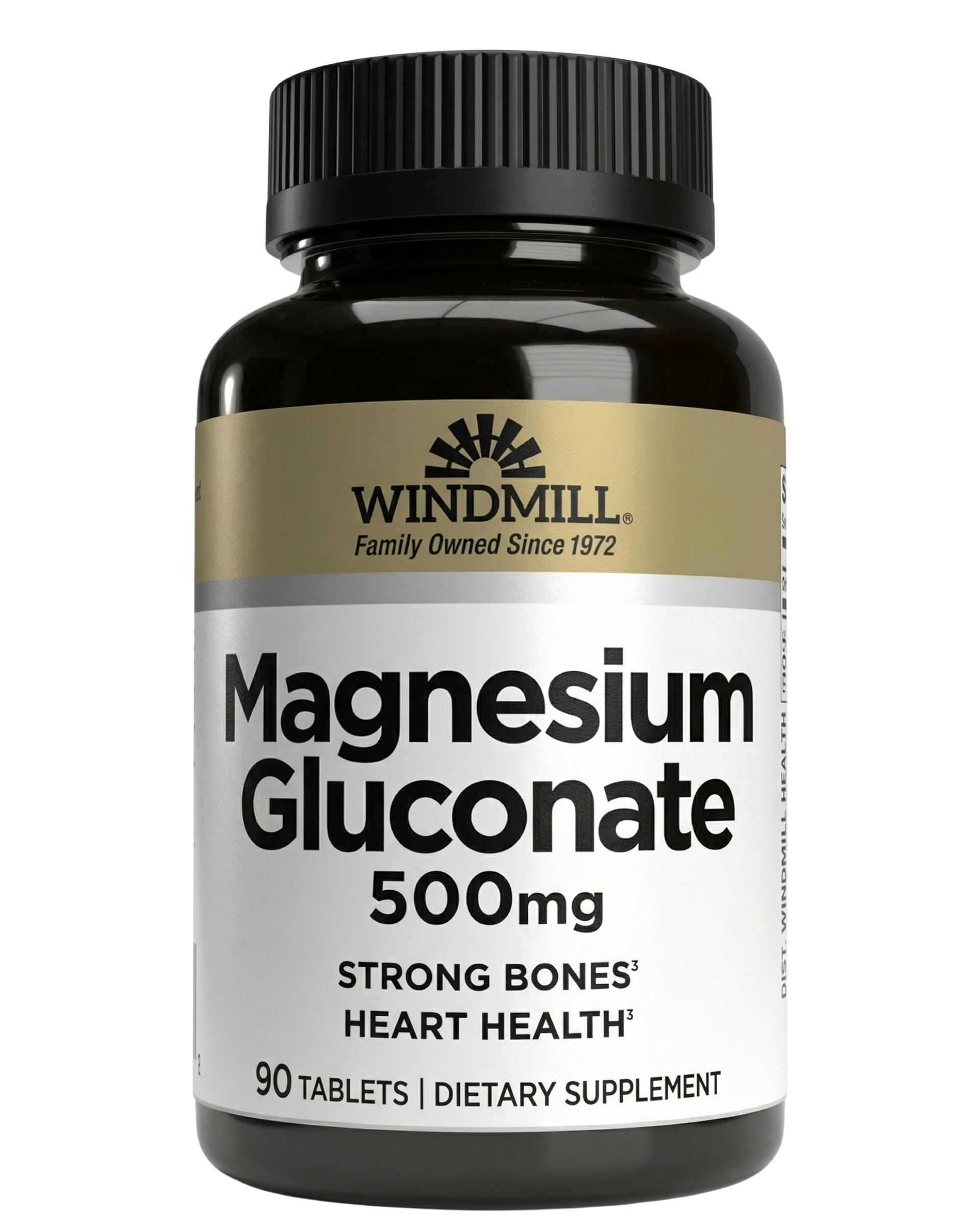
Magnesium supports normal muscle relaxation and nervous-system function — and a lot of Americans don't get enough of it. NIH data suggests nearly half of US adults fall short of the recommended daily intake (310–420 mg for adults). When sleep problems and low magnesium intake overlap, supplementation is one of the most sensible first steps.
The most-cited trial (Abbasi et al., 2012) gave 500 mg of magnesium daily to older adults with poor sleep for 8 weeks: participants fell asleep faster, slept longer, and showed higher natural melatonin levels than placebo. It's a small study — 46 people — but its direction matches what the mineral does mechanically: magnesium participates in over 300 enzyme reactions, including several that regulate the nervous system.
Form matters. Citrate and glycinate absorb better than oxide; glycinate in particular is gentle on the stomach at bedtime doses. We compare every form in Best Magnesium for Sleep in 2026.
Lemon Balm: The Calm-Mind Botanical
Lemon balm (Melissa officinalis) is a mint-family herb traditionally used to support relaxation, and small modern studies back the tradition. A 2011 pilot study (Cases et al.) using 600 mg daily reported reduced restlessness and improved sleep-related symptoms in a majority of participants over 15 days. Doses in commercial sleep formulas typically run 80–300 mg, often paired with melatonin so the two can work on different parts of the wind-down: the clock signal and the racing mind.
You'll find a meaningful 90 mg dose of lemon balm extract in Goli Dreamy Sleep Gummies, alongside melatonin, magnesium citrate, and a chamomile–passionflower–tart cherry blend.
Tart Cherry: The Food-Based Option
Tart cherries are one of the few food sources of naturally occurring melatonin, plus anthocyanin antioxidants. In a 2012 crossover study (Howatson et al.), a week of tart cherry juice raised participants' melatonin levels and added roughly 34 minutes of sleep time with improved sleep efficiency versus placebo. Small study, but one of the more striking results in the natural-sleep literature.
Tart cherry suits people who want the gentlest possible option, or who care about recovery as much as sleep — the same anthocyanins are studied for exercise recovery. Full breakdown in our Tart Cherry Extract Benefits Guide. We carry it as Country Farms Tart Cherry Gummies.
Chamomile & Passionflower: The Supporting Cast
Chamomile and passionflower show up in nearly every "sleepy-time" formula for good reason — centuries of traditional use and a handful of small supportive trials — but neither has evidence as developed as the four ingredients above. Treat them as complements rather than headliners: useful in a blend, rarely sufficient alone.
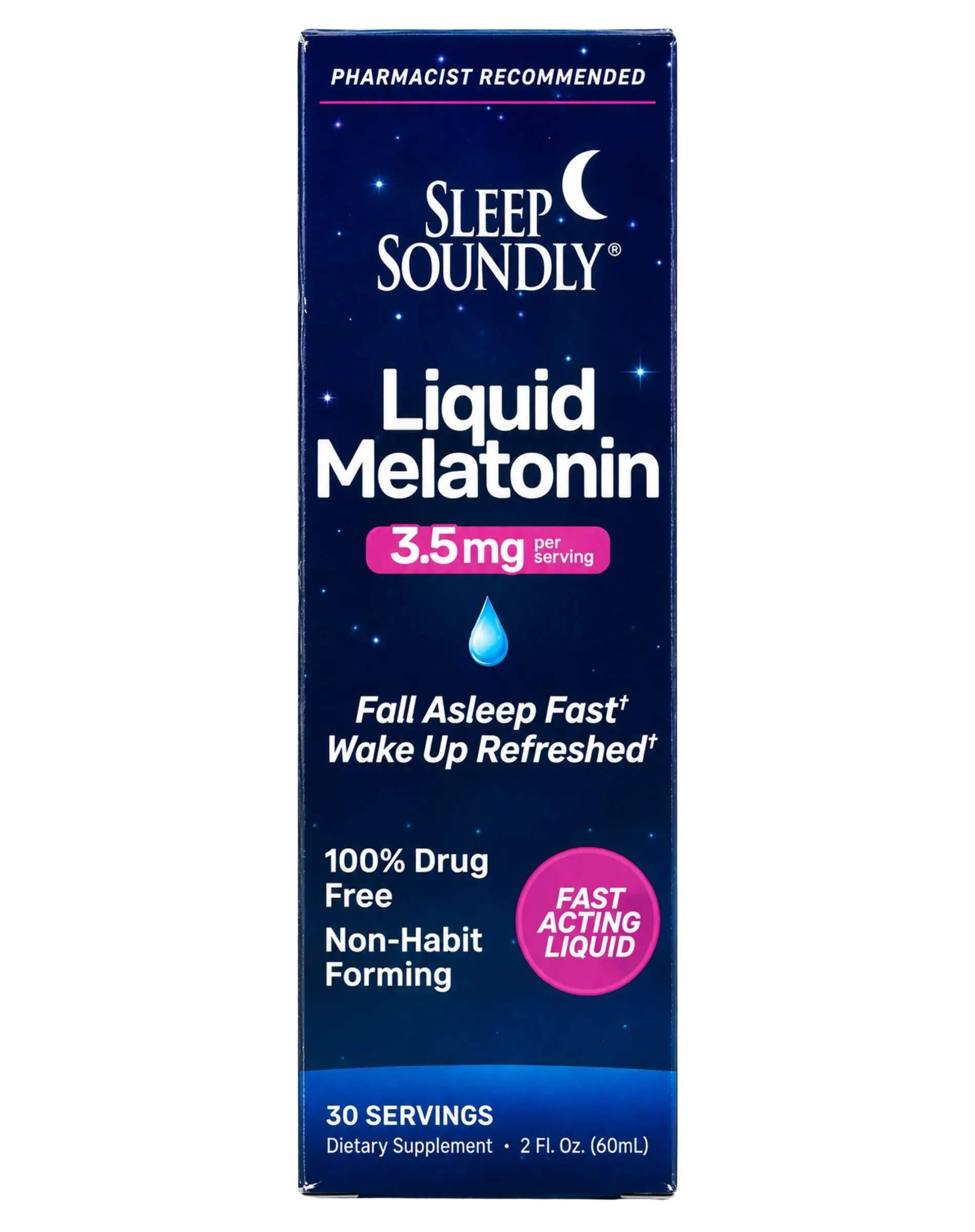
Related Product
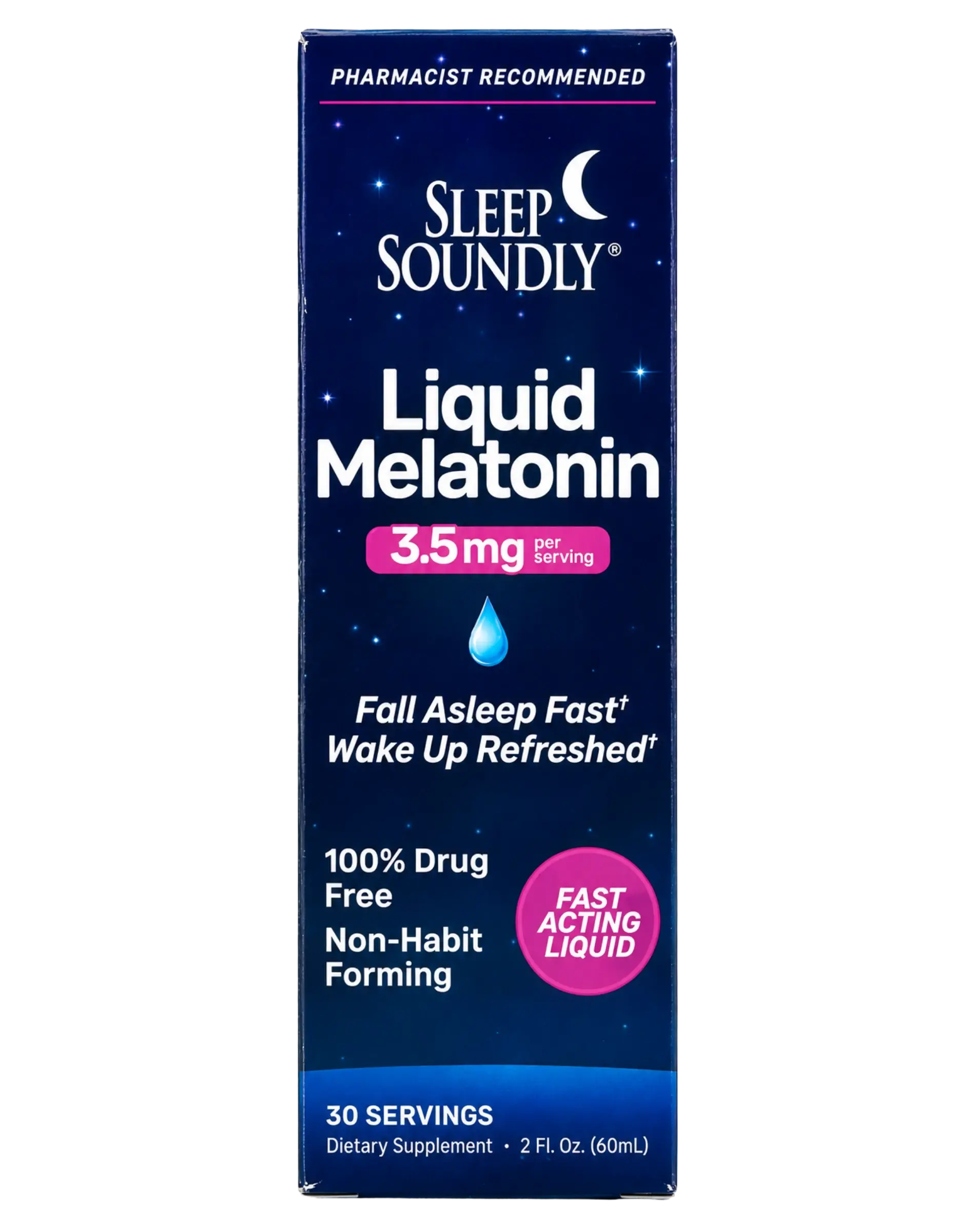
Sleep Soundly Liquid Melatonin 3.5mg Sleep Support Liquid 2oz
$8.99
The Formats We Carry, Compared
| Product | Key actives (per serving) | Format | Best for | Price |
|---|---|---|---|---|
| Goli Dreamy Sleep Gummies | Melatonin 5 mg, Magnesium citrate 50 mg, Lemon balm 90 mg, Vitamin D2, chamomile/passionflower/tart cherry blend | Gummy (2/serving) | The multi-ingredient wind-down approach | $14.98 |
| Goli Extra-Strength Sleep | Melatonin 10 mg | Gummy (2/serving) | Experienced melatonin users who need more | $14.98 |
| Melatonin 10mg Timed Release | Melatonin 10 mg, timed-release | Tablet (1/serving) | Staying asleep through the night | $11.99 |
| Melatonin 5mg Gummies | Melatonin 5 mg | Gummy | Simple, single-ingredient starting point | $9.99 |
| VitaDrops Melatonin & Magnesium Gummies | Melatonin + magnesium | Gummy | Budget two-ingredient combo | $9.99 |
| Country Farms Tart Cherry Gummies | Tart cherry (2 gummies/serving) | Gummy | Food-based, melatonin-free option | $17.99 |
Browse the full Sleep & Stress collection, or see our wellness bundles if you want a pre-built stack.
A note on melatonin-free preference: if you'd rather avoid melatonin entirely (some people report vivid dreams or morning grogginess), tart cherry and magnesium are the two ingredients to look at first.
What Supplements Can't Do
No gummy outruns a bad sleep environment. The habits with the strongest evidence behind them cost nothing:
- Consistent wake time — same time every day, weekends included. Your circadian clock calibrates to wake time more than bedtime.
- Morning light — 10–15 minutes of outdoor light shortly after waking anchors the clock.
- Cool, dark room — most sleep researchers suggest 60–67°F.
- Screens down 60 minutes before bed — evening light delays your natural melatonin release, working directly against anything in this guide.
- Cut caffeine after noon — caffeine's half-life is 5–6 hours; a 4 p.m. coffee is still half-active at 9 p.m.
Supplements support these habits. They don't substitute for them.
Frequently Asked Questions
What is the most effective natural sleep aid?
Melatonin has the strongest research base of the natural options — a 2013 meta-analysis of 19 trials found it helps people fall asleep about 7 minutes faster with modest gains in total sleep. Magnesium is the better-matched choice when restlessness and low dietary intake are the issue.
Can I take melatonin and magnesium together?
Never run out.
Subscribe to any product and save 10% on every order. Pause or cancel anytime.
Subscribe & Save 10%They're commonly combined — they work through different mechanisms (clock signaling vs. nervous-system support), and products like Goli Dreamy Sleep and VitaDrops pair them in one serving. As with any supplement combination, check with your doctor, especially if you take medications.
How long before bed should I take a sleep supplement?
Melatonin: 30–60 minutes before bed. Magnesium: with dinner or about an hour before bed. Tart cherry: studies used morning and evening servings. Consistency beats precision — same time nightly for at least 1–2 weeks before judging results.
Are sleep gummies as effective as tablets?
The active ingredient matters more than the format. Gummies trade a few grams of sugar for easier compliance; tablets allow features like timed release. Pick the format you'll actually take consistently.
Do natural sleep aids work the first night?
Melatonin can support sleep onset the first night. Magnesium, lemon balm, and tart cherry generally showed their effects in studies over 1–8 weeks of consistent use. Give any non-melatonin ingredient at least two weeks.
Is it safe to take sleep supplements every night?
The ingredients in this guide have good short-term safety records at label doses. Long-term nightly use is less studied — another reason to treat supplements as support for good sleep habits rather than a permanent fix, and to loop in your doctor for anything ongoing.
These statements have not been evaluated by the Food and Drug Administration. These products are not intended to diagnose, treat, cure, or prevent any disease. Consult your healthcare provider before starting any supplement, especially if you are pregnant, nursing, taking medication, or have a medical condition.
Sources & Further Reading
Never miss a dose.
Evidence-based wellness guides like this one, in your inbox. No hype, no spam — unsubscribe anytime.