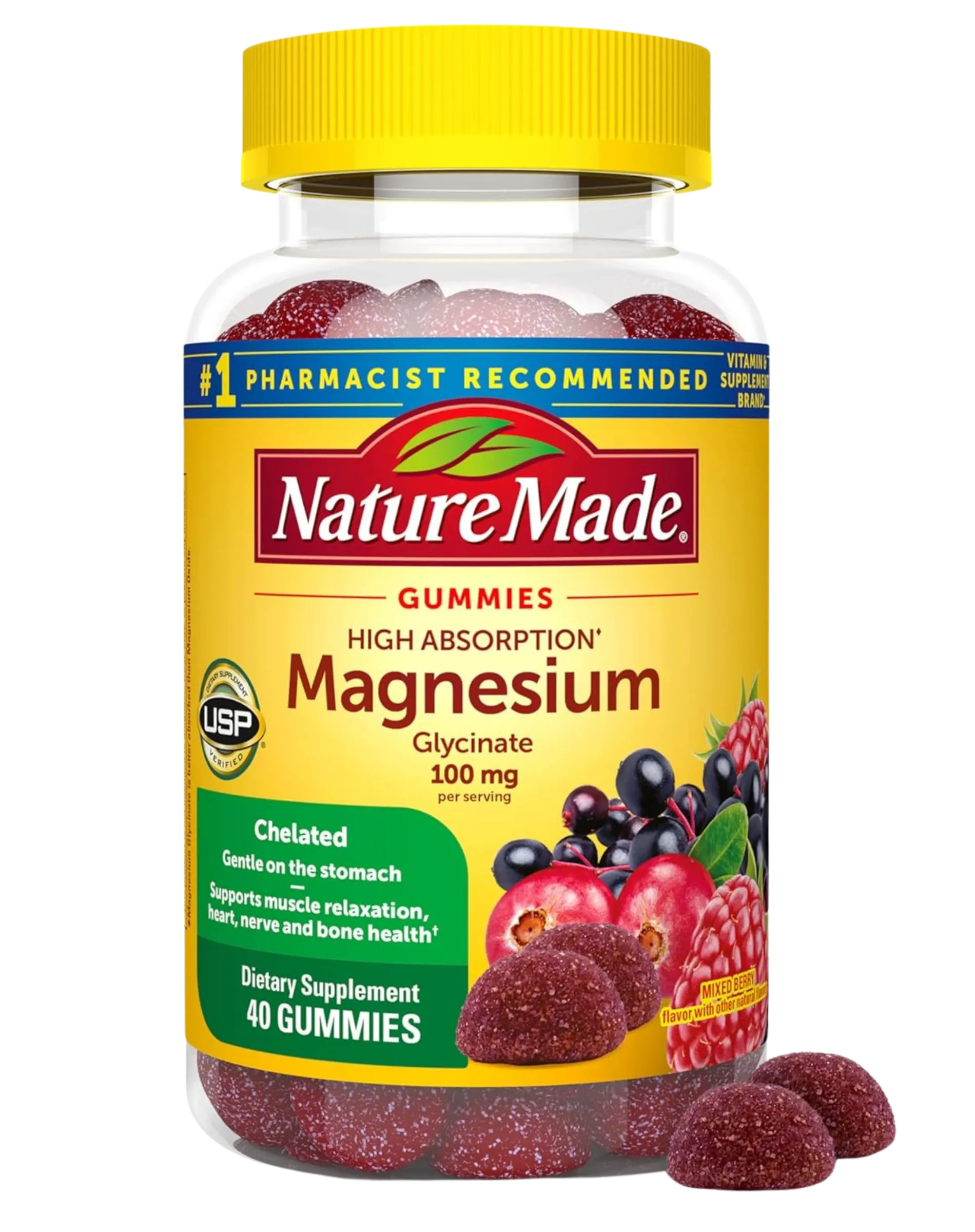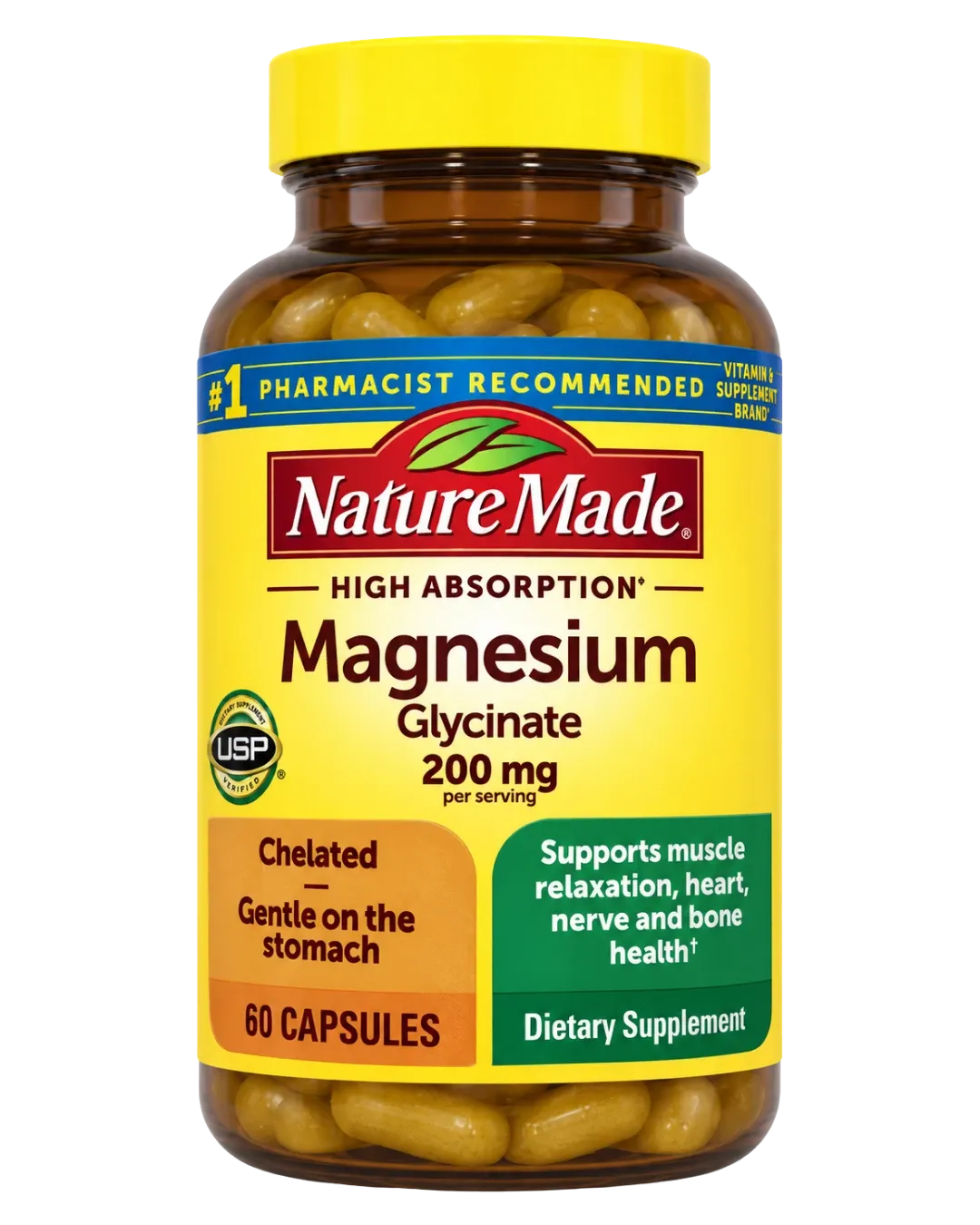
Gummy Vitamins vs. Capsules: Are You Actually Absorbing What the Label Promises?
Gummy vitamins outsell capsules in the children's category — and they're rapidly closing the gap in adults — yet independent testing has repeatedly found gaps between the labeled and actual nutrient content of gummy vitamins. That gap matters. A 2023 ConsumerLab review found that all four gummy multivitamins it tested had potency inaccuracies — and gummies remain the supplement format most likely to fail its potency testing. Heat, moisture, and the gelling agents that make gummies chewable all degrade certain vitamins — particularly D3, B12, and folate — faster than hard-shell capsules do. If you're taking gummies as your primary supplement strategy, you may be getting a fraction of what you think you are. Adults managing specific deficiencies, older adults with absorption concerns, and anyone spending serious money on their supplement stack need to understand exactly where gummies win, where they fall short, and which nutrients should never come in gummy form.
The Real Problem Isn't the Sugar — It's the Stability
Everyone flags the sugar content in gummy vitamins. Fair enough — two popular adult gummies contain 3–5 g of added sugar per serving, and few people stop at the serving size. But sugar is actually the least of the technical problems.
The bigger issue is nutrient stability inside a sugar-gelatin matrix exposed to air and heat.
Fat-soluble vitamins like D3 and K2 require a lipid carrier to be absorbed properly. In a well-formulated oil-filled softgel, that carrier is built in. In a gummy, it isn't. The vitamin is suspended in sugar and gelatin — a medium that does little to facilitate fat-soluble uptake and accelerates oxidative degradation on the shelf.
Water-soluble B vitamins face a different problem: the heat used during gummy manufacturing (typically 80–90°C) destroys a measurable percentage of heat-sensitive nutrients before the product is even bottled. Methylfolate and methylcobalamin — the bioactive forms of folate and B12 — are particularly vulnerable.
What the Research Actually Shows
The bioavailability data on gummy vitamins is surprisingly thin for how dominant they've become in the market. Most comparative studies are small, industry-funded, or focused on children — not adults with varied gut health and absorption capacity.
What we do know:
- Vitamin D gummies vs. softgels: Vitamin D3 is fat-soluble, so its uptake depends heavily on the delivery vehicle. Oil-filled softgels supply the lipid carrier that fat-soluble D3 needs to absorb well; a sugar-gelatin gummy does not — which is why formulation, not just the number on the label, influences how much D3 actually reaches your bloodstream.
- Multivitamin dosing accuracy: ConsumerLab's testing has repeatedly flagged gummy multivitamins for potency inaccuracy in both directions — in its 2023 review, one gummy contained significantly less vitamin D than labeled, while three others held nearly double their stated folic acid, and gummies were the format most likely to fail testing.
- Mineral delivery: Gummies are structurally poor vehicles for minerals. Calcium, magnesium, iron, and zinc are heavy, gritty, and hard to bind into a chewable format at meaningful doses. Most gummy multivitamins simply omit them or include token amounts. Check any gummy multi's label — you'll often see calcium at 0–100 mg versus the 1,000 mg daily target.
- Melatonin gummies: One area where gummies perform comparably. Melatonin is stable at room temperature, doesn't require a lipid carrier, and is effective at low doses (0.5–3 mg) easily achievable in gummy form. This is a genuine win for the format.
The evidence is not uniformly damning — but it is consistently more favorable to capsules and softgels for most fat-soluble and B-complex nutrients.
Where Gummies Actually Win (Be Honest About This)
Dismissing gummies entirely would be intellectually dishonest. The format solves real problems.
Adherence is a legitimate health outcome. A supplement you actually take consistently beats a capsule you avoid. For children, older adults who struggle to swallow pills, and anyone with pill fatigue, gummies meaningfully improve daily compliance. If the choice is gummy vitamin C every day versus capsule vitamin C twice a week, the gummy wins on outcomes.
Vitamin C in gummy form is stable. Ascorbic acid is water-soluble, heat-tolerant at typical gummy manufacturing temperatures, and doesn't require a lipid carrier. A well-formulated vitamin C gummy delivers close to its labeled dose reliably.
Melatonin and certain adaptogens like ashwagandha also translate well to gummy form — they're active at small doses, don't require fat for absorption, and benefit from the slower buccal absorption a chewed gummy allows compared to a swallowed capsule.
The format is genuinely improving. Newer pectin-based gummies (replacing gelatin) and sugar-free formulas using erythritol or allulose have addressed some early criticisms. Third-party certified gummy brands now exist. The category isn't standing still.
What to Look For When Buying Gummies
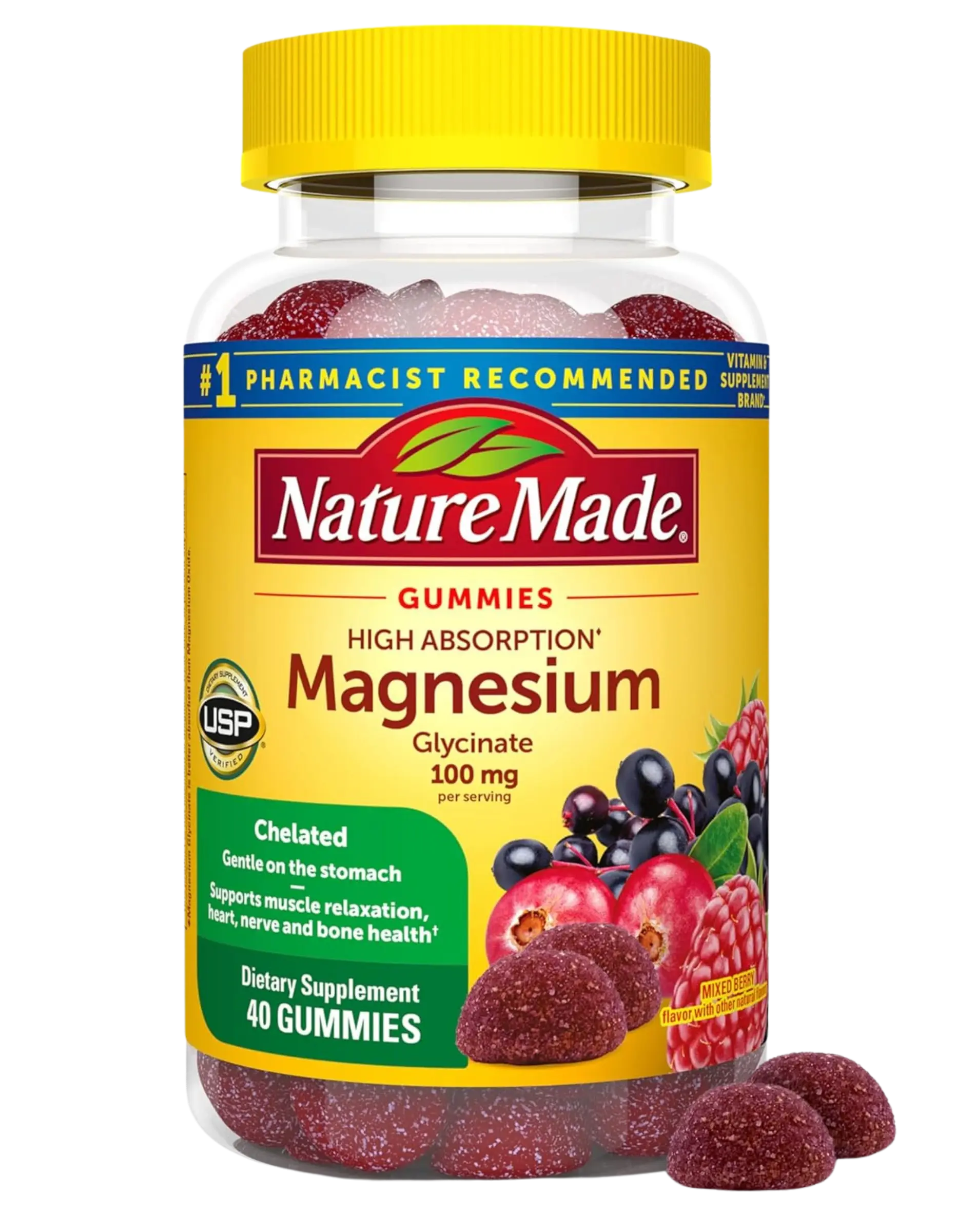
Related Product
Nature Made Magnesium Glycinate High Absorption Gummies 40ct
$15.99
If you choose gummies, these signals separate quality products from candy with a vitamin label:
Third-party testing is non-negotiable. Look for NSF International, USP, or Informed Sport certification on the label. This is the only way to verify that the dose in the gummy matches the dose on the label. No certification, no confidence.
Check the mineral panel. If a gummy multi claims to replace your daily multivitamin but lists 0 mg calcium, 0 mg magnesium, and no iron, it isn't a multivitamin — it's a partial B-vitamin supplement in disguise. Know what you're buying.
Avoid proprietary blends in gummies. Proprietary blends are problematic in any format, but especially in gummies where individual nutrient stability already varies. You can't evaluate what you can't see.
Pectin-based over gelatin-based if you can find it. Pectin gummies are typically manufactured at lower temperatures, which is better for heat-sensitive vitamins. They're also vegan-friendly.
Single-nutrient gummies outperform multi-nutrient gummies. A vitamin C-only gummy, a melatonin-only gummy, or a vitamin D gummy (ideally with oil in the formulation) is more reliably dosed than a 20-ingredient gummy multi trying to cram everything into a 5-gram chew.
Dosage red flags: Any gummy claiming to deliver more than 500 mg of a single mineral per serving, or making aggressive hormone-balancing or immunity claims without certification, should be skipped.
The Honest Verdict
Gummies are a genuinely useful delivery format for a narrow set of nutrients — vitamin C, melatonin, and a handful of stable compounds — particularly for people who struggle with capsules. For fat-soluble vitamins, B-complex nutrients, and minerals, capsules and softgels deliver more reliably at the doses on the label. Use gummies where they make sense. Don't build your entire supplement regimen around them.
Never run out.
Subscribe to any product and save 10% on every order. Pause or cancel anytime.
Subscribe & Save 10%Frequently Asked Questions
Q: Are sugar-free gummies better than regular gummies nutritionally?
A: From a metabolic standpoint, yes — sugar alcohols like erythritol don't spike blood glucose the way sucrose does. Nutritionally, sugar content doesn't affect the vitamin delivery, so "sugar-free" doesn't mean better absorbed. It just means fewer calories and less dental impact.
Q: Can I take too many gummies by mistake?
A: Easily — and this is a real safety concern, especially for fat-soluble vitamins A, D, E, and K, which accumulate in tissue. Because gummies taste like candy, overconsumption is far more common than with capsules. Keep them out of reach of children and treat the serving size on the label as a hard limit, not a suggestion.
Q: Do gummy vitamins expire faster than capsules?
A: Yes, measurably so. The open sugar-gelatin matrix is more permeable to moisture and oxygen than a sealed hard-shell capsule. Gummies stored in humid environments or left open degrade faster, and B vitamins in particular can drop to half their labeled potency before the printed expiration date. Store gummies in a cool, dry place and replace open bottles within 6 months.
Sources & Further Reading
Never miss a dose.
Evidence-based wellness guides like this one, in your inbox. No hype, no spam — unsubscribe anytime.