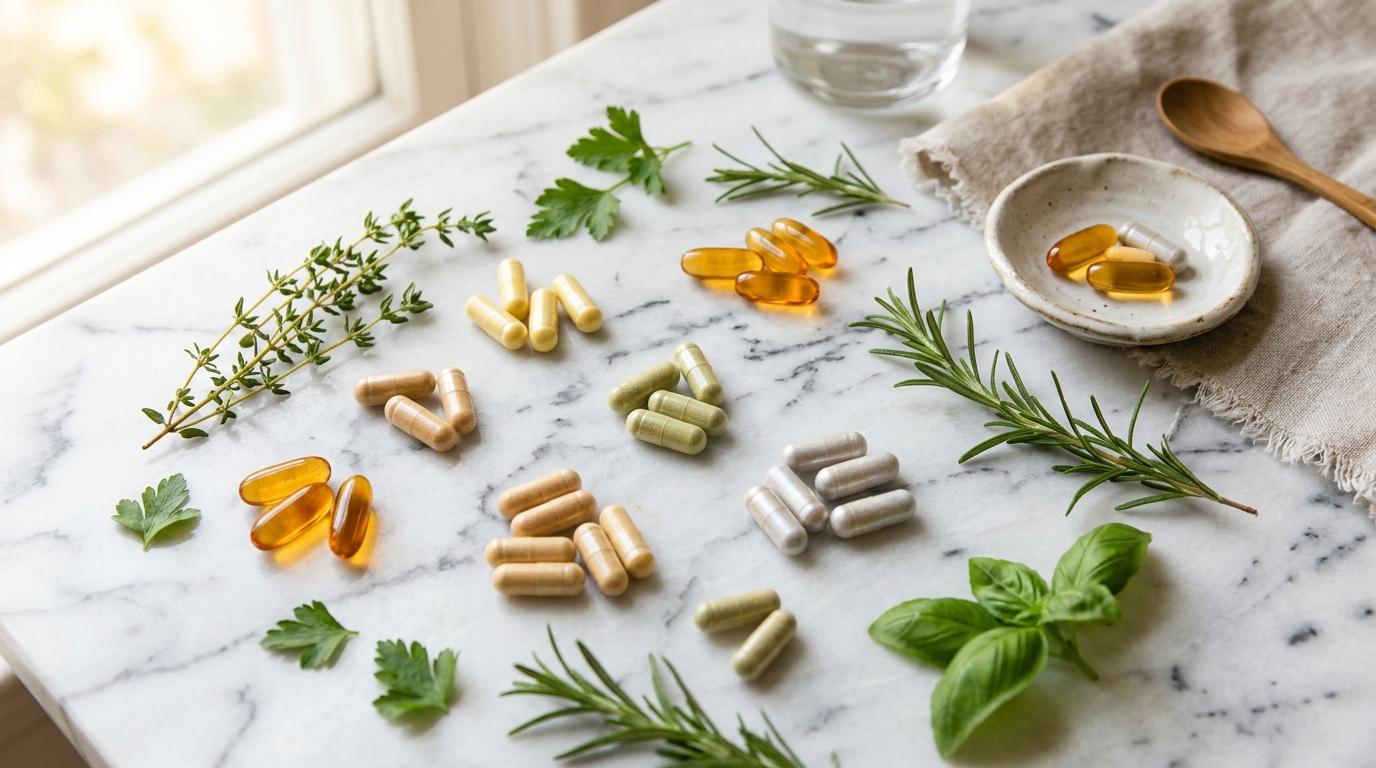
Best Multivitamin for Women in 2026: What to Actually Look For
The Honest Truth About Women's Multivitamins
The women's multivitamin market is projected to hit $8.5 billion by 2027. Most of that money is spent on products that contain nutrients you already get enough of — while missing the ones you actually need.
Here's the research-backed reality: the "best" multivitamin depends entirely on your age, diet, and health goals. A 25-year-old vegan has wildly different needs than a 55-year-old going through menopause. One-size-fits-all marketing is the biggest lie in the supplement industry.
What the Research Actually Shows Women Need
The Nutrients Most Women Are Actually Deficient In
According to NHANES data from the CDC, the most common nutrient gaps in American women are:
- Iron — 10% of women aged 20-49 are iron deficient (NIH Office of Dietary Supplements)
- Vitamin D — 42% of U.S. adults are deficient, with higher rates in women (Cureus, 2018)
- Folate — Critical for women of childbearing age; 19% have inadequate intake (USDA, 2020)
- Calcium — Women over 50 need 1,200mg/day but average intake is only 900mg (NIH ODS)
- Magnesium — 56% of Americans don't meet the RDA (Open Heart, 2018)
What You Probably Don't Need Extra Of
Most multivitamins load up on Vitamin C (Americans average 2x the RDA from diet alone), B vitamins (unless you're vegan or over 50), and Vitamin E (which a 2005 meta-analysis linked to increased mortality at high doses).
How to Choose by Age Group
Women 18–35
Priority nutrients: Iron (18mg), folate (400mcg DFE), vitamin D (600-1000 IU), B12 (if plant-based)
If you menstruate regularly, iron is non-negotiable. Look for iron in the "ferrous bisglycinate" form — it's absorbed 3-4x better than ferrous sulfate and causes significantly less GI distress (Nutrients, 2014).
If pregnancy is possible, folate (not folic acid) matters. Methylfolate (5-MTHF) is the active form and works for the ~40% of women with MTHFR polymorphisms who can't efficiently convert folic acid.
Women 35–50
Priority nutrients: Vitamin D (1000-2000 IU), magnesium (300-400mg), B-complex, calcium (if dairy-free)
This is when bone density quietly starts declining. The combination of vitamin D3 + K2 + calcium has the strongest evidence for maintaining bone mineral density — a 2020 meta-analysis in Medicine found the trio more effective than any single nutrient.
Magnesium glycinate or citrate (not oxide) supports sleep quality, stress response, and muscle recovery. A 2017 review in Nutrients confirmed most women fall short.
Women 50+
Priority nutrients: Vitamin D (1000-2000 IU), B12 (sublingual or methylcobalamin), calcium (1200mg total from diet + supplements), magnesium
After 50, stomach acid production drops, reducing B12 absorption from food by up to 30% (NIH ODS, B12). Our Vitamin B12 1000mcg Energy Support bypasses this issue. Iron needs actually decrease post-menopause — most women over 50 should avoid iron-containing multivitamins unless a blood test shows deficiency.
What to Look for on the Label
Form Matters More Than Dose
| Nutrient | Better Form | Avoid |
|---|---|---|
| Folate | Methylfolate (5-MTHF) | Folic acid (synthetic) |
| B12 | Methylcobalamin | Cyanocobalamin |
| Iron | Ferrous bisglycinate | Ferrous sulfate |
| Magnesium | Glycinate or citrate | Oxide (4% absorption) |
| Vitamin D | D3 (cholecalciferol) | D2 (ergocalciferol) |
Third-Party Testing
Look for USP, NSF International, or ConsumerLab verification. These organizations independently test supplements for:
- Actual ingredient amounts matching the label
- Absence of heavy metals (lead, arsenic, cadmium)
- Dissolution (the pill actually breaks down in your body)
Related Product
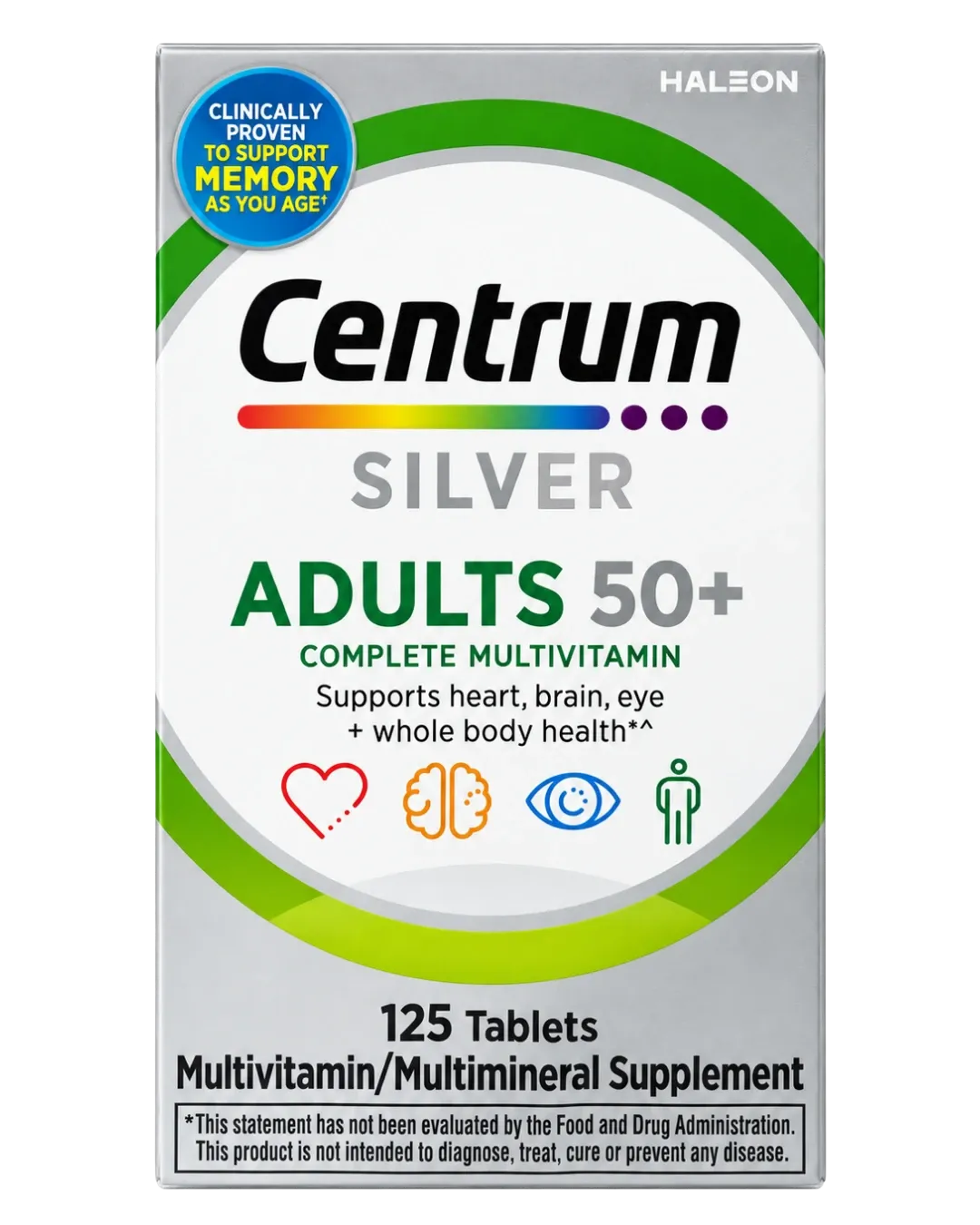
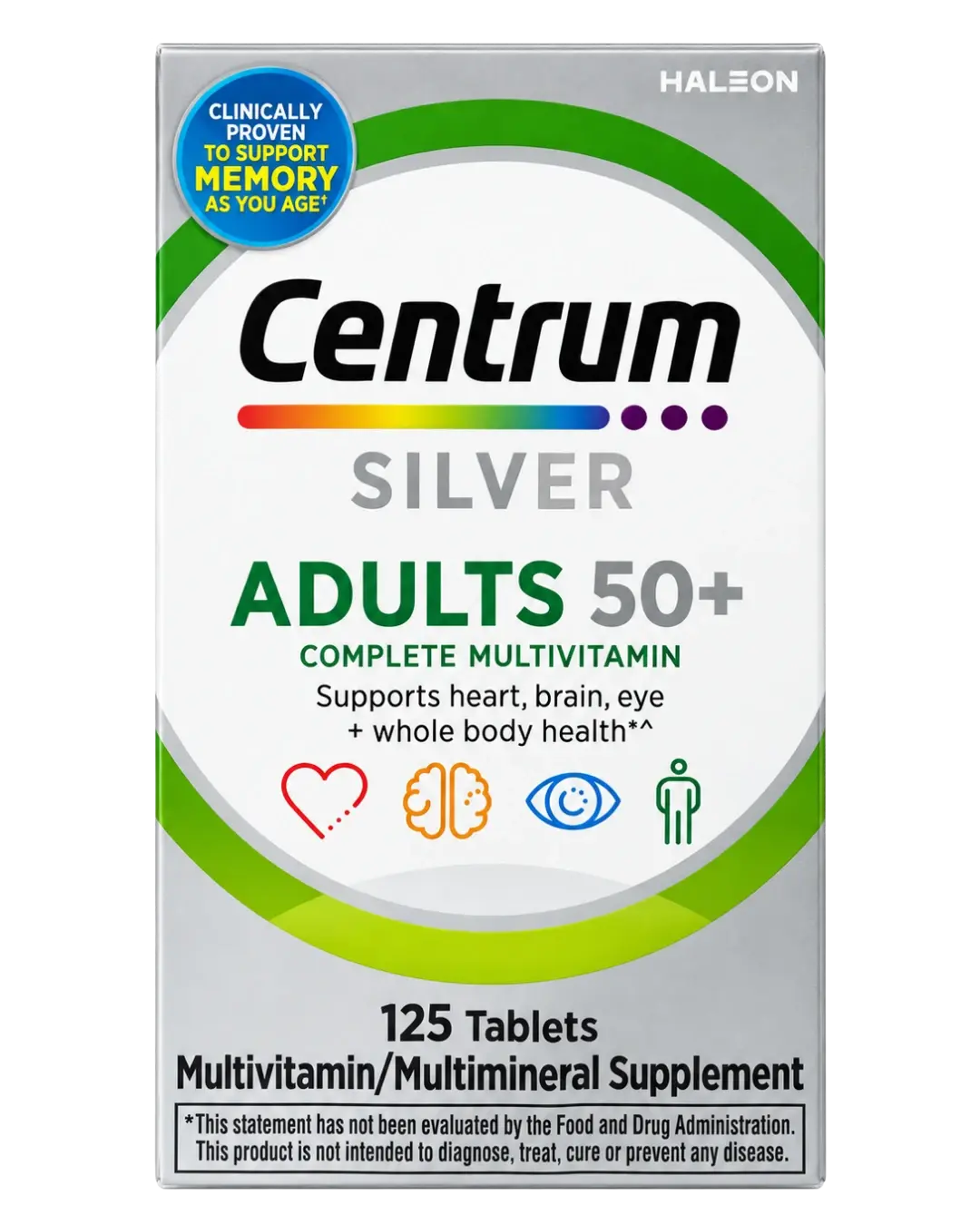
Centrum Silver Adults 50+ Complete Multivitamin Tablets 125ct
$14.99
Windmill Vitamins products are manufactured in GMP-certified facilities in the USA with quality testing at every production stage.
Gummies vs. Capsules vs. Tablets
Gummies taste better but typically contain fewer nutrients (the gummy matrix limits what you can fit in), add 2-8g of sugar per serving, and may degrade faster in heat. They work well for nutrients you only need small amounts of (like D3 or B12). If you prefer gummies, Goli Women's Complete Multi offers a convenient option with key nutrients for women.
Capsules generally have better bioavailability and can hold more active ingredients. If you struggle with pill size, look for smaller capsule formats or split-dose products (2 smaller capsules vs. 1 large tablet).
Our Picks from Moore Vitamins
Based on the criteria above, these are the products we'd recommend from our catalog:
- Women's Daily Multivitamin — Covers the essentials with methylfolate and D3
- Vitamin D3 5000 IU — For women who need extra D beyond their multi
- Magnesium Glycinate 200mg — The form with the best absorption and fewest side effects
FAQ
Do I really need a multivitamin if I eat well?
It depends on your diet. If you eat a varied diet rich in vegetables, lean protein, and whole grains, you may only need targeted supplements for specific gaps (like D3 in winter). A blood test is the only way to know for certain. That said, research from Oregon State University shows that over 90% of Americans fall short on at least one nutrient.
Are expensive multivitamins better than cheap ones?
Never run out.
Subscribe to any product and save 10% on your first order, 5% after. Pause or cancel anytime.
Subscribe & Save 10%Not necessarily. Price often reflects marketing budgets, not ingredient quality. The most important factors are: correct nutrient forms (methylfolate over folic acid, D3 over D2), third-party testing verification, and appropriate doses for your age group. A $15 product with the right forms can outperform a $60 one with inferior ingredients.
Can I take my multivitamin on an empty stomach?
Fat-soluble vitamins (A, D, E, K) absorb significantly better with food containing fat. Take your multi with a meal that includes at least 5-10g of fat — even a handful of nuts or avocado on toast is enough. Iron-containing multis may cause nausea on an empty stomach.
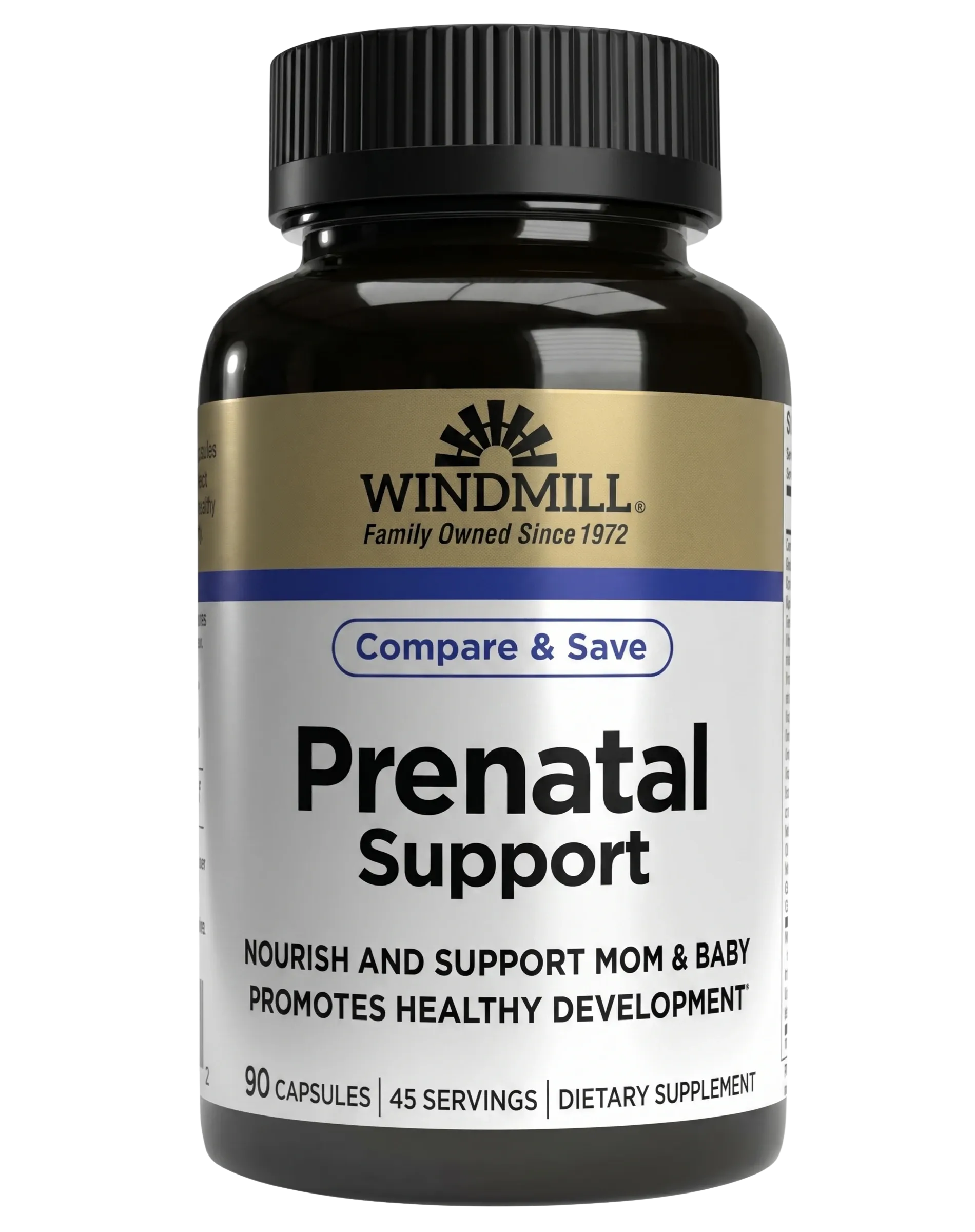
Should I take a prenatal even if I'm not pregnant?
Only if you're of childbearing age and pregnancy is possible. Prenatals contain higher folate (800-1000mcg vs 400mcg) and iron than standard multis. If pregnancy isn't a factor, a standard women's multi is a better fit — prenatals often lack adequate calcium and magnesium.
What time of day should I take my multivitamin?
Morning with breakfast is ideal for most people. B vitamins can be mildly energizing and may disrupt sleep if taken late. If your multi contains iron, avoid taking it with coffee or tea — the tannins reduce iron absorption by up to 60%.
The Verdict
Skip the marketing. Check your nutrient forms, match your multi to your age bracket, and get a blood test if you want to be precise. The best multivitamin isn't the most expensive one — it's the one that fills the specific gaps in your specific diet.
Shop the Products Mentioned
These statements have not been evaluated by the Food and Drug Administration. These products are not intended to diagnose, treat, cure, or prevent any disease.
Never miss a dose.
Evidence-based wellness guides like this one, in your inbox. No hype, no spam — unsubscribe anytime.