How to Build a Basic Supplement Stack on a Budget
Quick Answer
You don't need 15 supplements. Most people benefit from a core stack of 3-4 products that cost $20-40 per month total. The rest is marketing.
Here's the evidence-based starter stack, ranked by how likely you are to actually be deficient:
- Vitamin D3 (1,000-2,000 IU) — $5-8/month
- Magnesium glycinate (200-400mg) — $8-12/month
- Omega-3 fish oil (1,000mg EPA+DHA) — $8-15/month
- Optional: Multivitamin — $8-15/month (only if your diet has significant gaps)
Total: $21-35/month for the essentials.
Why These Four?
1. Vitamin D3 — The Universal Gap
42% of Americans are deficient in vitamin D. If you work indoors, live above the 37th parallel, have darker skin, or don't eat fatty fish 3-4 times per week, you almost certainly need this.
Why it's essential: Vitamin D affects over 200 genes. Deficiency is linked to weakened immunity, poor bone health, mood changes, and increased fatigue. A 2017 meta-analysis in the BMJ of 25 randomized trials found that daily vitamin D supplementation reduced the risk of acute respiratory infections by 12%.
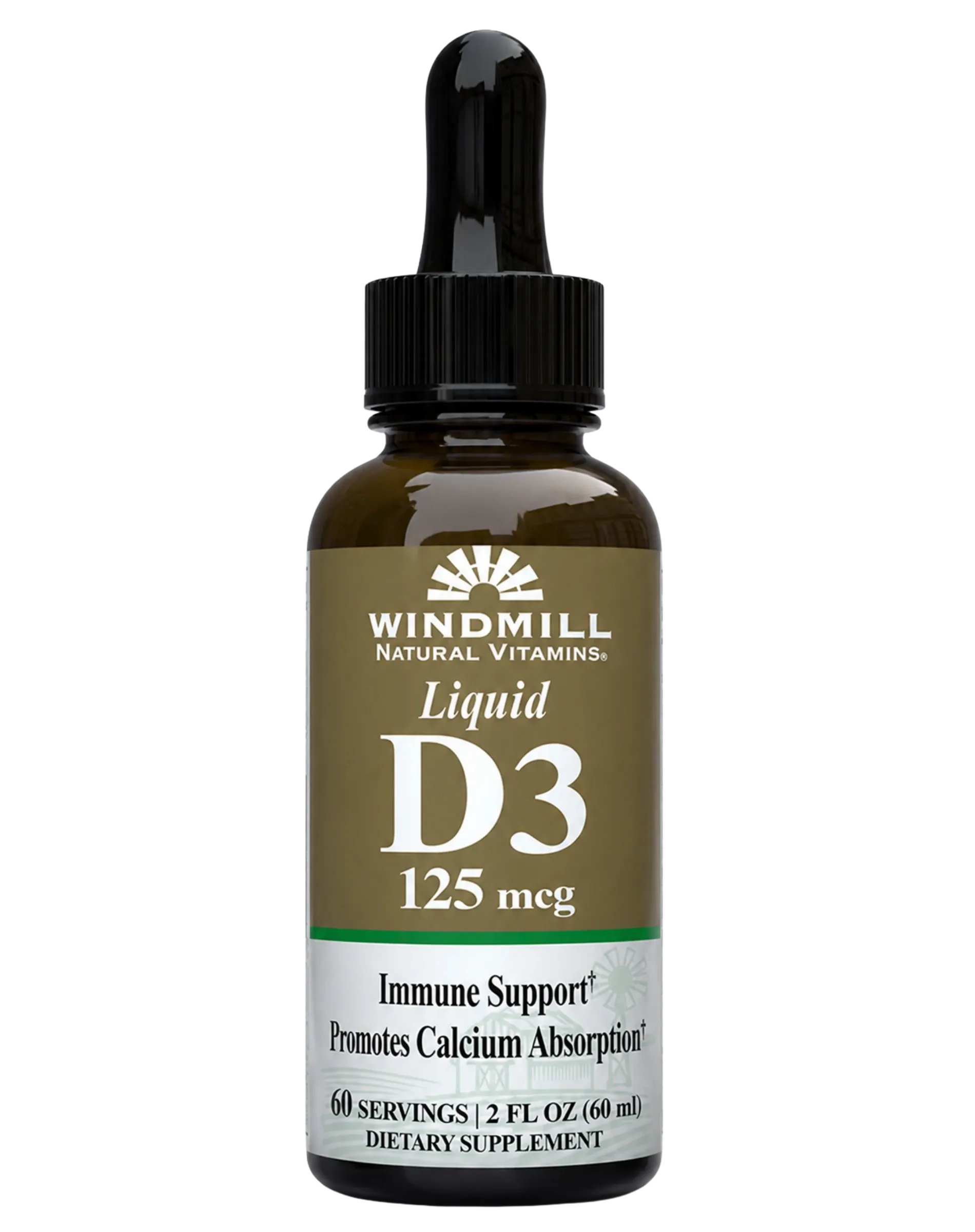
What to buy: Vitamin D3 5000 IU (not D2). 1,000-2,000 IU daily. Take with a meal containing fat. One of the cheapest supplements available.
Budget tip: D3 in oil-based softgels is pre-dissolved in fat, improving absorption even if your meal is light.
2. Magnesium Glycinate — The Stress-Era Mineral
56% of Americans fall short on magnesium. It's involved in 300+ enzymatic reactions including sleep regulation, muscle function, and stress response.
Why it's essential: Modern diets are chronically low in magnesium. Soil depletion, processed food consumption, and stress all contribute. Symptoms of mild deficiency — poor sleep, muscle cramps, irritability, brain fog — are so common that most people don't realize they're deficiency symptoms.
What to buy: Magnesium Glycinate 200mg (not oxide, which has ~4% absorption). 200-400mg elemental magnesium, taken in the evening. The glycine component has its own calming benefits.
Budget tip: Buy magnesium glycinate in powder form — it's cheaper per serving than capsules and you can adjust the dose easily.
3. Omega-3 Fish Oil — The Inflammation Fighter
Most Americans consume 10-25x more omega-6 (from vegetable oils) than omega-3. This imbalance drives chronic low-grade inflammation, which a 2019 review in the British Journal of Pharmacology linked to heart disease, joint pain, and cognitive decline.
Why it's essential: Unless you eat fatty fish (salmon, sardines, mackerel) 2-3 times per week, you're almost certainly not getting enough EPA and DHA. These are the specific omega-3 fatty acids with the strongest evidence — not the ALA found in flax or chia seeds, which your body converts at only 5-10% efficiency.
What to buy: Look for the combined EPA+DHA amount, not total "fish oil." You want at least 1,000mg of EPA+DHA per day. Our Omega-3 Fish Oil 1000mg provides concentrated EPA and DHA in every serving. A 2019 meta-analysis in the Journal of the American Heart Association found significant cardiovascular benefits at this dose.
Budget tip: Check the EPA+DHA per capsule, not the total fish oil weight. A "1,000mg fish oil" softgel may contain only 300mg of actual EPA+DHA, meaning you'd need 3-4 per day. Concentrated formulas cost more per bottle but less per effective dose.
4. Multivitamin — Only If You Need It
A multivitamin is insurance, not a necessity. If you eat a varied diet with plenty of fruits, vegetables, and protein, you may not need one at all. The D3, magnesium, and omega-3 above cover the most common gaps.
When it makes sense:
- You eat a restricted diet (vegan, keto, calorie-restricted)
- You're over 50 (B12 absorption decreases with age)
- You skip meals regularly
- You're pregnant or planning pregnancy (folate is critical)
What to buy: A basic multivitamin with methylfolate (not folic acid), D3, and chelated minerals. Consider our Daily One Men's Multivitamin or Goli Women's Complete Multi depending on your needs. You don't need mega-doses — 100% of the RDA is sufficient for insurance purposes.
What You Can Skip (and Save Money)
Supplements with weak evidence for healthy people:
- Vitamin C mega-doses — You already get 2x the RDA from a normal diet. A Cochrane review found that extra vitamin C does not prevent colds in the general population.
- Biotin (unless diagnosed deficient) — A 2017 systematic review found insufficient evidence that biotin improves hair or nail growth in non-deficient individuals.
- Collagen — Evidence is mixed and low-quality. A 2019 review in the Journal of Drugs in Dermatology found some promise for skin elasticity, but most studies were small and industry-funded.
- Apple cider vinegar pills — If blood sugar management is your goal, read our ACV evidence review. At standard gummy doses, the acetic acid content is very low.
Related Product
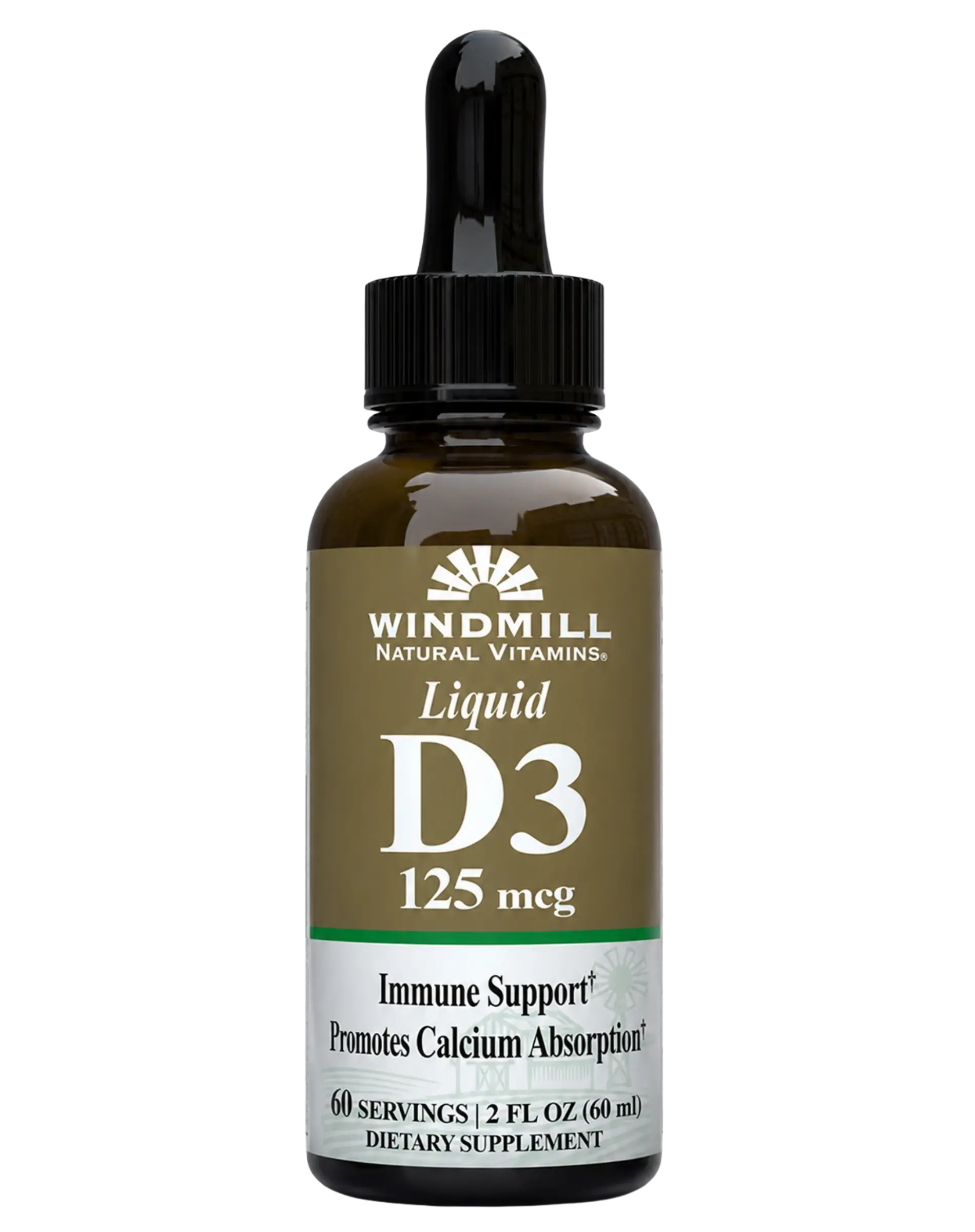
Windmill Natural Vitamins Liquid D3 125mcg Bone & Immune Support Liquid 2oz
$9.99
When to add more supplements:
| Situation | Add |
|---|---|
| Poor sleep | Magnesium glycinate (already in your stack) + melatonin 0.5-1mg |
| Joint pain | Glucosamine sulfate 1,500mg/day (Lancet, 2001) |
| Vegan diet | B12 (methylcobalamin), iron, zinc, iodine |
| Over 50 | Extra B12, calcium + K2 |
| High stress | Ashwagandha 300-600mg (KSM-66 extract) |
| Gut issues | Probiotic with Lactobacillus + Bifidobacterium strains |
How to Save Money on Supplements
- Buy in bulk — 3-pack or 5-pack pricing saves 15-30% per unit. Subscribe & Save at Moore Vitamins saves 10% automatically on every order.
- Skip branded blends — A $50 "wellness complex" often contains the same ingredients you can buy separately for $20.
- Check cost per serving, not per bottle — A $25 bottle with 30 servings costs $0.83/day. A $15 bottle with 15 servings costs $1.00/day.
- Don't double up — If your multi contains 1,000 IU of D3, you probably don't need a separate D3 supplement.
- GMP certification matters more than branding — A $12 GMP-certified vitamin from a smaller brand is likely comparable to a $30 version from a trendy brand.
Sample Monthly Budget
| Supplement | Monthly Cost | Daily Dose |
|---|---|---|
| Vitamin D3 2,000 IU | $5-8 | 1 softgel with breakfast |
| Magnesium glycinate 400mg | $8-12 | 1-2 capsules before bed |
| Omega-3 fish oil 1,000mg EPA+DHA | $8-15 | 1-2 softgels with dinner |
| Total | $21-35 | 3-5 pills/day |
Add a multivitamin if needed: +$8-15/month.
FAQ
Do I need to take supplements at specific times?
Take D3 and omega-3 with meals containing fat (breakfast or dinner). Take magnesium in the evening for sleep support. If you take a multi with iron, take it separately from calcium and coffee — both inhibit iron absorption.
Can I just eat better instead of taking supplements?
For some nutrients, absolutely. But vitamin D is nearly impossible to get from diet alone (you'd need a pound of salmon daily), and magnesium levels in food have declined 20-30% over the past century due to soil depletion. A good diet reduces the need for supplements but may not eliminate it.
Never run out.
Subscribe to any product and save 10% on your first order, 5% after. Pause or cancel anytime.
Subscribe & Save 10%How do I know if my supplements are working?
For vitamin D and magnesium, a blood test is the definitive answer. Ask your doctor for a 25(OH)D test and a serum magnesium test (or better, an RBC magnesium test). For omega-3, an omega-3 index test measures your EPA+DHA levels directly.
Is it safe to take all these together?
Yes. D3, magnesium, and omega-3 have no negative interactions with each other. In fact, magnesium is required for vitamin D metabolism — they're complementary.
What about probiotics?
Probiotics are worth considering if you have specific digestive issues, but they're not a universal essential. The evidence is strongest for specific strains (Lactobacillus rhamnosus GG, Saccharomyces boulardii) for specific conditions. A general "probiotic blend" has weaker evidence for healthy people.
Start Simple, Add Later
The biggest mistake in supplements is trying to do everything at once. Start with D3 + magnesium for one month. Add omega-3 in month two. Assess how you feel. Only add more if you have a specific reason backed by symptoms or blood work.
Browse our full collection — all GMP-certified, with Subscribe & Save 10% on every order.
Shop the Products Mentioned
These statements have not been evaluated by the Food and Drug Administration. These products are not intended to diagnose, treat, cure, or prevent any disease.
Never miss a dose.
Evidence-based wellness guides like this one, in your inbox. No hype, no spam — unsubscribe anytime.