Fat, Fiber, or Empty Stomach? The Exact Food Pairing Each Supplement Needs
Quick Answer: Swallowing supplements without thinking about what's on your plate can cut their effectiveness by 30–90% — and for some nutrients, food actually makes them toxic. The fat-soluble vitamins A, D, E, and K need dietary fat to absorb well; a 2015 study of 50 older adults in the Journal of the Academy of Nutrition and Dietetics (Dawson-Hughes et al.) found peak vitamin D absorption was about 32% higher when the supplement was taken with a fat-containing meal versus a fat-free one. Iron absorbs up to 67% better on an empty stomach but causes nausea for roughly 1 in 3 people, so pairing it with a small amount of vitamin C-rich food is the practical middle ground. Magnesium and B-complex vitamins absorb well with food and cause significantly less digestive upset that way. This guide matters most for people taking 3 or more supplements daily — because the wrong pairings don't just reduce benefit, they actively work against each other.
Fat, Fiber, or Empty Stomach? The Exact Food Pairing Each Supplement Needs
The question isn't simply "should I take this with food?" — it's what kind of food and why.
Supplements fall into three absorption categories: fat-dependent, food-independent (but stomach-friendly with food), and food-inhibited. Most people never learn which is which, so they pick an arbitrary time, swallow everything at once, and wonder why their energy or immune function doesn't shift.
The answer almost always lives in the pairing — not the pill.
The Three Categories (and Which Supplements Fall Into Each)
Category 1: Must Have Fat
These supplements are fat-soluble, meaning your intestines literally cannot absorb them without fat present in the gut at the same time.
- Vitamin D3 — Take with your largest meal of the day (usually dinner). Taking it with a fat-containing meal rather than a fat-free one raised peak absorption by about 32% in the Dawson-Hughes trial.
- Vitamin K2 — Pairs best with the same fat-containing meal as D3. They work synergistically anyway.
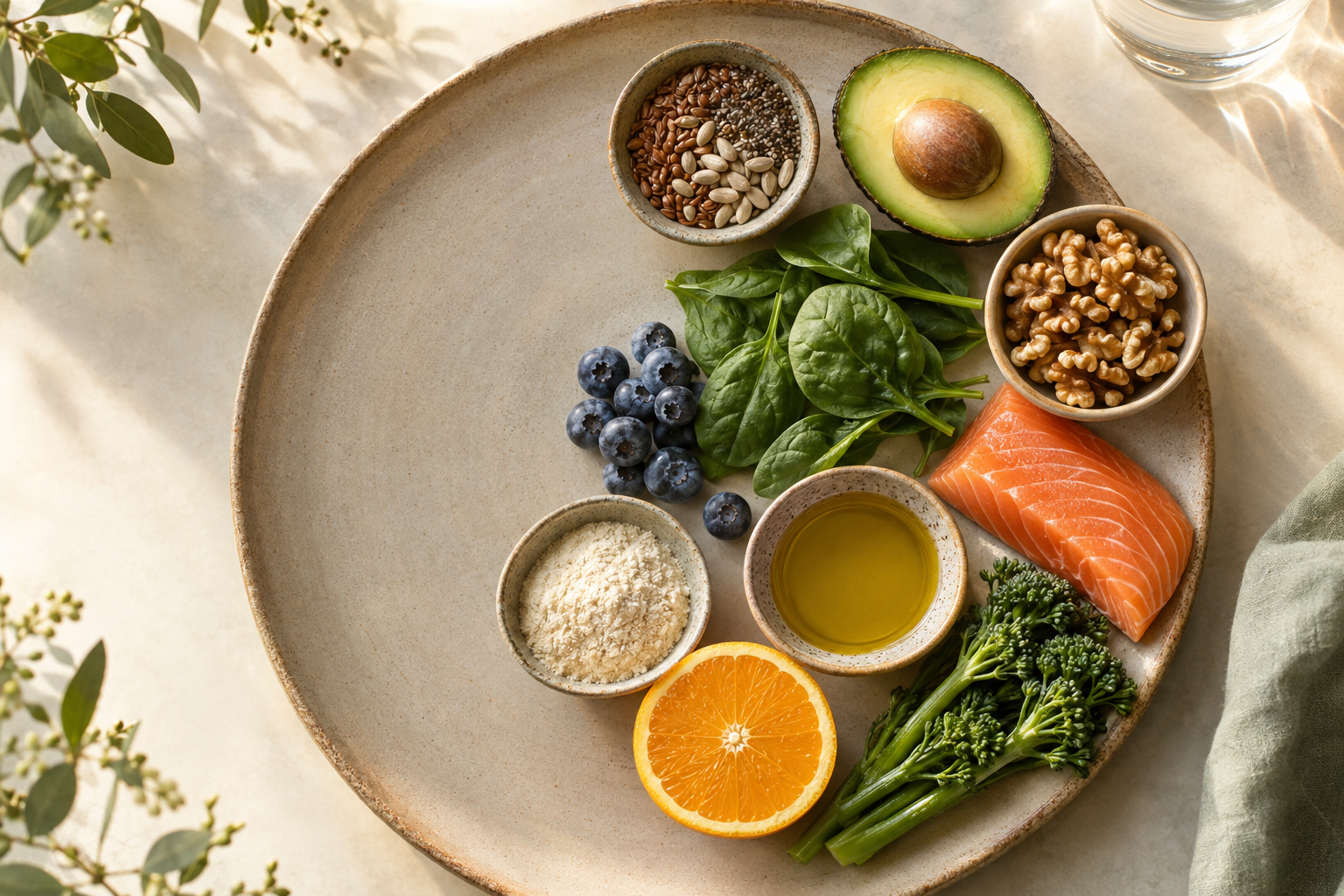
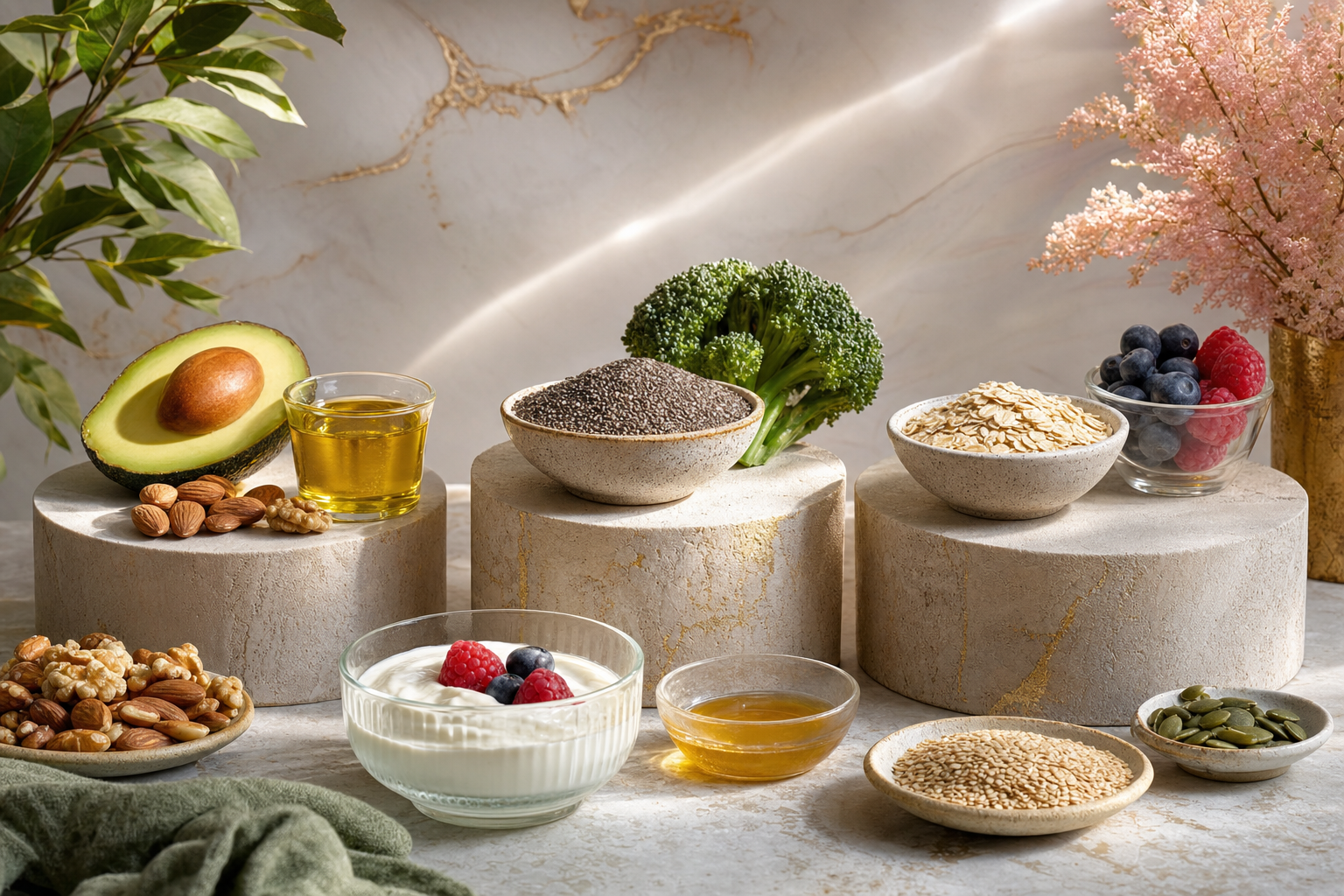
- Vitamin A — Take with any meal containing olive oil, avocado, nuts, eggs, or meat.
- Vitamin E — Needs fat, but is also destroyed by iron. Never take them together.
- CoQ10 (ubiquinol form) — Research shows a 3x absorption increase when taken with a fat-containing meal versus fasting.
- Omega-3 fish oil — Already fat-based, but absorption still improves 30–50% when taken with a meal rather than on an empty stomach.
Category 2: Food-Independent but Stomach-Friendly with Food
These dissolve in water, absorb through passive diffusion, and don't strictly require food — but cause significantly less nausea, cramping, or reflux when taken with a meal.
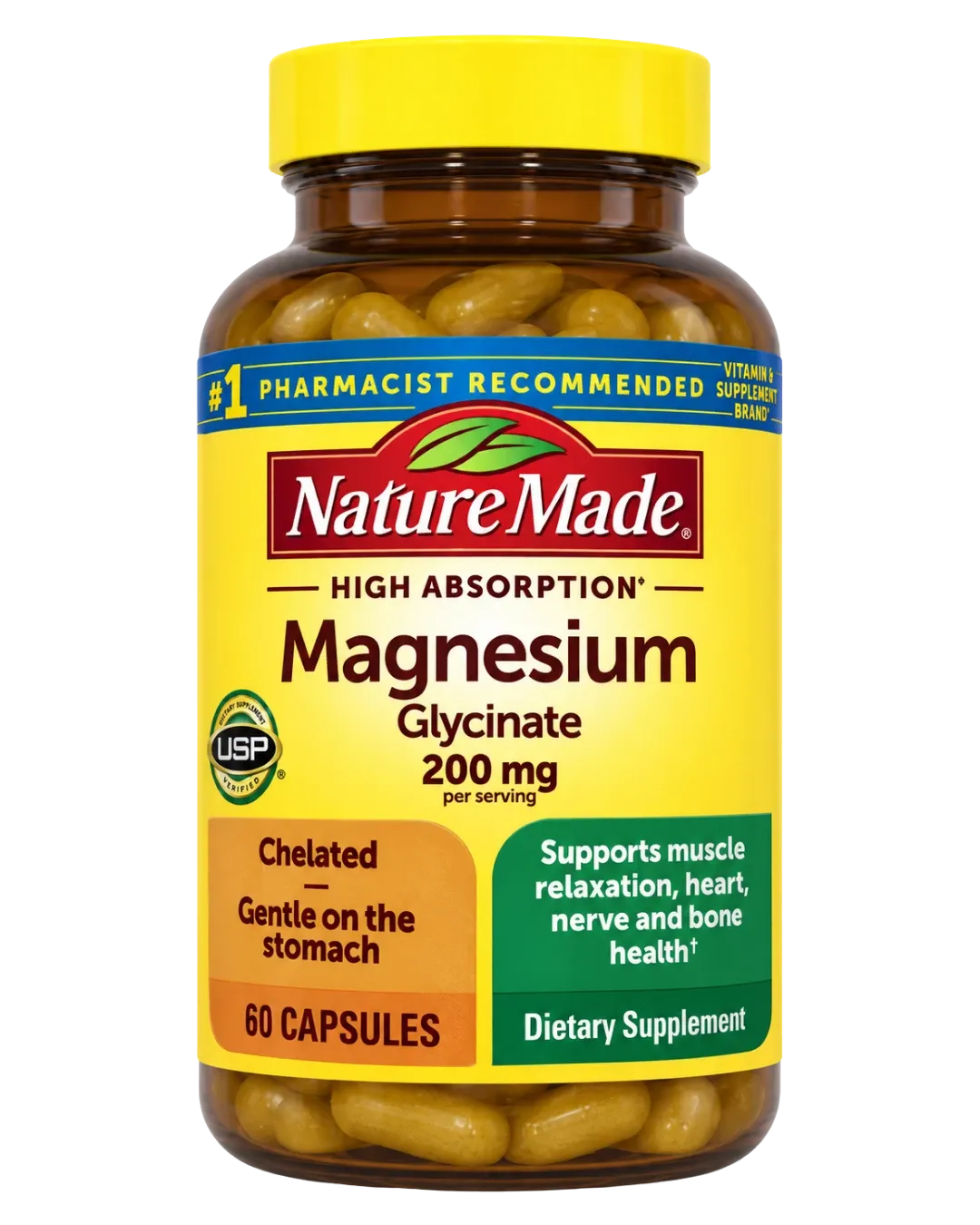
- Magnesium — Take with dinner. It's calming, supports sleep, and food nearly eliminates the laxative effect at standard 200–400 mg doses.
- B-complex / B12 — No food requirement for absorption, but many people report nausea on an empty stomach. Take with breakfast.
- Vitamin C — Absorbs fine without food, but doses over 500 mg cause GI upset for some. Split into two doses with meals if you take 1,000 mg+.
- Zinc — Highly effective on an empty stomach but causes nausea in a significant percentage of users. Take with a small amount of protein — not with high-fiber foods (see below).
Category 3: Food-Inhibited (Take Away From Meals)
Some supplements absorb measurably worse — or stop absorbing altogether — when certain foods are present.
- Iron — Calcium blocks iron absorption by up to 62%. Never take iron with dairy, calcium supplements, or high-calcium foods. Coffee and tea reduce absorption by 40–90% due to tannins and polyphenols. Take iron 1 hour before or 2 hours after these foods.
- Thyroid medication (levothyroxine) — If you take this, take it on a completely empty stomach 30–60 minutes before eating. Even coffee disrupts absorption.
- Copper — High-zinc meals reduce copper uptake. If you supplement both, separate them by at least 2 hours.
Common Mistakes That Kill Bioavailability
- Taking vitamin D with breakfast cereal and skim milk. No meaningful fat = sharply reduced absorption. Add eggs or nut butter, or move D3 to dinner.
- Swallowing iron with your multivitamin. Most multivitamins contain 200–1,000 mg of calcium — exactly the compound that blocks iron uptake most aggressively.
- Blending all supplements into a morning smoothie. If your smoothie contains fiber-rich greens, that fiber can bind to minerals like zinc and magnesium and carry them out of the body before absorption occurs. Especially problematic with high-fiber powders at high doses.
- Taking fat-soluble vitamins with a "light" snack. A rice cake has essentially zero fat. It does nothing to trigger bile release — the mechanism that drives fat-soluble vitamin uptake.
- Assuming "with food" means any food. It means the right food, at the right fat or fiber content, for that specific nutrient.
The Practical Daily Supplement Schedule
Related Product
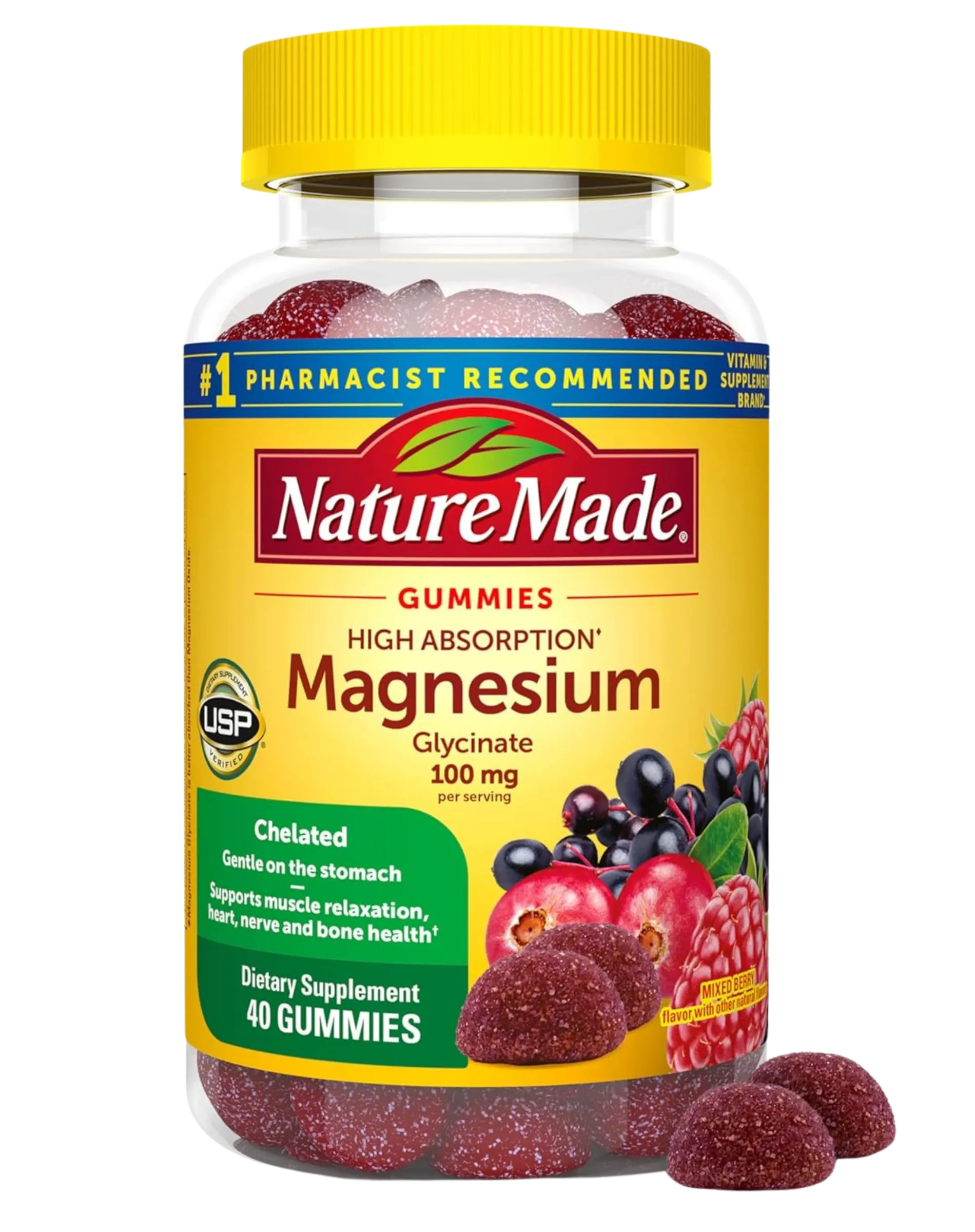
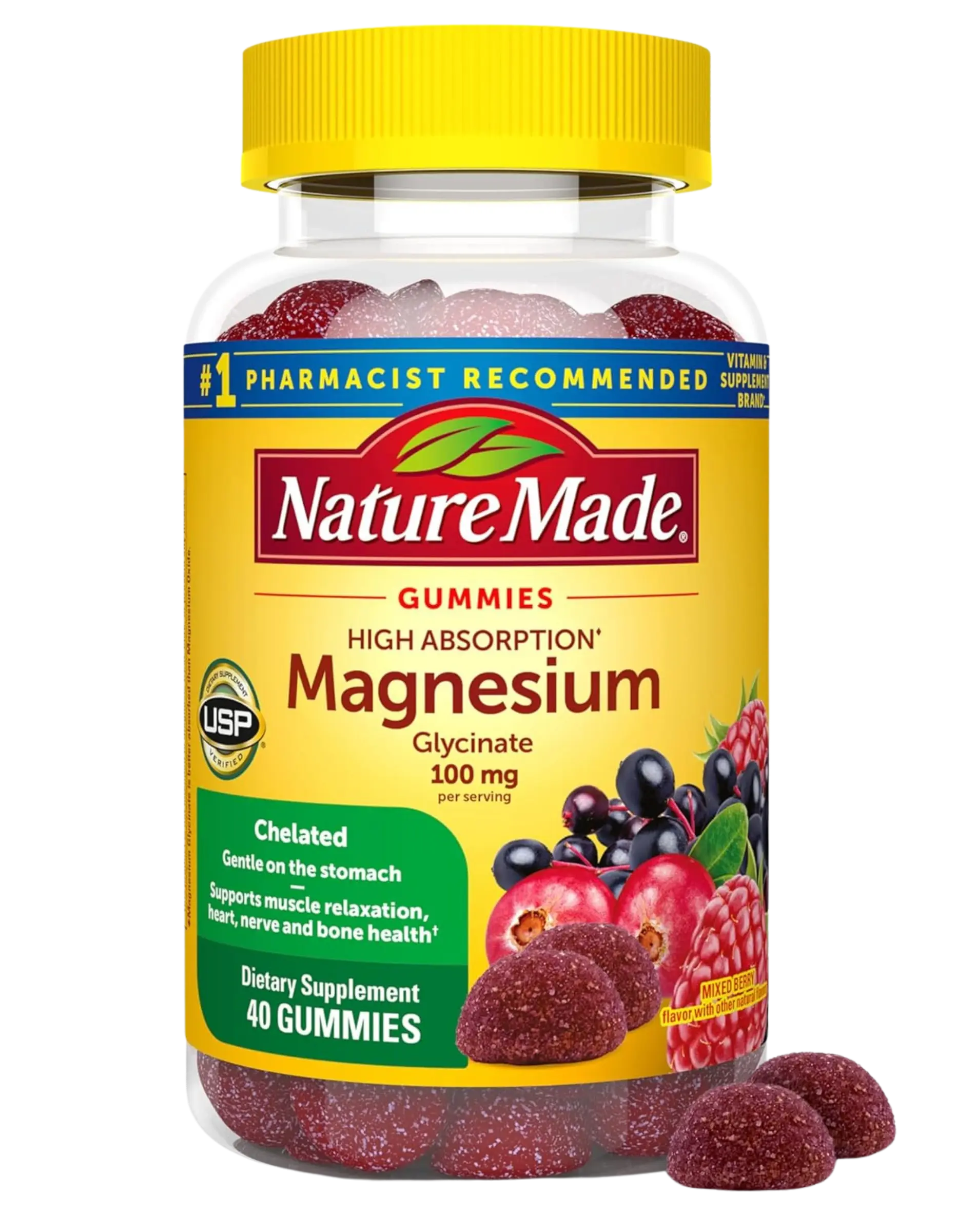
Nature Made Magnesium Glycinate High Absorption Gummies 40ct
$15.99
Here's a framework you can actually follow:
Morning (with breakfast — include a fat source):
- B-complex or B12
- Vitamin C (first dose if splitting)
- Any water-soluble vitamins
Midday or Lunch:
- Iron (if prescribed) — away from calcium sources; take with a small glass of orange juice for vitamin C-assisted absorption
- Zinc — with a small protein-containing snack, not with fiber
Evening (with your largest meal — make sure it contains fat):
- Vitamin D3
- Vitamin K2
- Vitamin A
- CoQ10
- Omega-3s
- Magnesium (take at the end of dinner or right after)
- Vitamin C (second dose)
Timing note: If your evening meal includes a high-fiber superfood blend — like a greens or vegetable powder stirred into a smoothie — take your mineral supplements (zinc, magnesium, iron) separately from that fiber hit, not blended in. The fiber is beneficial for digestion and gut health; it just isn't the right vehicle for mineral co-administration.
Speaking of which: a whole-food superfood powder like Country Farms Super Celery Superfood Blend Powder 11.3 oz is an excellent addition to a morning or midday routine — it delivers plant-based micronutrients and digestive support without the mineral-absorption conflicts that come with taking it alongside your fat-soluble vitamin stack. Stir it into water or juice and take it earlier in the day while reserving your minerals and fat-soluble vitamins for an evening meal with adequate fat.
Frequently Asked Questions
Q: Can I take all my supplements together at once to save time?
Never run out.
Subscribe to any product and save 10% on every order. Pause or cancel anytime.
Subscribe & Save 10%A: You can combine most water-soluble vitamins at once, but never combine iron with calcium supplements or a high-calcium meal, and keep fat-soluble vitamins (D, K, A, E) reserved for a fat-containing meal. Taking everything in one handful without food is the single biggest absorption mistake people make.
Q: Does coffee in the morning interfere with supplements?
A: Yes — significantly for iron (40–90% reduction in absorption) and moderately for calcium and zinc due to tannins and caffeine. Wait at least 30 minutes after coffee before taking minerals. Fat-soluble vitamins and B-complex are not meaningfully affected by coffee.
Q: Does it matter if I take supplements with a hot meal versus a cold meal?
A: Temperature of the food doesn't affect supplement absorption. What matters is fat content (for fat-soluble vitamins), fiber content (for minerals), and the presence of absorption-blocking compounds like tannins, phytates, or calcium.
Find the Right Supplement at Moore Vitamins
If you're building a smarter daily routine, Country Farms Super Celery Superfood Blend Powder 11.3 oz fits cleanly into a morning or midday window — delivering plant nutrients and digestive support without competing with your mineral or fat-soluble vitamin stack.
Moore Vitamins offers same-day fulfillment on orders placed before the daily cutoff, and Subscribe & Save lets you lock in your price and never run out mid-routine.
Sources & Further Reading
Never miss a dose.
Evidence-based wellness guides like this one, in your inbox. No hype, no spam — unsubscribe anytime.