Why Everyone Is Talking About Magnesium in 2026: The Mineral That Finally Got Its Moment
Why Everyone Is Talking About Magnesium Right Now
Magnesium has exploded into mainstream wellness conversations in 2026, and it's not just another supplement fad. The convergence of sleep crisis awareness, metabolic health research, and the post-pandemic focus on foundational nutrition has thrust this humble mineral into the spotlight.
Social media is flooded with testimonials about "magnesium transformations" — better sleep, reduced anxiety, improved energy. But beyond the hype, substantial research published in the last two years has validated what nutritionists have known for decades: most people aren't getting enough magnesium, and it's affecting nearly every aspect of their health.
The timing isn't coincidental. As we've become more aware of how chronic stress depletes our mineral reserves and how processed foods lack essential nutrients, magnesium deficiency has emerged as a hidden epidemic affecting up to 50% of adults source.
What Magnesium Actually Is
Magnesium is an essential mineral that acts as a cofactor in over 300 enzymatic reactions throughout your body source. Think of it as a master key that unlocks critical biological processes — from energy production in your cells to neurotransmitter synthesis in your brain.
Your body can't produce magnesium, so you must get it from food or supplements. It's stored primarily in your bones and muscles, with less than 1% circulating in your blood. This makes deficiency tricky to detect through standard blood tests, which is why many people unknowingly operate with suboptimal levels.
Unlike vitamins that work in specific pathways, magnesium influences fundamental cellular processes. It regulates calcium transport, supports protein synthesis, and maintains electrical activity in nerves and muscles — including your heart.
What the Current Research Shows
The evidence for magnesium's health benefits has reached a tipping point. A 2025 meta-analysis published in Nutrients found that magnesium supplementation significantly improved sleep quality in adults with insomnia source, with effects visible within two weeks. For those seeking better rest, our Magnesium Glycinate 200mg is specifically formulated to support healthy sleep patterns.
Cardiovascular research is equally compelling. Studies from 2024-2025 demonstrate that adequate magnesium intake may support healthy blood pressure and reduce cardiovascular risk markers source. The mineral's role in glucose metabolism has also gained attention, with research suggesting it may support insulin sensitivity.
For mental health, emerging evidence indicates magnesium's involvement in mood regulation through its effects on GABA and serotonin pathways. However, while promising, the research on anxiety and depression remains preliminary.
The strongest evidence exists for magnesium's role in bone health, muscle function, and energy metabolism — areas where deficiency creates immediate, measurable impacts.
Who Benefits Most From Magnesium
Certain groups are particularly likely to benefit from magnesium supplementation. Adults over 50 absorb magnesium less efficiently and often have lower dietary intake. Athletes and physically active individuals lose magnesium through sweat and have higher metabolic demands.
People experiencing chronic stress burn through magnesium rapidly, as the mineral is essential for the stress response system. Those following restrictive diets or eating primarily processed foods often fall short of the recommended 400-420mg daily for men and 310-320mg for women source.
Individuals taking certain medications — including proton pump inhibitors, diuretics, and some antibiotics — may have increased magnesium needs. People with digestive conditions affecting absorption, such as celiac disease or inflammatory bowel conditions, also commonly develop deficiency.
If you struggle with sleep, muscle cramps, fatigue, or feel "wired but tired," you might be among the estimated 50% of adults not meeting magnesium requirements.
How to Choose a Quality Magnesium Supplement
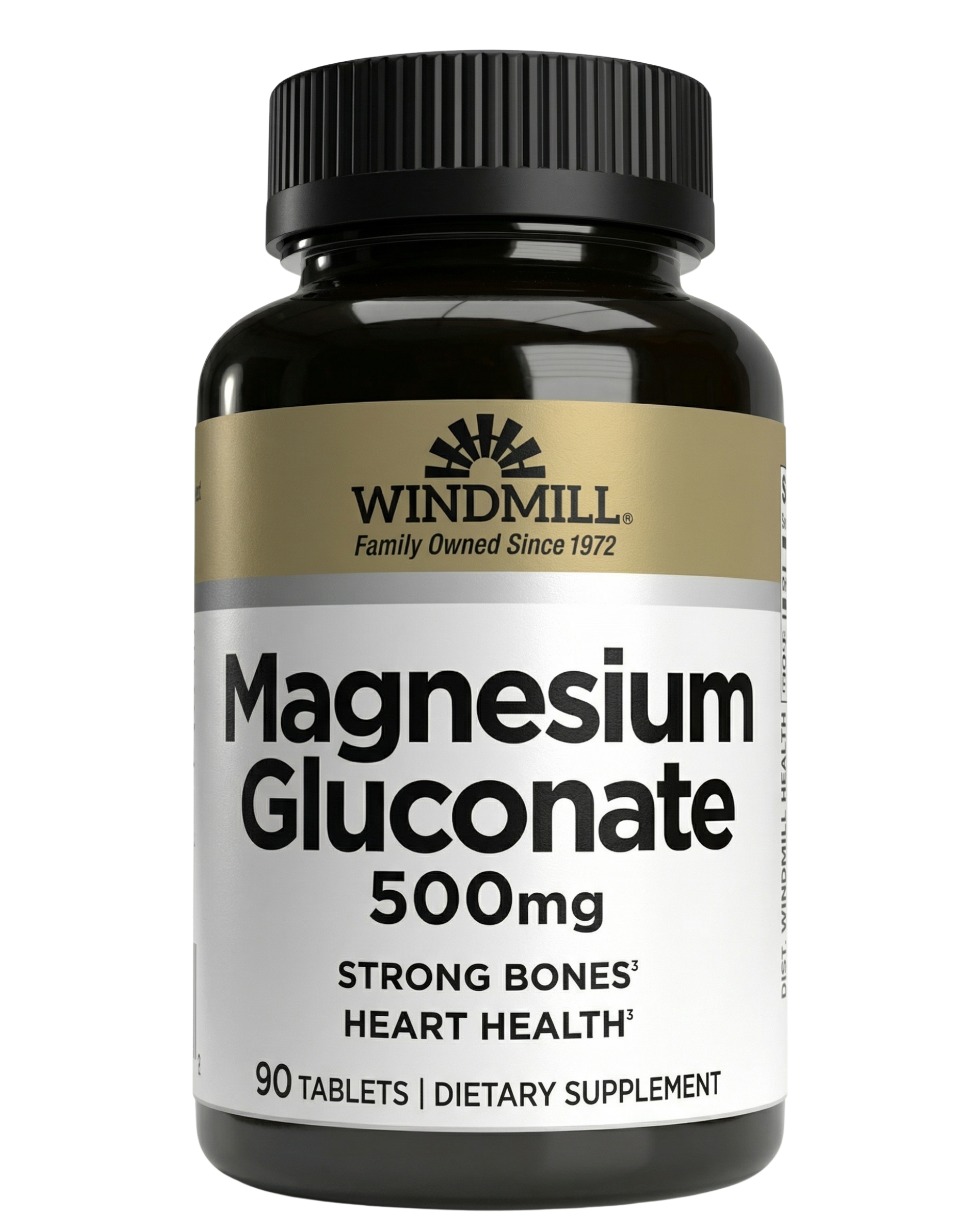
Related Product
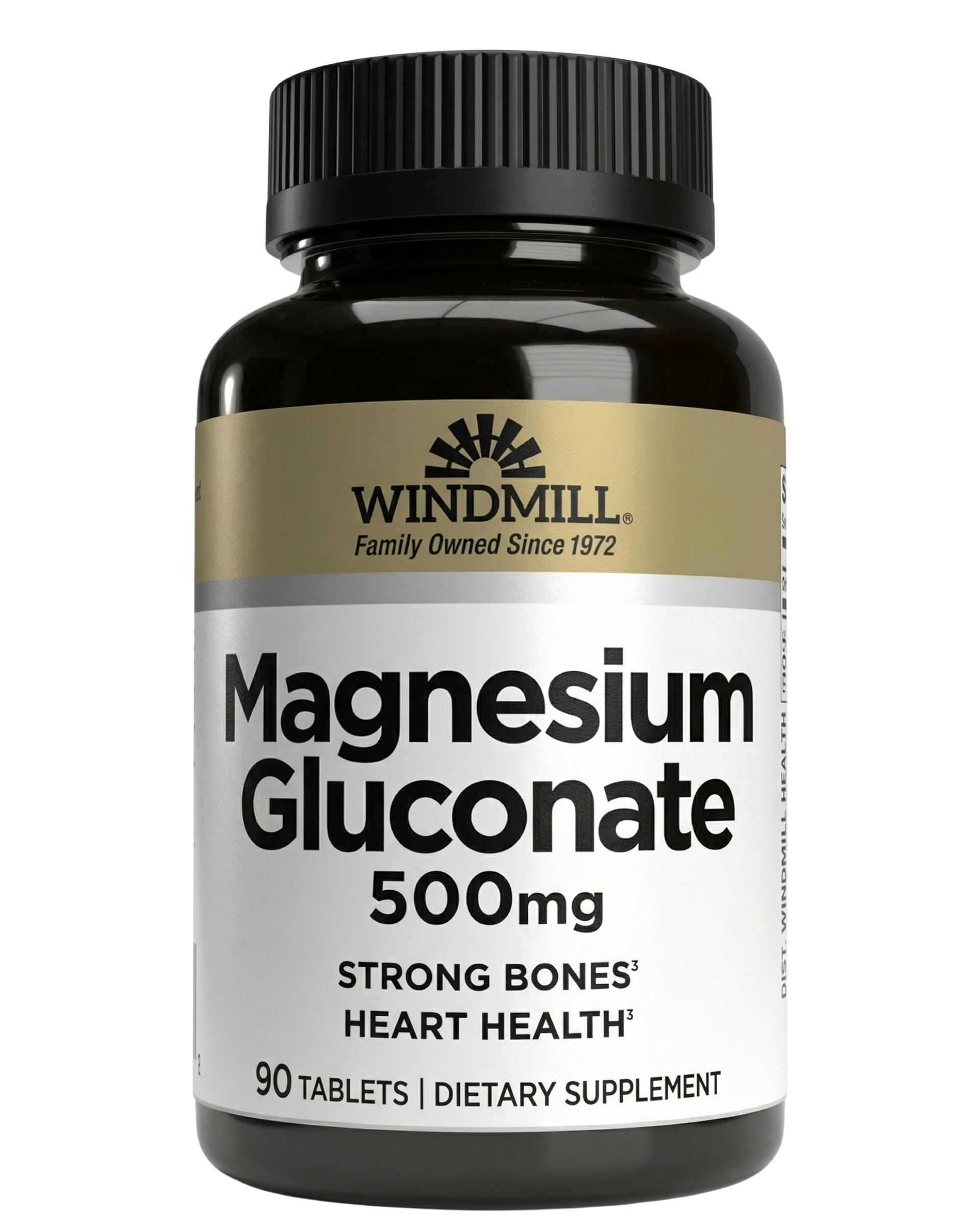
Magnesium Gluconate 500mg Gentle Formula Tablets 90ct
$9.99
Magnesium supplements come in multiple forms, each with different absorption rates and targeted benefits. Magnesium glycinate offers superior absorption and is gentle on the stomach, making it ideal for daily use and sleep support.
Magnesium oxide is common but poorly absorbed — avoid it unless specifically recommended by a healthcare provider. Magnesium citrate absorbs well but may cause digestive upset in sensitive individuals. Magnesium L-threonate is newer and may support cognitive function, though research is limited.
Look for supplements providing 200-400mg of elemental magnesium per serving. Third-party testing for purity and potency is essential — verify certificates of analysis are available. Avoid products with unnecessary fillers, artificial colors, or proprietary blends that don't disclose amounts.
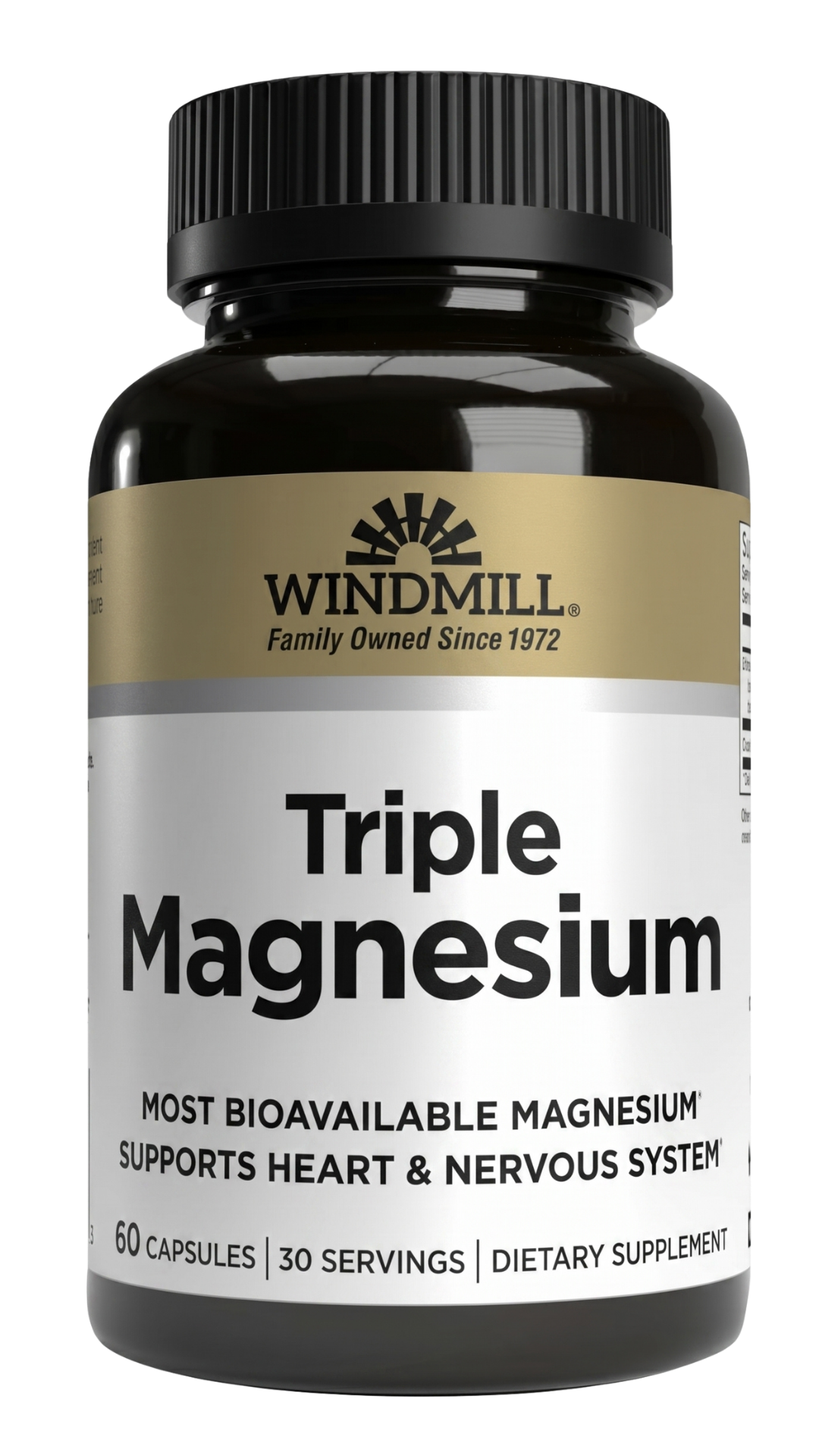
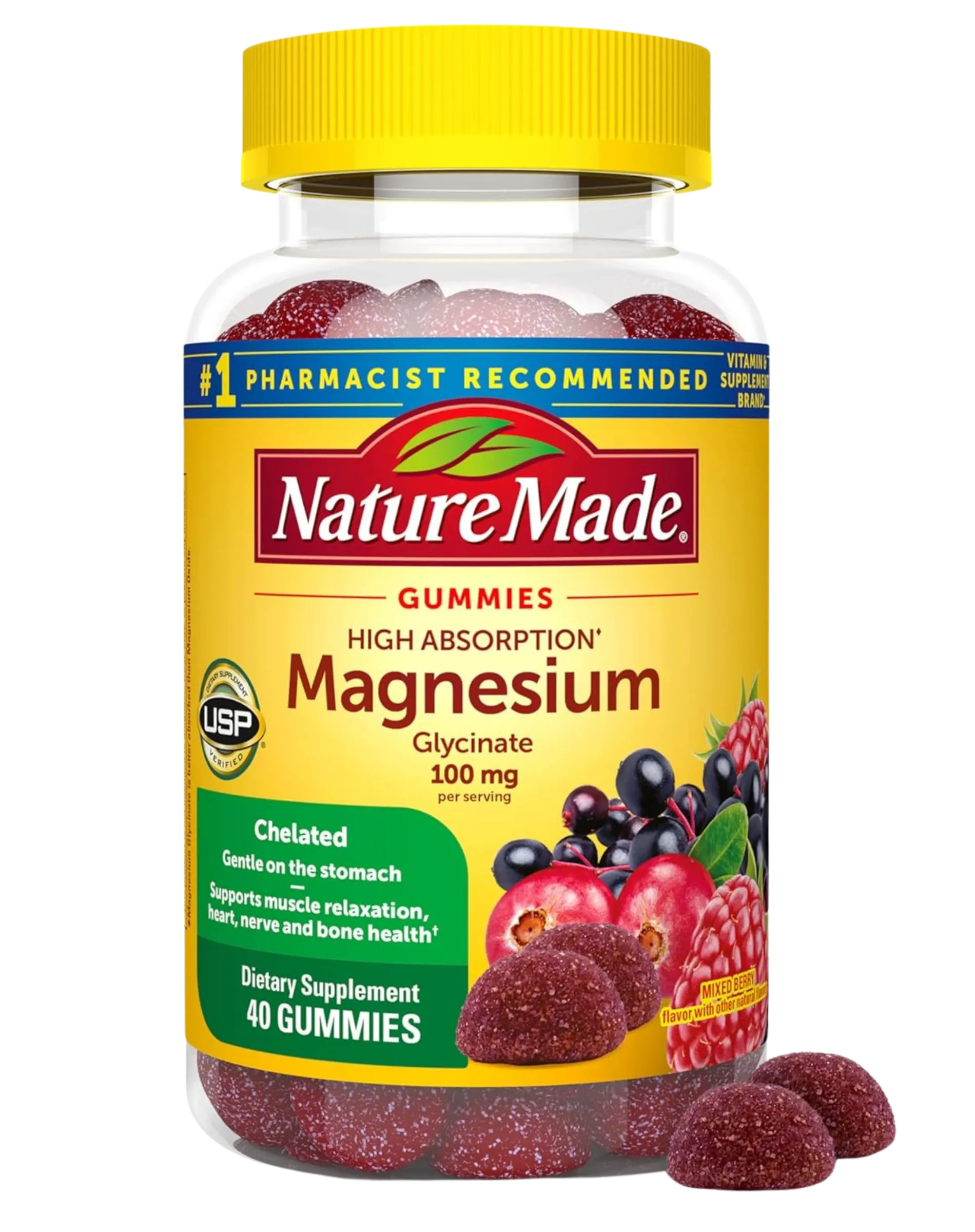
For those seeking comprehensive support, our Triple Magnesium Complex combines multiple forms to maximize absorption and benefits. If you prefer a convenient option, Goli Zero Sugar Magnesium Gummies offer a tasty alternative without added sugar.
Timing matters: magnesium glycinate taken 30-60 minutes before bed may support sleep, while other forms can be taken with meals to minimize stomach upset.
Frequently Asked Questions
Q: How long does it take to see benefits from magnesium supplementation?
A: Most people notice improved sleep within 1-2 weeks, while muscle cramps and energy levels may improve within days. Full tissue saturation takes 6-12 weeks of consistent supplementation.
Q: Can you take too much magnesium?
A: Yes, excessive magnesium from supplements can cause diarrhea, nausea, and in extreme cases, more serious complications. Stick to recommended dosages and consult healthcare providers if you take medications or have kidney issues.
Q: Which foods are highest in magnesium?
A: Dark leafy greens, nuts, seeds, whole grains, and dark chocolate are excellent sources. However, soil depletion and food processing have reduced magnesium content in many foods over recent decades.
Never run out.
Subscribe to any product and save 10% on every order. Pause or cancel anytime.
Subscribe & Save 10%Explore Magnesium Supplements at Moore Vitamins
Whether you're new to magnesium supplementation or looking to optimize your current routine, browse our full collection of premium supplements to find the perfect fit for your wellness goals.
Shop the Products Mentioned
- Magnesium Glycinate 200mg - Superior absorption for sleep and muscle support
- Triple Magnesium Complex - Multiple forms for comprehensive benefits
- Goli Zero Sugar Magnesium Gummies - Convenient, sugar-free option
- Magnesium 400mg Muscle & Nerve - High-potency daily support
Keep Reading
Never miss a dose.
Evidence-based wellness guides like this one, in your inbox. No hype, no spam — unsubscribe anytime.