Gut Health Supplements Guide 2026: What Actually Works According to Latest Research
Quick Answer: Gut health supplements fall into three categories, and the strongest evidence is strain-specific. Probiotics are live beneficial bacteria that may help restore microbial balance — a 2025 meta-analysis found Lactobacillus rhamnosus GG reduced antibiotic-associated diarrhea by 64%, and Bifidobacterium longum showed promise for IBS symptoms. Prebiotics are non-digestible fibers that feed your existing bacteria; 5-10 grams daily increased beneficial populations within two weeks in most people. Digestive enzymes work immediately to break down food and reduce bloating. Omega-3s have emerged as gut allies, with EPA supplementation increasing microbiome diversity in a 2026 study. To choose well, look for products listing specific strains, guaranteed CFU counts at expiration (10-50 billion for maintenance), and third-party testing. Take probiotics on an empty stomach or with a little fat, enzymes with meals, and prebiotics anytime. Probiotics typically show benefits within 2-4 weeks; individual responses vary.
Last updated: July 2026
Why Everyone Is Talking About Gut Health Supplements Right Now
The gut health supplement market hit $7.8 billion in 2026, driven by groundbreaking research connecting gut bacteria to everything from immune function to mental health. Social media influencers showcase their probiotic routines, while major health institutions publish studies linking microbiome diversity to longevity.
This isn't just wellness theater. Recent studies have identified specific bacterial strains that may support mood regulation, weight management, and even skin health. The gut-brain axis research has moved from fringe science to mainstream medicine, with gastroenterologists now routinely discussing microbiome testing with patients.
But the explosion of products has created confusion. Shelves overflow with probiotics promising miraculous results, while consumers struggle to understand which supplements actually deliver on their claims.
What Gut Health Supplements Actually Are
Gut health supplements fall into three main categories, each working differently to support your digestive system.
Probiotics are live beneficial bacteria that may help restore microbial balance. Think of them as reinforcements for your existing gut army. Quality matters enormously here — many products don't contain viable bacteria by the time you consume them.
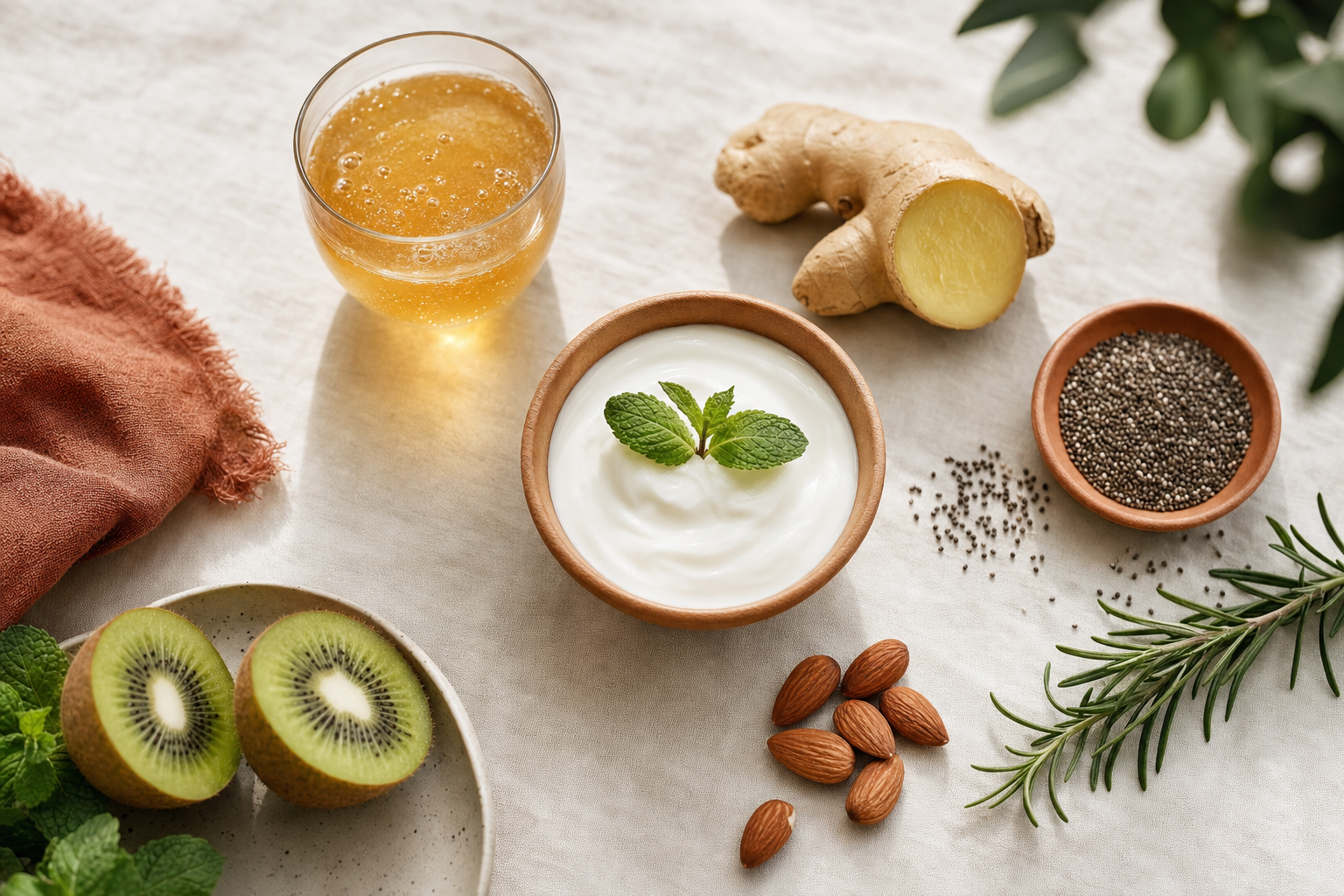
Prebiotics are non-digestible fibers that feed beneficial bacteria already living in your gut. They're essentially fertilizer for your microbiome. Inulin, oligosaccharides, and resistant starch are common prebiotic ingredients.
Digestive enzymes help break down food more efficiently, potentially reducing bloating and improving nutrient absorption. These work immediately rather than building long-term gut health changes.
What the Current Research Shows
The evidence for gut health supplements has strengthened significantly, but remains strain-specific and condition-dependent.
Probiotics show the strongest evidence for specific digestive issues. A 2025 meta-analysis found that Lactobacillus rhamnosus GG reduced antibiotic-associated diarrhea by 64%. Bifidobacterium longum showed promise for irritable bowel syndrome symptoms in multiple clinical trials.
Omega-3 fatty acids have emerged as unexpected gut health allies. Research suggests they may support the growth of beneficial bacteria while reducing intestinal inflammation. A 2026 study found that EPA supplementation increased microbiome diversity in healthy adults.
Prebiotic fiber demonstrates consistent benefits across studies. Daily intake of 5-10 grams of prebiotic fiber increased beneficial bacteria populations within two weeks in most participants.
However, individual responses vary dramatically. What transforms one person's digestive health may have minimal impact on another, highlighting the personalized nature of microbiome health.
Who Benefits Most From Gut Health Supplements
Post-antibiotic recovery represents the clearest use case. Anyone who has completed a course of antibiotics may benefit from targeted probiotic supplementation to restore bacterial balance.
Digestive discomfort sufferers with bloating, irregular bowel movements, or food sensitivities often see improvements with the right combination of probiotics and digestive enzymes.
Frequent travelers face constant microbiome disruption from new foods, water sources, and stress. Travel-specific probiotic formulas have gained popularity among business travelers and digital nomads.
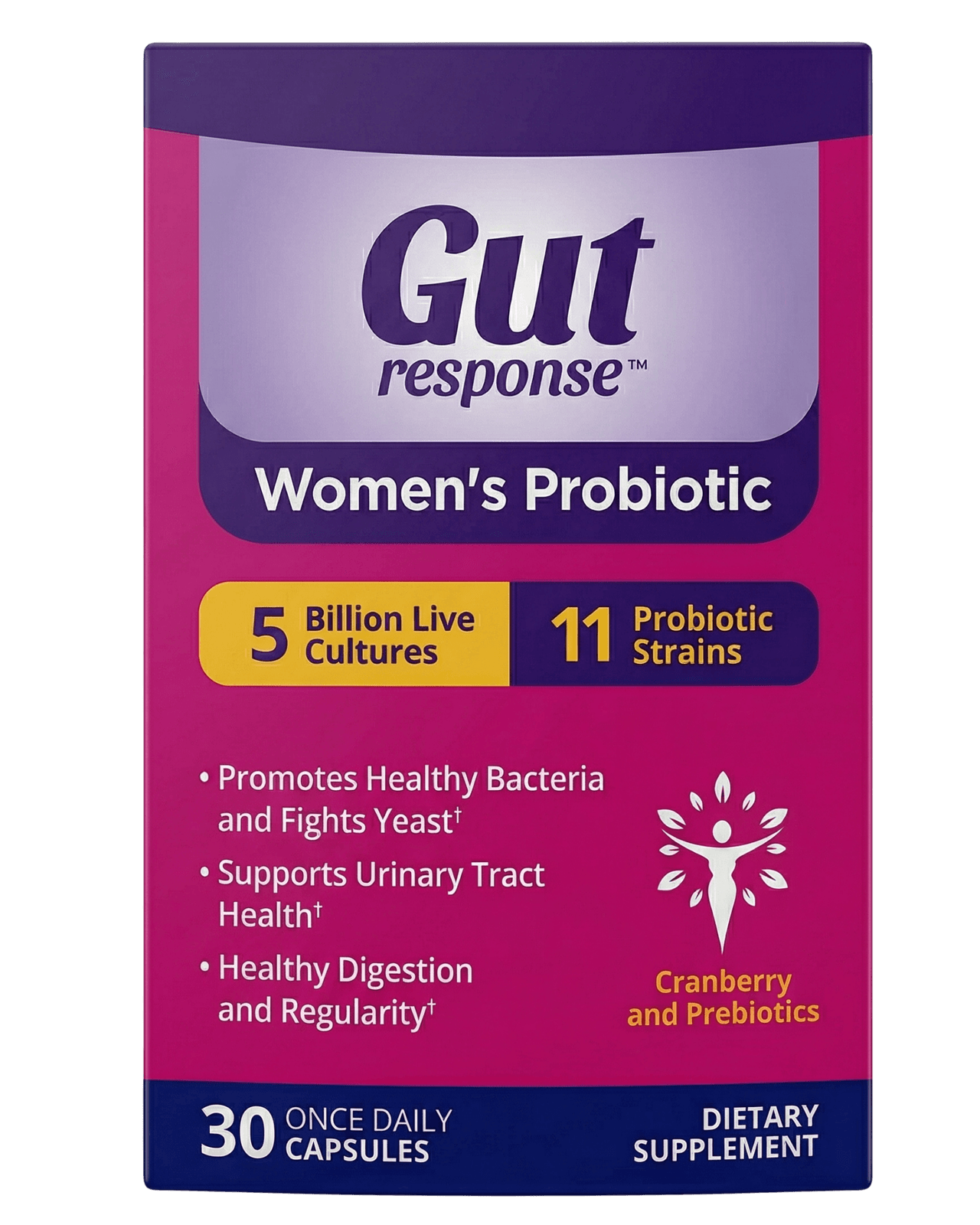
Women's health focus has intensified in 2026, with research highlighting the connection between gut bacteria and hormonal balance. Specialized women's probiotics target both digestive and vaginal microbiome health.
Related Product
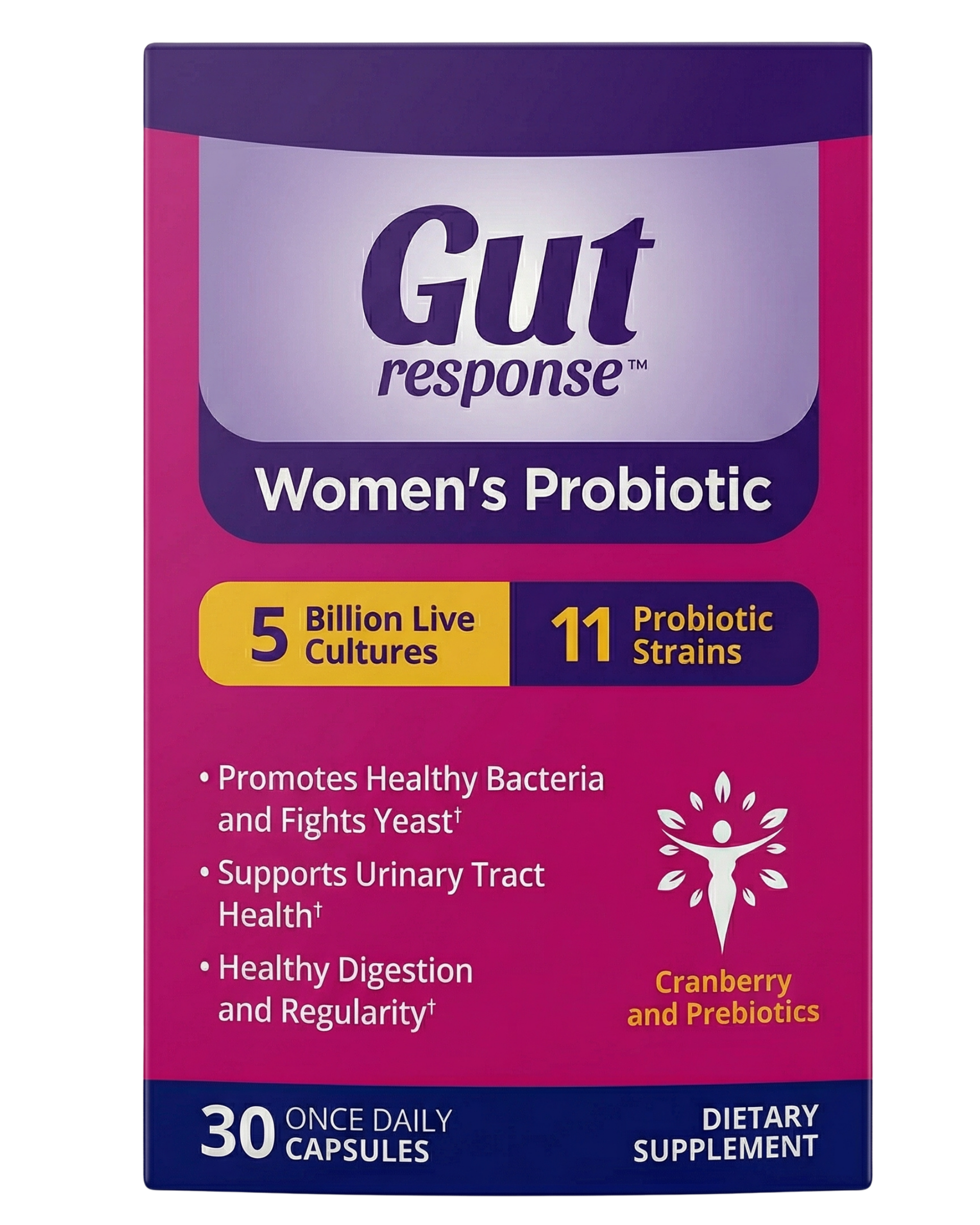
Gut Response Women's Probiotic Digestive Health Capsules 30ct
$9.99
Immune support seekers increasingly turn to gut health supplements, given that 70% of immune tissue resides in the digestive tract. This connection has driven mainstream adoption beyond traditional digestive concerns.
How to Choose a Quality Gut Health Supplement
Probiotic selection demands attention to detail. Look for products listing specific strains (not just species), guaranteed CFU counts at expiration, and third-party testing. Refrigerated products often maintain higher viability, though shelf-stable options have improved dramatically.
Multi-strain formulas typically outperform single-strain products in research studies. Aim for 10-50 billion CFUs for maintenance, higher for therapeutic use. Avoid products with unnecessary fillers or artificial ingredients that may irritate sensitive digestive systems.
Omega-3 supplements for gut health should provide at least 1000mg EPA per serving. Look for triglyceride form rather than ethyl ester for better absorption. Molecular distillation ensures purity from heavy metals and contaminants.
Combination products offering probiotics, prebiotics, and digestive enzymes provide comprehensive support but check that each component is present in effective doses. Some manufacturers skimp on expensive probiotic strains in favor of cheaper fillers.
Timing matters significantly. Take probiotics on an empty stomach or with a small amount of fat for optimal survival through stomach acid. Digestive enzymes work best with meals, while prebiotics can be taken anytime.
Frequently Asked Questions
Q: How long before I see results from gut health supplements?
A: Digestive enzymes work immediately, while probiotics typically show benefits within 2-4 weeks of consistent use. Microbiome changes from prebiotics may take 6-8 weeks to fully establish.
Q: Can I take probiotics with other supplements like vitamin D?
Never run out.
Subscribe to any product and save 10% on every order. Pause or cancel anytime.
Subscribe & Save 10%A: Yes, probiotics generally complement other supplements well. In fact, some research suggests combining probiotics with vitamin D and K2 may enhance immune benefits through gut-immune system interactions.
Q: Do expensive probiotic supplements work better than cheaper ones?
A: Price doesn't guarantee quality, but very cheap probiotics often lack viable bacteria or proper storage. Look for third-party testing and strain-specific research rather than just comparing prices.
Explore Gut Health Supplements at Moore Vitamins
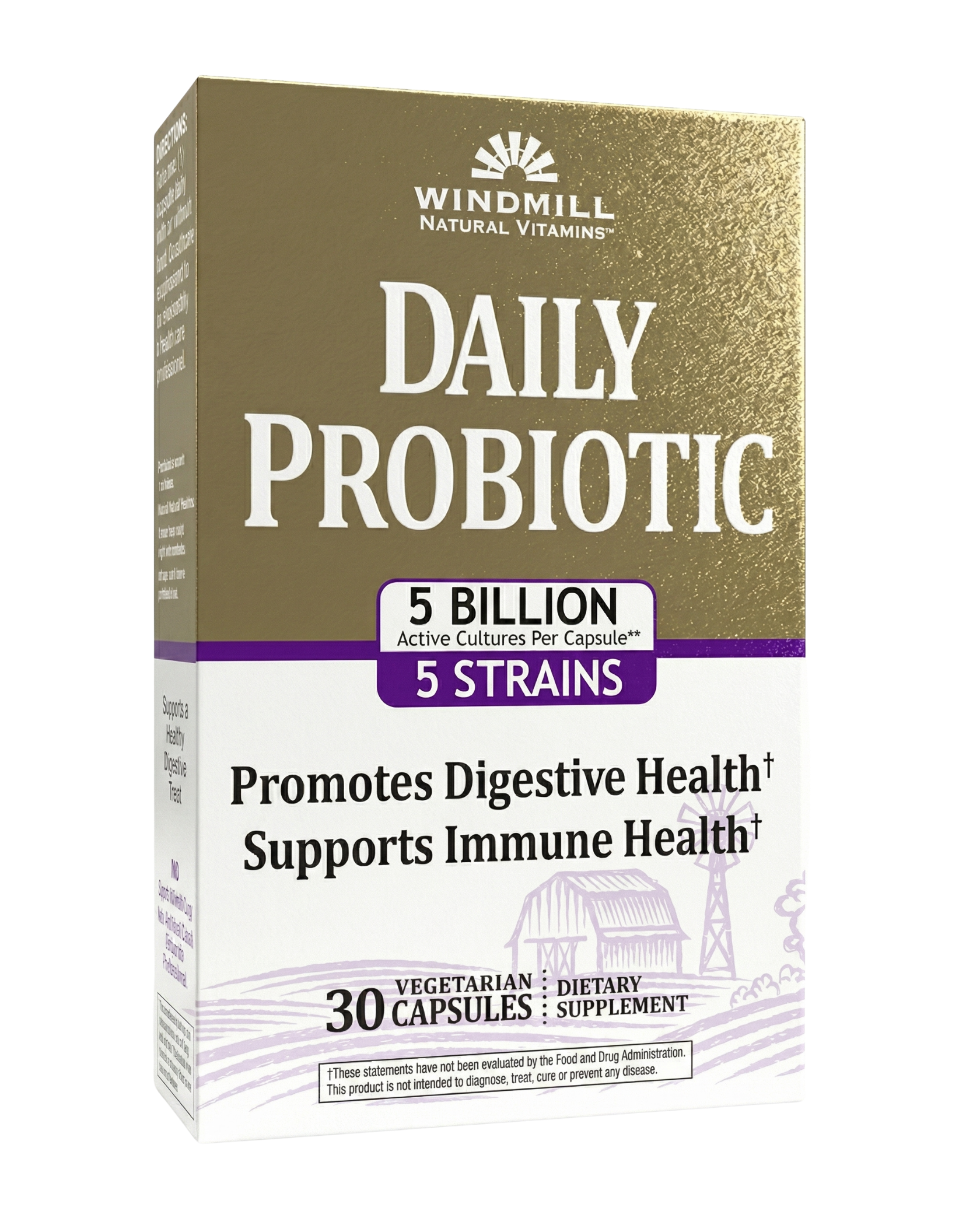
Start your gut health journey with our scientifically-backed options. The Windmill Daily Probiotic Digestive Health 30ct Capsules provides broad-spectrum support with multiple researched strains, while our Gut Response Women's Probiotic Digestive Health 30ct Capsules targets female-specific needs.
For comprehensive gut support, consider adding Omega-3 EPA Fish Oil 1000mg Heart Health (60 Softgels) to support the gut-heart connection through beneficial bacteria promotion.
All Moore Vitamins supplements meet GMP certification standards and ship same-day for consistent daily routines. Your microbiome thrives on consistency — we ensure you never miss a dose.
Sources & Further Reading
Never miss a dose.
Evidence-based wellness guides like this one, in your inbox. No hype, no spam — unsubscribe anytime.