Electrolytes and Hydration: The Science Behind Peak Sports Performance in 2026
Quick Answer: Electrolytes — sodium, potassium, chloride, magnesium, and calcium — regulate fluid balance, muscle contraction, and nerve function, and losing them through sweat is why hydration drives sports performance: fluid losses of just 2% of body weight can measurably reduce physical and cognitive output. For workouts under 60 minutes in moderate conditions, water is usually sufficient; beyond 60-90 minutes, an electrolyte drink with 200-700mg of sodium per liter may help maintain performance better than water alone. Follow a three-phase protocol: pre-hydrate 2-4 hours before exercise with 5-7ml of fluid per kilogram of body weight, drink 150-250ml every 15-20 minutes during activity, and replace 125-150% of fluid losses afterward. Avoid overdrinking plain water — it can cause hyponatremia, a dangerous drop in blood sodium. Sweat rates vary from 300ml to over 2 liters per hour, so weigh yourself before and after exercise to personalize your plan.
Last updated: July 2026
The Essential Electrolytes for Athletic Performance
Electrolytes are minerals that carry an electrical charge and play vital roles in maintaining proper hydration and supporting various bodily functions. The primary electrolytes that athletes need to focus on include sodium, potassium, chloride, magnesium, and calcium.
Sodium is perhaps the most critical electrolyte for athletes, as it helps regulate fluid balance and supports proper muscle contraction. During intense exercise, sodium losses through sweat can be substantial, potentially leading to cramping, fatigue, and decreased performance. source Potassium gluconate supplements work closely with sodium to maintain cellular fluid balance and support proper muscle and nerve function.
Magnesium supports over 300 enzymatic reactions in the body and is associated with energy production, muscle relaxation, and protein synthesis. Athletes experiencing muscle cramps or sleep issues may benefit from our Magnesium Glycinate 200mg supplement, which offers superior bioavailability for muscle and sleep support. source Calcium, while primarily known for bone health, also plays a crucial role in muscle contraction and nerve signaling. Chloride helps maintain proper fluid balance and supports the production of digestive acids.
How Dehydration Impacts Athletic Performance
Even mild dehydration can significantly impact athletic performance, with research showing that fluid losses as small as 2% of body weight can lead to measurable decreases in physical and cognitive performance. source As dehydration progresses, the effects become increasingly pronounced and potentially dangerous.
When the body becomes dehydrated, blood volume decreases, forcing the heart to work harder to pump blood to working muscles. This increased cardiovascular strain leads to earlier fatigue and reduced endurance capacity. Additionally, dehydration impairs the body's ability to regulate temperature through sweating, increasing the risk of heat-related illness during exercise in warm conditions.
Cognitive function also suffers with dehydration, affecting decision-making, reaction time, and coordination – all critical factors in sports performance. Studies have shown that dehydration may be associated with increased perceived exertion, meaning activities feel harder even when the actual workload remains the same.
Optimal Hydration Strategies for Different Sports
Different sports present unique hydration challenges, and successful athletes tailor their hydration strategies accordingly. Endurance sports like marathon running, cycling, and triathlon require sustained hydration efforts over extended periods. Athletes in these disciplines benefit from regular fluid intake throughout their activity, typically consuming 150-250ml of fluid every 15-20 minutes.
Team sports with intermittent high-intensity efforts, such as soccer, basketball, and hockey, require strategic hydration during breaks and timeouts. These athletes should focus on pre-hydration before games and taking advantage of every opportunity to replenish fluids during play. Supporting overall energy levels with a high-quality B Complex supplement can help maintain performance throughout extended competition periods.
Strength and power athletes, while not losing as much fluid through sweat during shorter training sessions, still need to maintain proper hydration to support muscle function and recovery. These athletes should pay particular attention to their hydration status between training sessions.
The Science of Electrolyte Replacement During Exercise
The optimal approach to electrolyte replacement during exercise depends on several factors, including sweat rate, exercise duration, environmental conditions, and individual sweat composition. Research suggests that for activities lasting longer than 60-90 minutes, consuming fluids that contain electrolytes may help maintain performance better than water alone.
The ideal electrolyte beverage should contain sodium in concentrations of 200-700mg per liter, along with appropriate amounts of other key electrolytes. The Refresher Drink Mix Tropical Mango Flavor Hydration Support provides a balanced blend of electrolytes designed to support optimal hydration during physical activity.
Timing of electrolyte replacement is also crucial. Pre-exercise hydration should begin several hours before activity, with continued fluid intake right up to the start of exercise. During exercise, the goal is to minimize fluid losses while avoiding overhydration, which can be equally problematic.
Pre, During, and Post-Exercise Hydration Protocols
Effective hydration is a three-phase process that begins well before exercise and continues long after the workout ends. Pre-exercise hydration should start 2-4 hours before activity, with athletes consuming 5-7ml of fluid per kilogram of body weight. This allows time for optimal fluid absorption and gives the kidneys time to regulate fluid balance.
During exercise, hydration needs vary based on sweat rate, which can range from 300ml to over 2 liters per hour depending on the individual, exercise intensity, and environmental conditions. Athletes should aim to replace 125-150% of fluid losses to account for ongoing sweat production during the recovery period.
Post-exercise hydration focuses on restoring fluid balance and supporting recovery processes. This phase should include both fluid and electrolyte replacement, as well as consideration of foods and beverages that support rehydration. The Refresher Drink Mix Pina Colada Flavor Hydration Support can be an excellent choice for post-workout recovery, providing essential electrolytes in a refreshing, tropical flavor.
Common Hydration Mistakes Athletes Make
Related Product
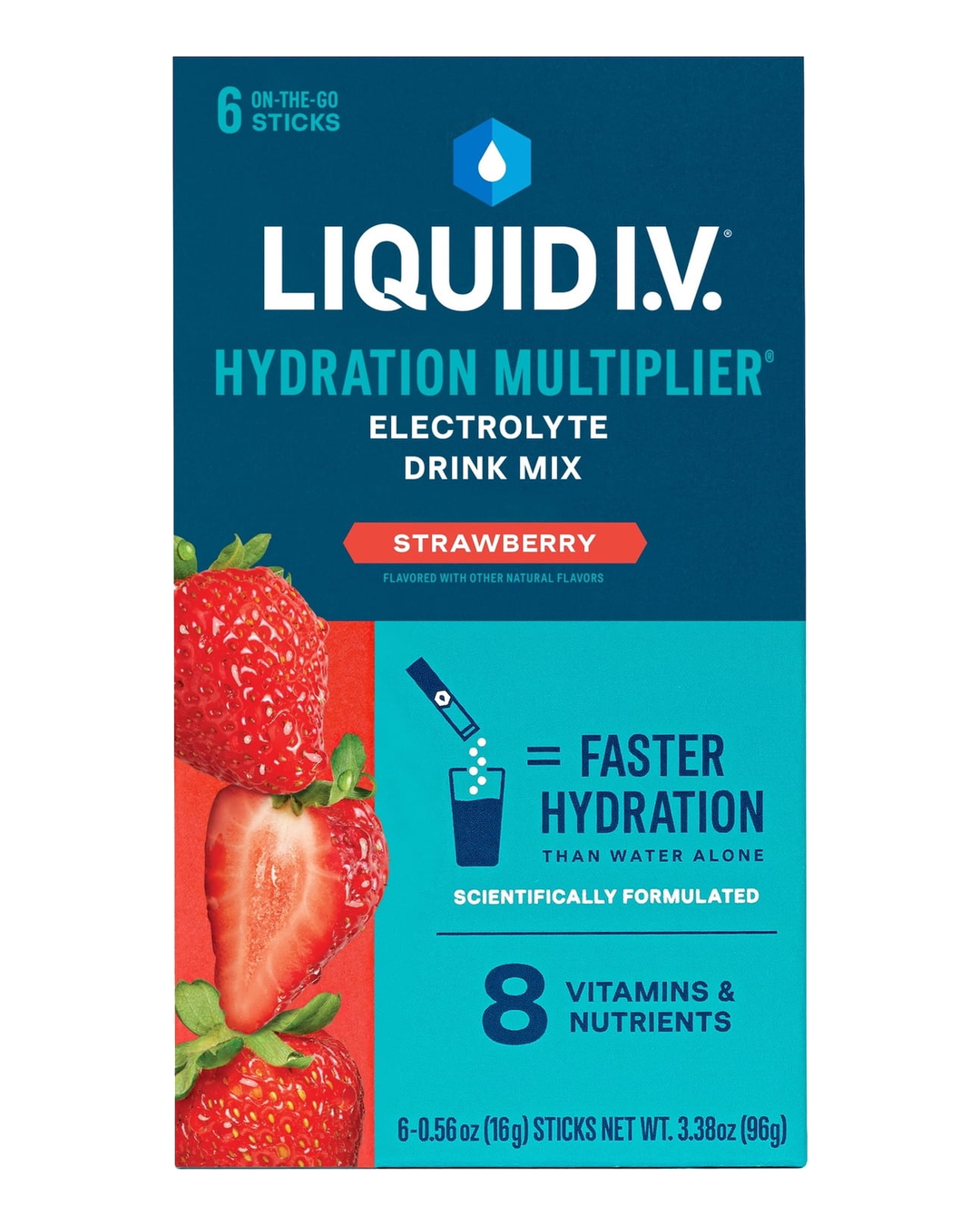
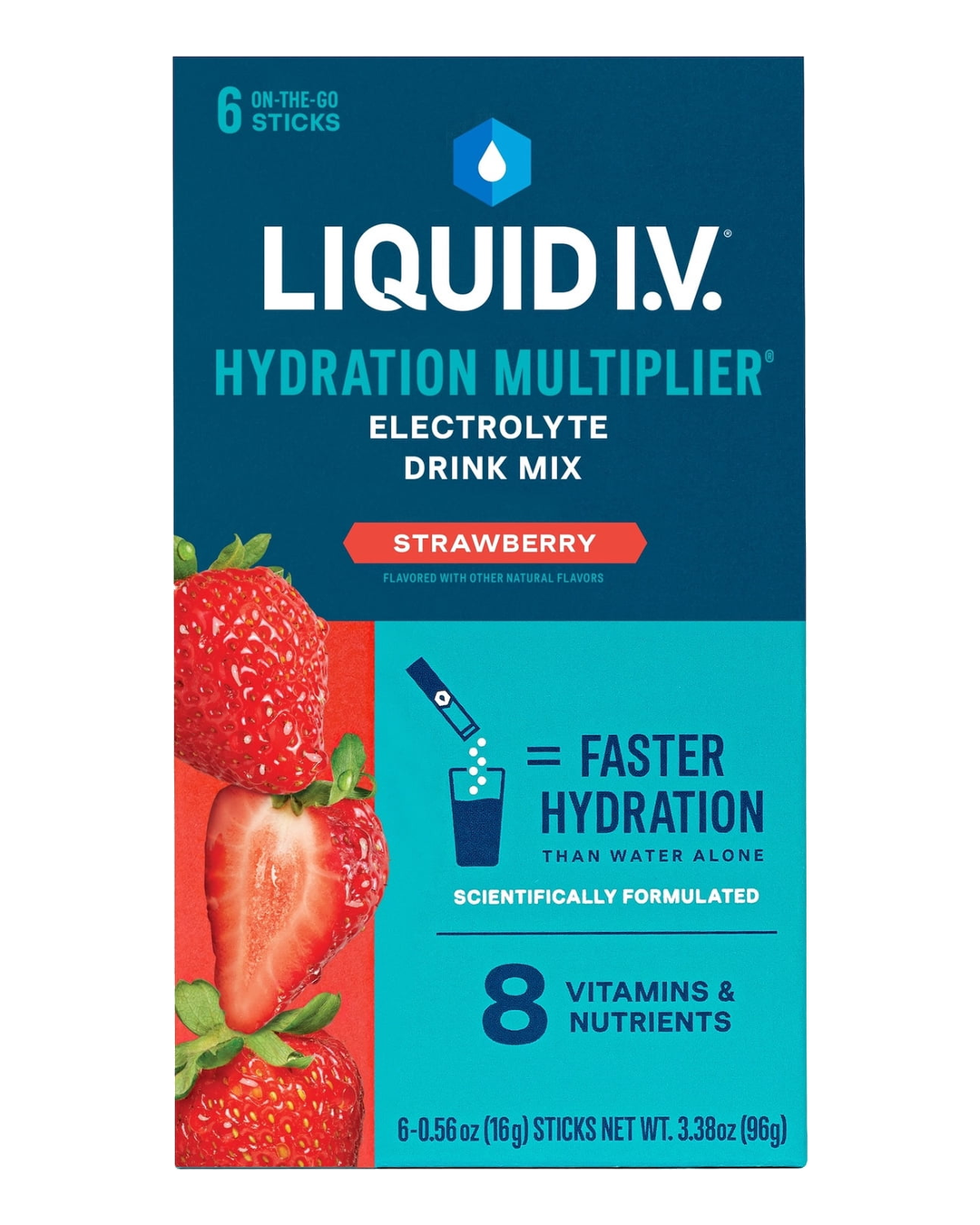
Liquid IV Hydration Multiplier Strawberry Electrolyte Drink Mix Sticks 6ct
$13.95
Despite the abundance of information available, many athletes continue to make hydration mistakes that can compromise their performance. One of the most common errors is relying solely on thirst as a hydration indicator. By the time we feel thirsty, we may already be mildly dehydrated.
Another frequent mistake is overhydrating, particularly with plain water. This can lead to hyponatremia, a potentially dangerous condition where blood sodium levels become dangerously low. source This is why balanced electrolyte replacement is so important during prolonged exercise.
Many athletes also fail to account for individual variations in sweat rate and composition. What works for one person may not be optimal for another, making it important to develop personalized hydration strategies through experimentation and, when possible, sweat testing.
Environmental Factors and Hydration Needs
Environmental conditions significantly impact hydration needs, with heat and humidity being the most obvious factors. However, cold weather, altitude, and air quality can also affect fluid requirements. In hot, humid conditions, sweat rates increase dramatically, and the body's ability to cool itself through evaporation is reduced.
High altitude presents unique challenges, as the dry air and increased respiratory rate can accelerate fluid losses. Cold weather may suppress thirst sensation while still requiring adequate hydration, particularly when wearing heavy clothing that increases sweat production.
Athletes training or competing in challenging environmental conditions should adjust their hydration strategies accordingly, potentially increasing both fluid and electrolyte intake. The Refresher Drink Mix Mint Mojito Flavor Hydration Support offers a refreshing option that may be particularly appealing during hot weather training sessions.
Product Recommendations for Optimal Hydration
When selecting hydration products, look for solutions that provide a balanced blend of electrolytes without excessive sugar or artificial additives. The Refresher Drink Mix series offers scientifically formulated electrolyte blends in appealing flavors that support hydration needs during various types of physical activity.
These products are designed to be mixed with water to create an isotonic solution that supports rapid fluid absorption while replacing key electrolytes lost through sweat. The variety of flavors ensures that athletes can find options they enjoy, which is important for maintaining consistent hydration habits. For those seeking additional support, browse our full collection of sports nutrition and hydration products.
Frequently Asked Questions
Never run out.
Subscribe to any product and save 10% on every order. Pause or cancel anytime.
Subscribe & Save 10%Q: How much water should I drink during a typical workout?
Fluid needs vary greatly between individuals, but a general guideline is to consume 150-250ml every 15-20 minutes during exercise lasting longer than 60 minutes. Monitor your body weight before and after exercise to gauge individual fluid losses.
Q: Are sports drinks necessary for all types of exercise?
For activities lasting less than 60 minutes in moderate conditions, water may be sufficient. However, for longer duration activities, intense exercise, or hot weather conditions, electrolyte replacement becomes increasingly important for maintaining performance.
Q: Can I drink too much water during exercise?
Yes, overhydration can lead to hyponatremia, where blood sodium levels become dangerously low. This is why balanced electrolyte replacement is important during prolonged exercise, and why you should avoid drinking excessive amounts of plain water without electrolyte replacement.
Shop the Products Mentioned
Never miss a dose.
Evidence-based wellness guides like this one, in your inbox. No hype, no spam — unsubscribe anytime.