Vitamin E Cream for Skin: Benefits, Uses, and What to Look For in 2026
The Real Story Behind Vitamin E Cream for Your Skin
Walk down any skincare aisle and you'll find vitamin E splashed across countless product labels. But here's what most brands won't tell you: not all vitamin E formulations are created equal, and the benefits you've heard about aren't always guaranteed. As someone who's spent years researching topical vitamins, I'm here to give you the honest truth about what vitamin E cream can and can't do for your skin in 2026.
Vitamin E has earned its reputation as a skin-supporting antioxidant for good reason. Research indicates that tocopherol—the most active form of vitamin E—may help protect skin cells from oxidative stress caused by environmental factors like UV exposure and pollution. But the key word here is "may." While studies suggest promising benefits, the reality is more nuanced than marketing claims would have you believe.
How Vitamin E Actually Works on Your Skin
When applied topically, vitamin E functions primarily as an antioxidant, potentially helping to neutralize free radicals that contribute to premature aging. The mechanism is straightforward: vitamin E molecules can donate electrons to unstable free radicals, theoretically helping to stabilize them before they damage healthy skin cells.
What makes vitamin E particularly interesting for skincare is its fat-soluble nature. Unlike water-soluble vitamins that sit on the skin's surface, vitamin E can penetrate the lipid barriers in your skin, allowing it to work within the cellular structure. This characteristic supports its potential effectiveness in topical applications.
The Moisture Connection
Beyond its antioxidant properties, vitamin E may help support skin hydration. Studies suggest that it can help reinforce the skin's natural barrier function, potentially reducing transepidermal water loss. This is why you'll often find vitamin E in moisturizing formulations like the Super E Hand & Body Lotion, where it works alongside other hydrating ingredients to support overall skin comfort.
Realistic Benefits You Can Expect
Let's be clear about what vitamin E cream might realistically do for your skin, based on current research:
- Antioxidant support: May help protect against environmental stressors
- Hydration assistance: Could support skin barrier function and moisture retention
- Skin comfort: May help soothe minor irritation in some individuals
- Complementary anti-aging support: Might work synergistically with other skincare ingredients
Notice the careful language here. While vitamin E shows promise in laboratory studies and some clinical research, individual results vary significantly. Your skin type, the concentration of vitamin E, the formulation quality, and how you use the product all influence outcomes.
What to Look for in Quality Vitamin E Formulations
Not all vitamin E creams deliver the same potential benefits. Here's what separates effective formulations from marketing hype:
Form of Vitamin E Matters
Look for products containing d-alpha-tocopherol or mixed tocopherols rather than synthetic dl-alpha-tocopherol. The natural forms are generally considered more bioavailable and potentially more effective in topical applications.
Concentration and Stability
Vitamin E is notoriously unstable when exposed to light and air. Quality formulations use stabilized forms or protective packaging to maintain potency. Concentrations typically range from 0.1% to 1% in effective products, though higher isn't always better—it can sometimes cause irritation.
Synergistic Ingredients
Related Product
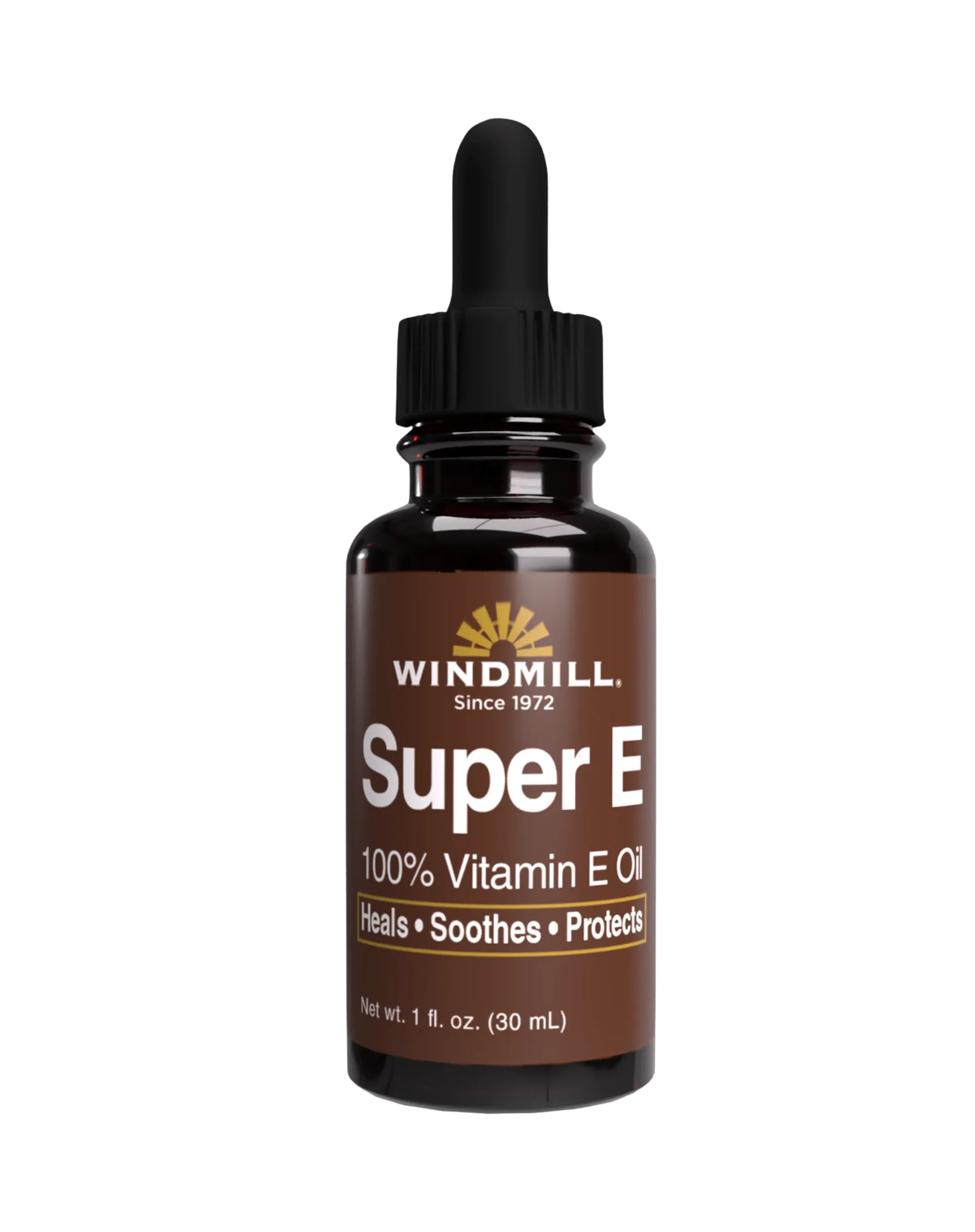
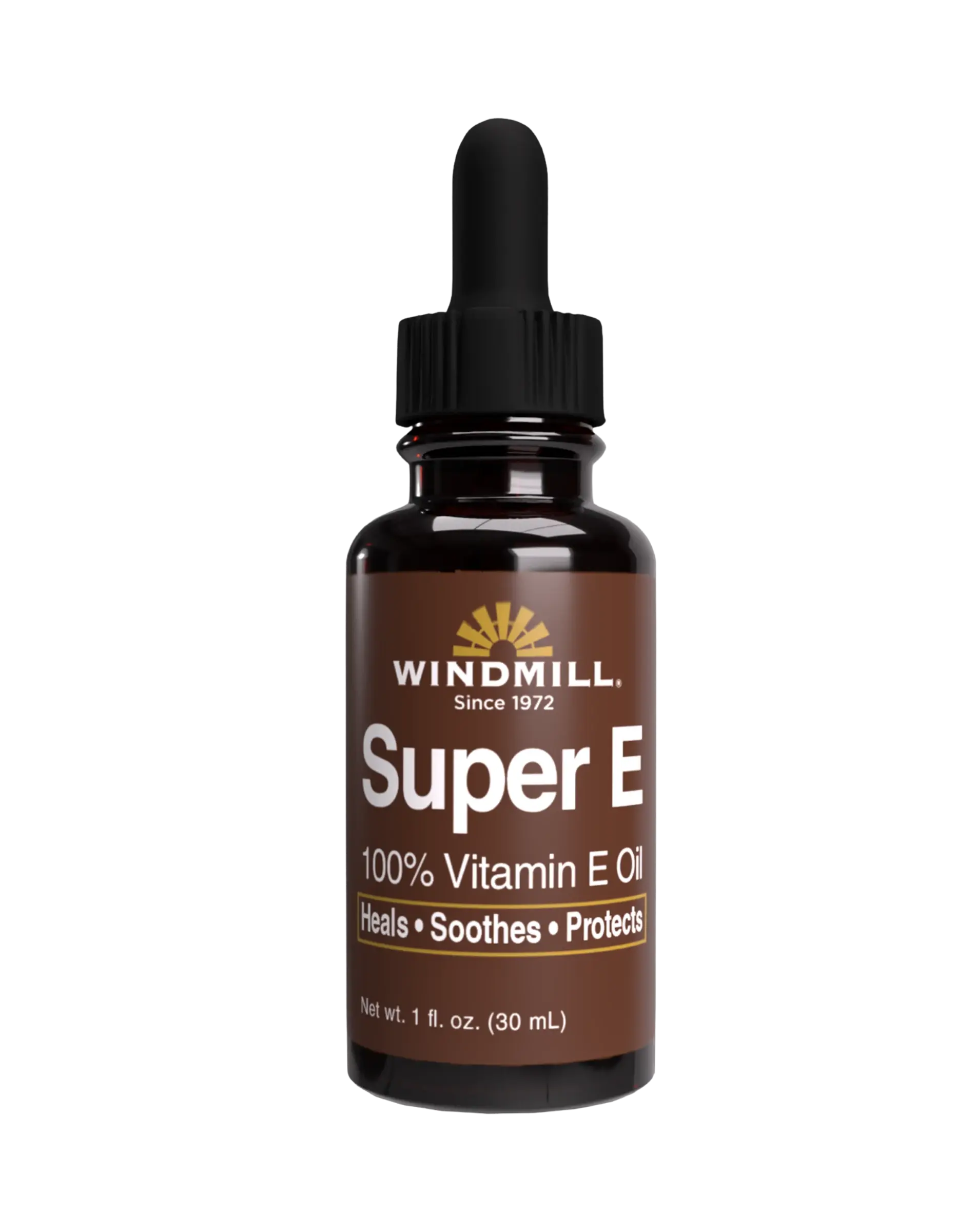
Windmill Super E 100% Vitamin E Oil Skin & Hair Support Oil 1oz
$8.50
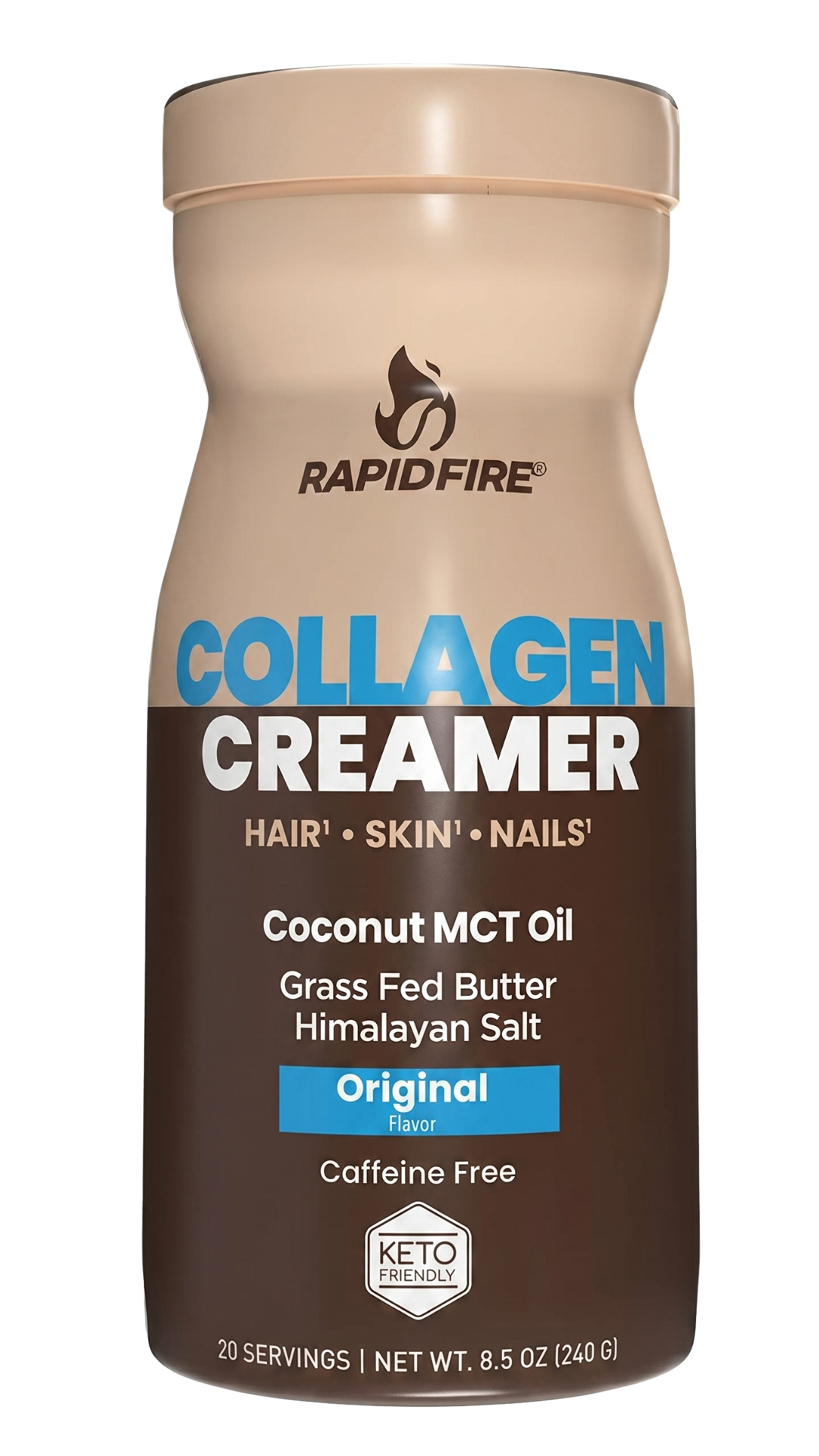
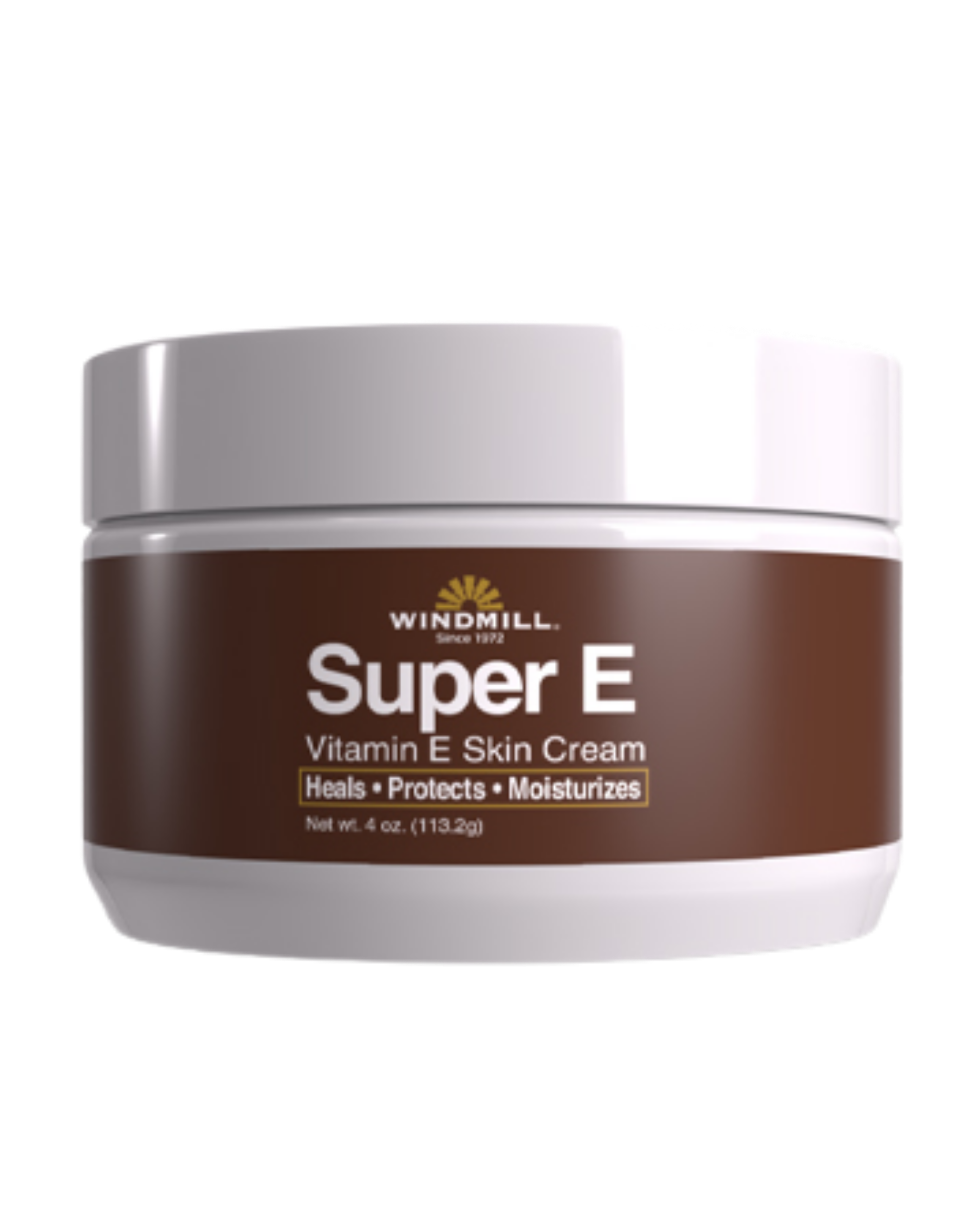
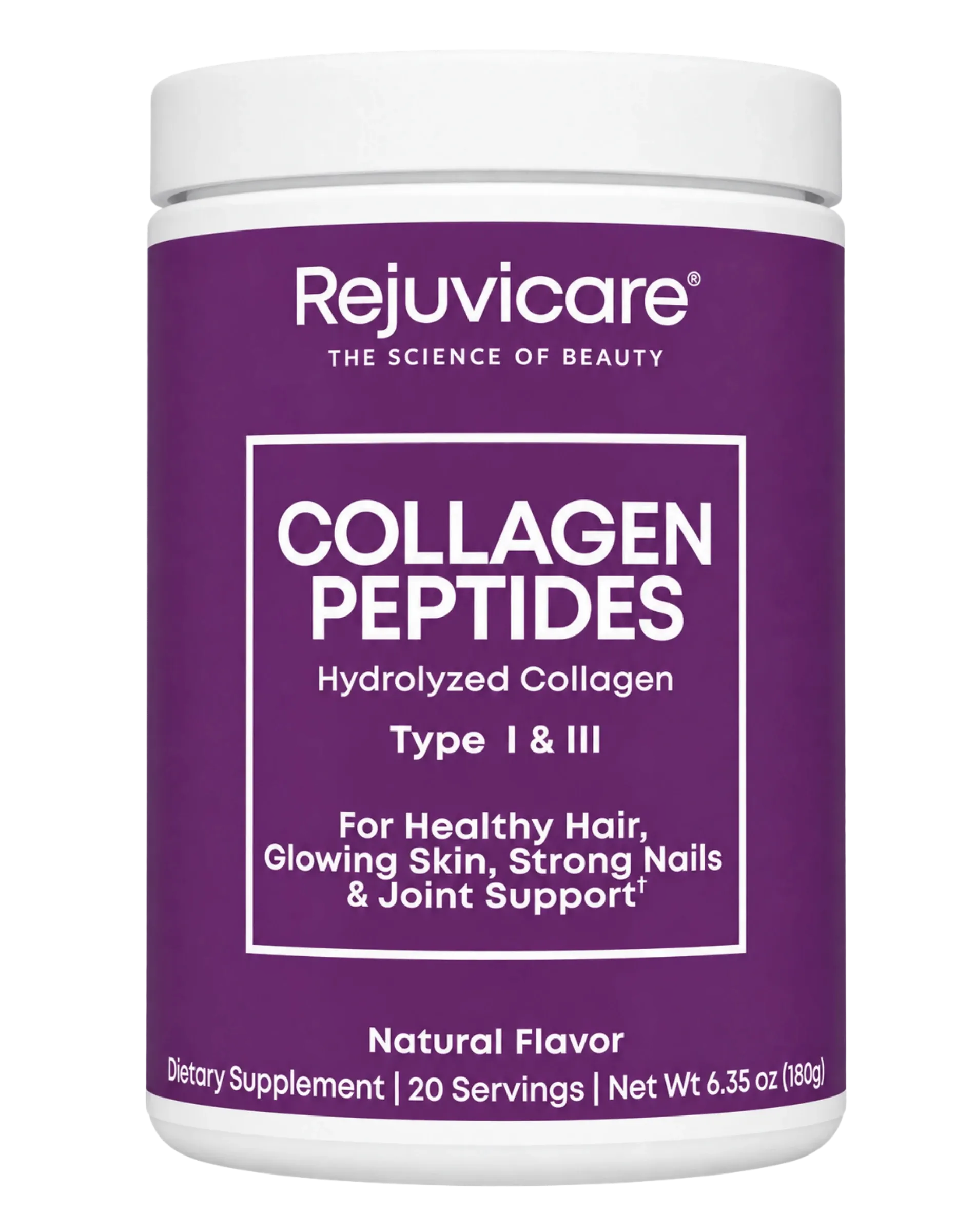
The most effective vitamin E creams combine tocopherol with complementary ingredients. Vitamin C can help regenerate vitamin E, while ingredients like collagen peptides may provide additional skin-supporting benefits. Products like the Super Vitamin E Collagen Cream take this approach, combining vitamin E with collagen-supporting compounds for potentially enhanced benefits.
The Inside-Out Approach: Oral Vitamin E
Here's something most topical vitamin E discussions miss: supporting your skin from the inside out. While topical application targets surface and upper layer concerns, adequate vitamin E intake through diet or supplementation supports overall cellular health throughout your body, including your skin.
Research suggests that individuals with higher vitamin E levels may have better overall skin health markers. This doesn't mean supplements will dramatically transform your complexion, but ensuring adequate intake through products like Vitamin E 450mg Softgels may support your skin's natural processes alongside topical care.
Potential Drawbacks and Considerations
Honesty means discussing potential downsides too. Some people experience sensitivity to topical vitamin E, particularly in higher concentrations. Symptoms might include redness, irritation, or even contact dermatitis in sensitive individuals.
Additionally, vitamin E can make your skin more photosensitive in some cases, potentially increasing sensitivity to sun exposure. This is why many dermatologists recommend using vitamin E products as part of an evening routine rather than morning application.
Quality Control Concerns
The skincare market is flooded with vitamin E products of varying quality. Some contain minimal active ingredients despite prominent labeling, while others use oxidized or ineffective forms of vitamin E. Choosing products from reputable companies with transparent ingredient lists and proper testing protocols is crucial for potential effectiveness.
Never run out.
Subscribe to any product and save 10% on every order. Pause or cancel anytime.
Subscribe & Save 10%Making Vitamin E Work for Your Routine
If you decide to incorporate vitamin E cream into your skincare routine, start slowly. Apply a small amount to a test area first, especially if you have sensitive skin. Begin with lower concentrations and gradually increase if your skin tolerates it well.
Consider your overall routine too. Vitamin E works well with gentle cleansers and basic moisturizers but may not play nicely with certain active ingredients like retinoids or alpha hydroxy acids without proper spacing and technique.
For comprehensive skin support, consider exploring our full supplement collection to address nutritional factors that support skin health from within while using topical products for surface-level care.
Shop the Products Mentioned
Ready to explore more targeted nutrition for your wellness goals? Browse our complete selection of high-quality supplements and skincare support products at moorevitamins.com.
†These statements have not been evaluated by the FDA. Products are not intended to diagnose, treat, cure, or prevent any disease.
Never miss a dose.
Evidence-based wellness guides like this one, in your inbox. No hype, no spam — unsubscribe anytime.