When to Take CoQ10: Morning vs Night - The Science-Based Answer
Quick Answer: Take CoQ10 in the morning with your largest meal containing fat. Research shows fat increases absorption by up to 3 times, and morning timing aligns with your body's natural energy production cycles when CoQ10 is most needed.
When to Take CoQ10: Morning vs Night
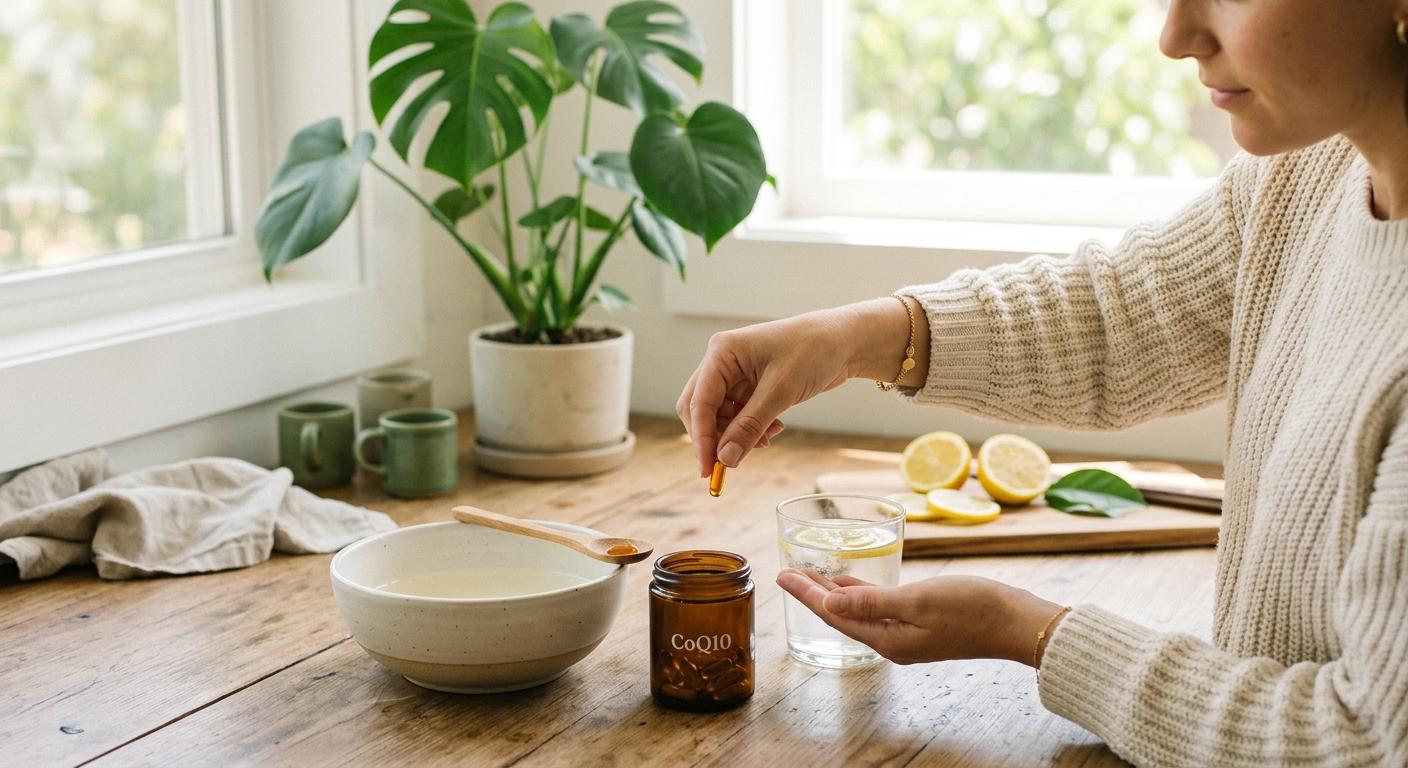
Take CoQ10 in the morning, preferably with breakfast if it's your largest meal of the day. CoQ10 supports cellular energy production in your mitochondria source — the process is most active during daytime hours when your body demands peak performance.
Morning timing also prevents potential sleep disruption. While rare, some people report feeling more energized after taking CoQ10, which could interfere with nighttime rest if taken late in the day. For those who do experience sleep issues with supplements, our Melatonin 10mg Timed Release can help maintain healthy sleep patterns.
The fat content in your morning meal matters more than the specific time. CoQ10 is fat-soluble, meaning it needs dietary fat to absorb properly into your bloodstream source.
Why Fat Content Matters More Than Timing
CoQ10 absorption increases dramatically with fat intake. Studies show taking CoQ10 with a high-fat meal (20+ grams of fat) increases bioavailability by 300% compared to taking it on an empty stomach source.
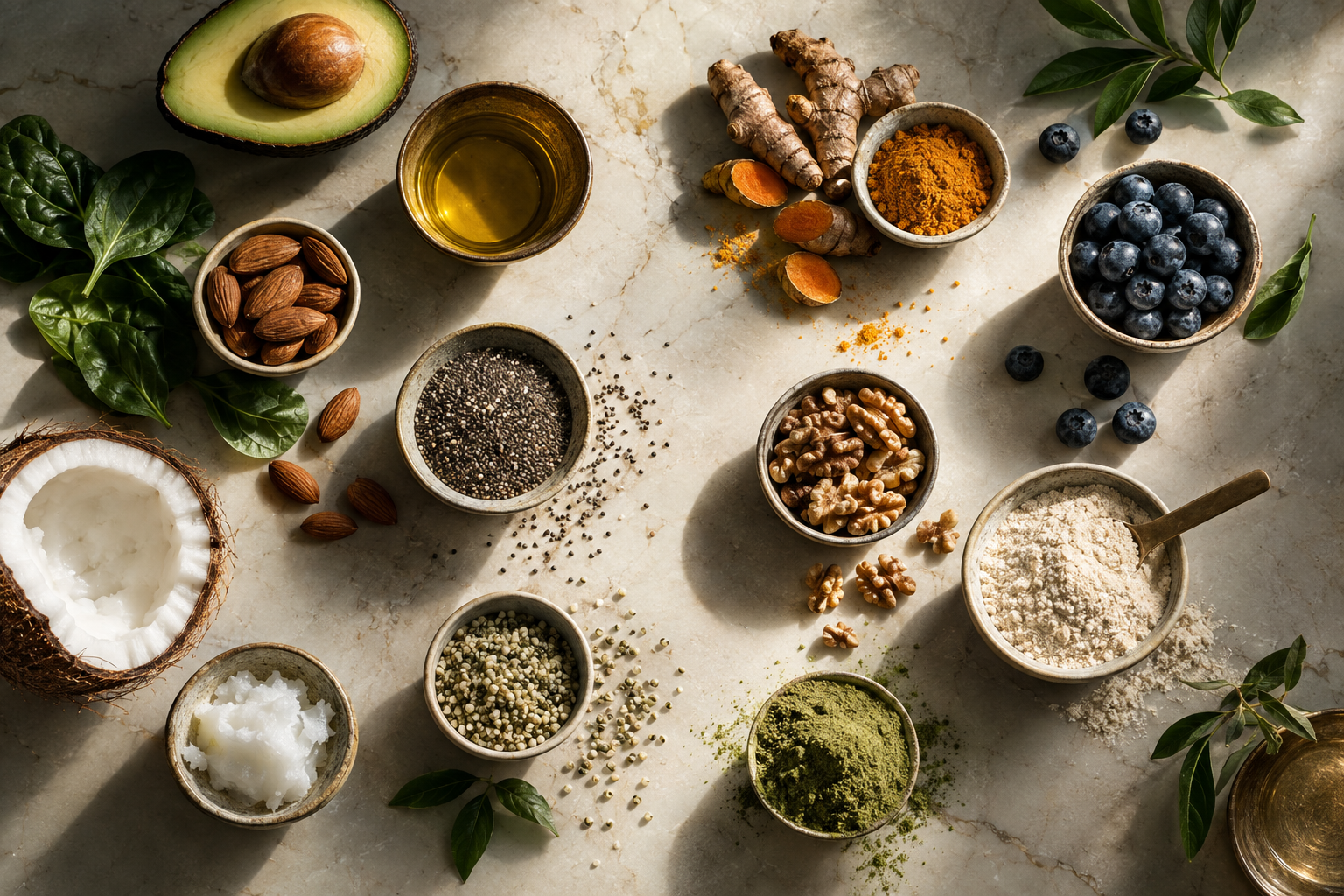
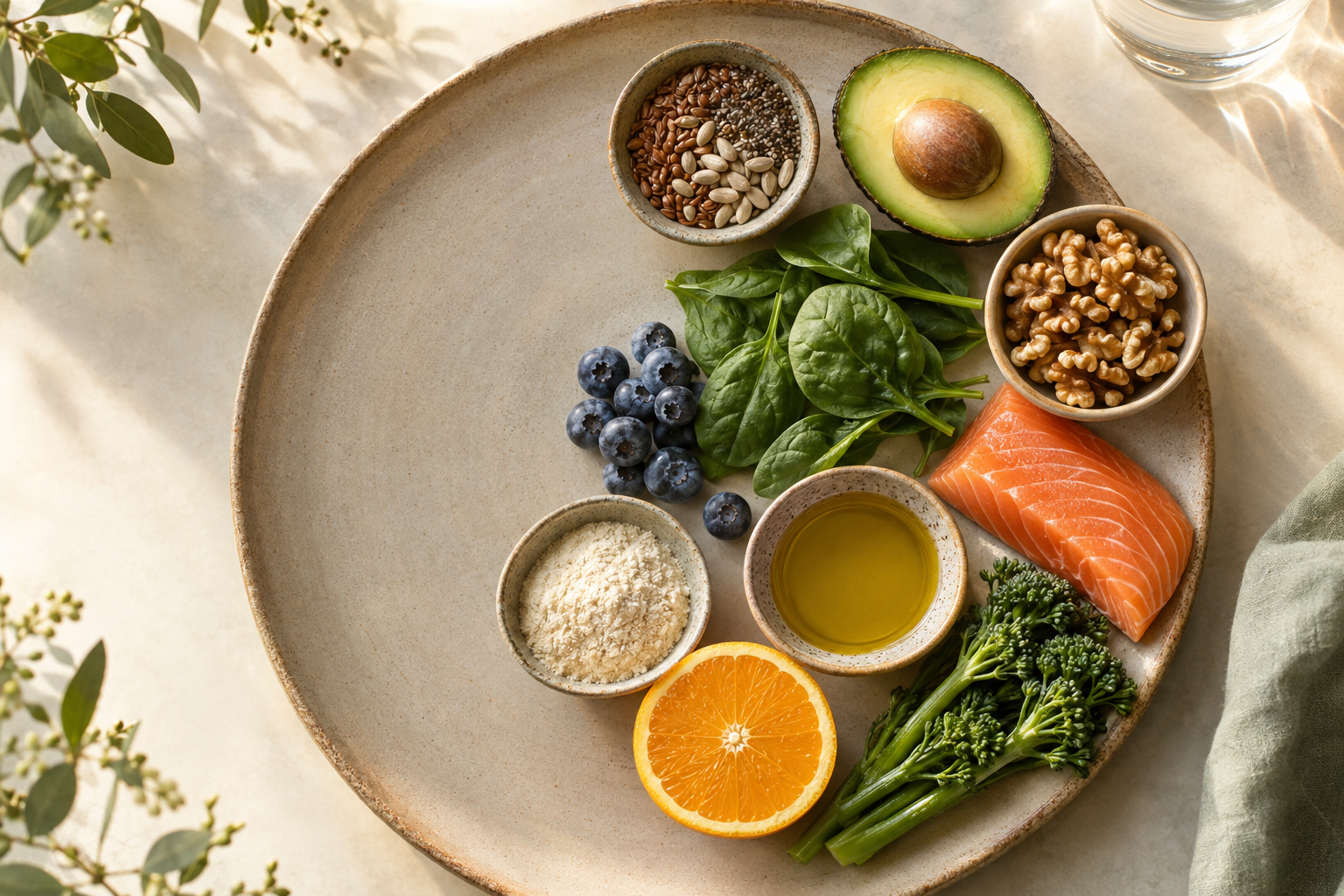
Your largest meal typically contains the most fat, making it ideal for CoQ10 absorption. For most people, this is dinner — but if your breakfast includes eggs, avocado, or nuts, morning works perfectly. Consider pairing CoQ10 with high-quality omega-3 fish oil to provide the healthy fats needed for optimal absorption while supporting cardiovascular health.
Ubiquinol (the active form of CoQ10) absorbs better than ubiquinone, but both forms require fat for optimal uptake. Even 10-15 grams of fat significantly improves absorption compared to fat-free meals.
Common CoQ10 Timing Mistakes
• Taking it on an empty stomach — reduces absorption by up to 70%
• Splitting doses unnecessarily — CoQ10 has a long half-life (30+ hours), so once daily dosing works fine
• Taking it right before bed — may cause mild energy boost that disrupts sleep in sensitive individuals
• Assuming timing doesn't matter — while not critical, optimal timing enhances benefits
• Forgetting consistency — taking it at the same time daily helps maintain steady blood levels
How to Take CoQ10 for Best Results
Step 1: Choose your largest meal of the day (usually breakfast or dinner)
Step 2: Ensure the meal contains at least 10 grams of fat — eggs, nuts, olive oil, avocado, or fatty fish work well
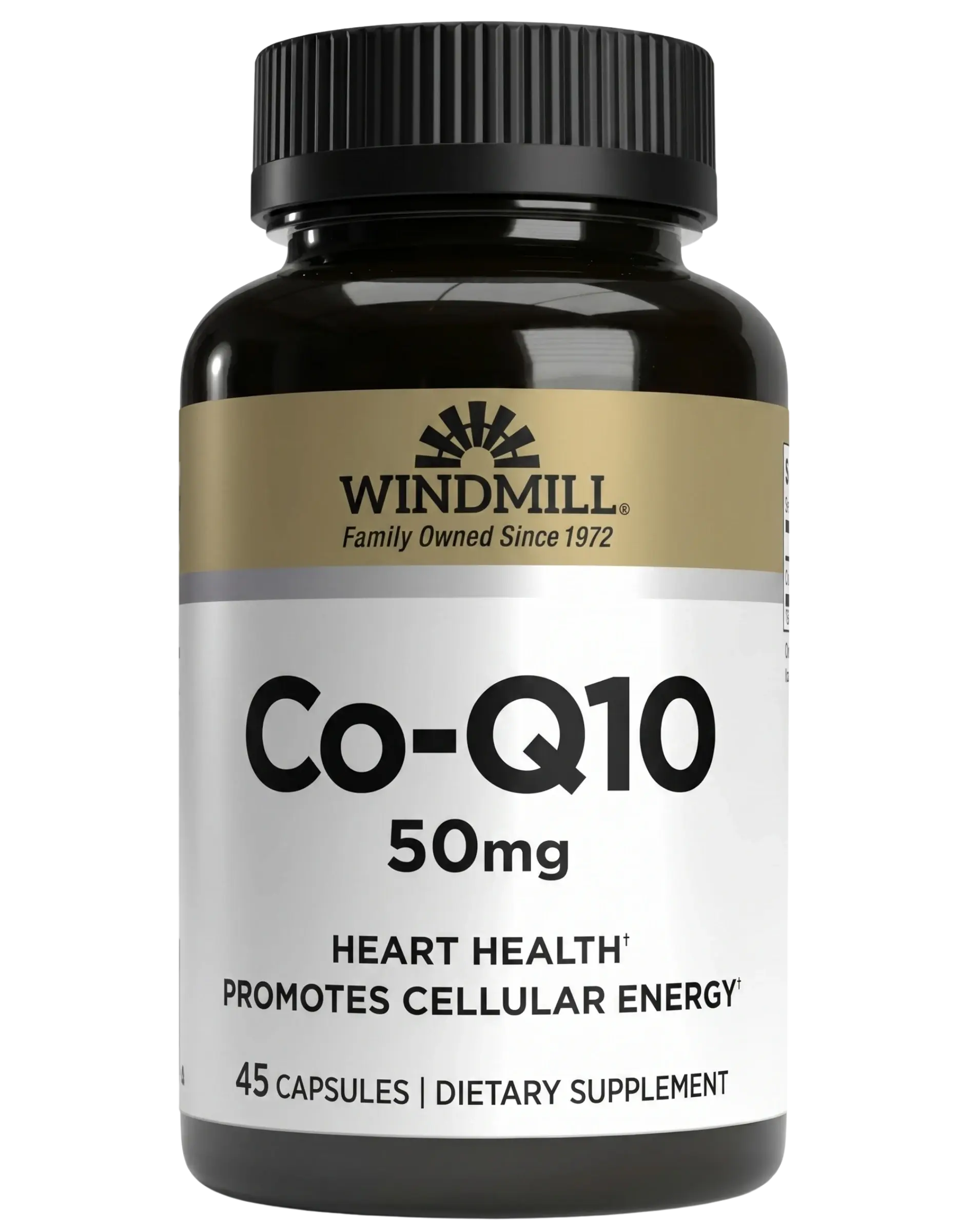
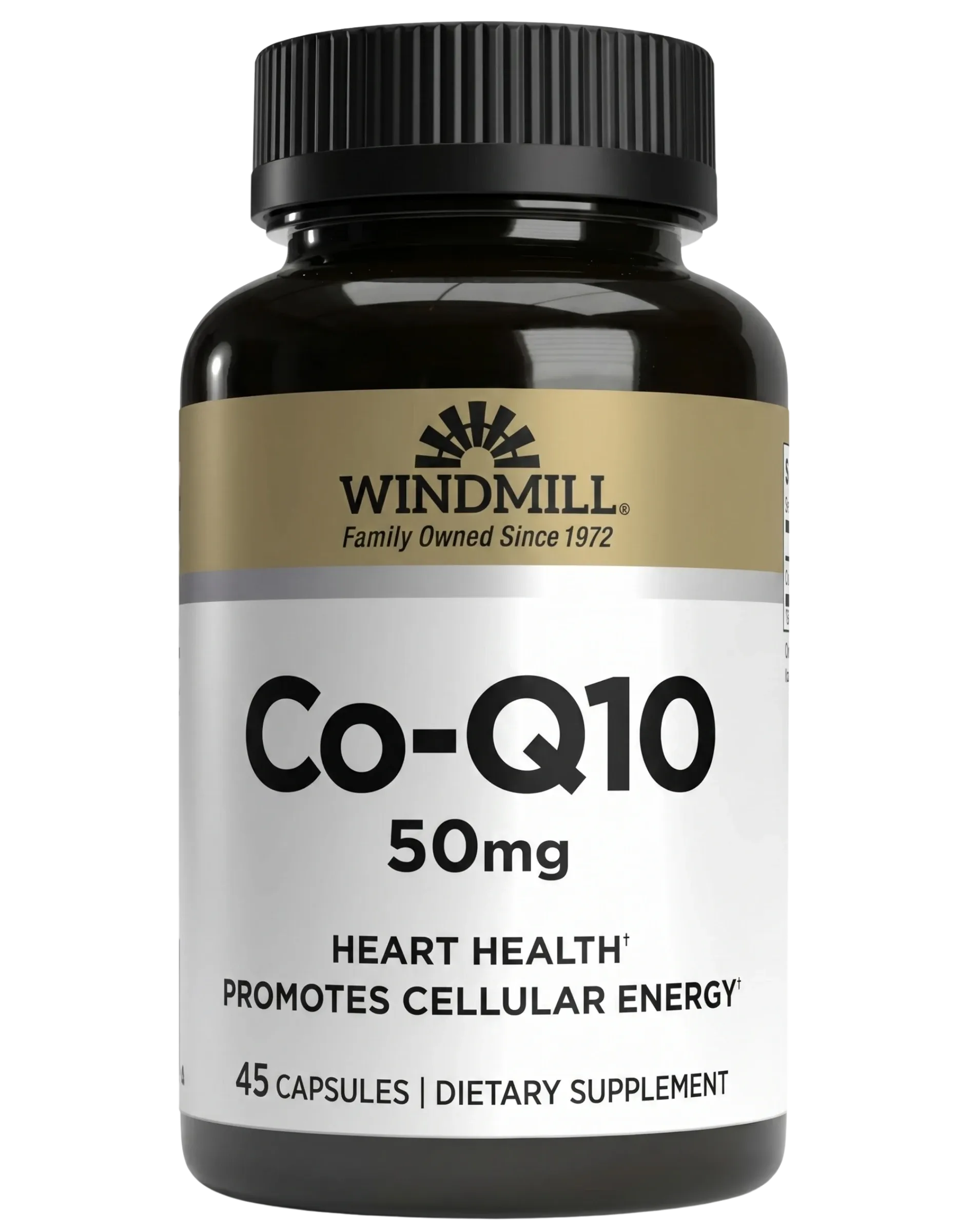
Related Product
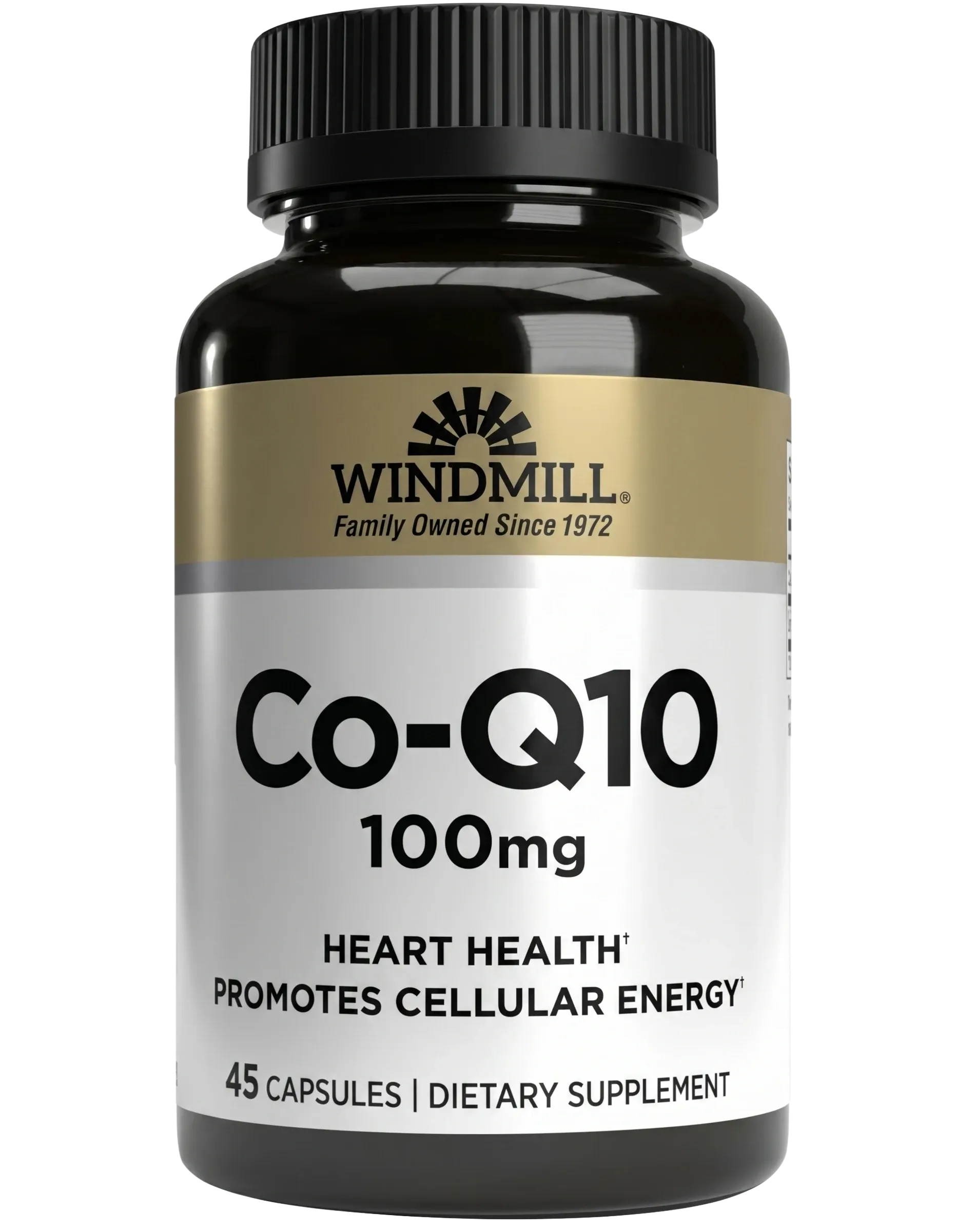
Windmill CoQ10 50mg Capsules 45ct
$11.19
Step 3: Take your full daily dose with the first few bites of the meal
Step 4: Stay consistent — same meal, same time daily
Dosage timing: Most people take 100-200mg once daily. Higher doses (300mg+) can be split between two meals, but it's not necessary for absorption. If you're taking multiple supplements, consider adding a comprehensive multivitamin to ensure you're getting essential nutrients that work synergistically with CoQ10.
With medications: If you take blood thinners, space CoQ10 at least 2 hours apart and monitor with your doctor.
Frequently Asked Questions
Q: Can I take CoQ10 with my other supplements?
A: Yes, CoQ10 pairs well with most supplements. It actually enhances vitamin E absorption and works synergistically with omega-3 fatty acids for heart health.
Q: What if I forget to take it with food?
A: Take it with your next meal rather than on an empty stomach. Skipping one day won't impact your CoQ10 levels significantly due to its long half-life.
Q: Does the form of CoQ10 affect timing recommendations?
Never run out.
Subscribe to any product and save 10% on every order. Pause or cancel anytime.
Subscribe & Save 10%A: No — both ubiquinol and ubiquinone follow the same timing guidelines. Ubiquinol absorbs slightly better but both need fat for optimal uptake.
Find the Right CoQ10 at Moore Vitamins
Our CoQ10 Ubiquinol 100mg provides the active form your body uses directly, while our CoQ10 200mg Softgels offer higher potency in an easy-to-absorb oil-based capsule.
Both ship same-day and qualify for our Subscribe & Save program — because consistency matters for CoQ10 benefits. Like our vitamin C guide shows, proper timing and dosing make all the difference in supplement effectiveness. Browse our full collection of heart health and energy support supplements to create your optimal wellness routine.
Shop the Products Mentioned
Never miss a dose.
Evidence-based wellness guides like this one, in your inbox. No hype, no spam — unsubscribe anytime.