How Much Vitamin C Should You Take Daily? A Complete Guide to Optimal Intake
Understanding Daily Vitamin C Requirements
Vitamin C, also known as ascorbic acid, is an essential water-soluble vitamin that supports numerous bodily functions source. Since our bodies cannot produce vitamin C naturally, we must obtain it through diet or supplementation. Understanding how much vitamin C you need daily can help you maintain optimal health and support your immune system effectively.
The Recommended Daily Allowance (RDA) for vitamin C varies by age, gender, and life circumstances. For most healthy adults, the RDA is 90 mg per day for men and 75 mg per day for women source. However, these baseline recommendations may not reflect optimal intake levels for everyone, which is why many people choose our Vitamin C 500mg Immune Support to ensure adequate daily intake.
Factors That Influence Your Vitamin C Needs
Age and Life Stage
Your vitamin C requirements change throughout life. Children need less than adults, with recommendations ranging from 15-75 mg daily depending on age. For younger family members, a chewable vitamin C supplement can make daily supplementation more enjoyable and convenient. Pregnant women require 85 mg daily, while breastfeeding mothers need 120 mg to support both their health and their baby's development.
Lifestyle Factors
Several lifestyle choices can increase your vitamin C needs:
- Smoking: Smokers require an additional 35 mg daily due to increased oxidative stress source
- Physical stress: Intense exercise or physical labor may increase requirements
- Environmental exposure: Pollution and UV radiation can deplete vitamin C levels
- Alcohol consumption: Regular alcohol intake may interfere with vitamin C absorption
Health Considerations
Certain health conditions or medications may affect how much vitamin C your body needs or can absorb. Always consult with a healthcare provider if you have specific health concerns or take medications that might interact with vitamin C supplementation.
Signs You May Need More Vitamin C
While severe vitamin C deficiency is rare in developed countries, suboptimal levels are more common than you might think. Your body may benefit from increased vitamin C intake if you experience:
- Frequent minor illnesses
- Slow wound healing
- Fatigue or low energy
- Dry, rough skin
- Easy bruising
- Joint discomfort
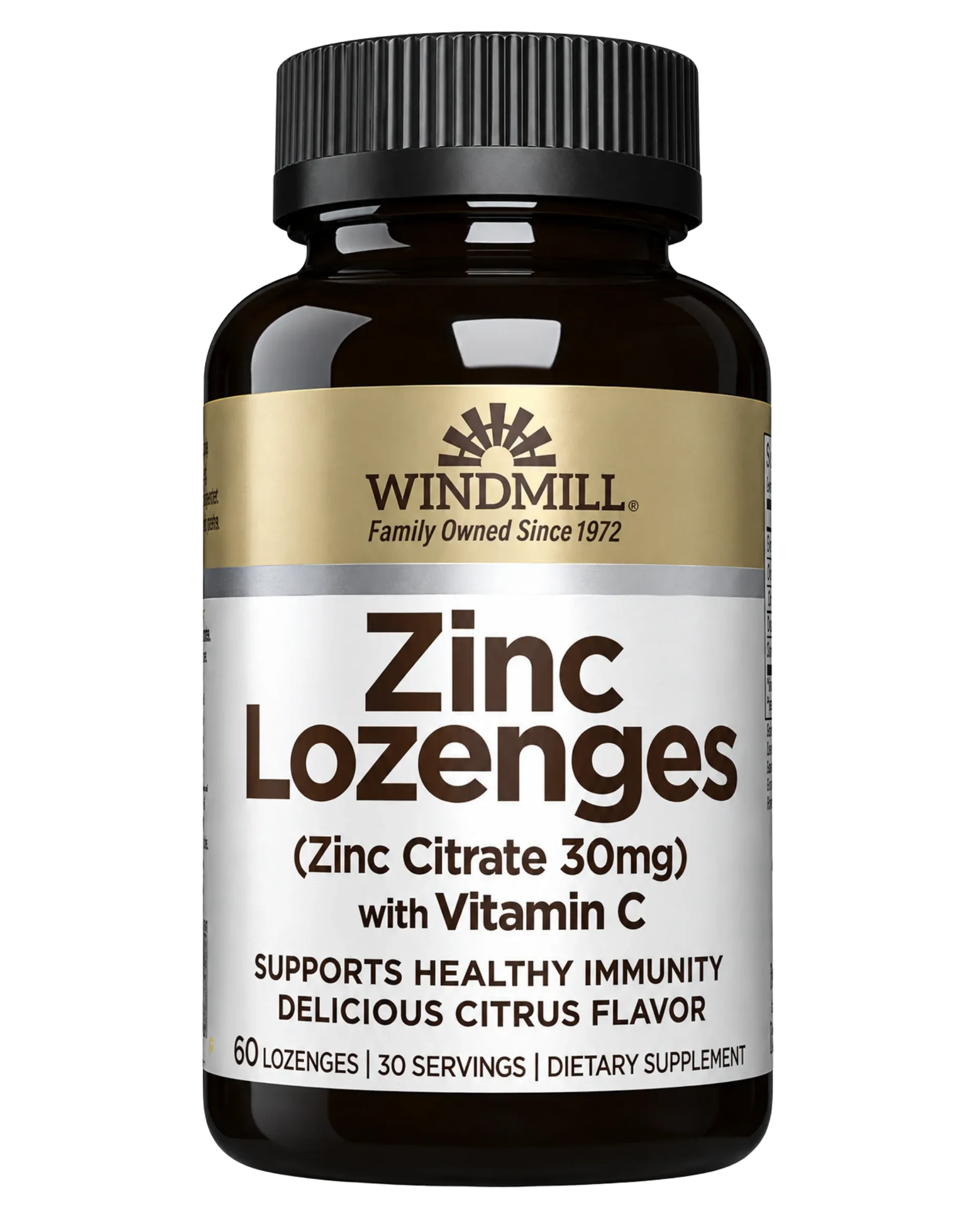
For enhanced immune support during challenging times, consider zinc and vitamin C lozenges that combine two powerful immune-supporting nutrients.
Safe Upper Limits and Considerations
The tolerable upper intake level for vitamin C is 2,000 mg daily for adults source. Since vitamin C is water-soluble, excess amounts are typically excreted through urine rather than stored in the body. However, extremely high doses may cause digestive discomfort, including:
- Nausea
- Diarrhea
- Stomach cramps
- Headaches
Most people can safely take 500-1,000 mg of vitamin C daily without experiencing adverse effects. This amount significantly exceeds the RDA and may provide enhanced immune support benefits.
Timing and Absorption Optimization
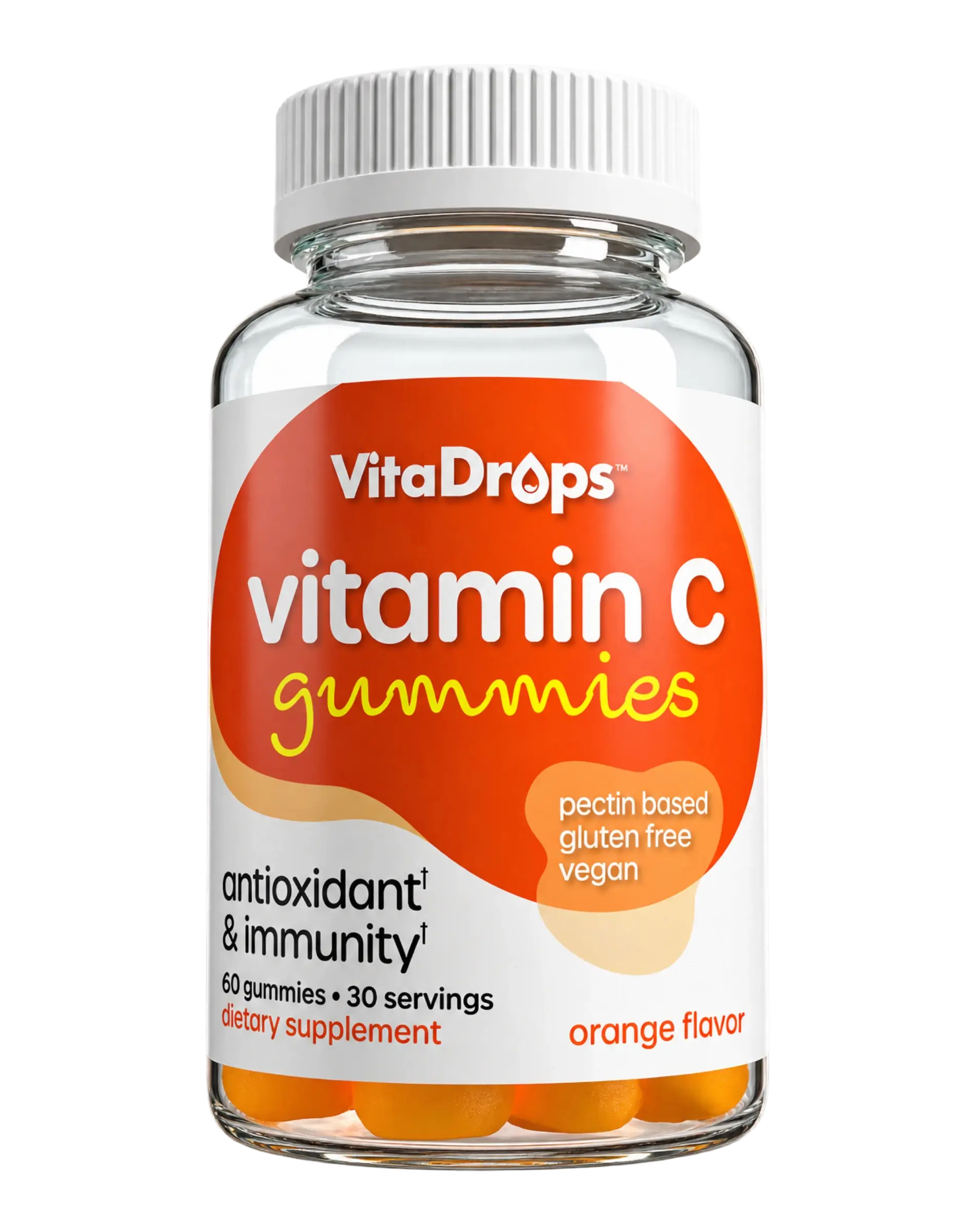
Related Product
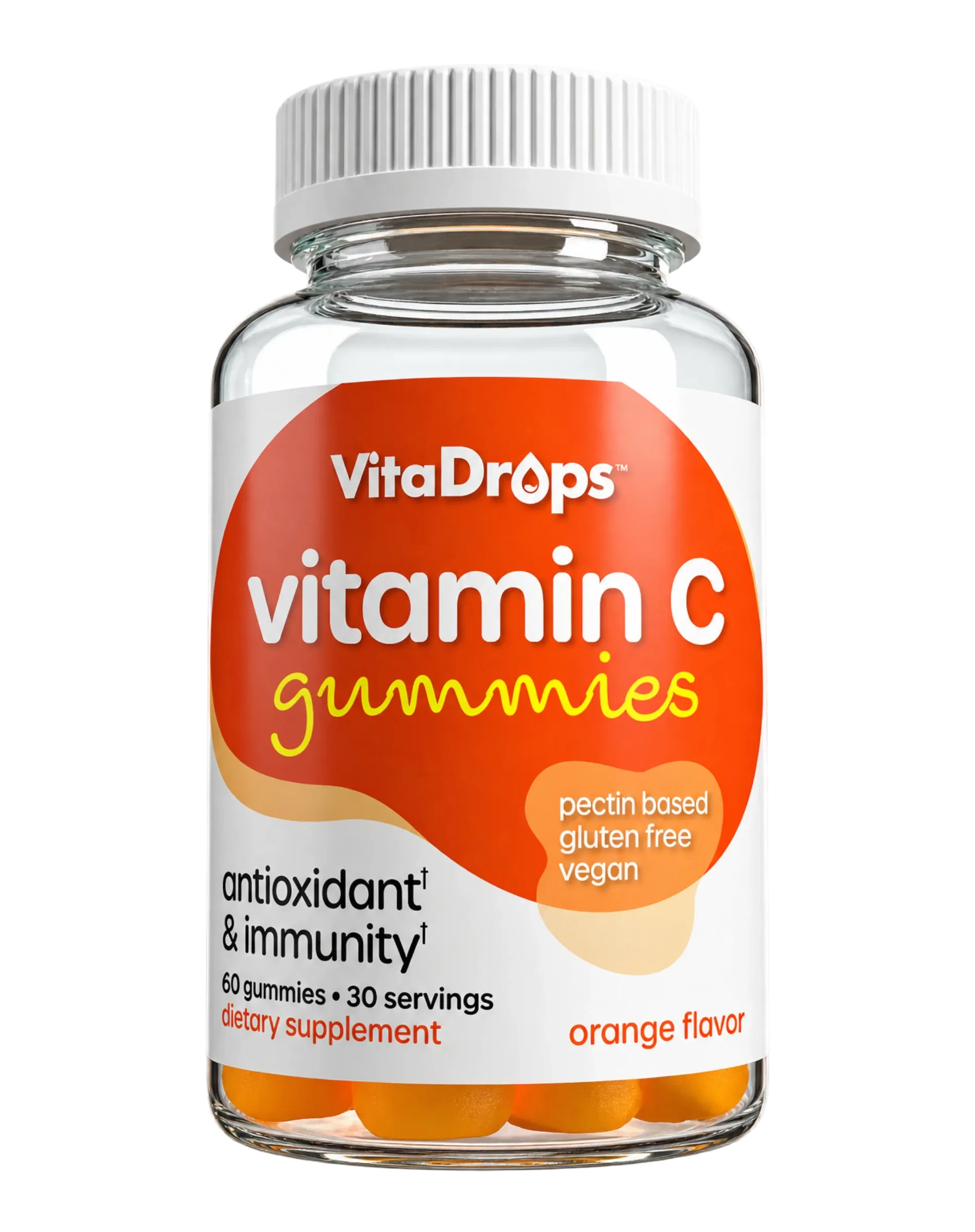
VitaDrops Vitamin C 250 mg Orange Flavor Gummies 60ct
$9.99
Best Times to Take Vitamin C
For optimal absorption, consider splitting your vitamin C intake throughout the day. Taking smaller doses (250-500 mg) twice daily may be more effective than one large dose, as your body can only absorb a limited amount at one time.
Enhancing Absorption
Several factors can improve vitamin C absorption:
- Take with food to reduce stomach irritation
- Combine with bioflavonoids, which may enhance utilization
- Avoid taking with iron supplements unless directed by a healthcare provider
- Stay hydrated to support proper vitamin transport
Food Sources vs. Supplementation
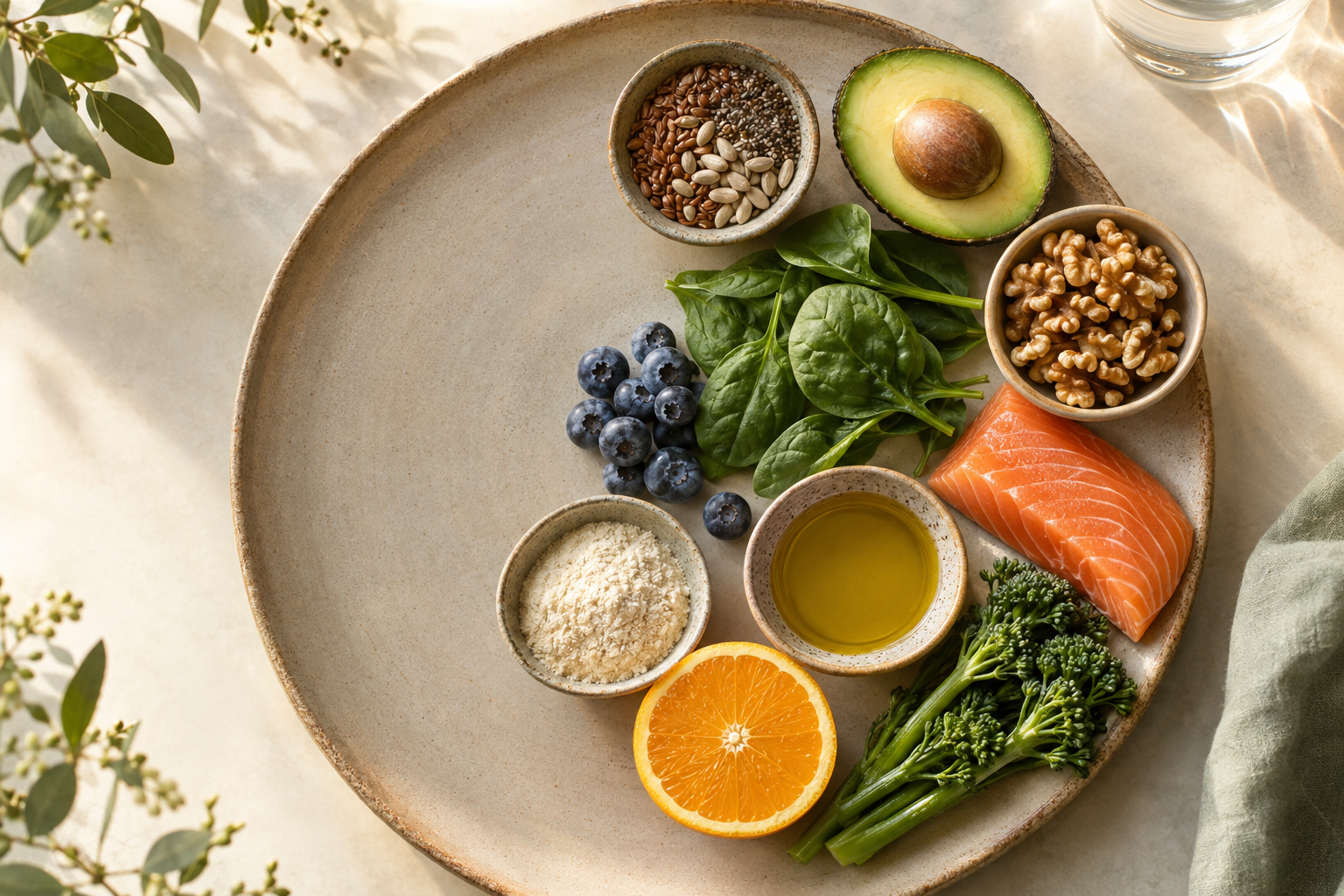
While whole foods provide vitamin C along with other beneficial compounds, supplementation can help ensure consistent daily intake. Excellent food sources include:
- Citrus fruits
- Bell peppers
- Strawberries
- Broccoli
- Brussels sprouts
- Kiwi fruit
- Cantaloupe
Never run out.
Subscribe to any product and save 10% on every order. Pause or cancel anytime.
Subscribe & Save 10%However, vitamin C is sensitive to heat, light, and air exposure, which can reduce the vitamin content in foods during storage and cooking.
Finding Your Optimal Daily Amount
Determining your ideal vitamin C intake depends on your individual circumstances, health goals, and lifestyle factors. Many health-conscious individuals find that 500-1,000 mg daily supports their wellness objectives while remaining well within safe limits.
Consider starting with a moderate dose and adjusting based on how you feel. Pay attention to your energy levels, immune function, and overall well-being as indicators of whether your current intake is meeting your needs. You can browse our full collection of vitamin C supplements to find the format and dosage that works best for your lifestyle.
Supporting Your Daily Vitamin C Goals
Maintaining consistent vitamin C levels is key to supporting your immune system and overall health. Whether through diet, supplementation, or a combination of both, ensuring adequate daily intake can be a valuable part of your wellness routine.
For a high-quality vitamin C supplement that supports your daily wellness goals, consider Vitamin C 500mg Immune Support. This carefully formulated supplement provides optimal vitamin C levels to help support your immune system and overall health as part of a balanced lifestyle.
Shop the Products Mentioned
- Vitamin C 500mg Immune Support - Our premium vitamin C supplement for daily immune support
- Vitamin C 250mg Chewable - Perfect for those who prefer chewable supplements or have younger family members
- Zinc & Vitamin C Lozenges - Convenient lozenges combining zinc and vitamin C for enhanced immune support
Never miss a dose.
Evidence-based wellness guides like this one, in your inbox. No hype, no spam — unsubscribe anytime.