How Long Does It Take for Probiotics to Work? Timeline & What to Expect
Quick Answer: Most people notice digestive improvements within 2-4 weeks of consistent probiotic use. You may see initial changes in 3-7 days, but full benefits typically develop over 8-12 weeks as your gut microbiome rebalances.
How Long Does It Take for Probiotics to Work?
Probiotics work on different timelines depending on your specific goals. For basic digestive comfort, research suggests most people experience improvements within 14-28 days of daily use. However, your gut microbiome is unique — factors like your current bacterial balance, diet, stress levels, and the specific probiotic strains you're taking all influence timing.
The most dramatic changes typically occur in the first month. Studies show that beneficial bacteria begin colonizing your intestines within 24-72 hours, but it takes 2-4 weeks for these new populations to establish themselves and start producing meaningful effects.
For deeper microbiome rebalancing and immune support benefits, allow 8-12 weeks of consistent use. This extended timeline allows your gut bacteria to fully adapt and for the downstream effects on inflammation and immune function to develop.
Timeline Breakdown by Benefit
Digestive Comfort (3-14 days)
Bloating reduction and improved regularity often appear first. Research indicates that specific strains like Bifidobacterium lactis may reduce bloating within one week of use.
Mood and Energy Support (2-6 weeks)
The gut-brain connection means mood improvements typically follow digestive changes. Studies on Lactobacillus helveticus show anxiety reduction after 30 days of supplementation.
Immune Function (6-12 weeks)
Immune benefits take longest to develop. Your gut houses 70% of your immune system, so meaningful immune support requires time for bacterial populations to fully establish and communicate with immune cells.
Antibiotic Recovery (1-8 weeks)
If you're taking probiotics after antibiotics, initial recolonization happens quickly (3-7 days), but full microbiome recovery may take 4-8 weeks depending on the antibiotic type and duration.
Common Mistakes That Delay Results
• Inconsistent dosing — Taking probiotics sporadically prevents bacterial colonization. Daily use is essential.
• Wrong storage — Heat and moisture kill probiotic bacteria. Store in a cool, dry place or refrigerate if specified.
• Taking with hot beverages — Temperatures above 115°F destroy live cultures. Take with room temperature water.
• Expecting overnight results — Microbiome changes are gradual. Stopping after one week means missing the real benefits.
• Ignoring CFU count — Products with less than 1 billion CFUs rarely provide therapeutic benefits. Look for 10-50 billion CFUs for optimal results.
Related Product
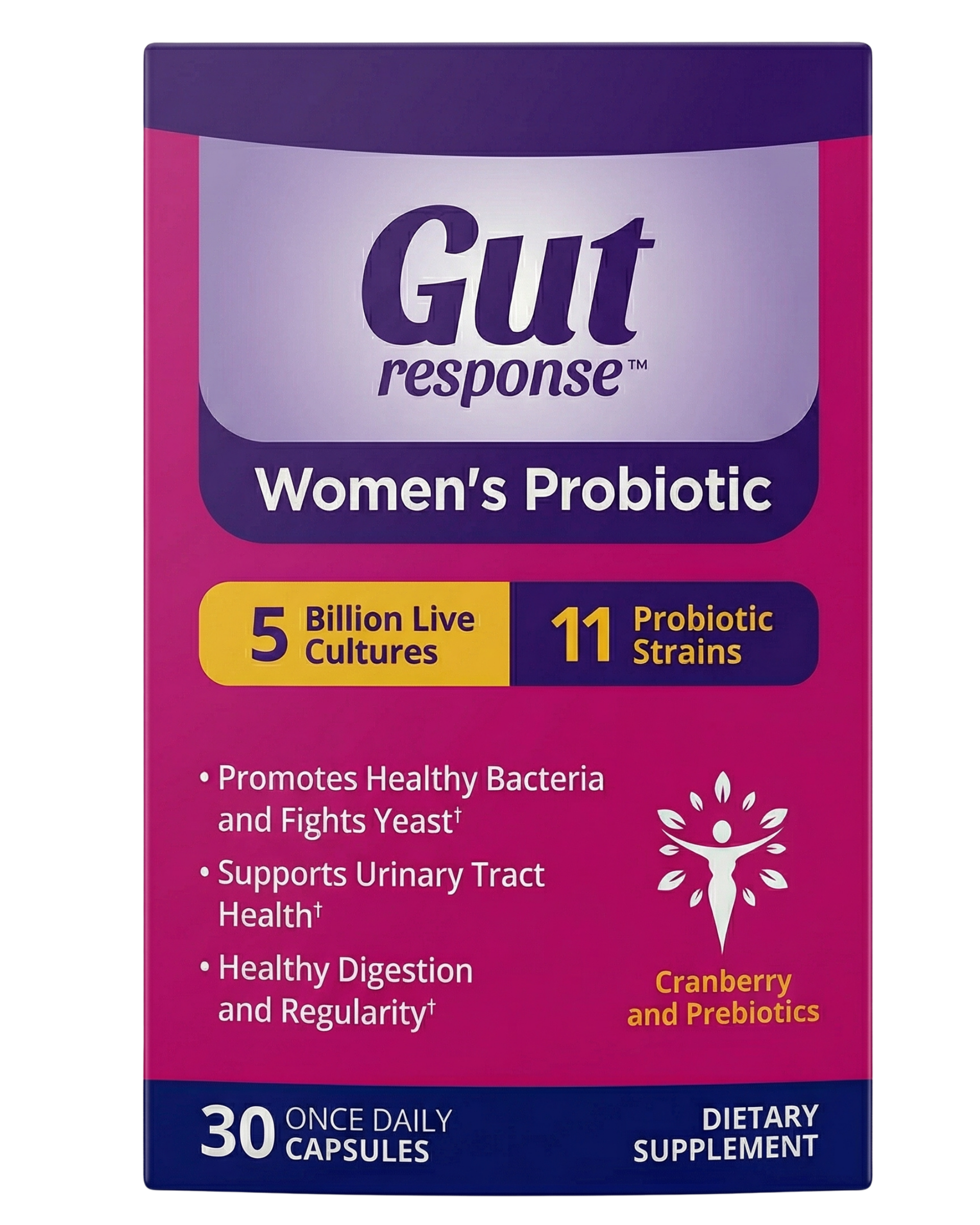
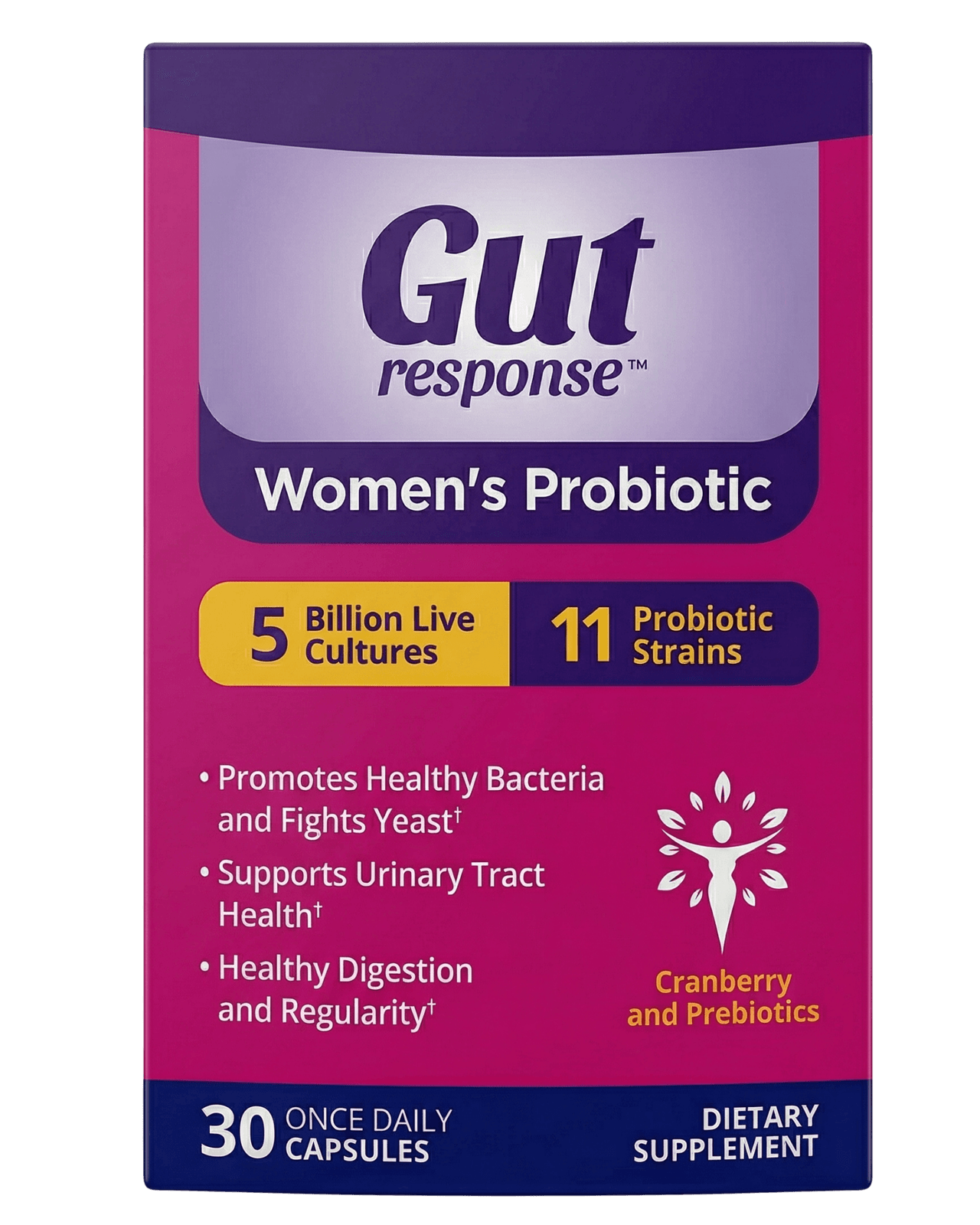
Gut Response Women's Probiotic Digestive Health Capsules 30ct
$9.99
• Not addressing diet — Processed foods and excess sugar feed harmful bacteria, working against your probiotic efforts.
How to Maximize Probiotic Effectiveness
Take at the optimal time: Research suggests taking probiotics with or just before meals improves bacterial survival through stomach acid by up to 42%.
Choose the right strains: Different strains provide different benefits. Lactobacillus rhamnosus GG excels for digestive health, while Bifidobacterium longum supports mood regulation.
Support with prebiotics: Fiber-rich foods like garlic, onions, and bananas feed beneficial bacteria. Consider a prebiotic supplement containing inulin or FOS.
Stay consistent: Mark your calendar for the same time daily. Morning with breakfast works well for most people and creates a sustainable routine.
Track your progress: Note changes in digestion, energy, and mood weekly. This helps identify which benefits appear first for your body.
Avoid interference: Separate probiotic doses from antibiotics by 2-3 hours. Don't take with alcohol, which disrupts gut bacteria balance.
Frequently Asked Questions
Never run out.
Subscribe to any product and save 10% on every order. Pause or cancel anytime.
Subscribe & Save 10%Q: Can I take probiotics if I'm not seeing results after 4 weeks?
A: Yes, continue for 8-12 weeks total. Some people need longer for full microbiome rebalancing. Consider switching strains if you see zero improvement after 6 weeks.
Q: Do I need to take probiotics forever to maintain benefits?
A: Most benefits persist for 1-2 weeks after stopping, but long-term use provides sustained support. Many people take probiotics as part of their daily wellness routine.
Q: Should I increase my dose if probiotics aren't working fast enough?
A: Stick to recommended doses. Higher CFU counts don't necessarily work faster and may cause digestive upset. Focus on consistency and strain selection instead.
Find the Right Probiotic at Moore Vitamins
Our Advanced Probiotic Complex contains 50 billion CFUs across 12 clinically studied strains, including Lactobacillus rhamnosus GG and Bifidobacterium longum. For antibiotic recovery, try our Restore & Rebuild Probiotic with targeted strains for rapid recolonization.
All probiotics ship with same-day fulfillment and cold-pack protection. Save 15% with Subscribe & Save for consistent daily support.
Never miss a dose.
Evidence-based wellness guides like this one, in your inbox. No hype, no spam — unsubscribe anytime.