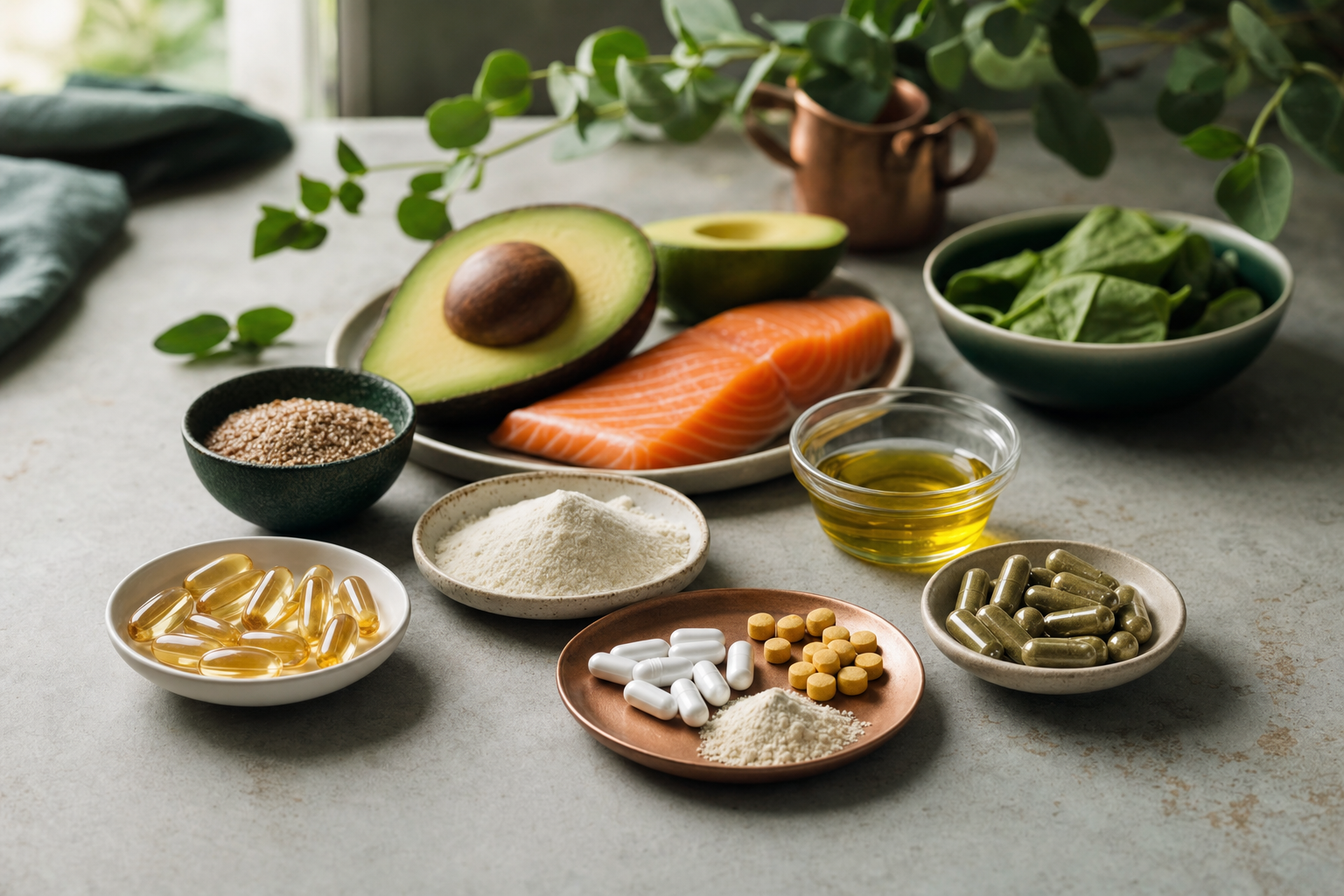
Fat, Fiber, or Empty Stomach? The Science of Which Supplements Need Food (and Which Don't)
> Quick Answer:
> Swallowing every supplement with the same glass of water and a slice of toast is quietly wasting your money — because absorption varies by up to 300% depending on what you pair them with. Fat-soluble vitamins (A, D, E, K) absorb up to 32% better when taken with your highest-fat meal of the day. Water-soluble vitamins like C and the B complex don't need food at all — though food reduces the nausea some people feel. Magnesium and iron compete for the same absorption pathway, so they should never be taken together. Probiotics survive stomach acid best when taken 30 minutes before a meal, not after. If you take multiple supplements daily, the pairing rules below will determine how much of each one your body actually uses — and how much you're simply excreting.
Which Supplements Need Food to Absorb Properly?
The critical dividing line is fat-solubility. Your body can only absorb fat-soluble compounds when dietary fat is present in your digestive tract — because fat triggers bile release, and bile is what carries these molecules through your intestinal wall.
Fat-soluble vitamins require a meal with fat:
- Vitamin D: A 2015 study of 17 participants found absorption increased by 32–57% when vitamin D was taken with the highest-fat meal of the day compared to a low-fat or no-fat meal.
- Vitamin K: Especially K2 (MK-7), which has a much longer half-life and depends heavily on dietary fat for transport.
- Vitamin A and Vitamin E: Both classified as fat-soluble; NIH Office of Dietary Supplements confirms vitamin E bioavailability drops significantly in the absence of fat.
Minerals are more nuanced. Magnesium, zinc, and calcium absorb adequately with or without food, but food can reduce the GI discomfort that higher doses sometimes cause. Iron is the exception — it absorbs best on an empty stomach with vitamin C, but causes significant nausea for many people, making a small amount of food a practical compromise.
The Most Important Pairing Rules by Supplement Type
Here's the actionable breakdown. Each rule is based on known absorption mechanisms, not general wellness advice.
Take WITH your fattiest meal:
- Vitamin D3
- Vitamin K2
- Vitamin A (retinol)
- Vitamin E
- CoQ10 (ubiquinol form especially)
- Curcumin / turmeric extracts
Take WITH food (any meal — for comfort or moderate absorption benefit):
- Magnesium (glycinate, citrate, malate)
- Zinc (can cause nausea on empty stomach)
- B-complex (riboflavin/B2 absorbs better with food; others are neutral)
- Iron — if GI-sensitive (pair with vitamin C, not calcium)
Take ON AN EMPTY STOMACH or 30 min before eating:
- Probiotics (stomach acid is lower before meals, improving survival rate to the gut)
- Certain amino acids like L-glutamine and L-tyrosine (compete with dietary amino acids for transport)
- Some adaptogenic herbs where rapid absorption matters
Take AWAY FROM each other:
- Calcium + Iron: Calcium blocks iron absorption — separate by at least 2 hours
- Zinc + Copper: High-dose zinc depletes copper over time; many formulas include both for this reason
- Magnesium + Iron: Compete at the same intestinal transporter; peer-reviewed research on mineral absorption competition shows meaningful reduction when co-administered
Common Mistakes People Make With Supplement Timing
Most people take all their supplements at once in the morning with breakfast. That's better than nothing — but it's leaving real absorption gains on the table.
- Taking fat-solubles with a low-fat breakfast. A bowl of plain oatmeal with skim milk won't meaningfully trigger bile release. Add a tablespoon of nut butter or take these with dinner instead.
- Taking probiotics after a meal. Post-meal stomach acid is at its peak. Probiotics taken then face significantly higher die-off before reaching the colon. Thirty minutes before eating is the established window.
- Taking iron with coffee or tea. Polyphenols in both drinks bind to iron and reduce non-heme iron absorption by up to 60–90%. Always separate iron from tea, coffee, and high-tannin foods by at least one hour.
- Taking calcium in one large dose. Your intestinal calcium transporters saturate around 500 mg. Taking 1,000 mg at once doesn't double the benefit — splitting into two doses does. The NIH Office of Dietary Supplements calcium fact sheet confirms absorption efficiency drops sharply above this threshold.
- Ignoring fiber timing with certain minerals. High-fiber foods can bind to zinc and magnesium (via phytates). If your meal is very high in whole grains or legumes, mineral supplements may absorb more efficiently if taken 1–2 hours after, not during.
Related Product
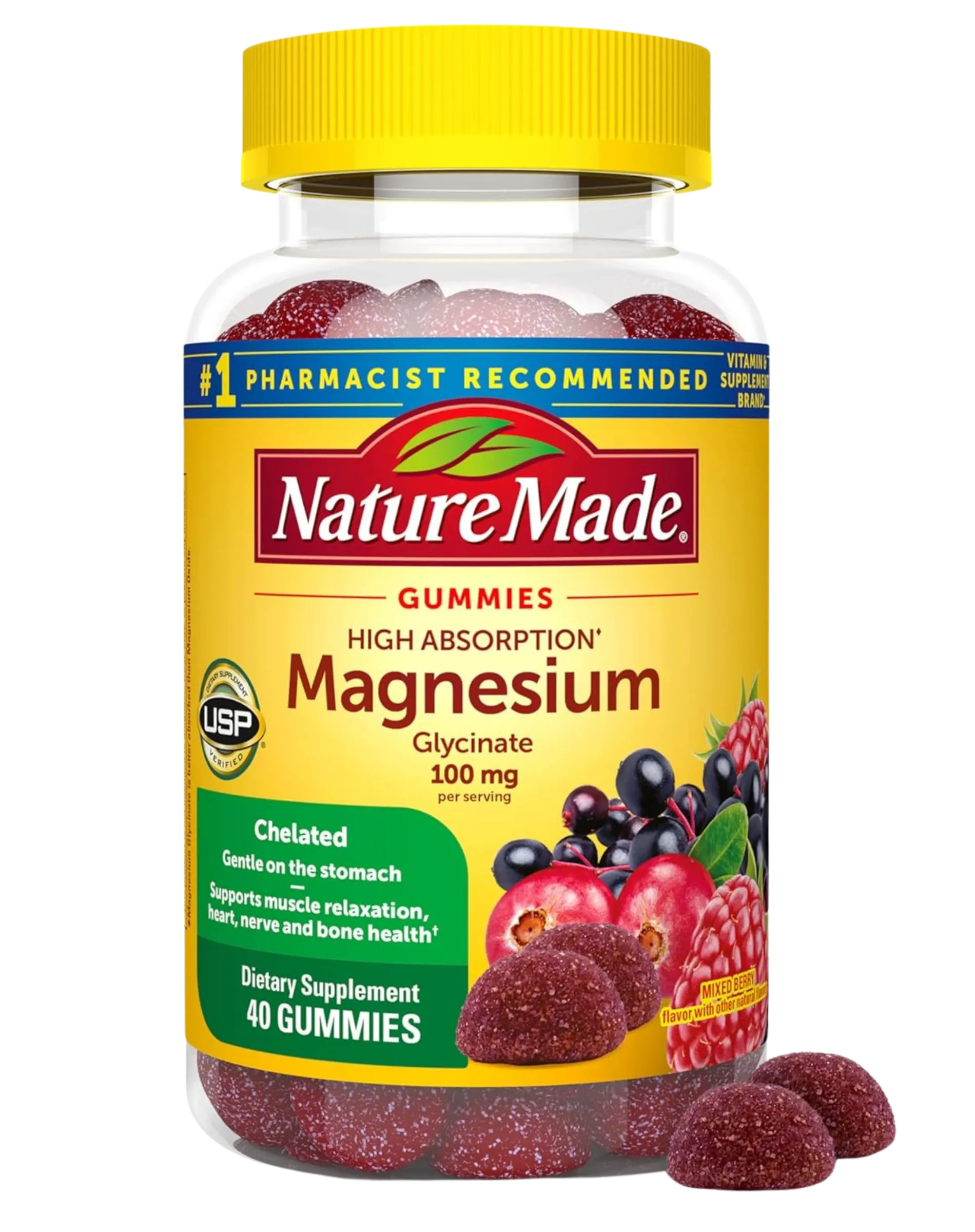
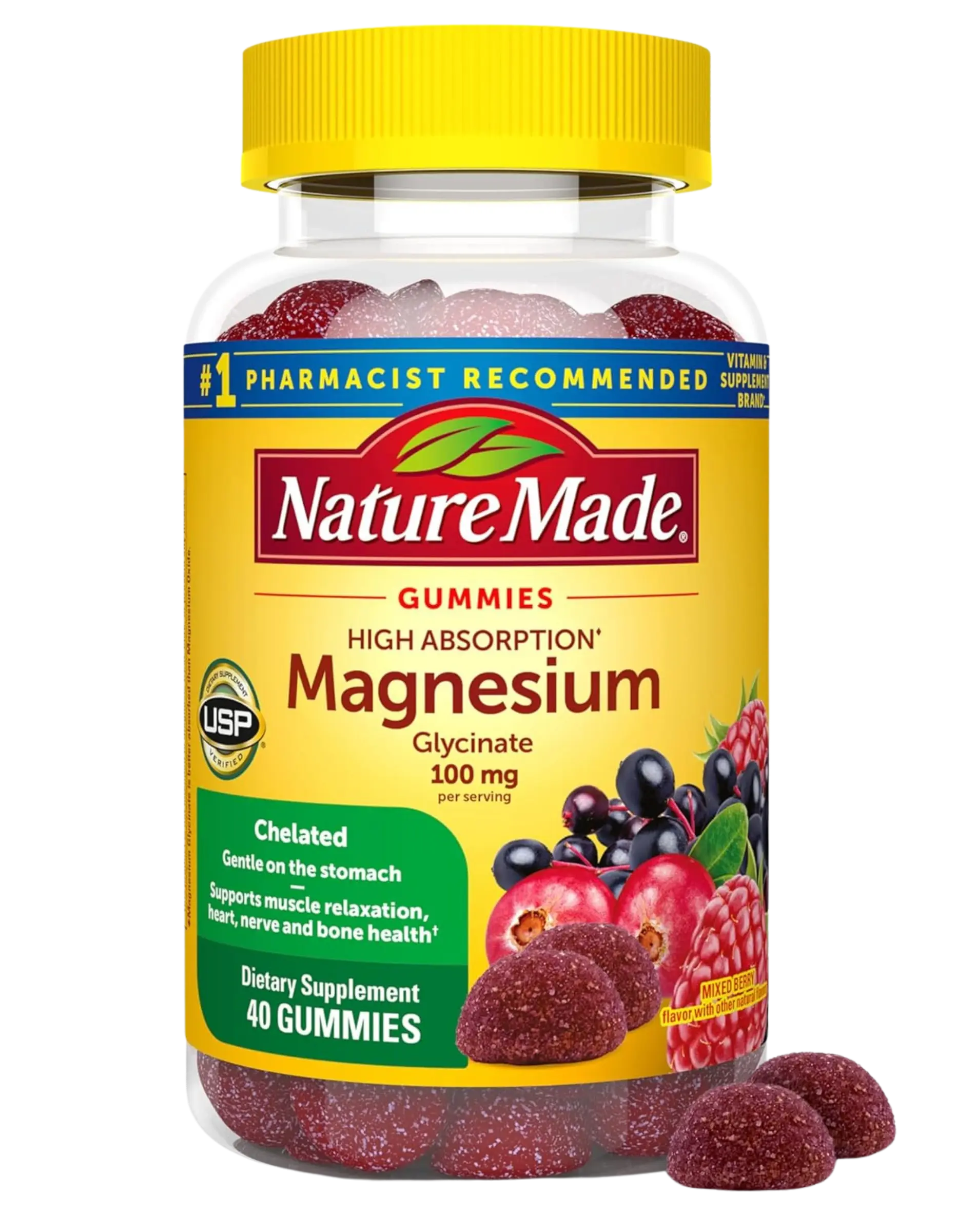
Nature Made Magnesium Glycinate High Absorption Gummies 40ct
$14.99
How to Build a Practical Supplement Schedule That Actually Works
You don't need to overhaul your entire routine. A few deliberate shifts make the biggest difference.
Step 1 — Sort your supplements into three groups:
- Fat-soluble (vitamins D, K, A, E, CoQ10, curcumin) → assign to your largest meal
- Comfort-with-food (magnesium, zinc, B-complex) → any meal, same time daily for consistency
- Empty-stomach or pre-meal (probiotics, specific amino acids) → 30 minutes before a meal
Step 2 — Identify your highest-fat meal.
For most people this is dinner. If you typically have eggs and avocado at breakfast, that works too. Consistency matters more than perfection.
Step 3 — Separate your antagonists.
If you take both iron and calcium, one goes with breakfast and the other with dinner. Write it down the first week until it becomes automatic.
Step 4 — Use a whole-food base when you can.
Powdered superfood blends that pair greens, antioxidants, and fiber work well as a pre-meal or with-meal base — they provide natural cofactors that support nutrient metabolism. The key is keeping them in their own slot rather than stacking everything on top of a single meal.
Step 5 — Audit in 4 weeks.
If you were previously taking fat-soluble vitamins without fat, give your body 30 days on the new schedule. Many people notice a measurable difference in energy and immune resilience simply from correcting timing — no new supplements needed. Research on vitamin D absorption and meal fat content supports this as one of the highest-ROI adjustments you can make.
Never run out.
Subscribe to any product and save 10% on your first order, 5% after. Pause or cancel anytime.
Subscribe & Save 10%Frequently Asked Questions
Q: Does it matter if I take supplements with a hot or cold meal?
A: Temperature of the meal has no meaningful effect on supplement absorption. What matters is the macronutrient content — specifically fat for fat-soluble vitamins and the absence of competing minerals like calcium and iron.
Q: Can I take my entire day's supplements at breakfast to simplify my routine?
A: You can, and it's better than skipping. But you'll lose meaningful absorption on fat-solubles if breakfast is low-fat, and probiotics survive better before meals. Splitting into two groups — morning and evening — takes 30 seconds and makes a real difference.
Q: Does drinking a lot of water with supplements help or hurt absorption?
A: For most supplements, 8 oz of water is sufficient and helps tablet dissolution. Excessive water (32+ oz at once) can theoretically dilute stomach acid slightly, but this is not a practical concern at normal hydration levels. The bigger variable is always the food, not the water.
Find the Right Supplement at Moore Vitamins
If you're building a meal-based supplement routine, a clean whole-food base can set the foundation before you layer in your targeted vitamins and minerals. The Country Farms Super Celery Superfood Blend Powder 11.3 oz mixes easily into water or a smoothie 20–30 minutes before a meal — making it a natural pre-meal ritual that primes digestion and pairs well with a probiotic in the same window.
Moore Vitamins offers same-day fulfillment on in-stock orders, and Subscribe & Save takes the guesswork out of restocking so your timing routine never gets interrupted.
Never miss a dose.
Evidence-based wellness guides like this one, in your inbox. No hype, no spam — unsubscribe anytime.