Best Vitamins and Nutrients That May Help Support Your Body During Spring Allergy Season
Quick Answer: The vitamins and nutrients most often used to support your body during spring allergy season are vitamin C, quercetin, vitamin D, omega-3 fatty acids, B-complex vitamins, and magnesium. Vitamin C acts as an antioxidant and may help support your body's natural histamine metabolism, while quercetin — a bioflavonoid found in onions, apples, and green tea — supports healthy mast cell function and pairs synergistically with vitamin C, which may enhance its absorption. Vitamin D supports balanced immune function, especially after low-sun winter months; omega-3 fatty acids from fish oil support the body's natural inflammatory response; and B5 and B6 may help support healthy adrenal function during environmental stress. Magnesium supports healthy respiratory function and restful sleep. For best results, start these nutrients several weeks before peak pollen season so your body can build its nutritional stores, and consult your healthcare provider before starting any new supplement.
Last updated: July 2026
Understanding Spring Allergies and Nutritional Support
As spring arrives with its beautiful blooms and warmer weather, many people find themselves dealing with seasonal discomfort from airborne allergens like pollen, grass, and tree particles. While these seasonal challenges are common, certain vitamins and nutrients may help support your body's natural defenses and overall wellness during allergy season.
Your immune system works tirelessly to maintain balance, and providing it with proper nutritional support through targeted vitamins and supplements may help you feel more comfortable as you enjoy the spring season.
Vitamin C: A Powerful Antioxidant Ally
Vitamin C is perhaps one of the most well-known nutrients for immune support. This water-soluble vitamin acts as a potent antioxidant that may help support your body's natural defenses against environmental stressors source.
Research suggests that vitamin C may help support the body's natural histamine metabolism. Since our bodies don't produce vitamin C naturally, getting adequate amounts through diet and supplementation becomes particularly important during challenging seasonal periods. Our Vitamin C 500mg Immune Support provides a potent dose to help maintain your body's natural defenses.
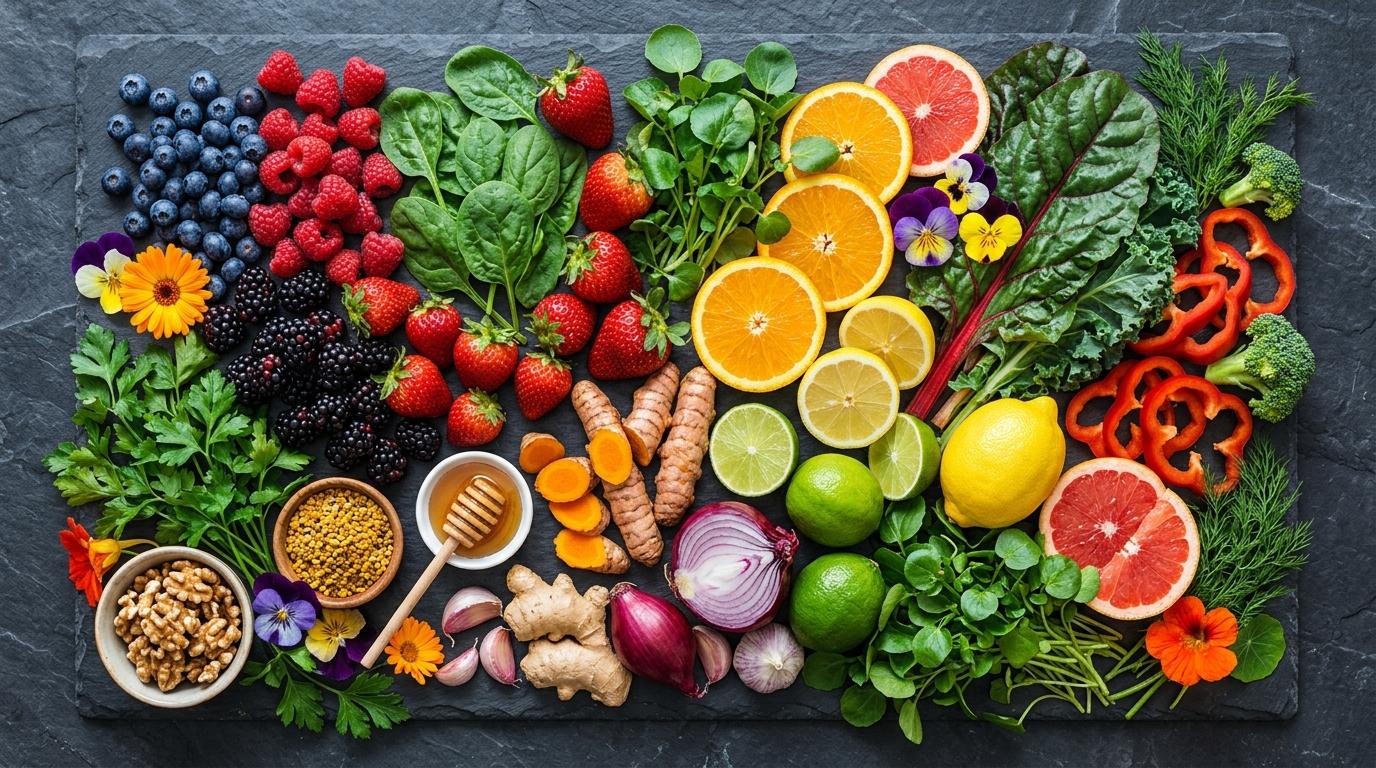
Foods rich in vitamin C include citrus fruits, berries, bell peppers, and leafy greens. However, during peak allergy season, many people find that supplementing with additional vitamin C may provide extra support for their wellness routine.
Quercetin: Nature's Bioflavonoid
Quercetin is a naturally occurring bioflavonoid found in foods like onions, apples, berries, and green tea. This powerful plant compound may help support the body's natural inflammatory response and has been studied for its potential role in seasonal wellness.
What makes quercetin particularly interesting is its potential to support healthy mast cell function. Mast cells are immune cells that release various substances, including histamine, as part of the body's natural response to allergens.
Quercetin may work synergistically with vitamin C, as vitamin C may help enhance quercetin's absorption and effectiveness in the body.
Vitamin D: The Sunshine Vitamin for Immune Support
Vitamin D plays a crucial role in supporting immune system function and may help maintain a balanced immune response source. Many people have insufficient vitamin D levels, particularly after the winter months when sun exposure is limited.
Research suggests that adequate vitamin D levels may support the body's ability to maintain healthy immune function during seasonal challenges. Since it can be difficult to get enough vitamin D from food sources alone, supplementation with our Vitamin D3 5000 IU may be beneficial for many individuals.
Omega-3 Fatty Acids: Supporting Natural Balance
Related Product
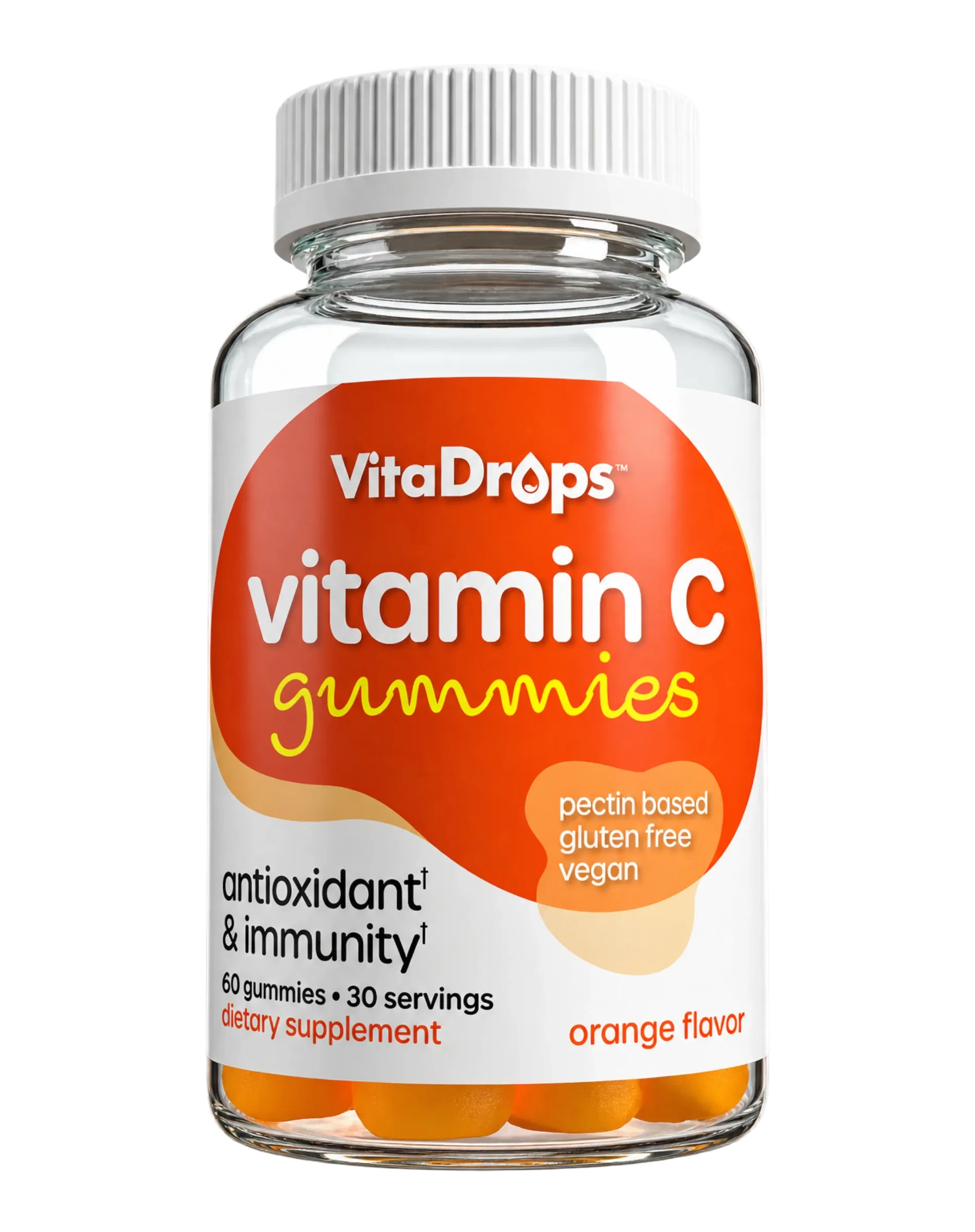
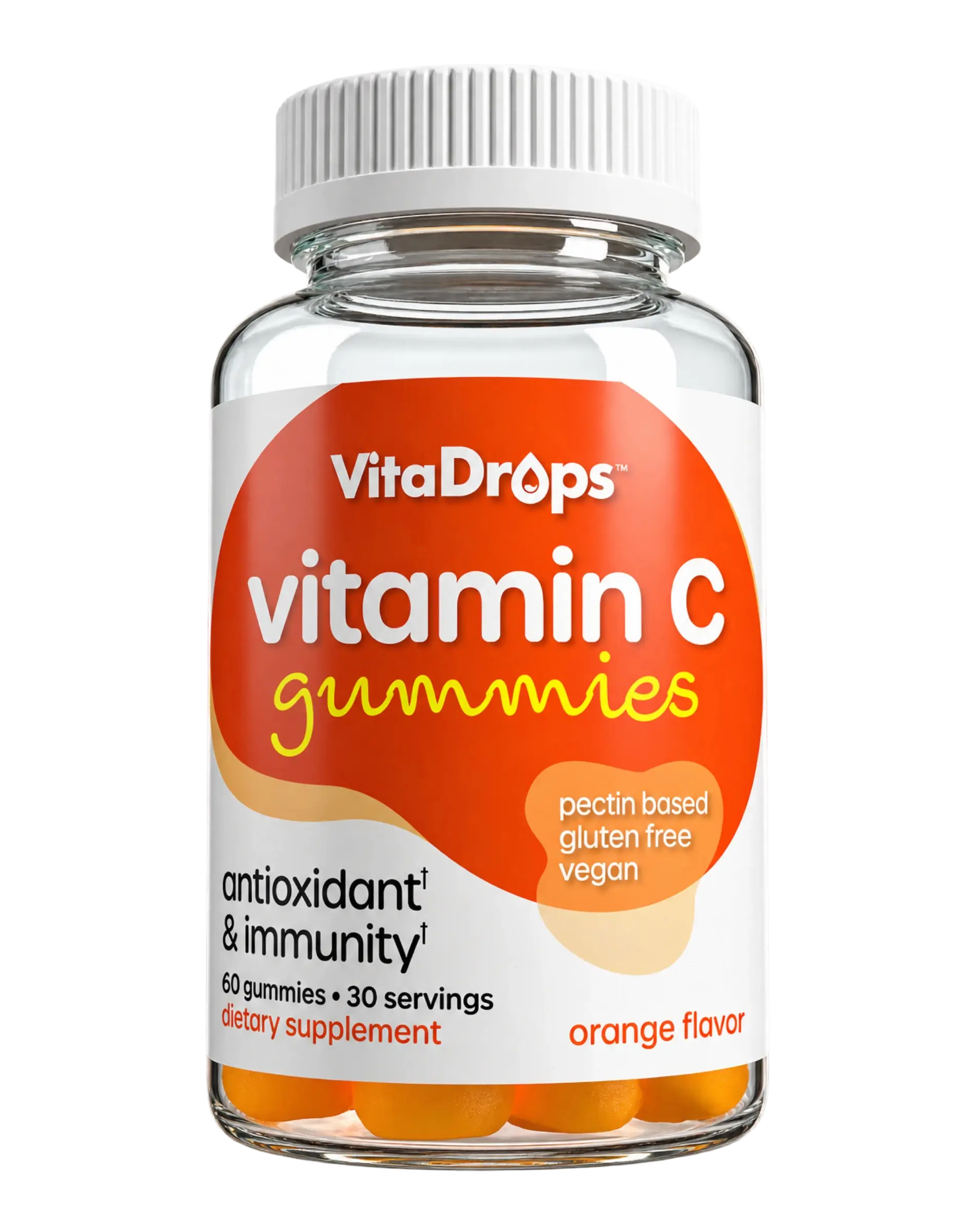
VitaDrops Vitamin C 250 mg Orange Flavor Gummies 60ct
$9.99
Omega-3 fatty acids, particularly EPA and DHA found in fish oil, may help support the body's natural inflammatory response source. These essential fats play important roles in immune function and may contribute to overall seasonal wellness.
Since most people don't consume enough omega-3-rich foods like fatty fish, nuts, and seeds, supplementation with high-quality fish oil or algae-based omega-3s may provide valuable support during allergy season.
B-Complex Vitamins: Supporting Energy and Stress Response
Seasonal allergies can be taxing on the body, potentially affecting energy levels and overall well-being. B-complex vitamins play essential roles in energy metabolism and may help support the body's natural stress response source.
Particular attention should be given to vitamins B5 (pantothenic acid) and B6 (pyridoxine), which may help support healthy adrenal function and the body's natural ability to cope with environmental stressors. A comprehensive B Complex supplement can provide balanced support for your energy needs during challenging seasons.
Magnesium: The Calming Mineral
Magnesium is involved in hundreds of enzymatic processes in the body and may help support muscle relaxation and overall comfort. Some research suggests that magnesium may play a role in supporting healthy respiratory function and natural muscle relaxation in the airways source.
This essential mineral may also help support better sleep quality, which can be particularly important when seasonal challenges affect your daily comfort and well-being. Our Magnesium Glycinate 200mg offers superior absorption and may help promote restful sleep.
Creating Your Spring Wellness Routine
Never run out.
Subscribe to any product and save 10% on every order. Pause or cancel anytime.
Subscribe & Save 10%When considering vitamins and supplements for seasonal support, it's important to start early – ideally several weeks before peak allergy season begins. This gives your body time to build up nutritional stores and optimize its natural defenses.
Consider incorporating a combination of these supportive nutrients along with lifestyle practices like staying hydrated, maintaining good indoor air quality, and following a nutrient-rich diet filled with anti-inflammatory foods.
Always consult with your healthcare provider before starting any new supplement regimen, especially if you have existing health conditions or take medications.
For comprehensive seasonal support, consider trying our specially formulated spring wellness supplements that combine many of these beneficial nutrients in convenient, high-quality formulations. Browse our full collection to find the right combination for your seasonal wellness needs.
Shop the Products Mentioned
Never miss a dose.
Evidence-based wellness guides like this one, in your inbox. No hype, no spam — unsubscribe anytime.