Chewable Calcium Tablets: Why They May Be Better Than Regular Calcium Pills
The Digestive Advantage of Chewable Calcium
If you've been dutifully swallowing those horse-pill-sized calcium tablets, you might be missing out on better absorption and bioavailability. The truth is, your body processes chewable calcium differently than traditional pills—and that difference could be the key to actually getting the bone-building benefits you're paying for.
The fundamental advantage lies in the digestion process itself. When you chew a calcium supplement, you're mechanically breaking it down while simultaneously triggering saliva production. This saliva contains enzymes that begin the dissolution process immediately, giving your stomach acid a head start on breaking down the calcium compounds. Regular calcium pills, on the other hand, must first dissolve intact in your stomach—a process that doesn't always happen completely, especially as we age and stomach acid production naturally declines.
Research indicates that chewable calcium formulations consistently show higher bioavailability rates compared to their tablet counterparts. This is particularly important for calcium carbonate, the most common form of supplemental calcium, which requires adequate stomach acid for proper absorption. By chewing the supplement, you're essentially pre-digesting it, making the calcium more readily available for absorption in your small intestine.
Why Stomach Acid Matters More Than You Think
Here's where things get interesting for anyone over 50 or taking acid-reducing medications. Stomach acid production naturally decreases with age, and medications like proton pump inhibitors can further reduce gastric acidity. This creates a double problem for calcium absorption: not only is there less acid available to dissolve calcium tablets, but the reduced acid environment also impairs calcium absorption at the intestinal level.
Chewable calcium supplements help circumvent this issue by arriving in the stomach in a partially pre-dissolved state. The mechanical action of chewing creates smaller particles with greater surface area, allowing whatever stomach acid is present to work more effectively. Studies suggest this can result in absorption rates that are 20-40% higher than equivalent doses in tablet form.
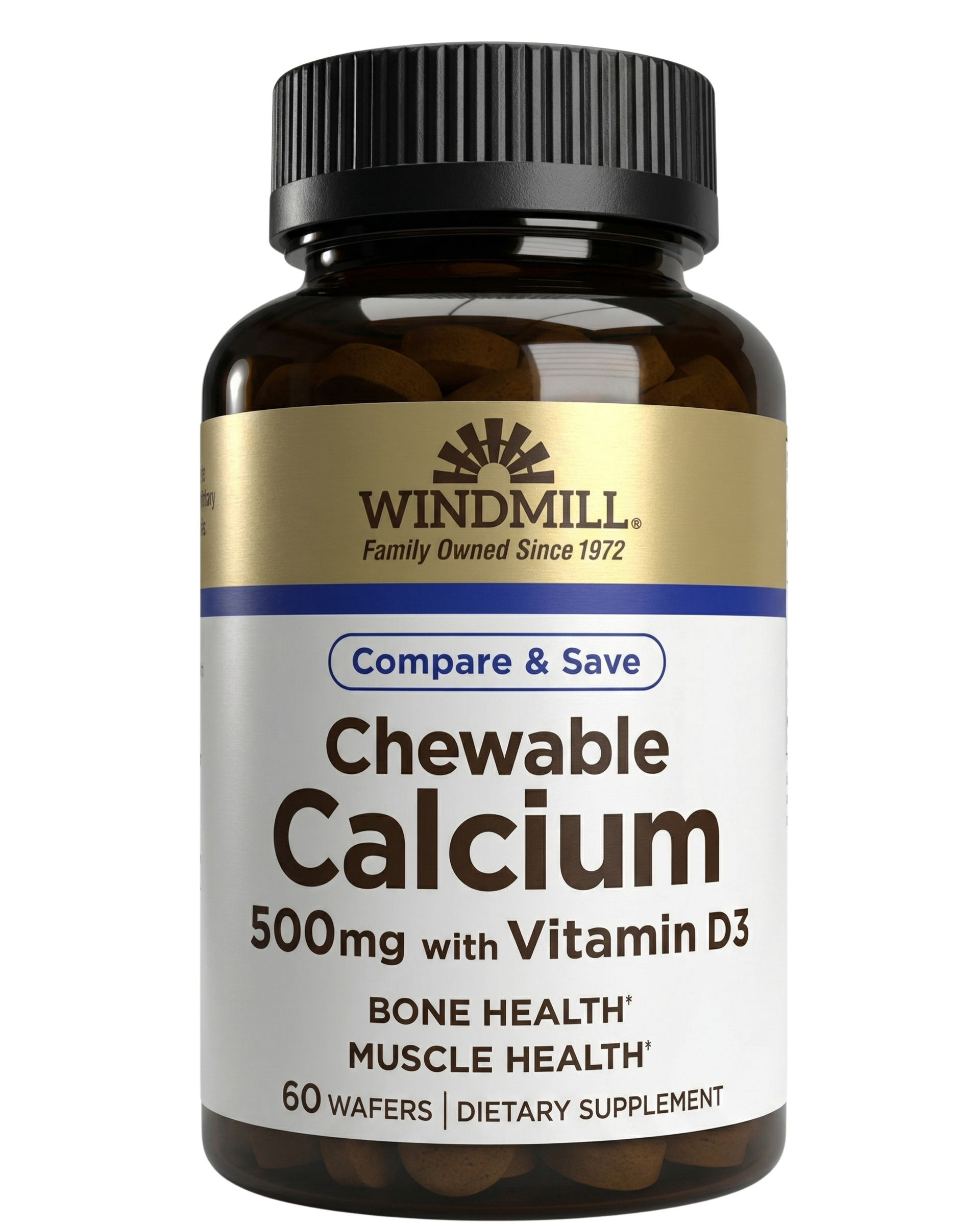
This advantage becomes even more pronounced when you consider that many people take calcium with meals to improve absorption. The chewing action stimulates digestive enzyme release, creating an optimal environment for nutrient uptake. A high-quality Chewable Calcium 500mg + Vitamin D3 can work synergistically with your body's natural digestive processes rather than fighting against them.
The Vitamin D Connection: Why Pairing Matters
Calcium doesn't work alone—it needs vitamin D3 to facilitate absorption and utilization. This is why many chewable calcium supplements are formulated with vitamin D3, creating a more complete bone health solution. Vitamin D increases the production of calcium-binding proteins in your intestines, essentially creating more "receptors" to capture and transport calcium into your bloodstream.
The beauty of chewable formulations is that both nutrients are processed together, arriving at absorption sites simultaneously. This timing can be crucial for maximizing the vitamin D-mediated calcium absorption pathway. Research indicates that taking calcium and vitamin D together can improve bone mineral density more effectively than taking either nutrient alone.
For individuals who need higher doses of vitamin D—particularly those with deficiency or limited sun exposure—pairing chewable calcium with additional Vitamin D3 5000 IU can provide comprehensive bone support while maintaining optimal absorption of both nutrients.
Addressing Common Chewable Calcium Concerns
Sugar Content and Artificial Ingredients
The biggest hesitation many people have about chewable supplements is the assumption that they're loaded with sugar and artificial flavors. While some products do rely heavily on sweeteners, many high-quality chewable calcium supplements use minimal amounts of natural sweeteners like stevia or xylitol to achieve palatability without compromising nutritional integrity.
When evaluating chewable calcium options, look for products that list their inactive ingredients transparently. The best formulations balance taste with clean ingredients, avoiding unnecessary fillers, artificial colors, and excessive sweeteners that can interfere with absorption or cause digestive upset.
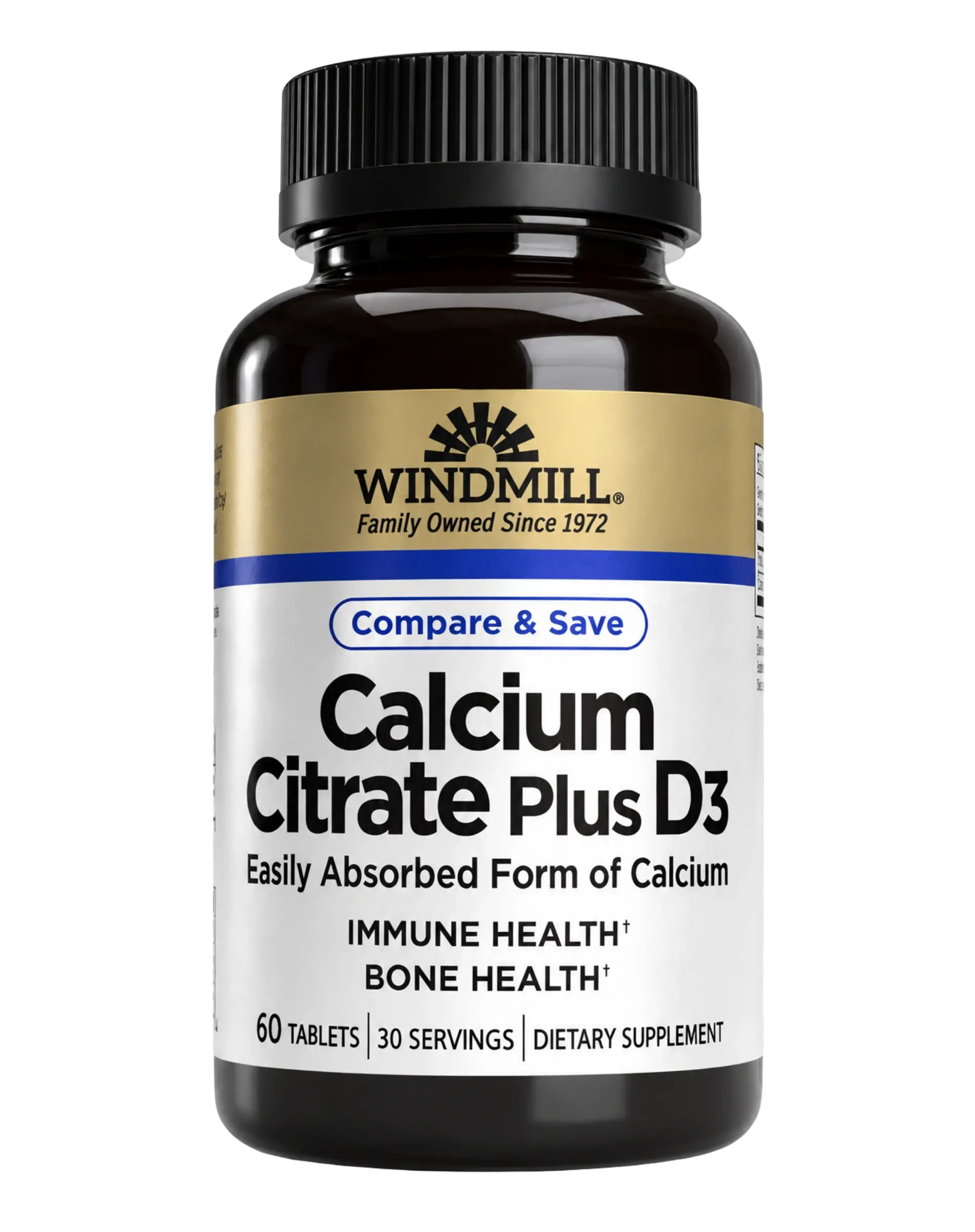
Related Product
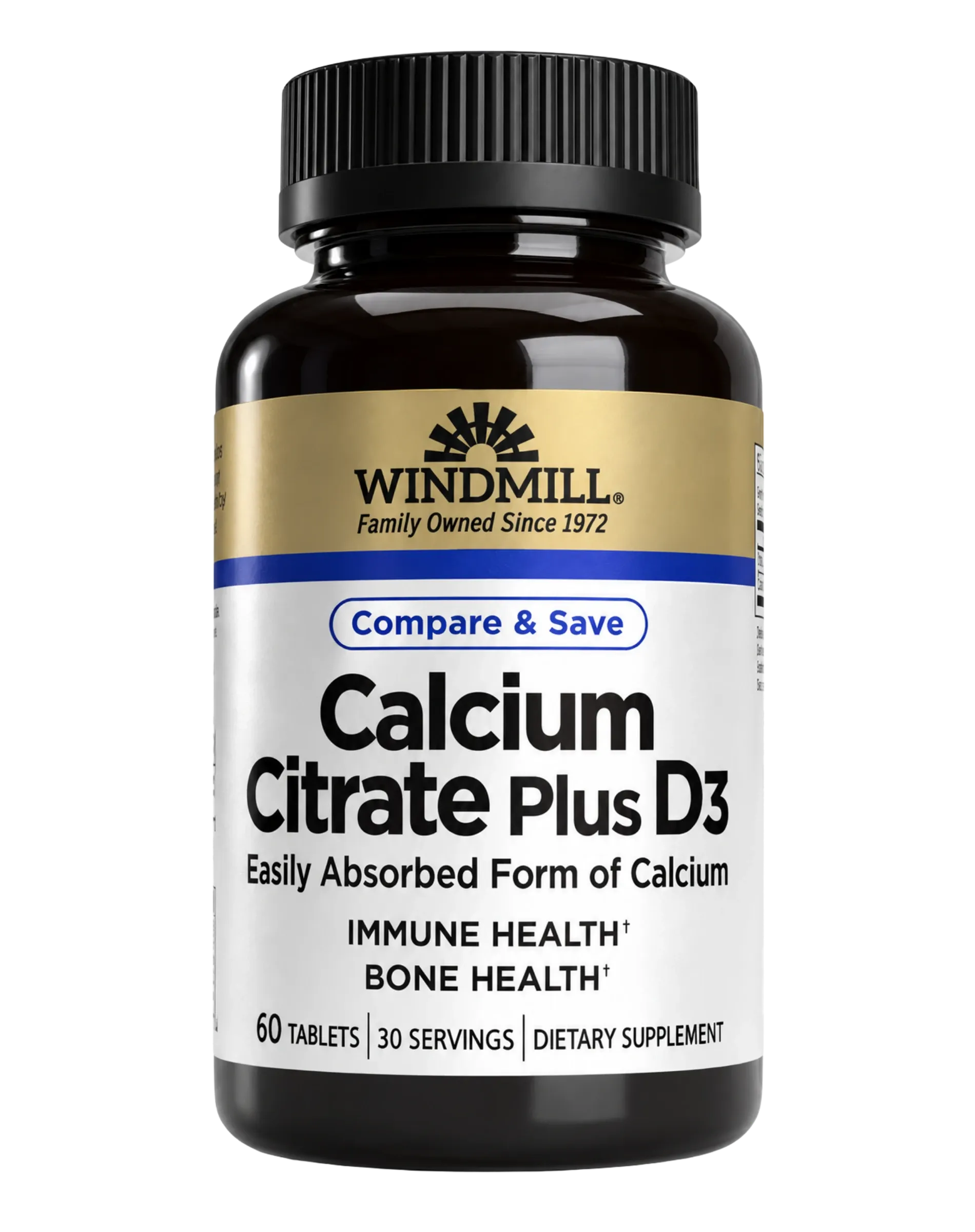
Windmill Calcium Citrate Plus D3 Bone Health Tablets 60ct
$8.99
Dosage and Timing Considerations
Chewable calcium supplements typically come in 500mg doses, which aligns perfectly with absorption research showing that the body can only absorb about 500-600mg of calcium at one time. This makes chewables naturally portion-controlled, encouraging proper dosing intervals throughout the day rather than megadose approaches that can actually impair absorption.
The convenience of chewables also supports better compliance with timing recommendations. Since you can take them without water, it's easier to space doses appropriately—ideally 4-6 hours apart to maximize absorption efficiency.
Who Benefits Most from Chewable Calcium?
While chewable calcium can benefit anyone, certain populations see particularly significant advantages. Adults over 50, who naturally produce less stomach acid, often experience notably better absorption with chewable formulations. Similarly, individuals taking acid-reducing medications, those with digestive issues, or anyone who has difficulty swallowing large pills can benefit from the enhanced bioavailability and convenience.
Post-menopausal women, who have increased calcium needs due to declining estrogen levels, may find that chewable calcium helps them meet their daily requirements more effectively. The improved absorption can be particularly valuable when trying to achieve the recommended 1,200mg daily intake through supplementation.
Athletes and active individuals also often prefer chewable calcium for its convenience and faster onset of action. The pre-dissolved nature means the calcium becomes available more quickly, which can be beneficial for immediate recovery needs.
Making the Switch: What to Expect
Never run out.
Subscribe to any product and save 10% on every order. Pause or cancel anytime.
Subscribe & Save 10%If you're considering switching from traditional calcium pills to chewables, you might notice improved tolerance and fewer digestive issues. Many people report less stomach upset and constipation with chewable formulations, likely due to the more gradual, natural absorption process.
The enhanced bioavailability means you might achieve better results with the same dosage, or potentially need less total supplementation to meet your calcium needs. However, this transition should be gradual—maintain consistent daily intake while monitoring how your body responds to the new format.
For comprehensive bone health support, consider exploring our full supplement collection to identify complementary nutrients like magnesium, vitamin K2, and trace minerals that work synergistically with calcium for optimal bone metabolism.
†These statements have not been evaluated by the FDA. Products are not intended to diagnose, treat, cure, or prevent any disease.
Shop the Products Mentioned
Ready to optimize your supplement routine? Browse our complete selection of high-quality vitamins and minerals at moorevitamins.com to find the perfect combination for your health goals.
Never miss a dose.
Evidence-based wellness guides like this one, in your inbox. No hype, no spam — unsubscribe anytime.