Fat, Fiber, or Empty Stomach? The Exact Foods That Make (or Break) Your Supplements
Quick Answer: What you eat with your supplements isn't a footnote — it's the difference between absorbing 20% of a nutrient and absorbing 90%. Vitamins D, A, E, and K are fat-soluble, meaning they require dietary fat to cross your intestinal wall; research shows pairing them with a fat-containing meal can increase absorption by up to 32–50% compared to taking them fasted. Water-soluble vitamins like C and the B-complex absorb reliably with or without food, but food reduces the stomach upset that high-dose B3 and C commonly cause. Minerals tell a more complicated story — calcium and iron actively compete for the same transport channels, and coffee within an hour of your iron supplement cuts absorption by up to 40%. If you're spending $40–$80 a month on supplements and taking them arbitrarily, you may be absorbing half of what you're paying for. The pairings below will fix that today.
Does It Really Matter What You Eat with Your Supplements?
For a significant category of supplements, yes — dramatically so. The mechanism isn't mysterious. Fat-soluble nutrients dissolve into fat droplets in your gut, which then hitch a ride on bile acids into your lymphatic system. Without fat present, most of that molecule passes straight through unabsorbed.
The same logic applies to interference. Certain minerals share a single intestinal transport protein. When two of them show up at the same time — say, calcium and iron from a multivitamin taken with a dairy-heavy meal — they compete, and absorption of both drops. This isn't theoretical; it's measurable in bloodwork.
The bottom line: food composition changes how much of each nutrient actually reaches your cells, not just whether you feel nauseous afterward.
The Supplement-by-Supplement Pairing Guide
Take these with fat:
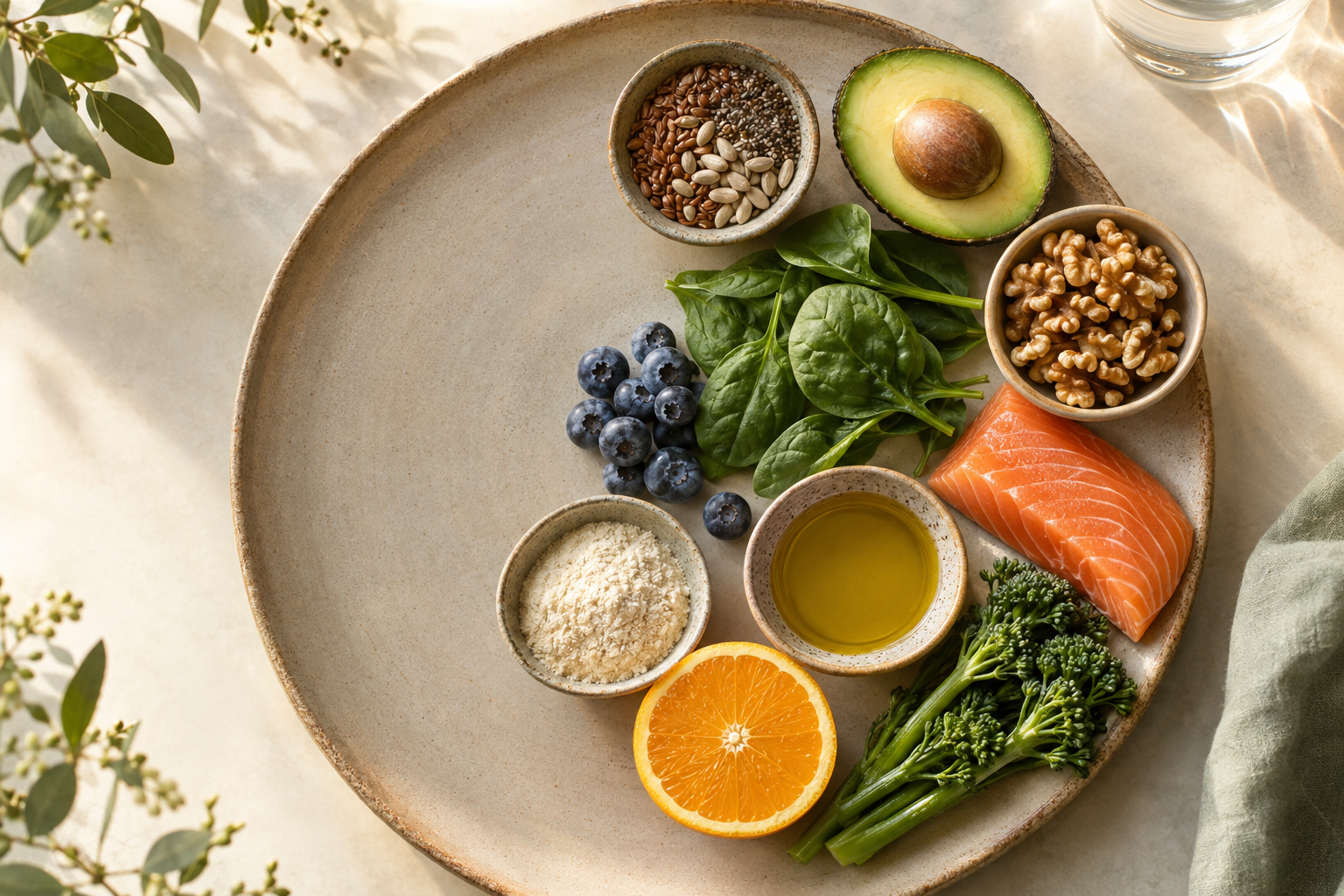
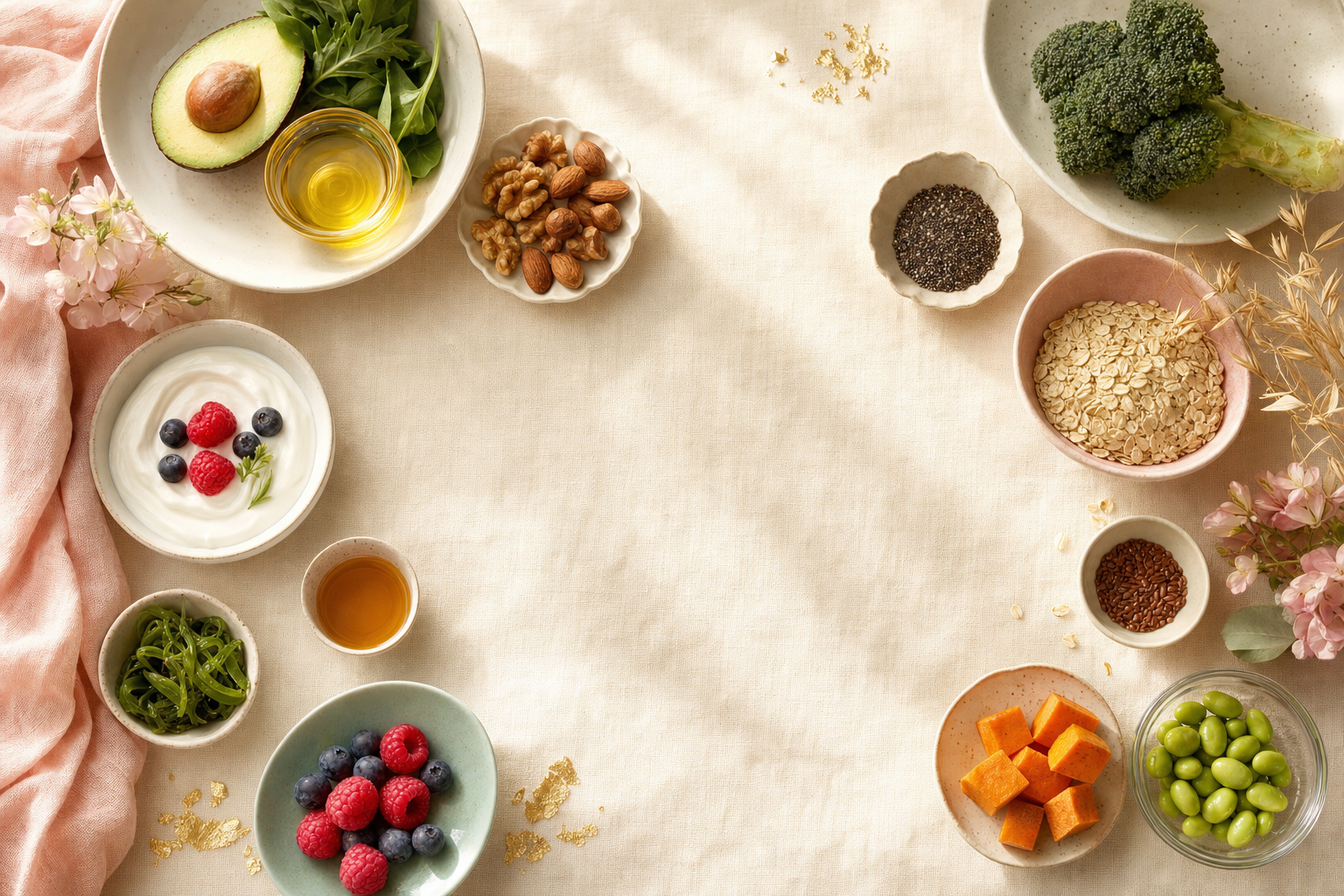
- Vitamin D3 — Pair with your largest meal of the day. One peer-reviewed trial on vitamin D absorption with fat found a 32% increase in serum levels when taken with a high-fat meal versus a fat-free one. Avocado, eggs, olive oil, or full-fat yogurt all work.
- Vitamins A, E, and K — Same rule. The NIH Office of Dietary Supplements vitamin E fact sheet notes that absorption is significantly impaired in very low-fat diets.
- CoQ10 — Fat-soluble despite not being a vitamin. Take with dinner, not a dry morning cracker.
- Omega-3 fish oil — Already encased in fat, but still absorbs better alongside a meal than alone.
Take these on an empty stomach (or light snack only):
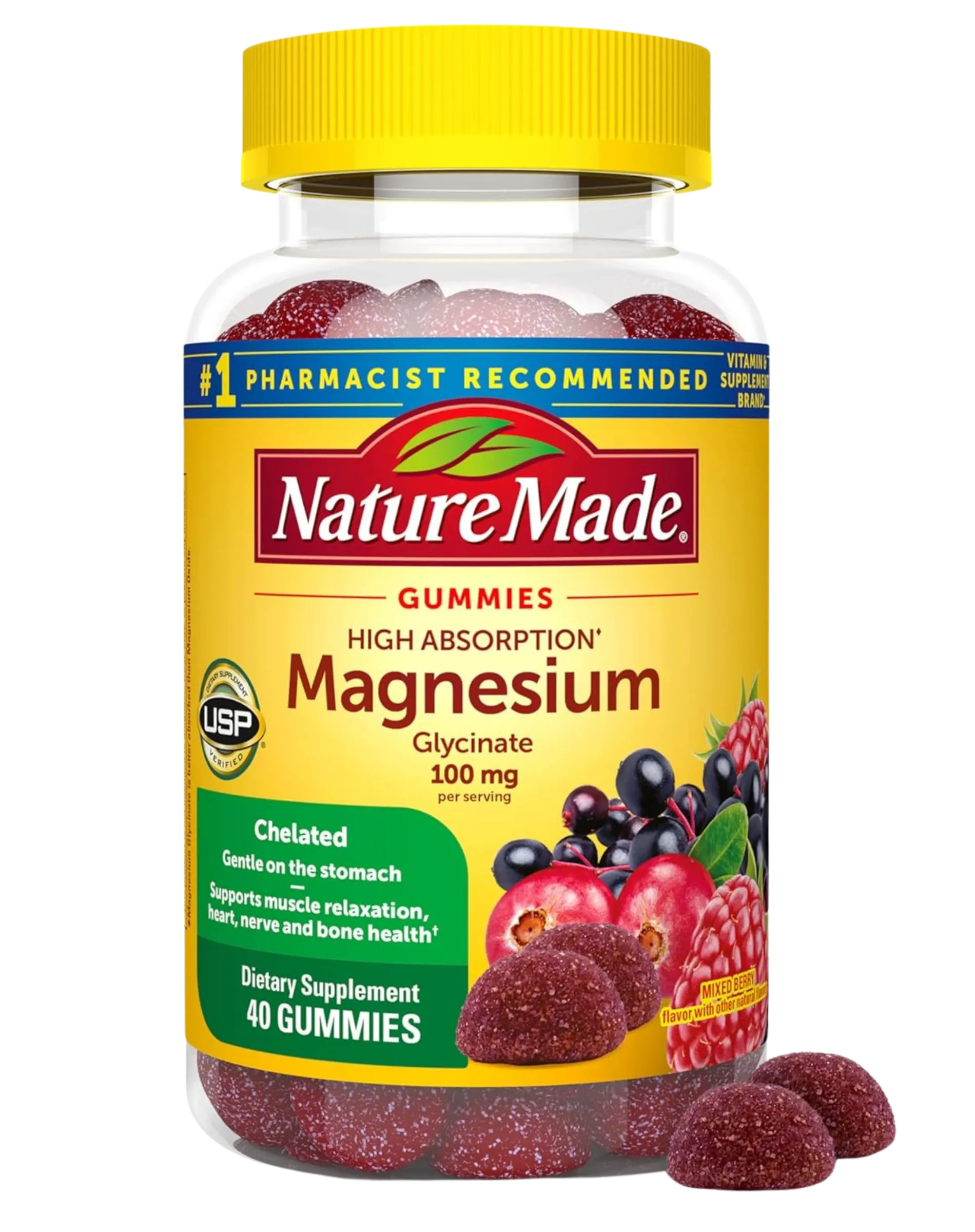
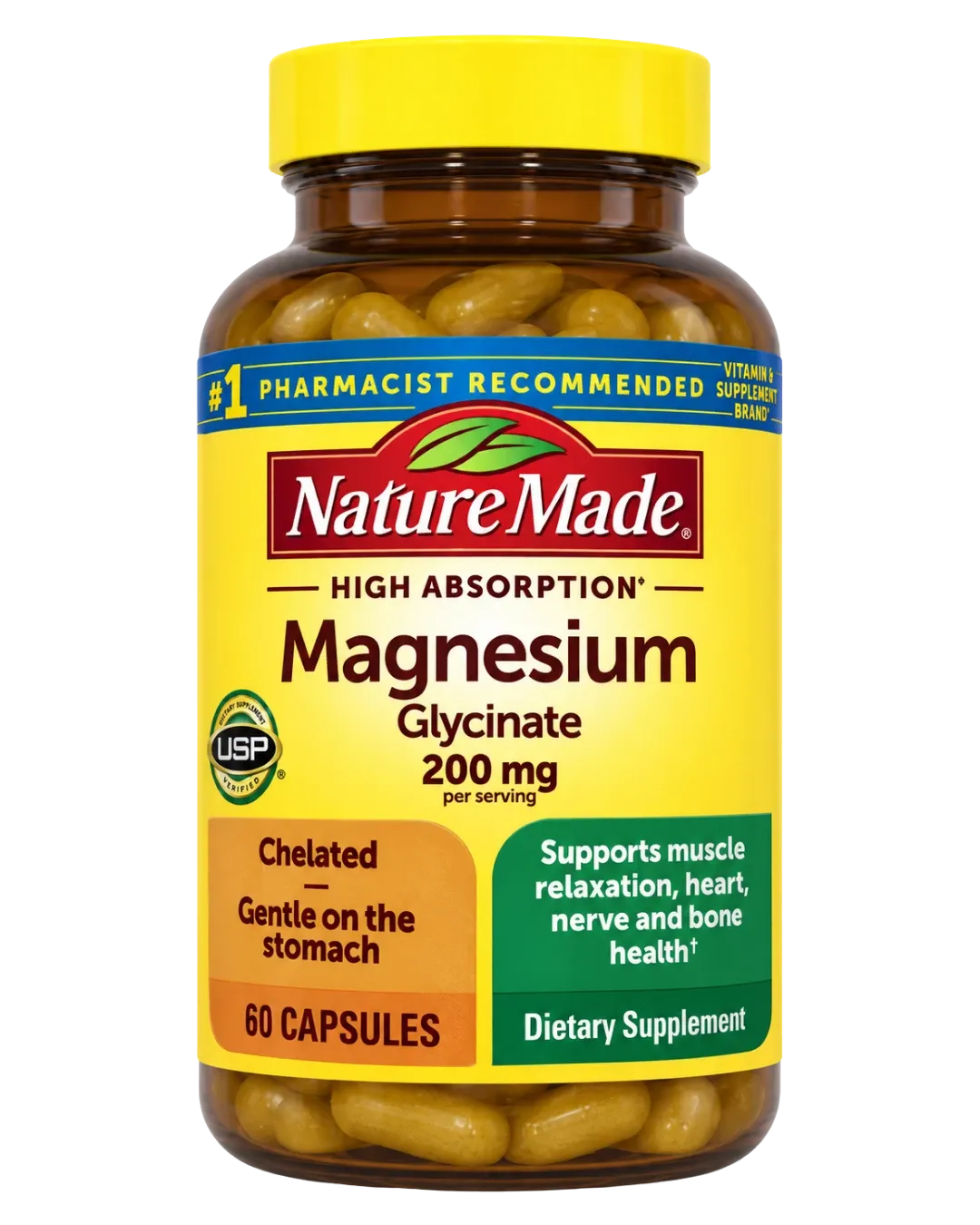
- Magnesium glycinate — Absorbs well fasted or fed, but food can slow the calming effect if you're using it for sleep. Take 30–60 minutes before bed with water only.
- Iron — Absorbs best fasted. If GI discomfort is an issue, pair with a small amount of vitamin C (a glass of orange juice), which enhances non-heme iron absorption by up to 67%. Avoid calcium-rich foods within 2 hours.
- Certain probiotics — Many strains survive stomach acid better when taken 15–30 minutes before a meal, before stomach pH drops sharply.
Take these with any meal to avoid GI issues:
- Vitamin C (high-dose, 500 mg+) — No absorption penalty from food; food simply reduces the cramping and loose stool that high doses can cause.
- B-complex vitamins — Water-soluble, food-independent absorption, but B3 (niacin) causes less flushing when taken mid-meal.
- Zinc — Absorbs fine with food, but avoid high-phytate meals (large amounts of whole grains or legumes), which bind zinc and reduce uptake.
The Foods That Actively Block Absorption
This is the category most people miss entirely.
- Coffee and tea within 60 minutes of iron — Tannins bind iron and reduce absorption by 40–60%, according to research on tannins and mineral absorption.
- Calcium within 2 hours of iron — Dairy, calcium-fortified OJ, and calcium supplements all compete directly with iron at the intestinal transporter. Space them by at least 2 hours.
- High-oxalate foods (spinach, almonds, beets) with calcium supplements — Oxalates bind calcium into insoluble crystals your gut cannot absorb.
- High-fiber meals with thyroid medication (levothyroxine) — Fiber binds the medication before it's absorbed. Take thyroid meds 30–60 minutes before eating, separate from supplements entirely.
- Grapefruit with any supplement metabolized by CYP3A4 — This enzyme is inhibited by furanocoumarins in grapefruit, which can dramatically raise blood levels of certain supplements and medications.
Common Mistakes People Make
- Taking a multivitamin with just coffee. You've just blocked iron absorption with tannins and skipped the fat needed for vitamins A, D, E, and K. Take your multi with breakfast, not before it.
- Splitting iron and calcium but not timing it. Two hours between them sounds like a lot, but it's the minimum. Four hours is more reliable.
- Assuming "with food" means any food. A plain cracker is not enough fat for vitamin D. You need at least 10–15 grams of fat — roughly a tablespoon of olive oil, half an avocado, or two eggs.
- Taking magnesium with calcium at night. They use overlapping absorption pathways. If you take both, separate them by at least 2 hours or split them between morning and evening.
- Ignoring plant-based meals. Phytates in grains and legumes significantly reduce zinc and iron absorption. If you eat a primarily plant-based diet, your need for strategic timing is higher, not lower.
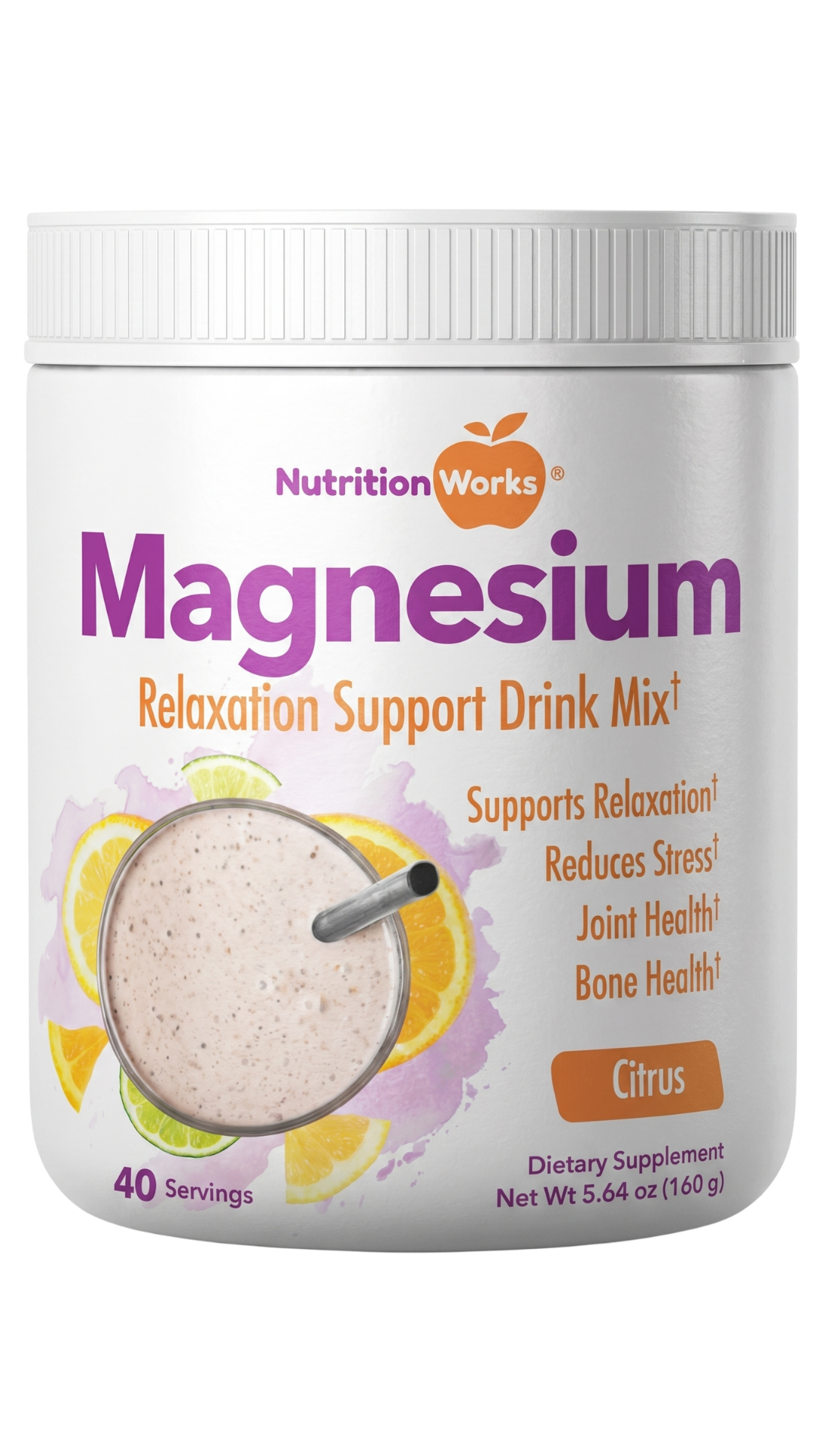
Related Product
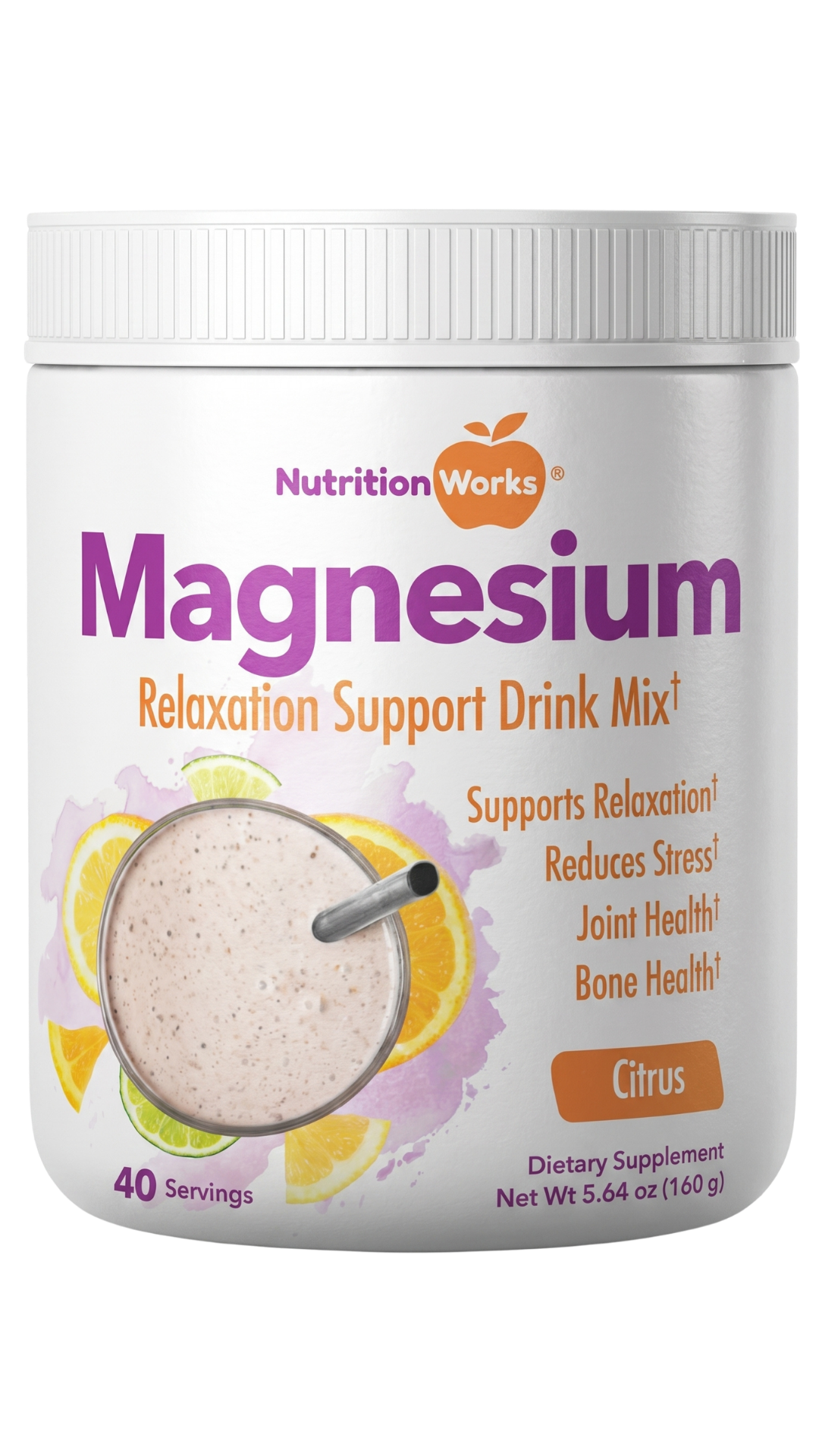
NutritionWorks Magnesium Drink Mix 5.6oz
$11.99
Your Practical Daily Schedule
Here's a simple structure that maximizes absorption across common supplements:
Morning (with a fat-containing breakfast):
- Multivitamin or individual vitamins A, D, E, K
- CoQ10
- Omega-3 fish oil
- B-complex (or included in multi)
Midday (if taking iron):
- Iron supplement + small glass of orange juice (vitamin C enhances uptake)
- Wait 2 hours before any dairy or calcium supplement
Afternoon / with dinner:
- Calcium supplement (if needed separately from iron)
- Zinc (with food, away from high-phytate meals)
Evening (30–60 min before bed):
- Magnesium glycinate (fasted or light snack only)
- Probiotics (if your strain is recommended pre-meal)
Never run out.
Subscribe to any product and save 10% on every order. Pause or cancel anytime.
Subscribe & Save 10%Adjust the schedule to your specific supplements, but keep the core rules: fat-soluble vitamins need fat, iron needs space from calcium and coffee, and magnesium works best unencumbered before sleep.
Frequently Asked Questions
Q: Can I take all my supplements at once to make it easier?
A: You can consolidate most of them to one fat-containing meal — that covers your fat-soluble vitamins and reduces GI issues. The two exceptions are iron (keep it away from calcium and coffee) and magnesium for sleep (better timed to the evening).
Q: Does the type of fat matter for fat-soluble vitamins, or just the amount?
A: Amount matters more than type. You need roughly 10–15 grams of fat — one tablespoon of any oil, a small handful of nuts, or a quarter avocado. Saturated vs. unsaturated doesn't significantly change the absorption equation for most fat-soluble nutrients.
Q: I take a greens or superfood powder in the morning. Does that count as "food" for supplement purposes?
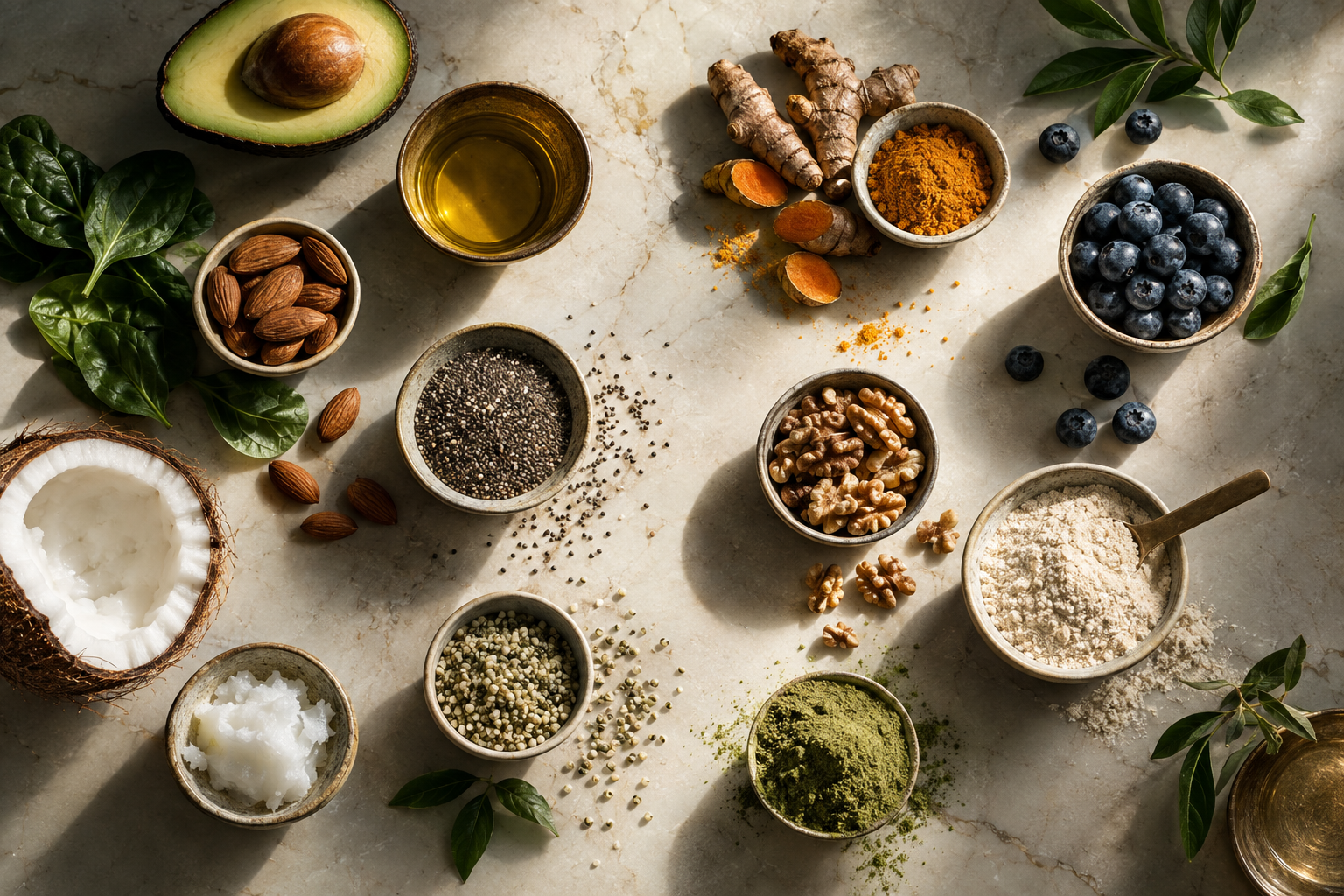
A: It depends on the formula. A greens powder mixed in water with no added fat doesn't provide enough lipid content for fat-soluble vitamins. However, blending it into a smoothie with nut butter, coconut milk, or avocado does — and gives your gut a fiber matrix that also supports nutrient uptake from whole-food plant compounds.
Find the Right Supplement at Moore Vitamins
If you're building a morning routine around a nutrient-dense base, the Country Farms Super Celery Superfood Blend Powder 11.3 oz fits naturally into a smoothie or juice that doubles as a fat-soluble vitamin vehicle — blend it with a tablespoon of nut butter or coconut milk and you've met the fat threshold your D3 and K2 need.
Moore Vitamins offers same-day fulfillment on in-stock orders, and Subscribe & Save keeps your supply automatic so you never miss a day in your optimized routine.
Never miss a dose.
Evidence-based wellness guides like this one, in your inbox. No hype, no spam — unsubscribe anytime.