The Magnesium Gap: Why Men Over 40 Are Deficient and Don't Know It
Roughly 48% of Americans consume less magnesium than the Estimated Average Requirement from food, according to NHANES 2013–2016 data cited by the NIH Office of Dietary Supplements — and for men over 40, that number climbs higher as absorption declines and stress-driven excretion accelerates. Magnesium is involved in over 300 enzymatic reactions: muscle contraction, testosterone synthesis, blood glucose regulation, and deep-sleep architecture. Observational research in older men — including an InCHIANTI cohort study of 399 men — has found that higher serum magnesium is associated with higher total testosterone, even after adjusting for age and other factors. Studies in men over 40 consistently link suboptimal magnesium intake to poor sleep quality, elevated fasting glucose, and increased muscle recovery time — all complaints that men in this age group chalk up to "just getting older." If you're sleeping poorly, cramping after workouts, or running on empty by 3 p.m., finishing this article may explain why — and exactly what to do about it.
Why Men Over 40 Are Talking About Magnesium Right Now
The conversation has shifted from general wellness to performance maintenance. Men in their 40s and 50s are increasingly tracking their health with wearables, getting comprehensive bloodwork, and discovering that their magnesium status falls into the "subclinical deficiency" zone — low enough to cause symptoms, but not low enough to trigger a clinical flag on standard panels.
Standard blood tests measure serum magnesium, which represents only about 1% of total body magnesium. The rest lives in bone, muscle, and soft tissue. You can have a "normal" serum reading and still be functionally depleted. This measurement gap means millions of men are experiencing real symptoms with no diagnosis to explain them.
Add in the lifestyle factors that accelerate loss — chronic stress elevates cortisol, which directly increases urinary magnesium excretion; regular alcohol consumption does the same; and high-intensity exercise flushes magnesium through sweat — and the typical active man over 40 is working against himself without realizing it.
What Magnesium Actually Does in the Male Body
Magnesium is not a single-function nutrient. It acts more like a biological systems manager. At the cellular level, it activates ATP — the molecule your cells use for energy. Without sufficient magnesium, your mitochondria can't run at full capacity. You feel it as fatigue that sleep doesn't fix.
In muscle tissue, magnesium regulates calcium's role in contraction. Calcium triggers a muscle to contract; magnesium signals it to release. When magnesium is low, muscles stay partially contracted — producing the nighttime cramps and next-day soreness that men over 40 often experience after moderate exercise.
The testosterone connection is particularly relevant for this age group. Magnesium binds to sex hormone-binding globulin (SHBG), the protein that can "lock up" testosterone and make it biologically unavailable. Higher magnesium status is associated with lower SHBG binding and higher free testosterone — the form your body can actually use. This isn't a testosterone booster claim; it's basic biochemistry about how the hormone circulates.
What the Current Research Shows
The evidence is strong in several areas and still developing in others. Here's an honest breakdown:
Well-established: Magnesium's role in sleep quality has robust support. A double-blind, placebo-controlled trial published in the Journal of Research in Medical Sciences found that magnesium supplementation significantly improved sleep efficiency, sleep time, early morning awakening, and insomnia severity in older adults. The mechanism is clear — magnesium regulates GABA receptors in the brain, the same pathway that sleep medications target, but without the dependency risk.
Strong evidence: Blood sugar regulation. Multiple meta-analyses confirm that magnesium supplementation improves insulin sensitivity in people with suboptimal magnesium status. For men over 40 who are pre-diabetic or metabolically borderline, this is clinically relevant.
Promising but less settled: The testosterone-magnesium link. The association data is consistent, but intervention trials specifically targeting testosterone via magnesium repletion in men are limited. The mechanism is biologically sound; large RCTs are still catching up.
Still unclear: Optimal dosing. Studies use anywhere from 200 mg to 500 mg daily. Individual needs vary significantly based on body weight, exercise volume, stress load, and dietary intake.
Who Benefits Most
Not every man over 40 needs a magnesium supplement. But several profiles overlap strongly with functional deficiency:
- Regular exercisers who sweat heavily and eat a processed-food-heavy diet
- Men with disrupted sleep — particularly those who wake between 2–4 a.m. or struggle to stay asleep
- Men managing blood sugar — pre-diabetes, metabolic syndrome, or insulin resistance
- High-stress professionals — cortisol is a magnesium thief, full stop
- Men who drink alcohol regularly — even moderate consumption increases urinary excretion
- Men on proton pump inhibitors (PPIs) for acid reflux — these drugs are well-documented to reduce magnesium absorption significantly
If three or more of those apply to you, your magnesium status deserves attention.
How to Choose a Quality Magnesium Supplement
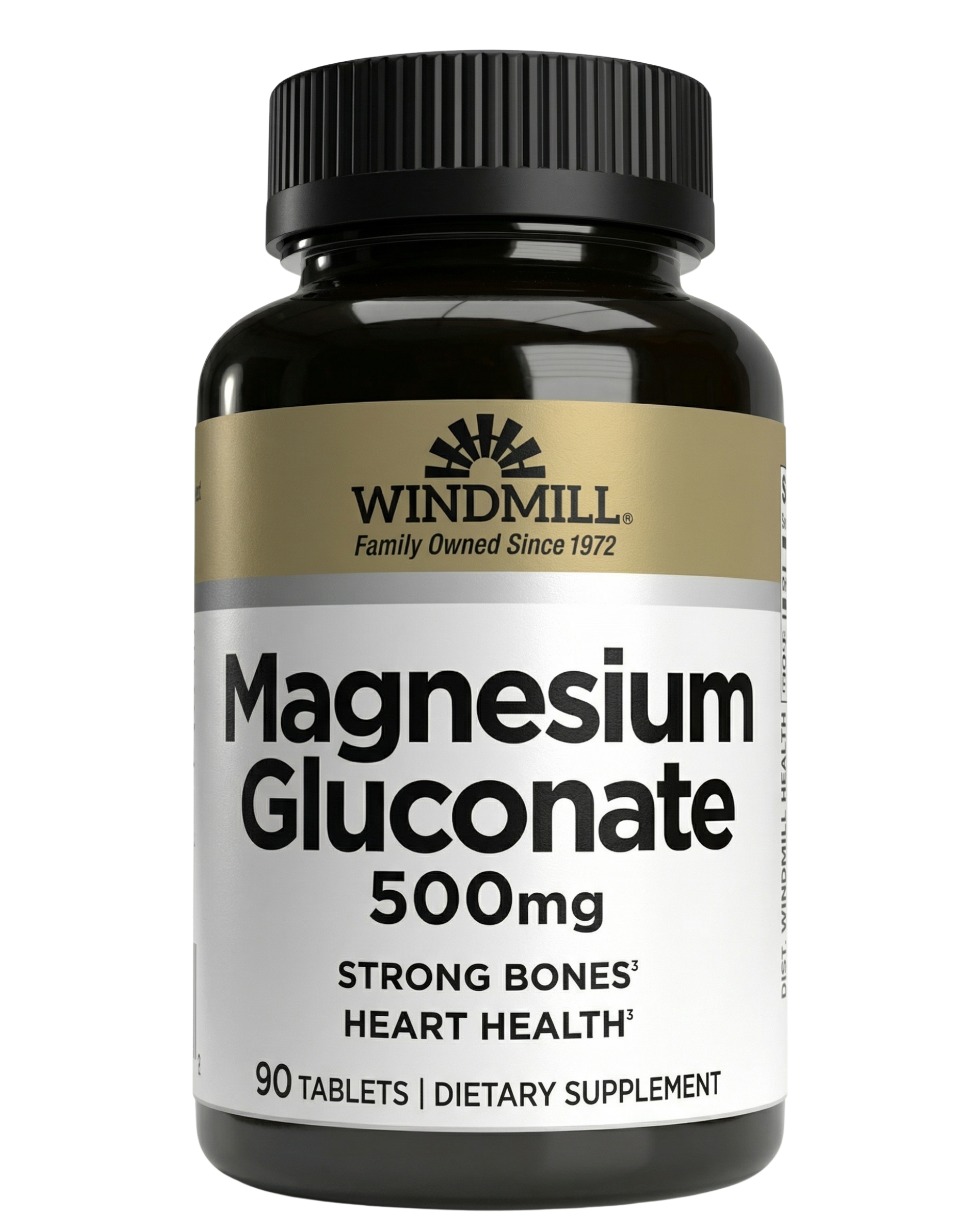
Related Product
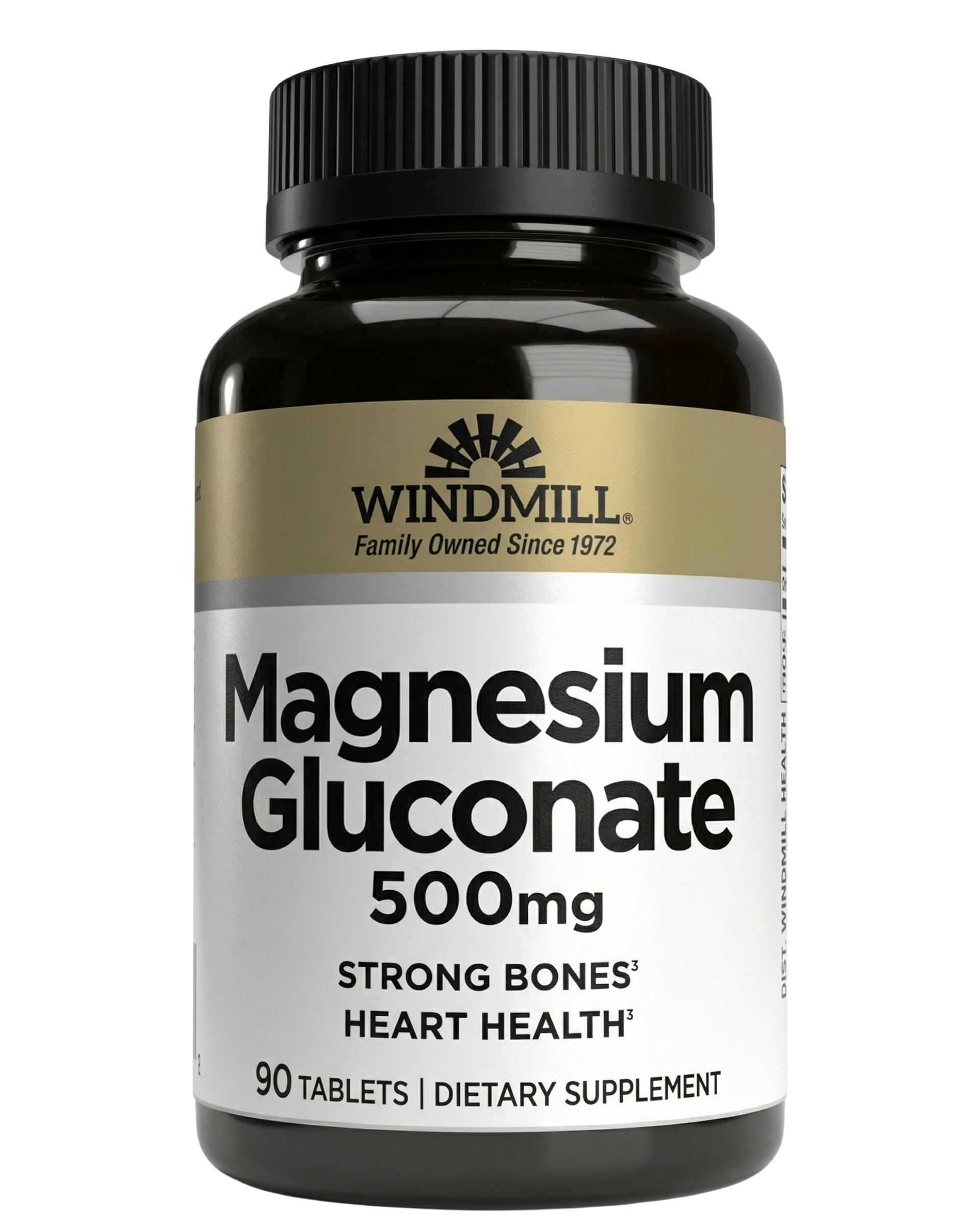
Magnesium Gluconate 500mg Gentle Formula Tablets 90ct
$9.99
The form matters more than most people realize. Magnesium oxide — the cheapest and most common form — has absorption rates as low as 4%. That 400 mg tablet may deliver less than 20 mg of usable magnesium. It's not a scam; it has legitimate uses for constipation and occasional digestive support. But if your goal is systemic repletion — better sleep, muscle recovery, metabolic support — you need a form your body actually absorbs.
Magnesium glycinate is the gold standard for absorption and tolerability. It's chelated to the amino acid glycine, which has its own calming properties and doesn't trigger the laxative effect that citrate and oxide can cause at higher doses. For men focused on sleep and stress, this is the top pick.
Magnesium citrate absorbs significantly better than oxide — roughly 25–30% bioavailability — and is well-suited for men who also want digestive regularity support alongside systemic benefits.
What to look for on labels:
- Elemental magnesium amount, not just compound weight (a 500 mg magnesium glycinate capsule contains roughly 50–80 mg of elemental magnesium)
- Third-party testing or GMP-certified manufacturing
- No unnecessary fillers, artificial colors, or proprietary blends
- Dosage that delivers 200–400 mg elemental magnesium daily
Timing tip: Magnesium taken 30–60 minutes before bed leverages its GABA-regulating properties for sleep. Post-workout magnesium replenishes what sweat depleted. Both approaches are valid — pick the one you'll actually stick to.
Frequently Asked Questions
Q: Can I just eat more magnesium-rich foods instead of supplementing?
A: Absolutely — and you should. Pumpkin seeds, dark leafy greens, dark chocolate, and legumes are excellent sources. But if your absorption is compromised (common over 40), your stress load is high, or you exercise intensely, food alone often can't keep pace with excretion. Supplementation fills the gap that diet leaves open.
Q: Will magnesium actually help me sleep, or is that just marketing?
A: The sleep evidence is among the strongest in magnesium research. Multiple controlled trials show improvements in sleep onset, time in deep sleep, and early-morning awakening — specifically in people with suboptimal magnesium status. If your sleep issues are magnesium-related, the effect is real. If they're caused by something else (apnea, anxiety disorder, blue light exposure), magnesium alone won't solve it.
Never run out.
Subscribe to any product and save 10% on every order. Pause or cancel anytime.
Subscribe & Save 10%Q: Is it possible to take too much magnesium?
A: Yes, though the threshold is high for healthy men with normal kidney function. The Tolerable Upper Intake Level for supplemental magnesium is 350 mg per day for adults; excess is typically excreted rather than accumulated. The main side effect of too much is loose stool — your body's natural elimination mechanism. Men with kidney disease should consult a physician before supplementing, as impaired kidneys can't regulate excretion effectively.
Explore Magnesium Supplements at Moore Vitamins
For men focused on sleep and muscle recovery, Nature Made Magnesium Glycinate High Absorption Gummies 40ct delivers the highest-bioavailability form in an easy daily format — no pills, no measuring, just consistent repletion with Nature Made's GMP-certified quality.
If you're looking for a well-absorbed, cost-effective option with added digestive regularity benefits, Windmill Magnesium Citrate 400mg Tablets 60ct is a solid daily driver at a straightforward dose.
And if you're in the camp of occasional use — digestive support or a budget-friendly entry point — Magnesium Oxide 400mg Bone & Muscle Support Tablets 60ct covers the basics with Moore Vitamins' same-day fulfillment you can count on.
Know your form. Know your dose. The gap between "I feel fine" and "I feel good" for a lot of men over 40 is sitting in a single mineral they've been consistently under-replacing for years.
Keep Reading
Never miss a dose.
Evidence-based wellness guides like this one, in your inbox. No hype, no spam — unsubscribe anytime.