The Menopause-Weight Connection: Why Your Body Changed and What Actually Helps in 2026
Why Everyone Is Talking About Menopause Weight Management Right Now
Something shifted in the supplement conversation around menopause — and it happened fast. Women in their 40s and 50s are no longer accepting "just eat less and move more" as a complete answer. They are asking better questions: Why did my metabolism change almost overnight? Why is weight accumulating around my midsection when it never did before? And why do the strategies that worked for a decade suddenly feel useless?
The emergence of GLP-1 receptor research has put metabolic health at the center of every wellness conversation in 2025 and 2026. But here is what gets overlooked in that broader discussion: menopause creates a specific metabolic environment that deserves its own lens. Estrogen decline does not just affect hot flashes. It restructures how your body stores fat, processes glucose, and regulates hunger signals. Understanding that mechanism is the starting point for doing something about it.
This is not a story about vanity. Midsection weight gain during menopause is directly associated with elevated cardiovascular risk, insulin resistance, and metabolic syndrome. The stakes are real, and so is the science behind addressing them.
What Menopause-Related Weight Gain Actually Is
Menopause is not a single moment — it is a transition that typically spans several years, marked by the end of regular menstrual cycles as estrogen and progesterone production from the ovaries declines significantly. Perimenopause, the runway into full menopause, can begin in the early 40s and last a decade.
Estrogen plays a direct role in metabolic regulation. It influences insulin sensitivity, fat distribution, and even gut microbiome composition. As estrogen falls, the body tends to shift fat storage from the hips and thighs — the classic female pattern — toward visceral fat around the abdomen. This is not cosmetic. Visceral fat is metabolically active in ways that peripheral fat is not, releasing inflammatory compounds that disrupt insulin signaling and appetite regulation.
Simultaneously, muscle mass naturally declines with age, and without estrogen's protective effect on muscle tissue, that decline can accelerate. Less muscle means a lower resting metabolic rate. The math gets harder even if nothing else in your lifestyle changes.
What the Current Research Shows
The most compelling recent research focuses on the intersection of GLP-1 signaling and estrogen. GLP-1 — glucagon-like peptide-1 — is a gut-produced hormone that regulates appetite, slows gastric emptying, and improves insulin sensitivity. Studies published in the past two years suggest that estrogen actively supports GLP-1 receptor sensitivity. When estrogen drops, GLP-1 signaling may become less efficient, which helps explain why hunger regulation feels different after menopause for many women.
Research on myo-inositol and D-chiro-inositol — compounds that support insulin signaling pathways — shows meaningful promise for perimenopausal and postmenopausal women dealing with insulin resistance. Multiple randomized controlled trials have found associations between inositol supplementation and improved metabolic markers in this population, though larger studies are still needed.
Berberine continues to accumulate evidence as a metabolic support compound, with research suggesting it activates AMPK pathways — essentially flipping a cellular switch that improves glucose uptake and fat metabolism. It is not a pharmaceutical solution, but the evidence is substantive enough that it has earned serious clinical attention.
Collagen peptides and protein adequacy research also point clearly in one direction: women in menopause who maintain higher protein intake preserve more lean muscle mass, which directly supports metabolic rate. This is proven, not promising.
What remains less clear is how much individual variation in the gut microbiome affects supplement response. The research is early, but the direction is interesting — estrogen metabolites interact with gut bacteria, and some probiotic interventions show early signals for supporting metabolic health in this transition.
Who Benefits Most From Menopause Metabolic Support
You are the target audience for this conversation if you are between 40 and 60, noticing changes in body composition that do not match changes in your habits, and finding that energy management, hunger, and recovery feel genuinely different than they did five years ago.
More specifically, women in perimenopause — still cycling but irregularly — often experience the most acute metabolic disruption because estrogen is fluctuating wildly rather than declining smoothly. This is frequently when the body composition shift begins, years before the last period.
Postmenopausal women dealing with established insulin resistance or pre-diabetes markers have the strongest evidence base for targeted metabolic supplementation. If your fasting glucose has crept up, your triglycerides have risen, or your HDL has dropped, that metabolic picture is worth addressing directly.
Related Product
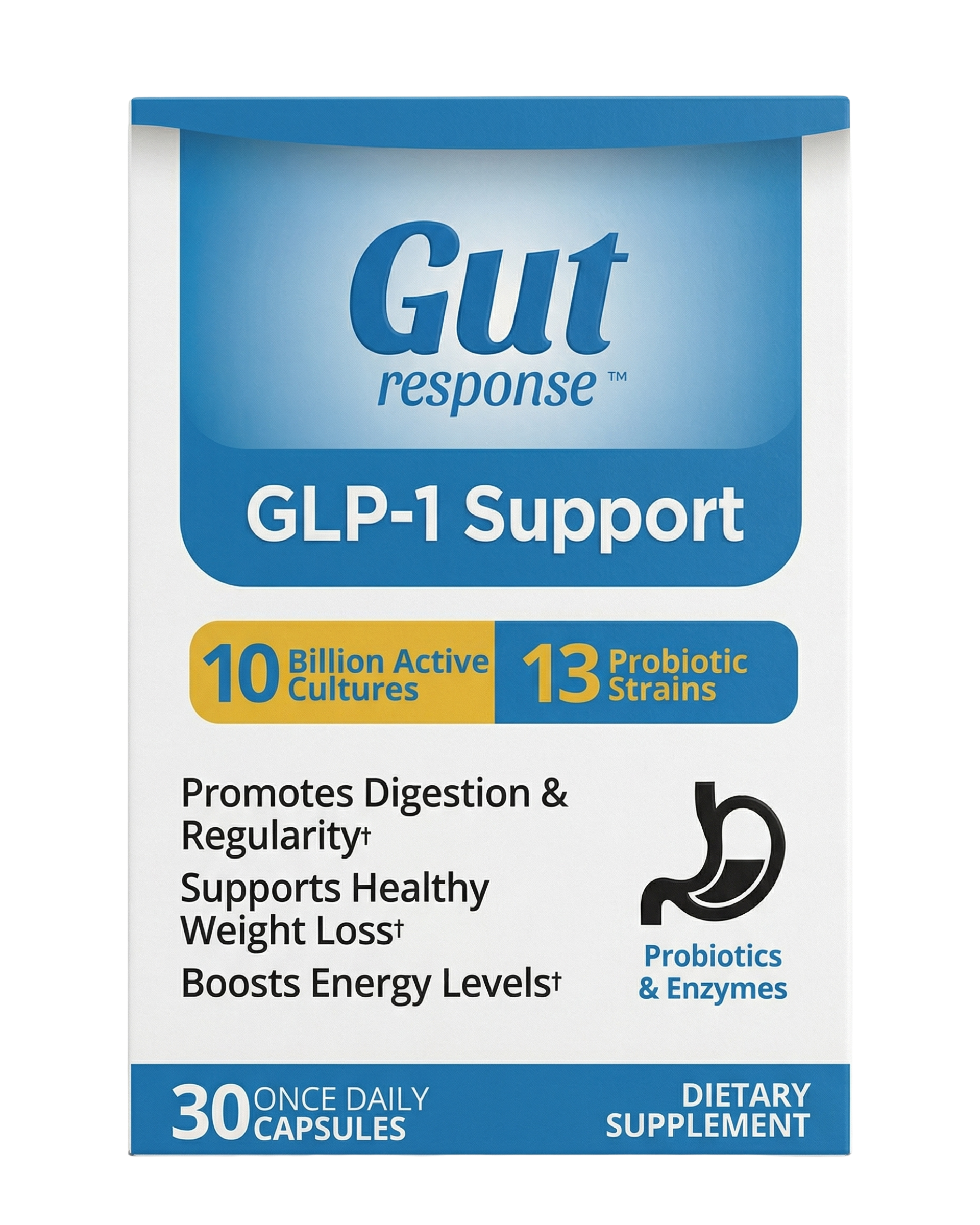
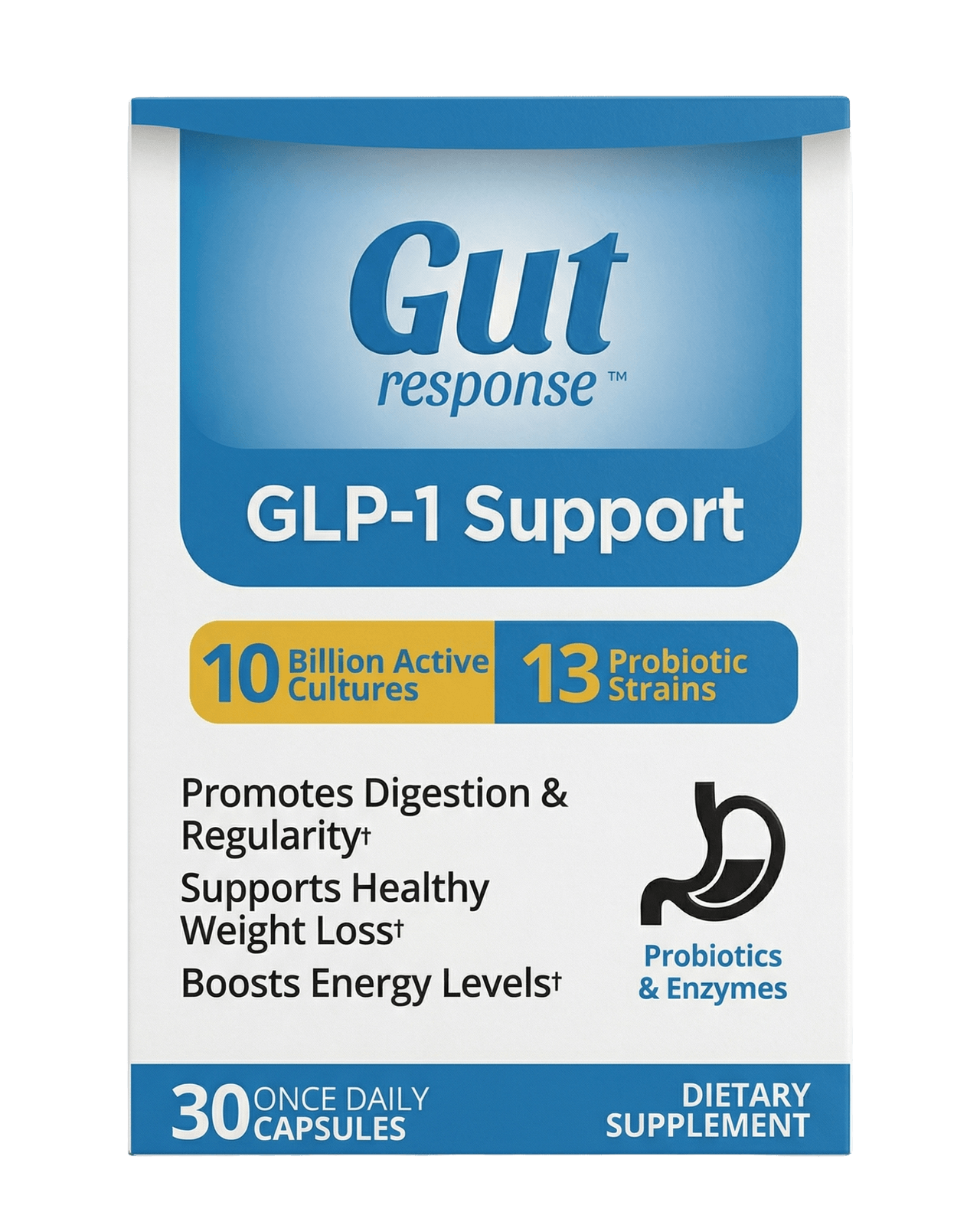
Gut Response GLP-1 Support Metabolic Health Capsules 30ct
$9.99
Women who are active but frustrated — running the same miles, lifting the same weights, eating the same diet, and still seeing body composition change — are exactly who this research speaks to. The physiology changed. The strategy needs to evolve with it.
How to Choose a Quality Menopause Metabolic Support Supplement
What forms are available: Powders offer the most flexibility for combining multiple active ingredients at meaningful doses. Capsules work well for single compounds like berberine or myo-inositol. Be skeptical of proprietary blends that hide individual ingredient doses behind a single milligram total.
Dosage considerations: Myo-inositol research uses doses of 2–4 grams daily. Berberine studies typically use 500mg taken with meals, two to three times daily — timing matters because it works best alongside glucose exposure. Protein powder or collagen additions should contribute meaningfully to a daily protein target of 1.2–1.6 grams per kilogram of body weight, which is higher than most women currently hit.
Quality markers to look for: Third-party testing or GMP certification matters here. Look for NSF, USP, or Informed Sport certification where available. For GLP-1 support formulations, look for clinically studied ingredient forms — not generic extracts with no research behind them.
What to avoid: Proprietary blends without disclosed doses, any product making direct hormonal claims (no supplement replaces estrogen), and formulations that pack 15 ingredients at doses too small to do anything meaningful. More ingredients at trace amounts is not better than fewer ingredients at effective doses.
Frequently Asked Questions
Q: Can supplements actually help with menopause belly fat, or is this just marketing?
A: Some can — but the mechanism matters. No supplement directly targets belly fat. What certain compounds may support is the underlying insulin sensitivity and GLP-1 signaling that influences how your body partitions and stores energy. Research on berberine and inositol compounds suggests real metabolic benefits in this population, though they work best alongside adequate protein and activity, not instead of them.
Never run out.
Subscribe to any product and save 10% on your first order, 5% after. Pause or cancel anytime.
Subscribe & Save 10%Q: I am already on HRT. Do I still need metabolic support supplements?
A: Hormone replacement therapy addresses the root hormonal cause, but metabolic adaptations that developed during perimenopause do not always fully reverse. Many women on HRT still benefit from protein optimization, blood sugar support, and targeted gut health work. These approaches are complementary, not redundant — discuss specifics with your prescribing physician.
Q: How long before I see any results from menopause metabolic support supplements?
A: Realistic timelines vary by compound. Berberine and inositol research shows measurable metabolic marker improvements in 8–12 weeks of consistent use. Body composition changes take longer — think 3–6 months when combined with adequate protein and resistance training. Anything promising dramatic results in two weeks is selling you something the science does not support.
Explore Menopause Metabolic Support at Moore Vitamins
For women navigating the metabolic shifts of perimenopause and menopause, two areas deserve attention: GLP-1 pathway support and the skin and hair changes that arrive alongside hormonal decline.
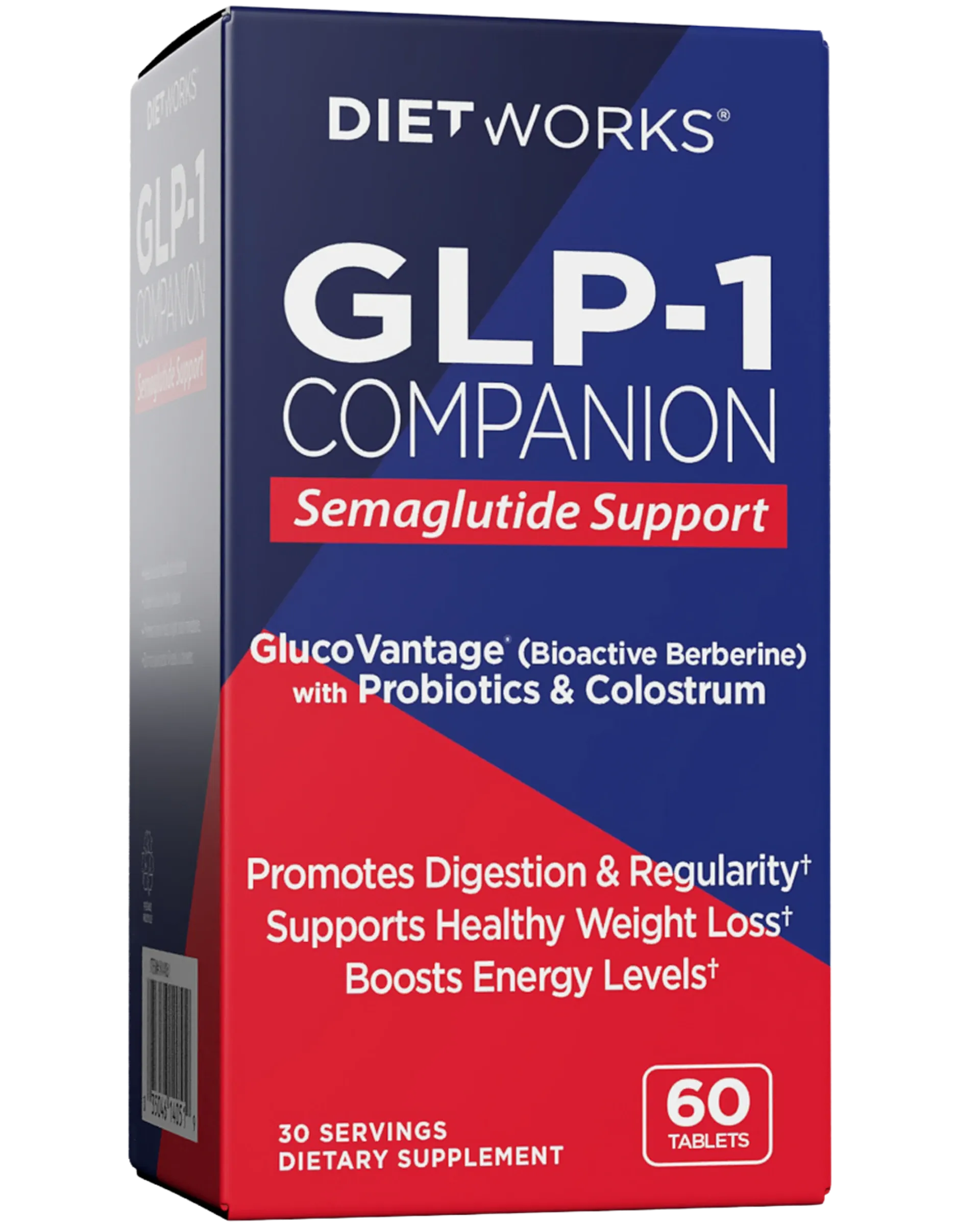
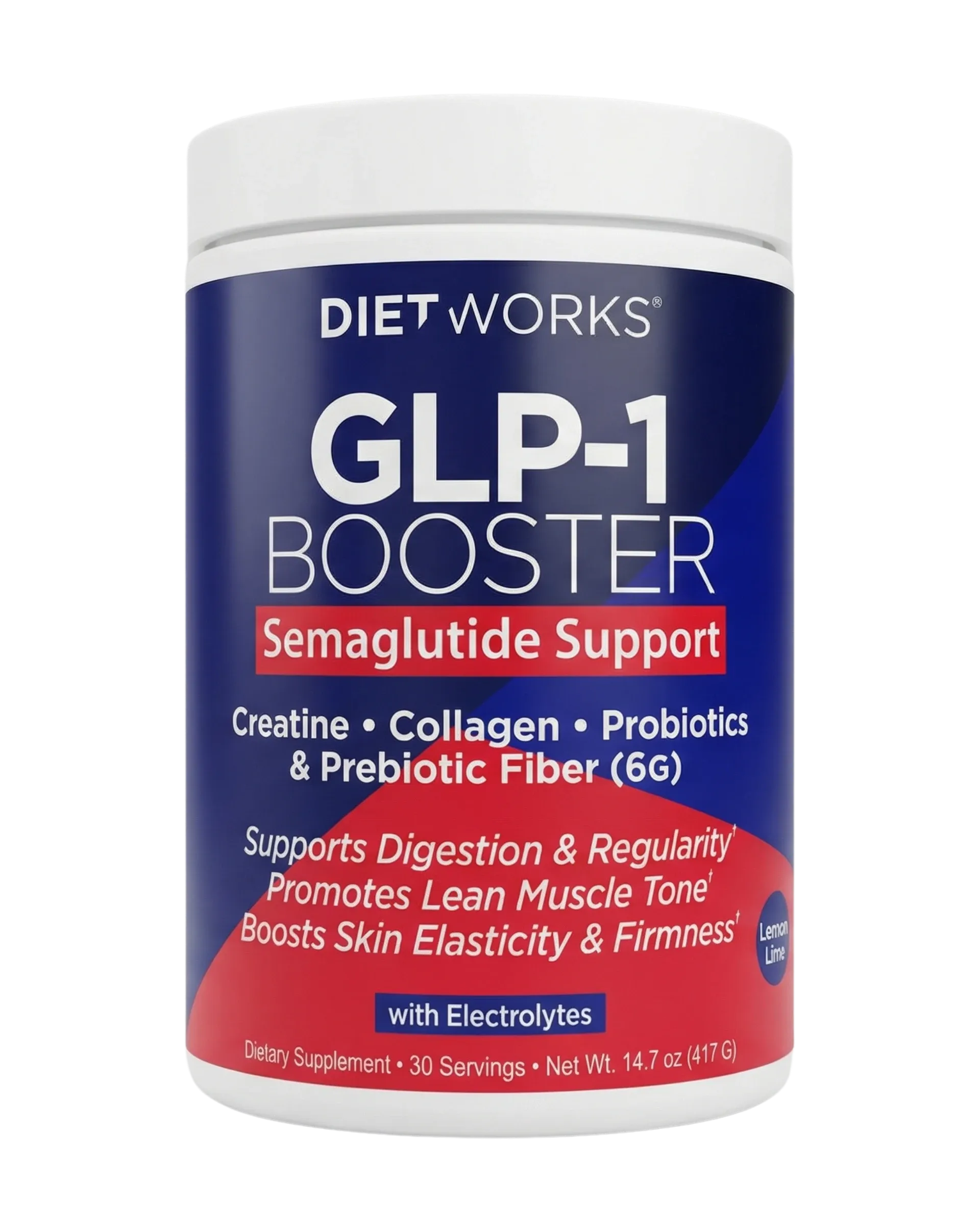
DietWorks GLP-1 Booster Weight Management Support Powder 14.7 oz addresses the GLP-1 signaling piece directly — a meaningful target given what current research shows about estrogen and appetite regulation. The powder format makes it easy to incorporate into a high-protein routine.
Because estrogen decline also accelerates changes in hair texture, thickness, and skin quality, Biotin 5000mcg Hair & Skin Support Tablets 60ct rounds out a practical menopause support stack for the cosmetic changes that affect confidence during this transition.
All Moore Vitamins products are sourced from GMP-certified facilities and ship same day — because the window between deciding to take your health seriously and actually starting should be as short as possible.