Matcha + Nootropics: The 2026 Stack That's Replacing Your Afternoon Coffee
The cognitive supplement market just crossed $8 billion globally, and the ingredient eating coffee's lunch isn't a synthetic compound — it's a 900-year-old Japanese tea powder combined with a precise nootropic stack. Matcha contains roughly 34 mg of caffeine per gram alongside 20–40 mg of L-theanine, an amino acid that research shows modifies caffeine's stimulant effects by dampening the alpha-1 adrenergic response — blunting the spike, extending the curve, and helping temper the cortisol response that caffeine alone can trigger — an effect documented in placebo-controlled trials of L-theanine. A 2021 randomized, placebo-controlled study in Nutrients (Baba et al.) found that matcha intake supported attention and executive function versus placebo in middle-aged and older adults. That 1:1-to-2:1 L-theanine-to-caffeine ratio is now the benchmark combination in modern cognitive formulations. If your mid-afternoon brain fog is costing you hours of real productivity — and you're relying on a second coffee that wrecks your sleep — understanding this stack could change your daily routine in a meaningful way.
Why Everyone Is Talking About Cognitive Stacks Right Now
Something shifted in 2025 and accelerated into 2026: the conversation about brain performance stopped being niche. Remote work normalization, longer careers, and a growing awareness of cognitive decline risk have pushed "mental performance" from biohacker forums into mainstream wellness. Google Trends data shows searches for "nootropics" up 140% since 2022, with "focus supplements" now outpacing "energy supplements" for the first time.
But the trend has a darker driver too. Post-pandemic research confirmed what many people felt: prolonged stress, disrupted sleep, and sedentary lockdown lifestyles accelerated subjective cognitive complaints — brain fog, word-finding difficulty, concentration lapses — in adults as young as 25. People aren't just optimizing anymore. Many are trying to recover baseline.
The result is a wave of demand for cognitive support that is targeted and clean — not the jittery stimulant-heavy products of the early 2010s, but formulations built around synergy, sustainability, and real clinical endpoints like reaction time, working memory, and sustained attention.
What a Matcha-Based Nootropic Stack Actually Is
A nootropic is any compound that may support cognitive function — attention, memory, processing speed, mental clarity — with a reasonable safety profile. The term was coined in 1972 by Romanian chemist Corneliu Giurgea, who set out strict criteria: it must enhance learning and memory, protect the brain under stress, and have low toxicity. Most commercial "brain supplements" don't clear that bar. The matcha-L-theanine combination is one of the few that comes close.
Matcha is powdered green tea made from shade-grown Camellia sinensis leaves. The shading process increases chlorophyll and L-theanine content significantly compared to standard green tea. L-theanine itself is an amino acid that crosses the blood-brain barrier and increases alpha brainwave activity — the state associated with relaxed alertness. Paired with caffeine, it doesn't just "take the edge off." It genuinely rebalances the stimulant's neurochemical profile.
Modern nootropic stacks layer additional evidence-backed ingredients on top of this base — things like B vitamins for neurotransmitter synthesis, lion's mane mushroom extracts for nerve growth factor support, or adaptogens for stress-axis modulation. The goal is a compound effect: each ingredient addressing a different bottleneck in cognitive performance rather than just hammering the same stimulant receptor harder.
What the Current Research Shows
The L-theanine + caffeine combination is arguably the best-evidenced nootropic pairing in the literature. A 2008 double-blind, placebo-controlled crossover study by Haskell and colleagues in Biological Psychology found that L-theanine (250 mg) combined with caffeine (150 mg) improved cognitive performance and self-reported alertness. Later systematic reviews have consistently found the combination supports sustained attention more than either compound alone.
Matcha specifically — not just isolated L-theanine — was studied in that 2021 Nutrients trial. Whole matcha produced better outcomes than an L-theanine-equivalent supplement alone, suggesting the phytocomplex (catechins, EGCG, chlorophyll, other polyphenols) contributes meaningfully to the cognitive signal. EGCG, matcha's dominant catechin, inhibits acetylcholinesterase in preclinical models — preserving the neurotransmitter most associated with memory and learning.
What is still unclear: optimal dosing across different individuals (genetic caffeine metabolism via CYP1A2 varies enormously), long-term effects of daily stacking, and how much bioavailability varies across delivery formats. The gummy format is newer to cognitive supplements — absorption kinetics differ from capsules and powders, and head-to-head bioavailability studies are limited. That said, chewable delivery increases salivary pre-digestion and may improve uptake for fat-soluble compounds like EGCG.
Who Benefits Most From This Type of Supplement
The matcha-nootropic combination is genuinely well-suited to a specific type of person — not everyone.
Knowledge workers and students doing cognitively demanding tasks for 4–8 hours daily are the clearest fit. The sustained-attention benefit is where the evidence is strongest, and this group feels the opportunity cost of focus lapses most acutely.
Coffee-sensitive adults who want caffeine's cognitive benefits without the anxiety, GI distress, or cardiovascular jitter should pay close attention. The L-theanine ratio is specifically what changes the subjective experience — it is not a placebo effect.
Adults over 40 proactively managing cognitive aging are a growing segment. While no supplement reverses neurodegeneration, compounds that support daily cognitive function, manage stress-axis dysregulation, and provide antioxidant protection to neural tissue are increasingly part of evidence-informed longevity protocols.
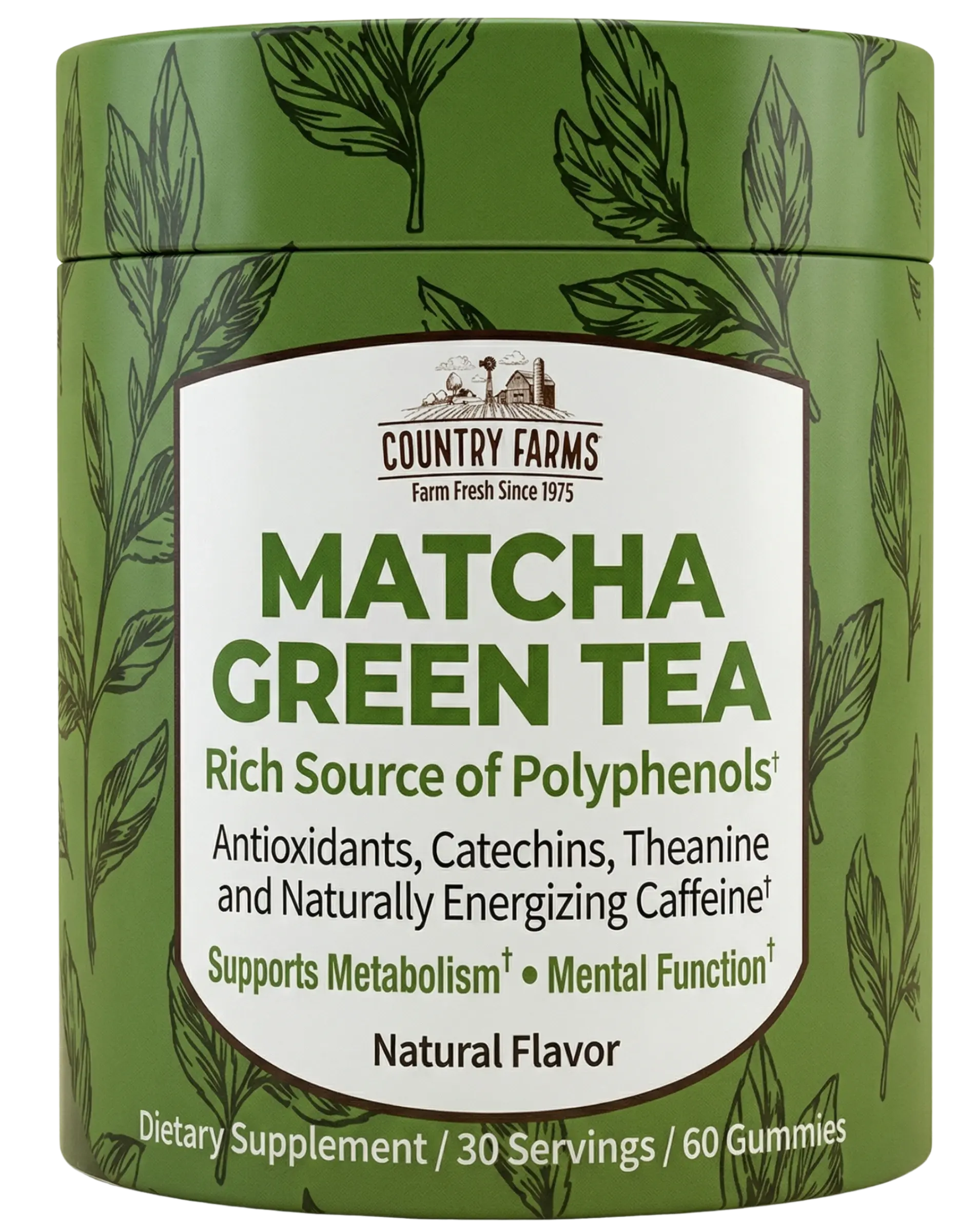
Related Product
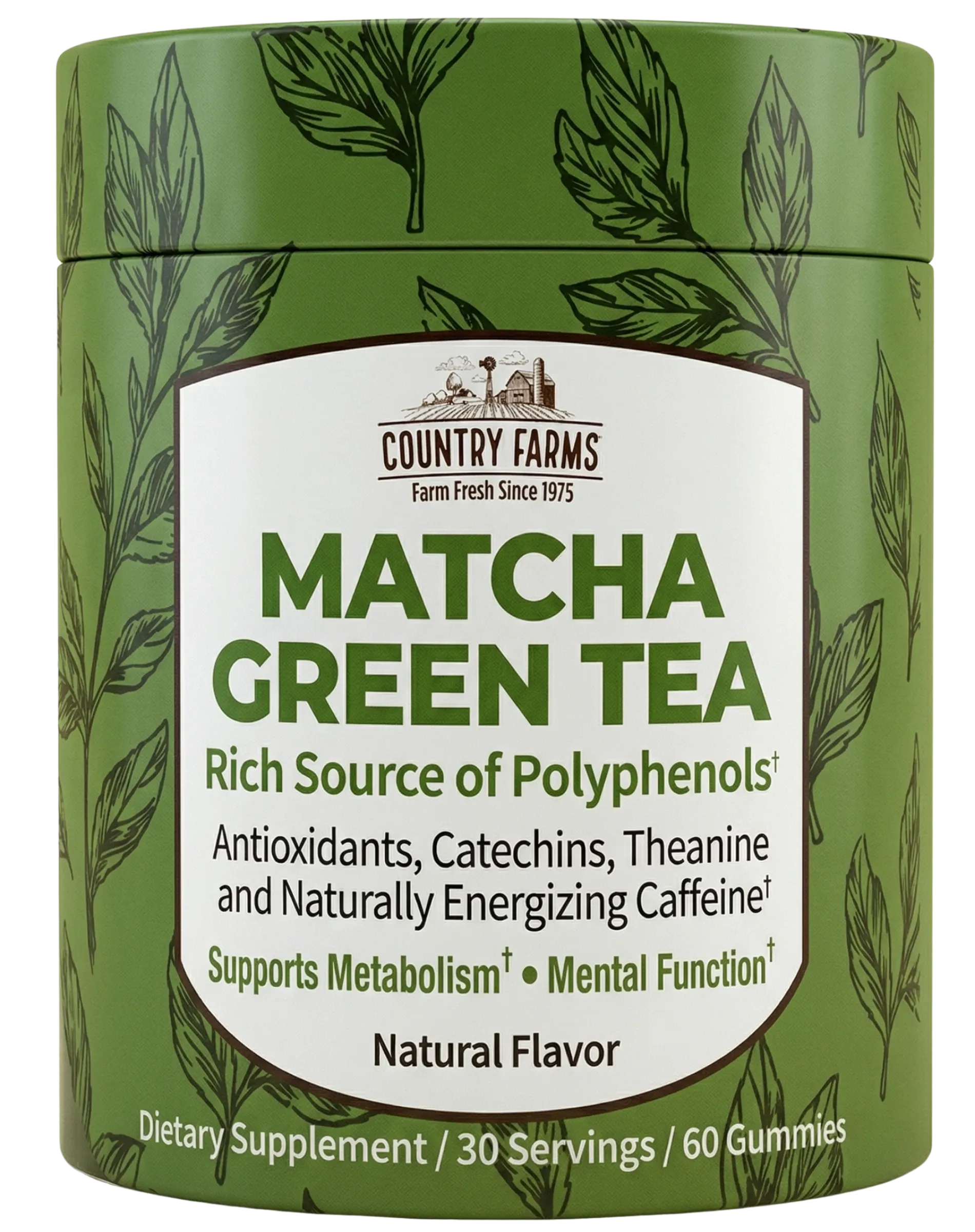
Country Farms Matcha Green Tea Gummies 60ct
$17.99
People trying to quit or reduce coffee who need a scaffolded transition — enough caffeine to prevent withdrawal symptoms, but a neurochemically gentler profile — often find matcha stacks a highly practical bridge.
Who is not the target? People with caffeine sensitivity or anxiety disorders should proceed carefully. Pregnant women should stay below established safe caffeine thresholds. And anyone expecting the stack to replace sleep — it will not.
How to Choose a Quality Cognitive Supplement in This Category
Form matters. Gummies, capsules, powders, and drinks all exist. Gummies offer convenient, pre-dosed delivery without preparation. Capsules often allow more precise ingredient stacking. Matcha powder drinks offer the most whole-food phytocomplex but require preparation and taste preference alignment.
Dose matters more than form. Look for products listing actual milligrams of matcha extract or L-theanine — not just "proprietary blends" that hide dosing. Effective L-theanine doses in studies range from 100–200 mg. Less than that and you are unlikely to see the attention-modulating effect.
Ingredient transparency. Are the additional nootropic ingredients listed with individual doses? Are there third-party certifications (NSF, Informed Sport, USP)? Does the formula avoid artificial stimulants that could mask the clean-focus profile?
Sugar load in gummies. Some cognitive gummies pack 4–6 grams of added sugar per serving. For a daily-use product, this matters. Look for formulations that keep added sugar minimal.
Synergistic co-factors. B vitamins — especially B6, B9, and B12 — are rate-limiting in dopamine and serotonin synthesis. Their inclusion in a cognitive stack is not window dressing; it reflects a mechanistically coherent formulation philosophy.
Frequently Asked Questions
Never run out.
Subscribe to any product and save 10% on every order. Pause or cancel anytime.
Subscribe & Save 10%Q: How long does it take to notice effects from a matcha-based nootropic supplement?
A: The acute effects of L-theanine and caffeine — improved attention, reduced mind-wandering — typically peak between 60 and 90 minutes after ingestion and can last 3–5 hours. Some adaptogens and mushroom extracts in the stack may take 2–4 weeks of consistent daily use before effects on stress resilience and mood become noticeable, since they work through cumulative pathway modulation rather than acute stimulation.
Q: Can I take a matcha nootropic stack if I still drink coffee in the morning?
A: Yes, but track your total daily caffeine intake. Most guidelines place the safe upper limit for healthy adults at 400 mg per day. If your morning coffee already delivers 150–200 mg, a matcha-based supplement in the early afternoon stays well within that window and is specifically designed for the timing when coffee's second cup causes more harm than good — afternoon jitters, disrupted sleep onset, evening cortisol elevation.
Q: Are nootropic gummies as effective as capsules or powders?
A: The active ingredients work the same way regardless of delivery format — what varies is absorption kinetics and convenience. Gummies begin breaking down in the mouth, potentially offering slightly faster onset for water-soluble ingredients like L-theanine. The more important variable is the actual dose per serving and the quality of the ingredients used, not the format itself.
Explore Cognitive Performance Supplements at Moore Vitamins
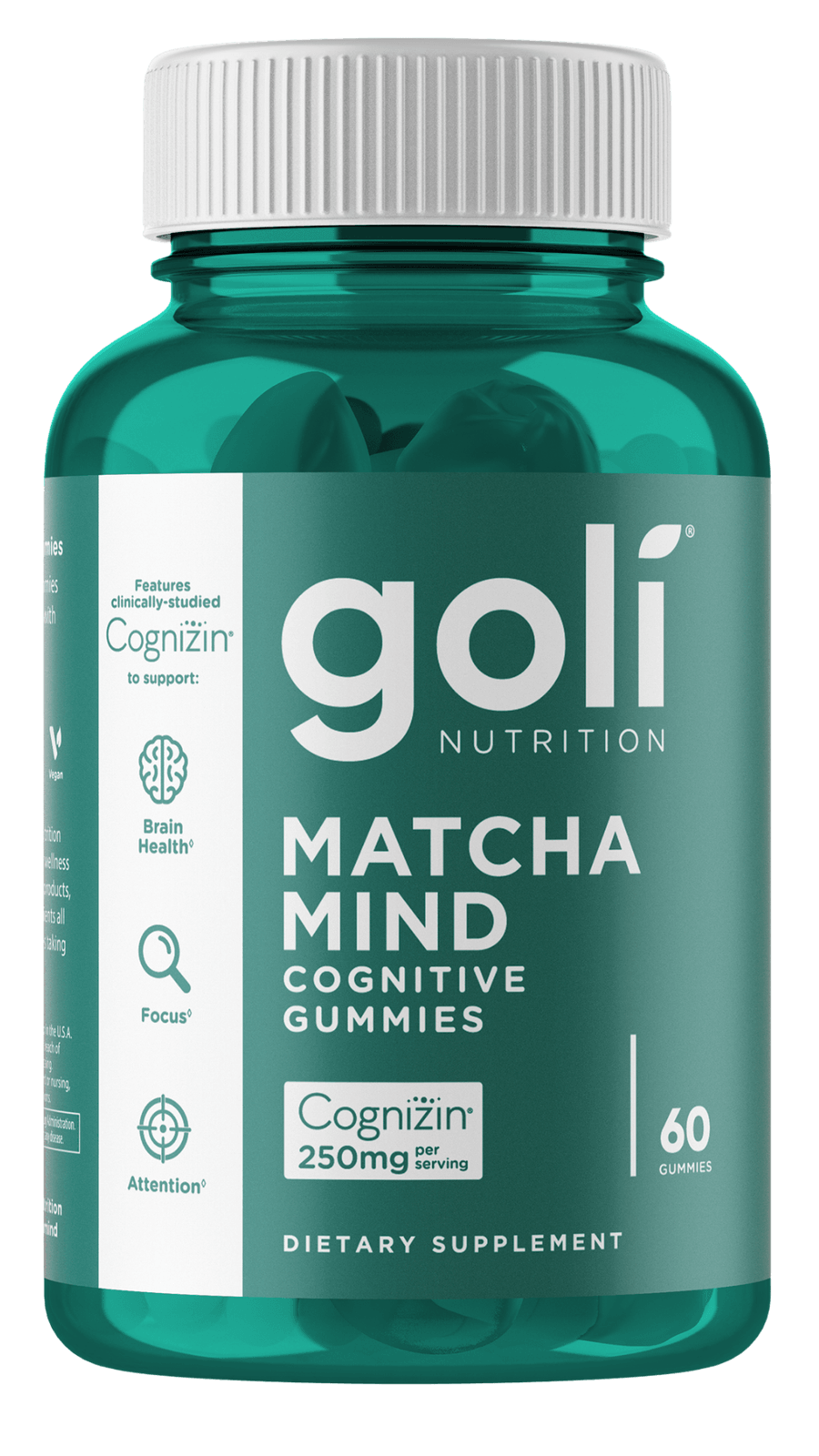
For a ready-to-use, great-tasting format built around the matcha-nootropic approach, Goli Matcha Mind Cognitive Gummies 60ct deliver the core matcha and cognitive-support stack in a pre-dosed gummy — no brewing, no measuring, no afternoon coffee run. Goli is a well-recognized name in evidence-informed gummy supplements, and this formulation reflects the 2026 direction in cognitive support: whole-ingredient sourcing, accessible delivery, and a transparent focus on the compounds that actually move the needle on attention and mental clarity.
Every product at Moore Vitamins ships from a GMP-certified facility, and same-day fulfillment means your new routine starts this week — not next.
Never miss a dose.
Evidence-based wellness guides like this one, in your inbox. No hype, no spam — unsubscribe anytime.