Ashwagandha for Stress in 2026: What the Latest Clinical Trials Actually Show
Ashwagandha is the best-selling adaptogen in the U.S. right now — and for once, the bestseller list is backed by randomized controlled trials, not just Instagram wellness culture. A 2012 randomized, double-blind trial in the Indian Journal of Psychological Medicine (Chandrasekhar et al., n=64) tracked chronically stressed adults over 60 days: the group taking 300 mg of a high-concentration ashwagandha root extract twice daily (600 mg total) recorded a 27.9% drop in serum cortisol compared to 7.9% in the placebo group. Perceived stress scores fell by nearly 44%. A separate 2019 trial in Medicine (Lopresti et al., n=60) replicated the cortisol finding with 240 mg of a standardized extract. The mechanism isn't magic — withanolides, the active compounds in ashwagandha root, appear to modulate the hypothalamic-pituitary-adrenal (HPA) axis, the hormonal circuit that drives your stress response. Adults dealing with chronic work stress, disrupted sleep, or anxiety that tracks with high-pressure seasons will find the most direct relevance here — and the research will change what dose they choose.
Why Everyone Is Talking About Ashwagandha for Stress Right Now
Stress supplement sales hit a record high in 2025, driven by what market analysts are calling a "cortisol economy" — consumers who are no longer satisfied with a vague promise of "calm" and are now demanding biomarker evidence. Cortisol testing at home became mainstream. That shift changed what people buy, and ashwagandha landed at the top because it is one of the only adaptogens with cortisol data from multiple independent trials.
The 2026 conversation is also being shaped by a growing fatigue with pharmaceutical options. Prescriptions for short-term anxiolytics climbed sharply post-pandemic, and many people who tried them are now looking for non-habit-forming daily support — something you can use Monday through Friday without dependency concerns. Ashwagandha fits that gap cleanly.
There is also a quality problem driving the conversation. Third-party testing in 2024 found that roughly one in five ashwagandha supplements on the market was either underdosed or contained fillers not listed on the label. That has pushed informed buyers to look for standardized extracts with verified withanolide content, and to understand what those numbers actually mean.
What Ashwagandha Actually Is
Ashwagandha (Withania somnifera) is a small shrub native to India and North Africa that has been used in Ayurvedic medicine for over 3,000 years. Its roots and berries contain a family of steroidal lactones called withanolides, which are the compounds researchers believe are responsible for its adaptogenic effects.
"Adaptogen" is a specific pharmacological term, not a marketing category. It describes a substance that helps the body resist physical, chemical, and biological stressors without causing stimulation or sedation. Ashwagandha qualifies under that definition — it does not spike energy like caffeine, and it does not sedate like melatonin. It works upstream, at the hormonal regulation level.
The root extract is the form used in virtually every clinical trial. Leaf extracts exist on the market, but the evidence base for root is vastly stronger. When you see a supplement cite study outcomes, check that the trial used root extract — anything else is borrowing credibility that hasn't been earned.
What the Current Research Shows
The evidence for ashwagandha and stress is genuinely strong for an herbal supplement — with important caveats about what "strong" means here.
What is proven: Multiple randomized, double-blind, placebo-controlled trials show statistically significant reductions in perceived stress scores (PSS) and serum cortisol in adults with self-reported chronic stress. The effect size is consistent: roughly 20–30% cortisol reduction over 60 days at doses of 300–600 mg of standardized root extract. A 2021 systematic review in the Journal of Evidence-Based Integrative Medicine analyzed five such trials and confirmed the pattern.
What is promising: Emerging data suggests ashwagandha may also support sleep quality in stressed adults — a secondary outcome that appeared in three trials. This is biologically plausible because high cortisol is a primary driver of poor sleep onset. One 2019 trial (n=150) specifically focused on insomnia and found significant improvement in sleep efficiency scores. This line of research is not yet conclusive, but it is being actively studied.
What is still unclear: Long-term safety data beyond 90 days is limited. Most trials run 60 days. There are also open questions about dose-response relationships — whether higher doses continue to deliver greater benefits, or whether there is a ceiling effect around 600 mg. Researchers have not yet identified why some individuals respond strongly while others show minimal cortisol change.
Who Benefits Most From Ashwagandha
The clinical trial populations give a clear picture of who this supplement is actually for.
Adults with chronic, sustained stress — not acute situational stress — are the primary beneficiaries. The trials enrolled people who had experienced elevated stress for at least one month. A single difficult week is not the context ashwagandha was studied in.
People whose stress manifests physically — fatigue, disrupted sleep, muscle tension — showed stronger outcomes in subgroup analyses than those with predominantly cognitive anxiety symptoms.
Athletes and active individuals are an emerging population. A 2015 study in the Journal of the International Society of Sports Nutrition found ashwagandha supplementation associated with significantly greater improvements in muscle recovery and reduced exercise-induced cortisol spikes in resistance-trained men. This is a real secondary use case with its own evidence base.
Who it's likely NOT for: People with thyroid disorders should consult a physician first — ashwagandha may influence thyroid hormone levels. Pregnant women should avoid it; animal studies raise safety concerns that haven't been ruled out in humans.
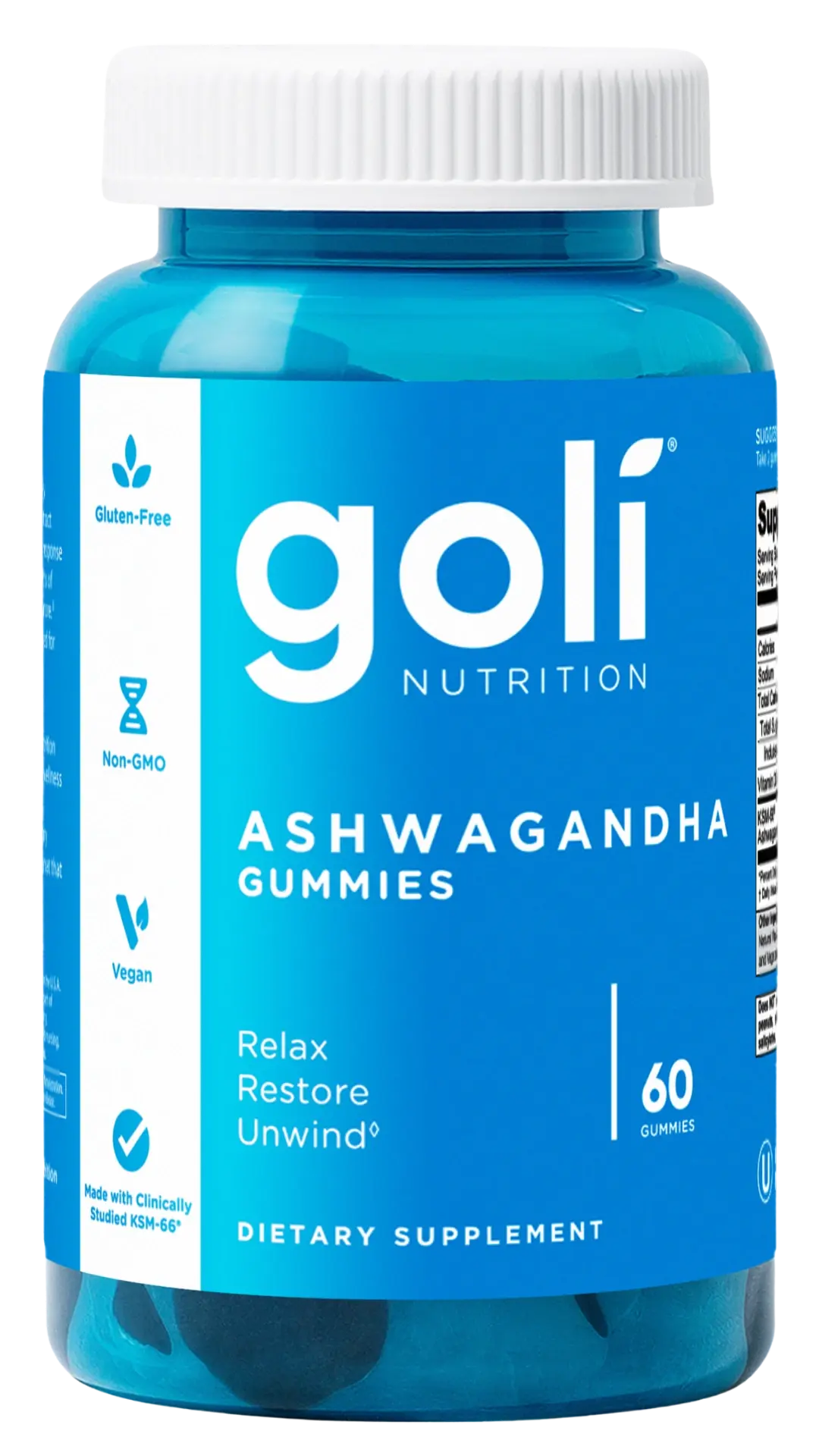
Related Product
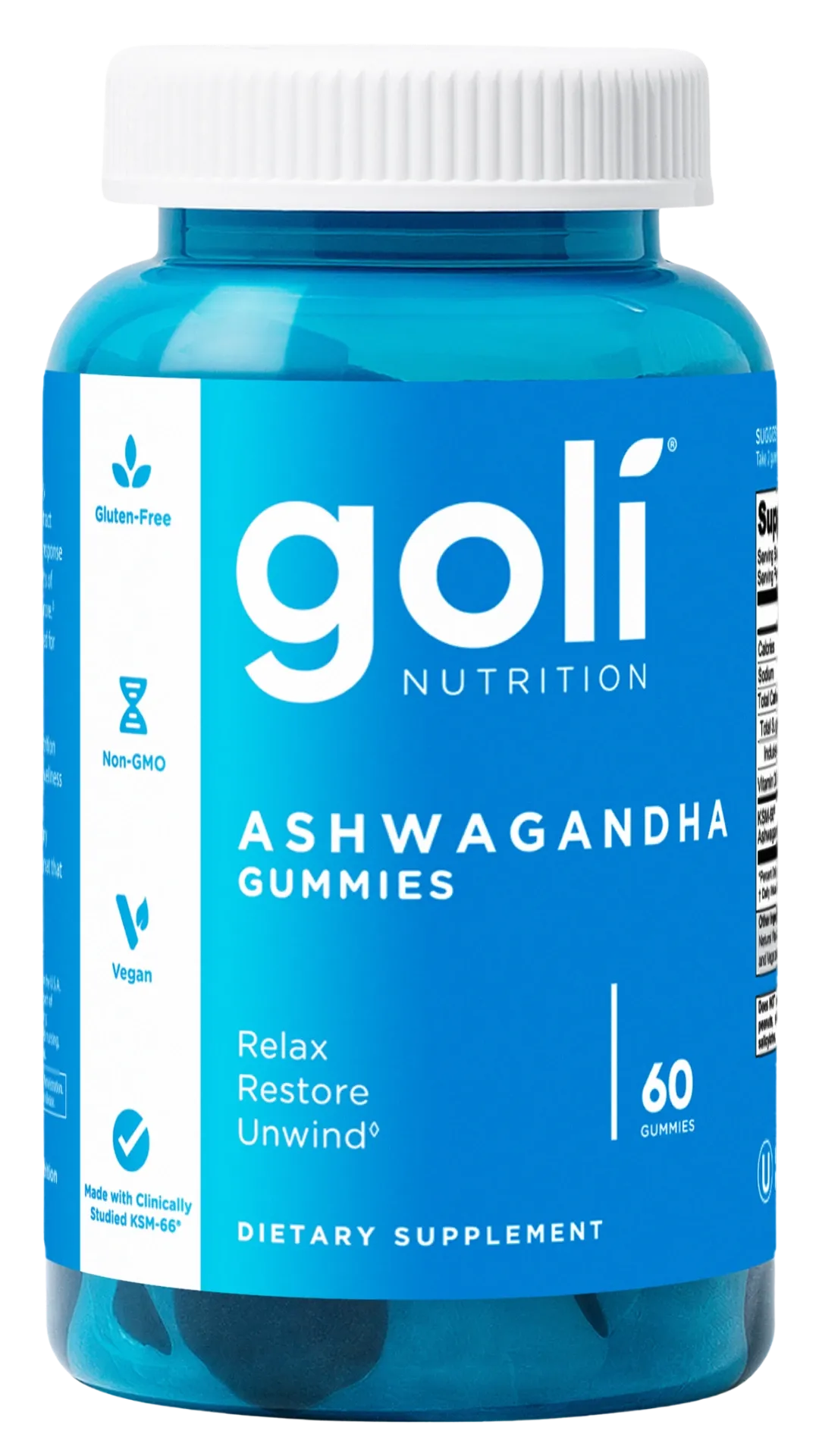
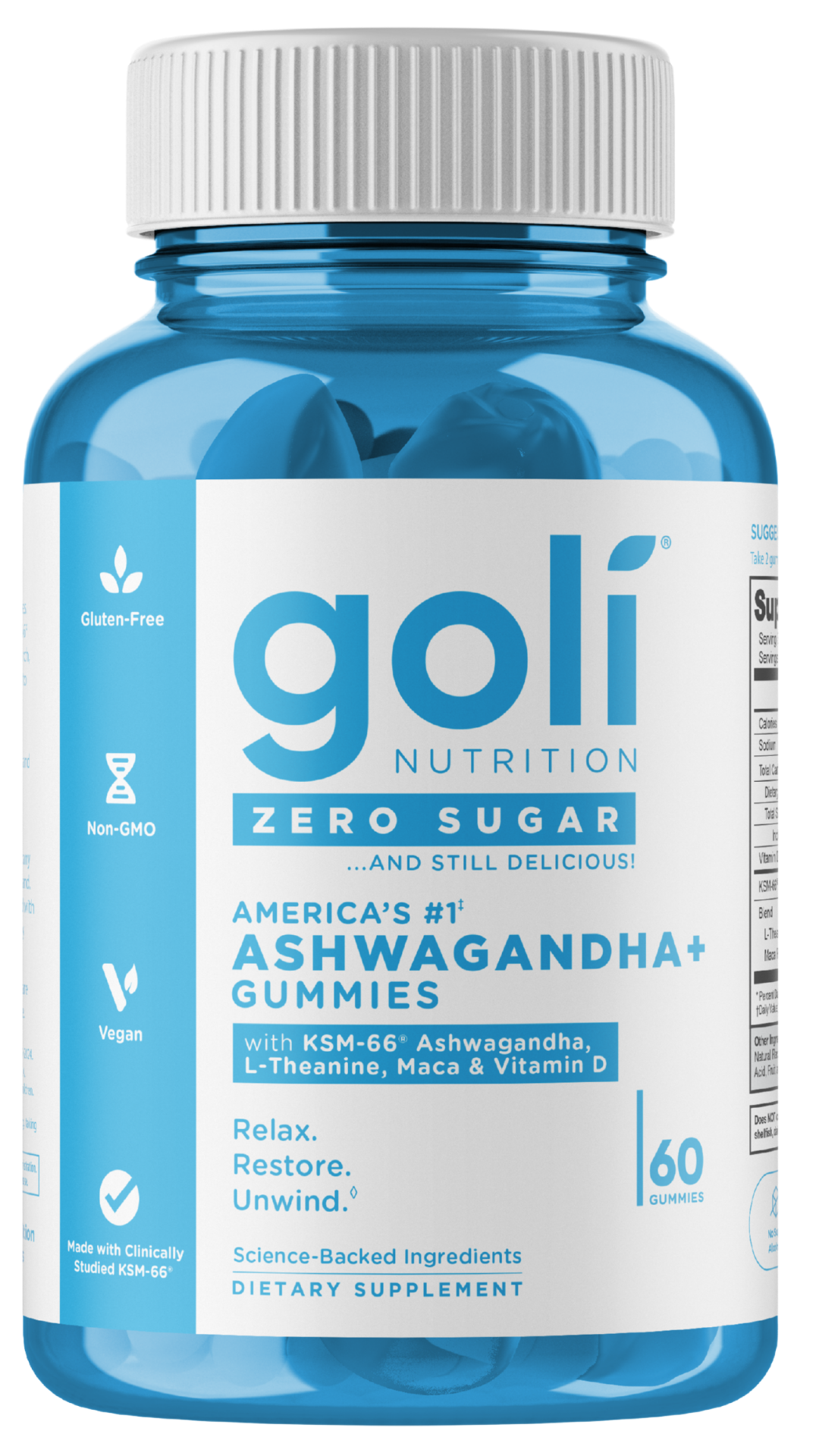
Goli Ashwagandha Gummies 60ct
$14.98
How to Choose a Quality Ashwagandha Supplement
Form: Root extract is the only form with robust clinical evidence. Look for a standardized extract listing withanolide content — typically 2.5% to 5% withanolides. If a label does not list withanolide standardization, you have no way to know if the active compounds are present in meaningful amounts.
Dose: The clinical sweet spot is 300–600 mg of standardized root extract per day. Studies have used both single and split doses. There is no clear advantage to either; consistency over weeks matters more than timing.
Quality markers: GMP (Good Manufacturing Practices) certification means the facility is audited for manufacturing consistency. Third-party testing — NSF, USP, or Informed Sport — adds an independent verification layer that the label matches the contents.
What to avoid: Proprietary blends that hide how much ashwagandha is actually present. Leaf extract marketed with root extract study citations. Supplements with no withanolide standardization percentage listed. Excessively high doses marketed as "5x stronger" — more withanolides is not always better and high doses have been linked to rare liver enzyme elevations in case reports.
Timing: Most trial participants took their dose with meals. There is no compelling reason to take it at a specific time of day, though some users report better sleep when they take it in the evening — consistent with the cortisol-lowering mechanism.
Frequently Asked Questions
Q: How long does ashwagandha take to work for stress?
Never run out.
Subscribe to any product and save 10% on every order. Pause or cancel anytime.
Subscribe & Save 10%A: Most clinical trials show measurable reductions in cortisol and perceived stress by week four, with peak effects around week eight. Do not judge the supplement after one week — the HPA axis modulation is a gradual, cumulative process. Consistency matters more than dose timing.
Q: Can ashwagandha make anxiety worse?
A: In clinical trials at standard doses (300–600 mg), anxiety worsening was not observed as an adverse effect. However, individual responses vary, and some users report temporary GI discomfort when starting. If symptoms worsen after two weeks of consistent use, discontinue and speak with a healthcare provider. The rare liver-related case reports involve doses well above the studied range.
Q: Is ashwagandha safe to take every day?
A: The available clinical evidence — which runs up to 90 days — shows a favorable safety profile at 300–600 mg daily. Beyond 90 days, long-term safety data is limited but no significant concerns have emerged in observational use. People with thyroid conditions, autoimmune diseases, or those on immunosuppressants should consult a physician before daily use.
Explore Ashwagandha Supplements at Moore Vitamins
If the research above matches what you're dealing with — sustained stress, elevated cortisol, disrupted sleep — a standardized ashwagandha root extract is the logical first step.
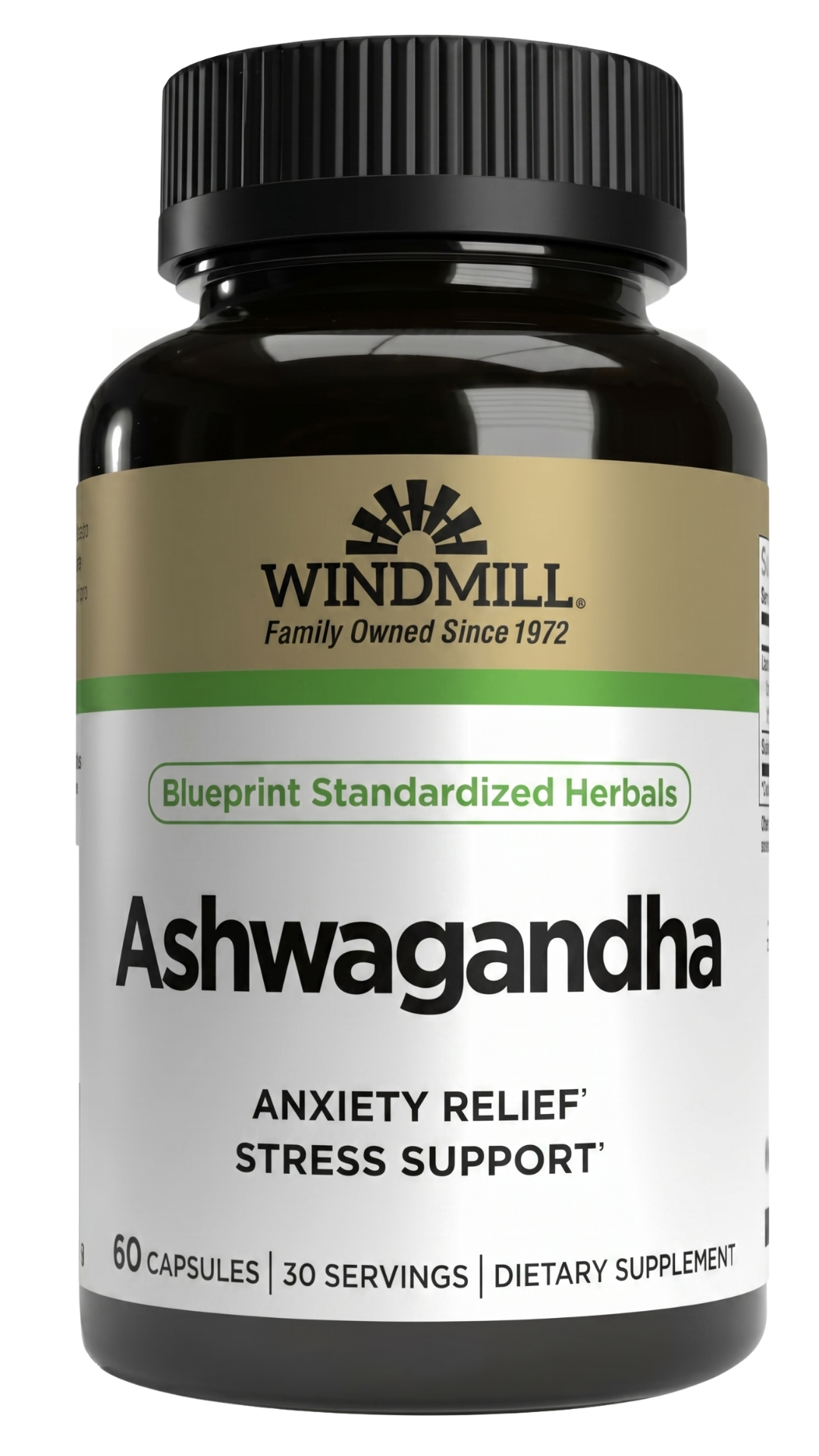
Windmill Ashwagandha Stress & Mood Support Capsules 60ct delivers a clinically relevant dose in a convenient capsule format, manufactured to GMP standards. It's designed for the everyday adult who needs reliable daily support — not a vague "wellness boost," but a product aligned with what the actual trials studied.
Moore Vitamins ships same-day on orders placed before cutoff, so you're not waiting two weeks to start a protocol that takes 30–60 days to show full results. Every day of the build phase matters.
Never miss a dose.
Evidence-based wellness guides like this one, in your inbox. No hype, no spam — unsubscribe anytime.