Natural Seasonal Allergy Relief: Holistic Approaches to Support Your Comfort
Quick Answer: Natural seasonal allergy support combines targeted nutrients, traditional herbs, and exposure-reducing habits. Vitamin C — often called nature's antihistamine — may help maintain healthy histamine levels and stabilize mast cells, while quercetin, a flavonoid found in onions, apples, and berries, supports a healthy inflammatory response. Traditional herbal allies include butterbur and stinging nettle, and omega-3 fatty acids from fish, walnuts, and flaxseeds may further support healthy inflammatory balance. Pair these with practical steps: keep windows closed on high-pollen days, run a HEPA air purifier, shower after time outdoors, and stay hydrated with at least 8 glasses of water daily. Start your regimen 4-6 weeks before your typical allergy season begins — most people notice improvements within 2-4 weeks of consistent use. Seasonal allergies affect nearly 50 million Americans yearly, so consult your healthcare provider before combining natural approaches with any medications.
Last updated: July 2026
Understanding Seasonal Allergies
Seasonal allergies, also known as hay fever or allergic rhinitis, occur when your immune system overreacts to airborne particles like pollen, mold spores, or dust. During allergy season, trees, grasses, and weeds release tiny pollen particles into the air to fertilize other plants. When these particles enter your nasal passages, your immune system may mistakenly identify them as harmful invaders.
This immune response triggers the release of histamine and other inflammatory compounds, leading to the familiar symptoms of runny nose, sneezing, congestion, and itchy, watery eyes. The timing of your symptoms often depends on what you're sensitive to – tree pollen typically peaks in spring, grass pollen in late spring and early summer, and weed pollen in fall.
Natural Nutrients That May Support Allergy Comfort
Several vitamins, minerals, and natural compounds have been associated with supporting the body's healthy response to environmental allergens. These nutrients work by supporting various aspects of immune function and inflammatory response.
Vitamin C: Nature's Antihistamine
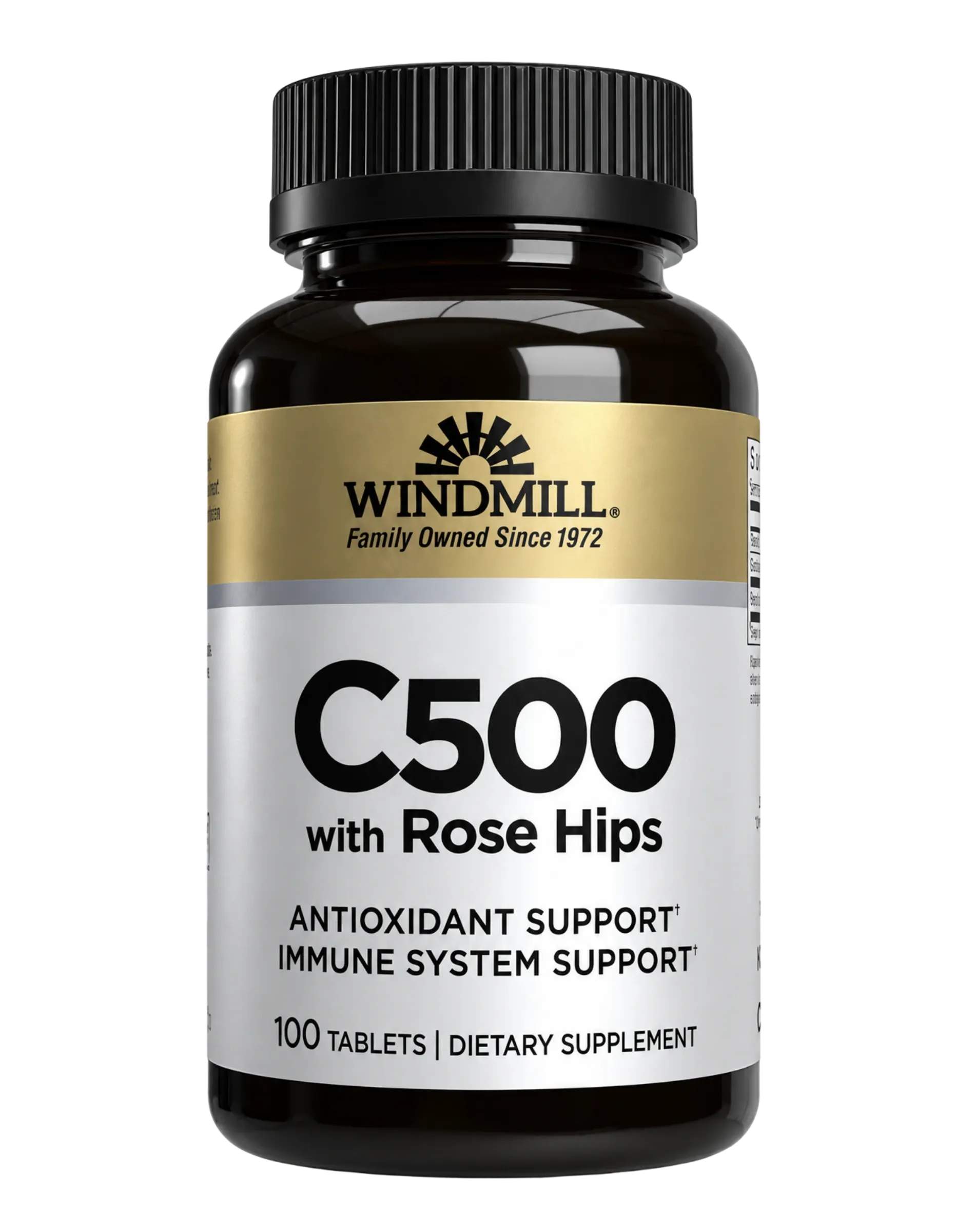
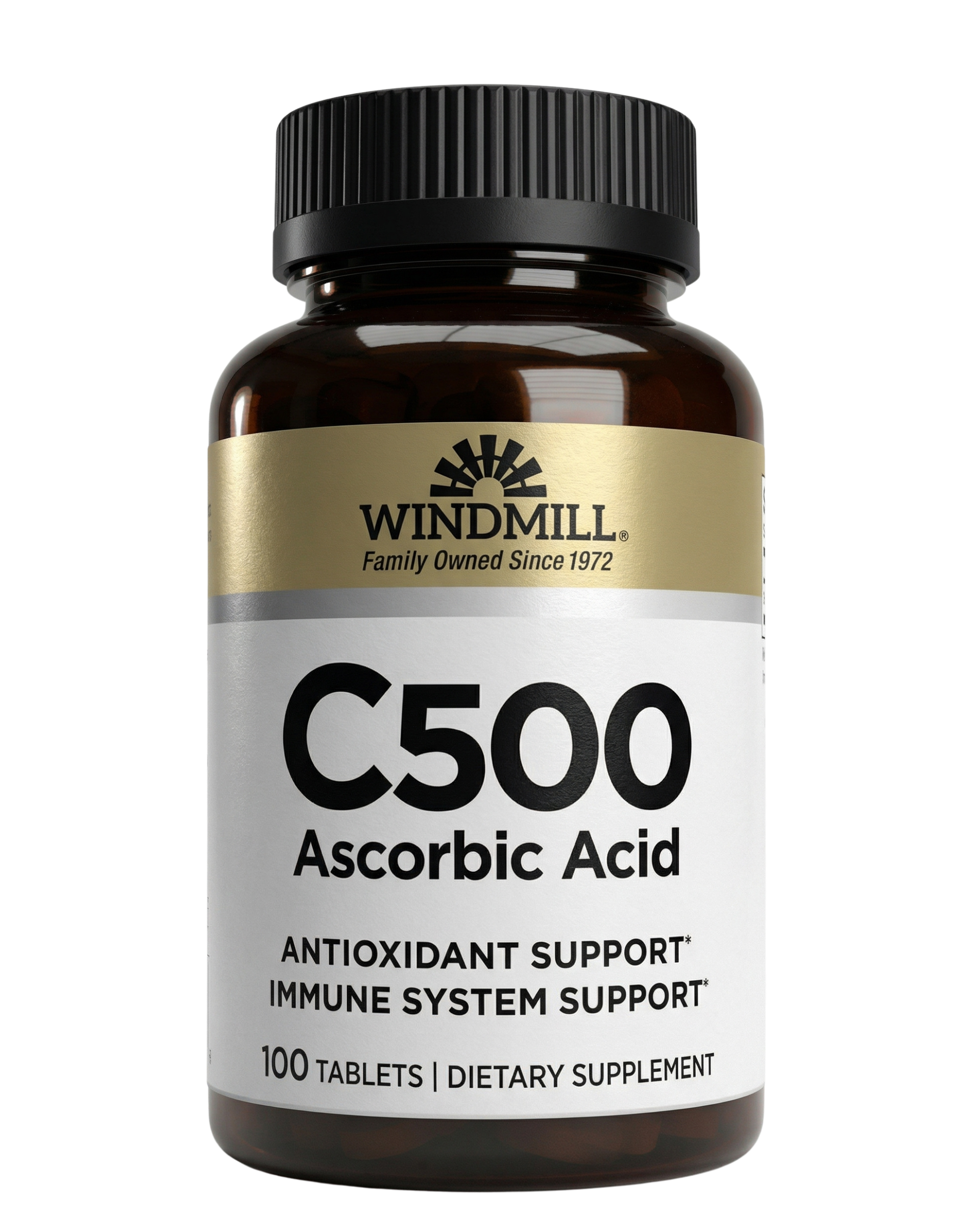
Vitamin C is often called nature's antihistamine due to its potential to support healthy histamine levels in the body source. This powerful antioxidant may help stabilize mast cells, which are responsible for releasing histamine during allergic reactions. Research suggests that adequate vitamin C levels are associated with reduced allergy symptoms and improved respiratory comfort. Consider adding our Vitamin C 500mg Immune Support to your daily routine during allergy season.
Quercetin: The Plant Flavonoid
Quercetin is a natural flavonoid found in foods like onions, apples, and berries. This compound has been studied for its potential to support healthy inflammatory responses and may help stabilize histamine-releasing cells source. Many people find quercetin supplements helpful when taken consistently during allergy season.
Herbal Allies for Seasonal Support
Traditional herbal medicine offers several options that have been used for centuries to support respiratory comfort and seasonal wellness. These botanical allies work through various mechanisms to help your body maintain balance during challenging times.
Butterbur and Nettle
Butterbur (Petasites hybridus) has been extensively studied for its potential to support nasal comfort during allergy season source. This herb contains compounds that may help maintain healthy inflammatory responses in the nasal passages. Stinging nettle (Urtica dioica) is another traditional remedy that has been associated with supporting respiratory comfort and may help the body maintain healthy histamine levels.
Local Honey: Sweet Relief
While the scientific evidence is mixed, many people swear by local honey as a natural approach to seasonal allergies. The theory suggests that consuming small amounts of local pollen through honey may help your body gradually adapt to environmental allergens. Choose raw, unprocessed honey from local beekeepers for the best potential benefits.
Lifestyle Strategies for Natural Allergy Management
Beyond supplements and herbs, several lifestyle modifications can significantly impact your comfort during allergy season. These strategies focus on reducing exposure while supporting your body's natural defenses.
Environmental Controls
Minimizing your exposure to allergens is one of the most effective natural approaches to allergy management. Keep windows closed during high pollen days and use air conditioning with clean filters. Consider using a HEPA air purifier in your bedroom and main living areas. Shower and change clothes after spending time outdoors, especially during peak pollen times.
Check daily pollen counts and plan outdoor activities accordingly. Early morning and late evening typically have lower pollen levels than midday. Keep car windows closed while driving and use the recirculation setting on your air conditioning.
Dietary Approaches
What you eat can influence how your body responds to allergens. Foods rich in omega-3 fatty acids, such as wild-caught fish, walnuts, and flaxseeds, may help support healthy inflammatory responses source. Consider incorporating our high-quality Omega-3 Fish Oil 1000mg to support your anti-inflammatory nutrition goals. Incorporate plenty of colorful fruits and vegetables, which provide natural antihistamines and anti-inflammatory compounds.
Consider reducing dairy intake during allergy season, as some people find it increases mucus production. Spicy foods containing capsaicin, like hot peppers, may help thin mucus and provide temporary relief from congestion.
Supporting Your Body's Natural Detoxification
Related Product
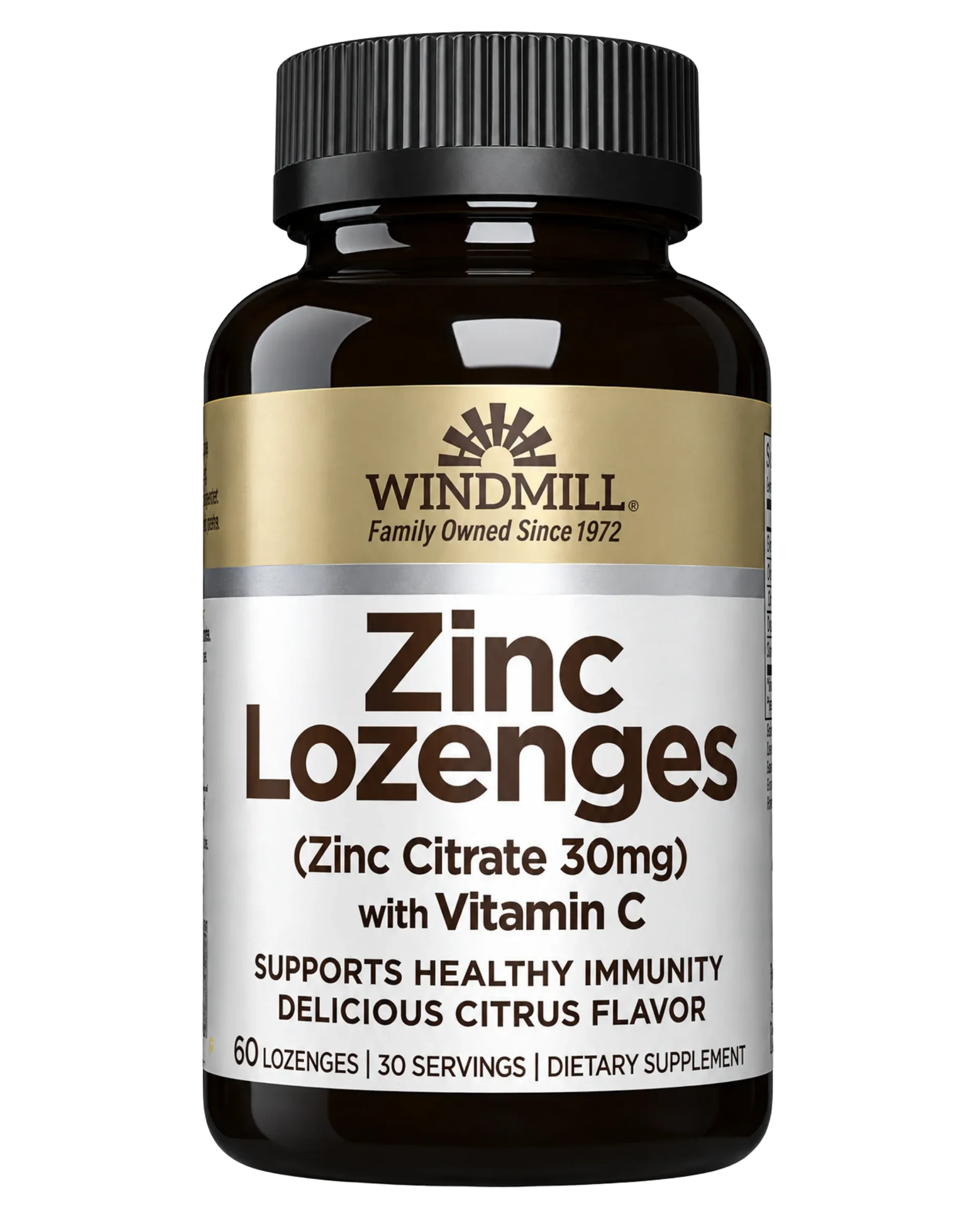
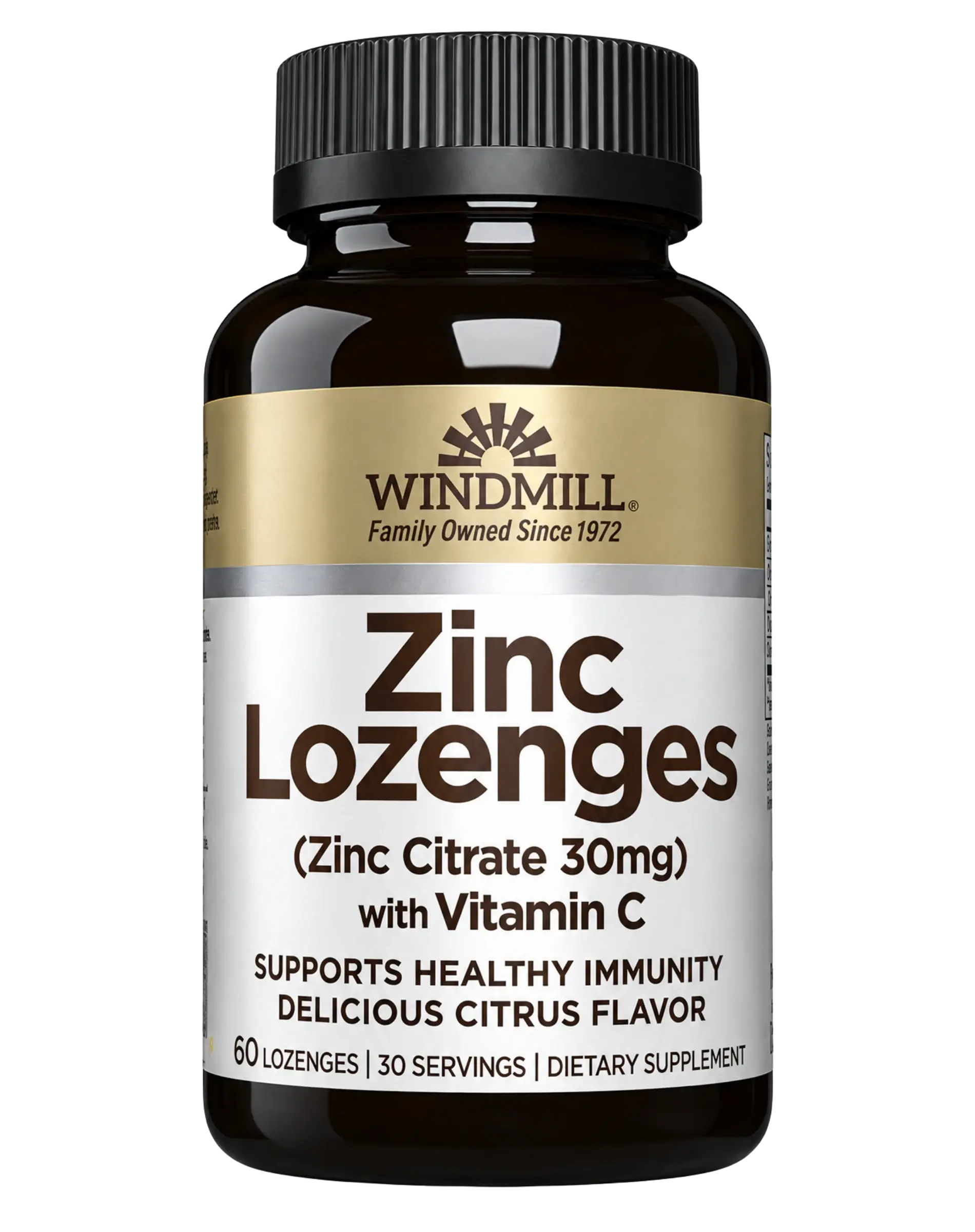
Windmill Zinc & Vitamin C Citrus Immune Support Lozenges 60ct
$7.99
Your liver and other detoxification organs play crucial roles in processing environmental toxins and supporting immune function. Supporting these systems naturally may help your body better cope with allergen exposure.
Hydration and Elimination
Staying well-hydrated helps thin mucus secretions and supports your body's natural detoxification processes. Aim for at least 8 glasses of pure water daily, and consider adding lemon or cucumber for extra flavor and nutrients. Herbal teas like green tea, which contains natural antihistamines, can contribute to your fluid intake while providing additional benefits.
Ensure regular bowel movements, as constipation can increase the toxic load on your system. Fiber-rich foods, adequate water intake, and regular exercise all support healthy elimination. A quality probiotic like our Daily Probiotic Digestive Health can help maintain gut balance, which is closely connected to immune function.
Mind-Body Approaches
Stress can significantly impact immune function and may worsen allergy symptoms. Incorporating stress-reduction techniques into your routine may help support your body's ability to handle seasonal challenges. Natural adaptogens like Ashwagandha Stress & Mood Support may help your body better manage stress responses during allergy season.
Breathing and Relaxation
Deep breathing exercises can help reduce stress while potentially improving nasal congestion. Try the 4-7-8 breathing technique: inhale for 4 counts, hold for 7, and exhale for 8. This practice activates the parasympathetic nervous system, promoting relaxation and potentially reducing inflammatory responses.
Regular meditation, yoga, or tai chi practice may help support overall immune balance and stress resilience. Even 10-15 minutes daily can make a meaningful difference in how your body responds to seasonal stressors.
Creating Your Natural Allergy Support Plan
Developing an effective natural approach to seasonal allergies often requires a comprehensive strategy that addresses multiple aspects of health. Start by identifying your specific triggers through observation or allergy testing, then build a plan that combines the most relevant natural approaches.
Begin implementing changes 4-6 weeks before your typical allergy season starts. This gives your body time to build up nutritional reserves and adapt to new routines. Keep a symptom diary to track what works best for your unique situation. Browse our full collection to find the natural supplements that best fit your seasonal wellness needs.
Product Recommendations
Never run out.
Subscribe to any product and save 10% on every order. Pause or cancel anytime.
Subscribe & Save 10%For those seeking high-quality natural supplements to support their seasonal wellness routine, Windmill Vitamin C provides essential antioxidant support that may help maintain healthy immune responses. Additionally, consider exploring comprehensive immune support formulas that combine multiple beneficial nutrients in convenient daily doses.
Frequently Asked Questions
Q: How long does it take for natural allergy remedies to show effects?
Natural approaches typically work more gradually than conventional medications. Most people notice improvements within 2-4 weeks of consistent use, though some may experience benefits sooner. For best results, start your natural regimen before allergy season begins.
Q: Can I use natural remedies alongside conventional allergy medications?
Many natural approaches can complement conventional treatments, but it's essential to consult with your healthcare provider before combining therapies. Some natural supplements may interact with medications or enhance their effects.
Q: Are there any side effects to natural allergy remedies?
While generally well-tolerated, natural remedies can still cause side effects in some people. Always follow recommended dosages, start with smaller amounts to assess tolerance, and discontinue use if you experience any adverse reactions. Consult your healthcare provider if you have concerns.
Shop the Products Mentioned
Never miss a dose.
Evidence-based wellness guides like this one, in your inbox. No hype, no spam — unsubscribe anytime.