Turmeric Without Black Pepper Is Almost Useless — Here's the Science Behind Bioavailability
Most people taking turmeric supplements are absorbing less than 5% of the active compound — not because turmeric doesn't work, but because they're taking it wrong.
Curcumin, the polyphenol responsible for turmeric's well-documented anti-inflammatory effects, is notoriously difficult for the body to absorb. It dissolves poorly in water, metabolizes rapidly in the gut, and gets cleared by the liver before it can reach tissues where it matters. Studies using plain curcumin show serum concentrations so low they're nearly undetectable. One widely cited pharmacokinetic study found that combining curcumin with piperine — the active compound in black pepper — increased absorption by up to 2,000%. That single formulation decision separates a supplement that does something from one that does essentially nothing. If you're choosing a turmeric product right now, or already taking one, what follows will tell you exactly what to look for and what to skip.
Why Curcumin's Bioavailability Problem Is a Real Obstacle
Curcumin makes up only 2–8% of turmeric root by weight. Even at a 1,000 mg turmeric dose, you're getting at most 80 mg of actual curcumin. Then the gut metabolism problem kicks in: curcumin is rapidly converted into inactive metabolites before it ever reaches systemic circulation. You swallow a capsule, the body breaks it down, and most of it exits the body without ever reaching inflamed joints, muscle tissue, or the bloodstream at meaningful levels.
This isn't a fringe concern — it's the central challenge that every serious curcumin researcher grapples with. The NIH Office of Dietary Supplements doesn't yet maintain a dedicated curcumin fact sheet precisely because the evidence picture is still being refined, much of it contingent on delivery method. The peer-reviewed research on curcumin bioavailability is extensive — and it consistently lands on the same conclusion: form matters enormously.
What the Research Actually Shows
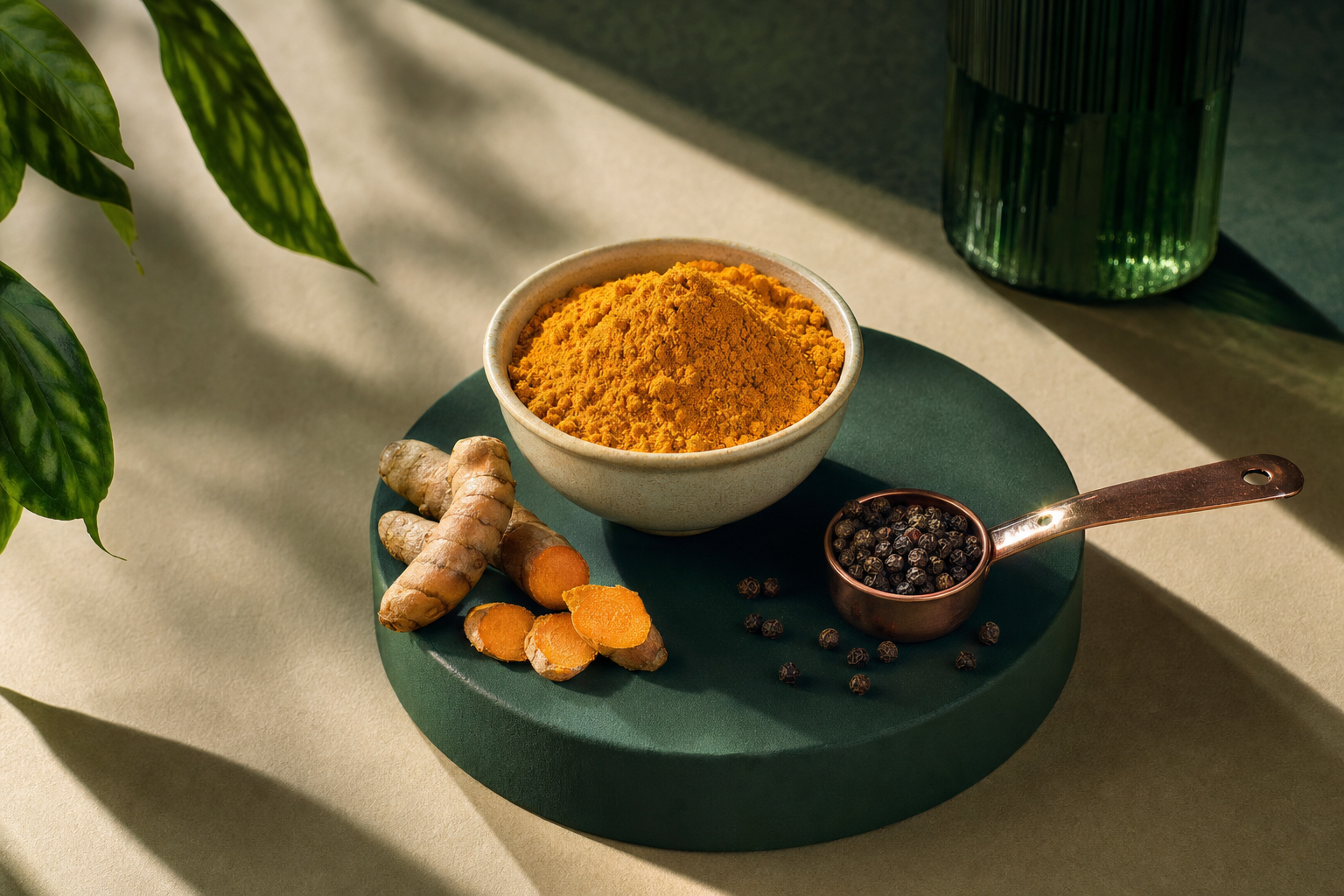
The piperine-curcumin combination is the most studied absorption strategy. A foundational pharmacokinetic study found that 20 mg of piperine taken alongside 2,000 mg of curcumin increased serum curcumin levels by approximately 2,000% in humans. That's not a rounding error — that's the difference between pharmacological activity and expensive urine.
Beyond piperine, researchers have explored several other delivery strategies:
- Phospholipid complexes (Meriva): Binding curcumin to phosphatidylcholine improves fat solubility and has shown absorption increases of 29-fold in some studies compared to standard curcumin.
- Nanoparticle formulations: Promising in early research, but most are still in preclinical or early clinical phases.
- Liposomal curcumin: Shows meaningful improvement in absorption, though research in humans remains limited compared to piperine studies.
- Fat co-ingestion: Because curcumin is fat-soluble, taking it with a meal containing healthy fats modestly improves uptake even without special formulation.
The evidence for piperine enhancement is strong and well-replicated. The evidence for proprietary formulations (Meriva, Longvida, BCM-95) is promising but often funded by the companies behind those technologies — worth noting when weighing claims.
The Dose Question Nobody Talks About Enough
Most clinical studies showing anti-inflammatory benefits used curcumin doses of 500–1,000 mg per day of actual curcumin — not turmeric root powder. A 1,000 mg turmeric capsule contains roughly 50–80 mg of curcumin. That gap matters.
To get 500 mg of curcumin from a standard turmeric supplement, you'd need to take several capsules daily. Some manufacturers address this by using curcumin extract standardized to 95% curcuminoids, which delivers far more active compound per capsule than raw turmeric powder alone.
The research on curcumin and inflammation outcomes shows meaningful results at these higher standardized doses — particularly for joint discomfort, post-exercise muscle soreness, and markers of systemic inflammation like CRP. Studies using low-dose, non-standardized turmeric powder tend to show weaker or inconsistent results.
This is why reading the label carefully isn't optional. "1,000 mg turmeric" and "1,000 mg curcumin extract (95% curcuminoids)" are completely different products.
What to Look For When Buying
Standardization: Look for "95% curcuminoids" on the label. This tells you the extract is concentrated, not just raw ground root.
Related Product
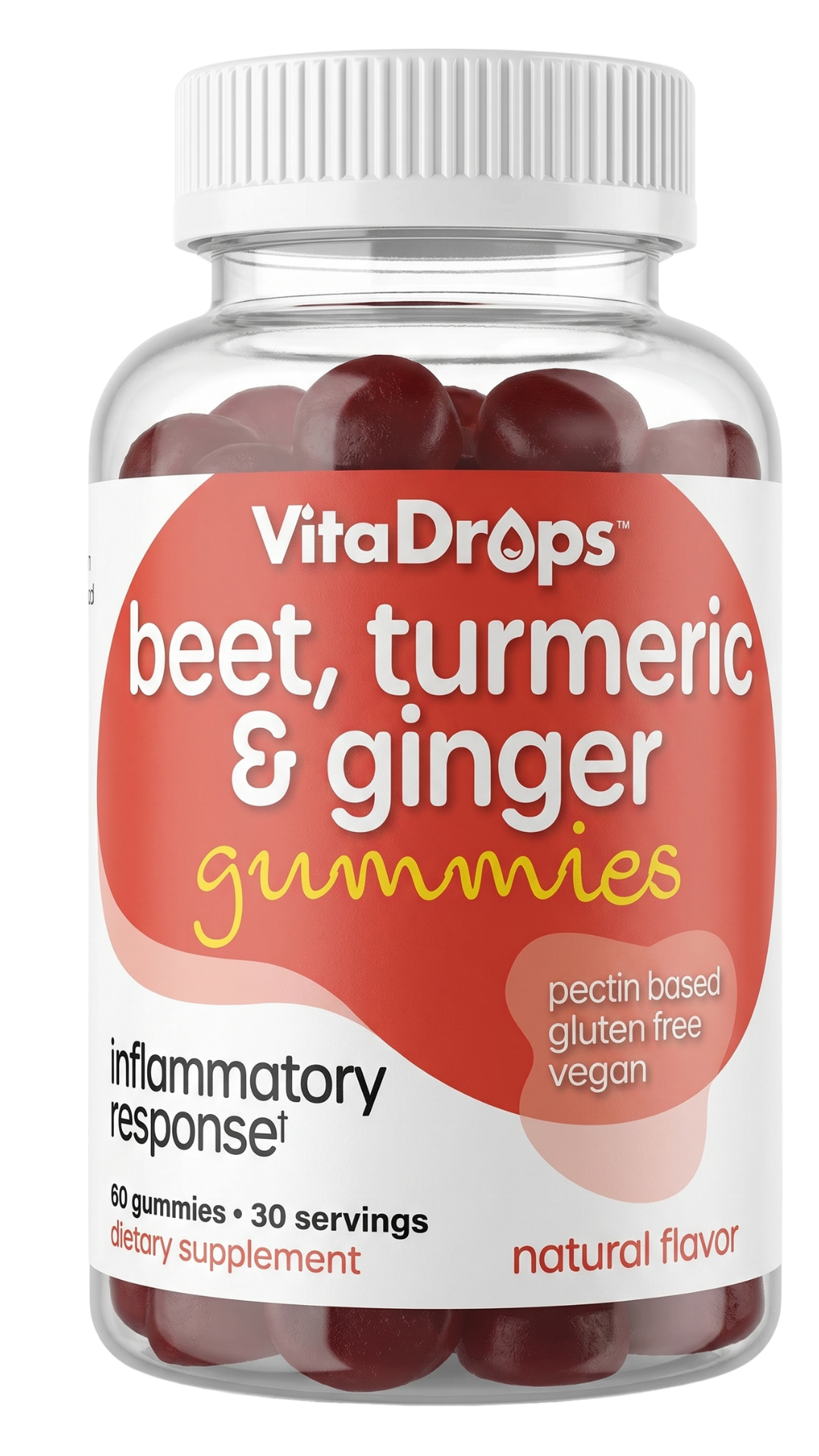
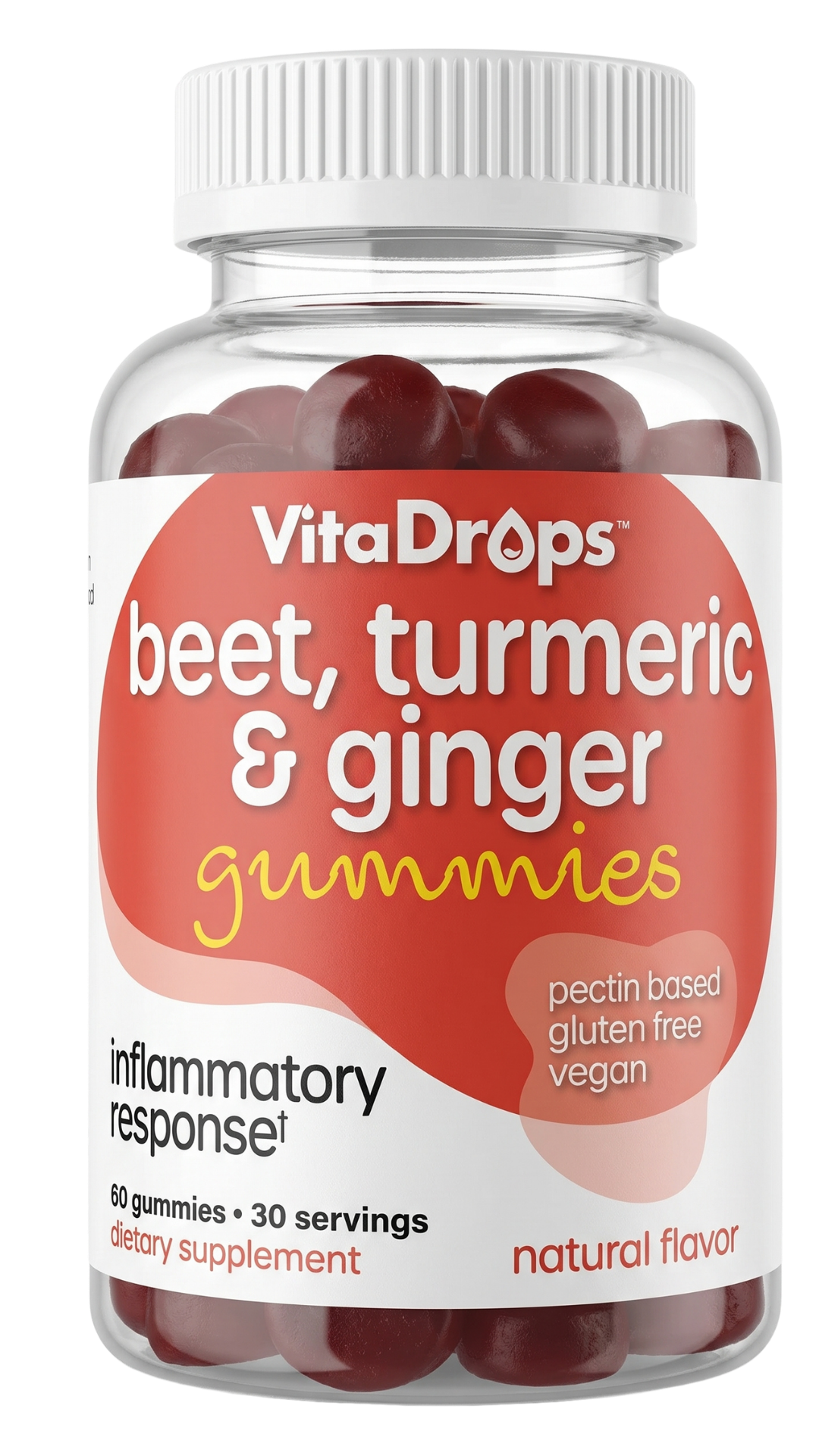
VitaDrops Beet, Turmeric & Ginger Gummies 60ct
$9.99
Absorption enhancer: A quality product includes piperine (BioPerine is a branded, clinically studied form) or uses a phospholipid complex. If neither is present, the bioavailability problem remains unsolved regardless of the dose.
Form: Capsules with standardized extract outperform gummies for raw curcumin delivery — gummies typically use lower doses and less concentrated forms. That said, gummies combined with complementary ingredients like ginger and beet can serve a different purpose: daily low-dose anti-inflammatory support with better compliance for people who won't take capsules.
What to avoid: Proprietary blends that obscure individual ingredient doses, fillers like magnesium stearate in excessive amounts, and any product that doesn't specify whether turmeric or curcumin extract is the listed ingredient.
Quality signals: GMP certification is non-negotiable. Third-party testing (USP, NSF, or Informed Sport) adds another layer of verification that what's on the label is actually in the bottle.
Timing: Take turmeric with food — specifically a meal with fat. It's fat-soluble. Taking it on an empty stomach is a waste.
The Honest Verdict
Turmeric's anti-inflammatory potential is real, but only when the formulation is designed to overcome the absorption barrier. A plain turmeric powder product without piperine or a lipid delivery system is unlikely to deliver clinically meaningful curcumin levels. Choose a standardized extract with an absorption enhancer, take it with food, and be skeptical of miracle claims — the research supports modest but genuine benefits for inflammation and joint comfort, not a cure-all.
Frequently Asked Questions
Never run out.
Subscribe to any product and save 10% on every order. Pause or cancel anytime.
Subscribe & Save 10%Q: Can I just eat more turmeric in food instead of supplementing?
A: Culinary turmeric is genuinely healthy, but the curcumin concentration is low and absorption from food is similarly limited. To replicate the doses used in clinical trials, you'd need to eat impractical quantities of turmeric daily. Supplements with standardized extract close that gap more reliably.
Q: Is turmeric safe to take long-term?
A: Studies up to several months show a strong safety profile at typical doses. High doses — above 8,000 mg curcumin daily — may cause GI discomfort in some people. If you're on blood thinners or immunosuppressants, check with your doctor first, as curcumin may have mild anticoagulant effects.
Q: Does the gummy form actually work, or is it just marketing?
A: Gummies deliver lower curcumin doses than standardized capsules, so they're not the right choice if your goal is therapeutic anti-inflammatory support. Where they shine is daily wellness support and compliance — many people simply take gummies consistently when capsules get forgotten. Combined with synergistic ingredients like ginger (also studied for inflammation) and beet (for circulation), a gummy can still contribute meaningfully to an anti-inflammatory routine.
Where to Find Quality Turmeric Supplements
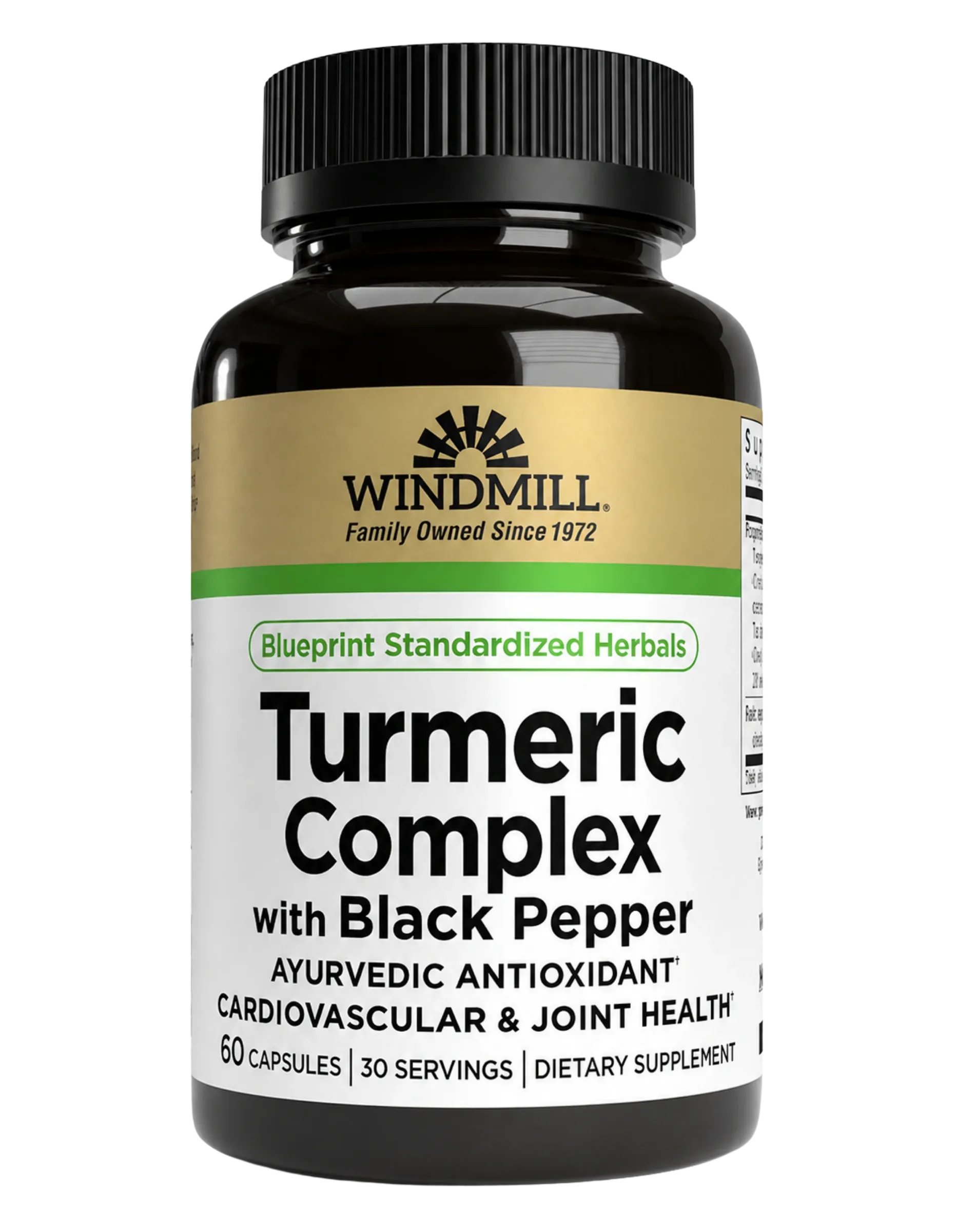
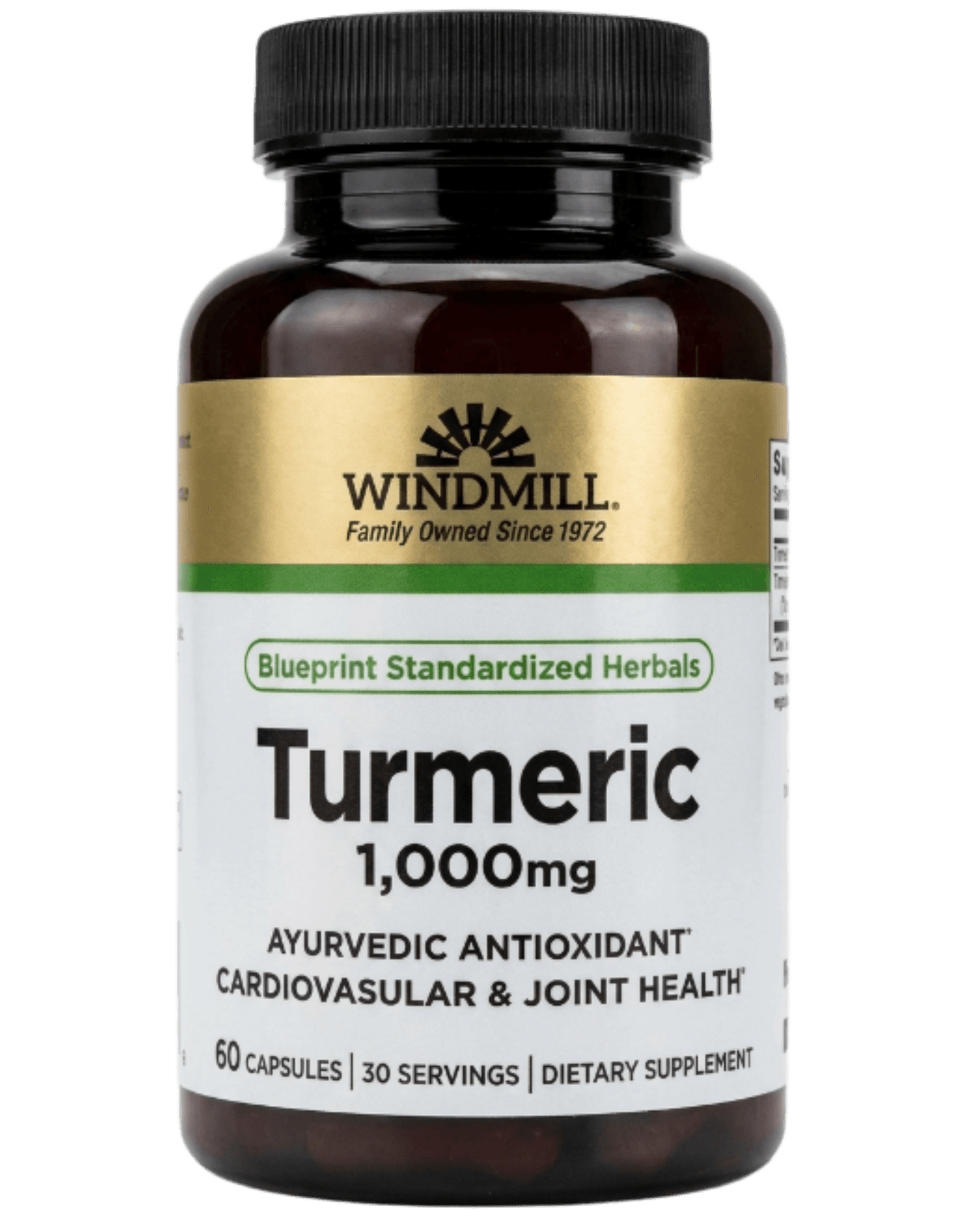
Moore Vitamins carries GMP-certified turmeric options for different goals and preferences. If you want a straightforward, higher-dose capsule, the Windmill Turmeric 1000mg Capsules 60ct delivers a solid daily dose in a clean, no-fuss format. For a synergistic daily wellness approach — especially if capsules aren't your preference — the VitaDrops Beet, Turmeric & Ginger Gummies 60ct combines turmeric with ginger and beet for broad anti-inflammatory and circulatory support in one chewable. Both ship same-day, and Subscribe & Save keeps your supply consistent without the hassle of reordering.
Never miss a dose.
Evidence-based wellness guides like this one, in your inbox. No hype, no spam — unsubscribe anytime.