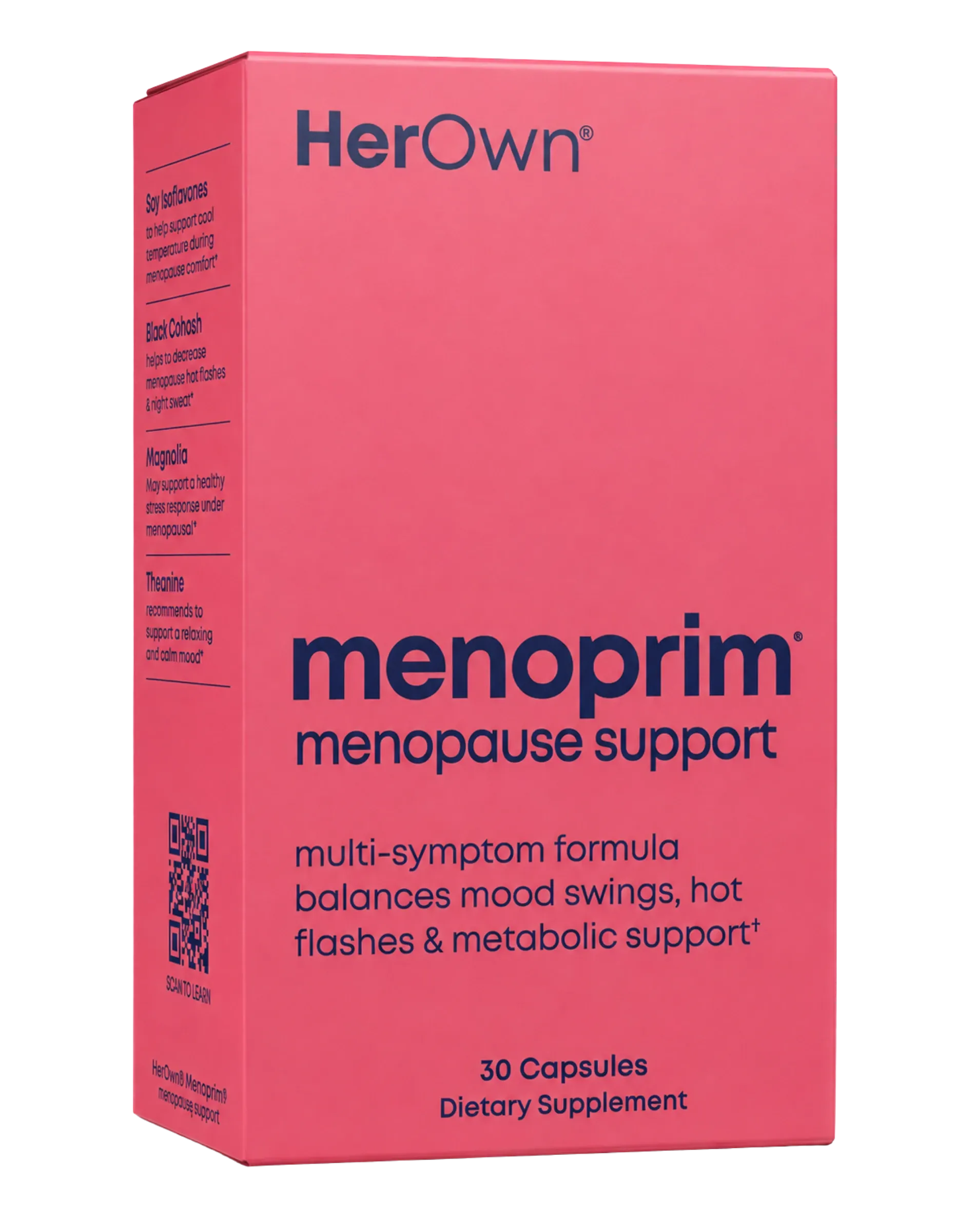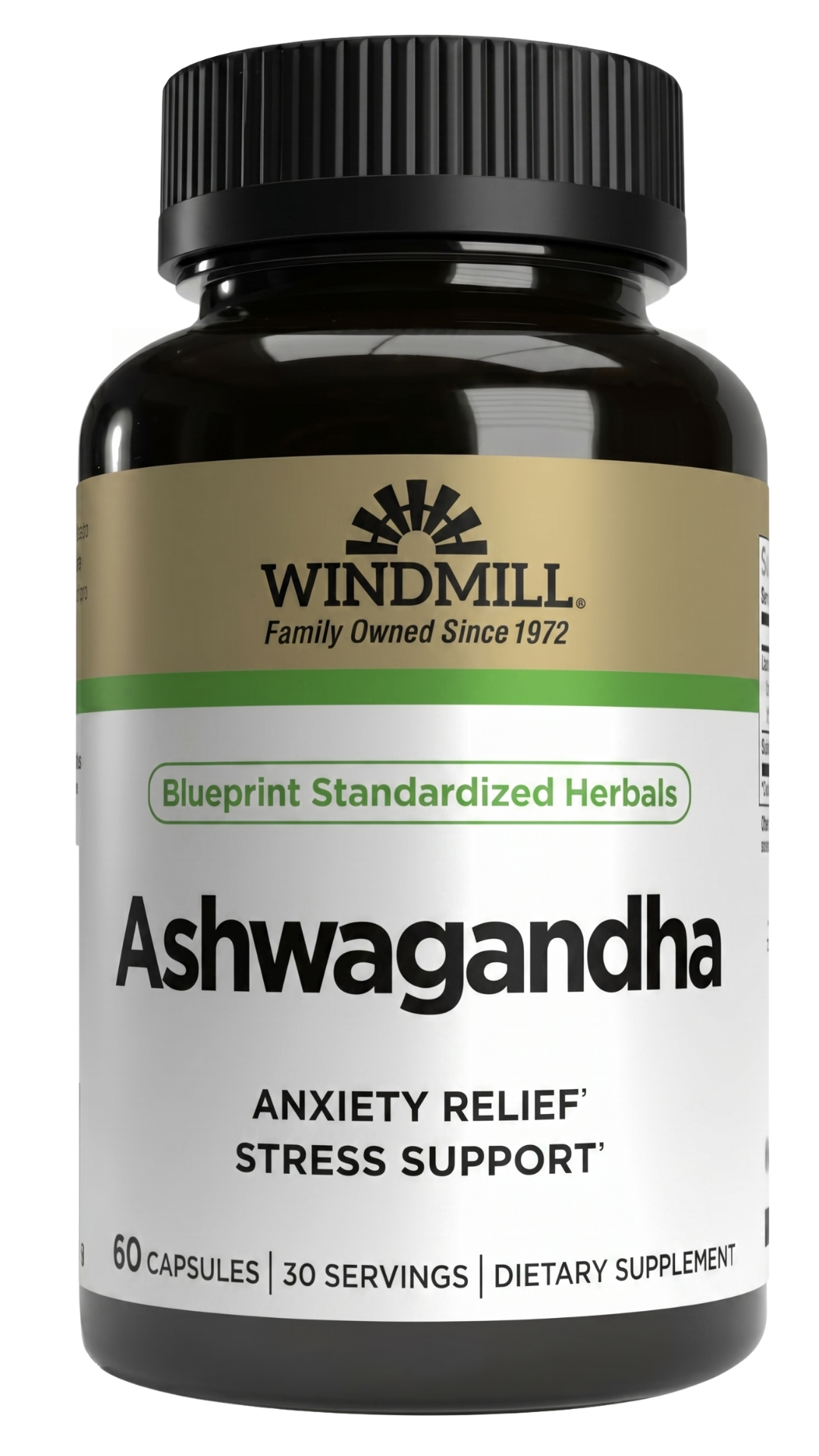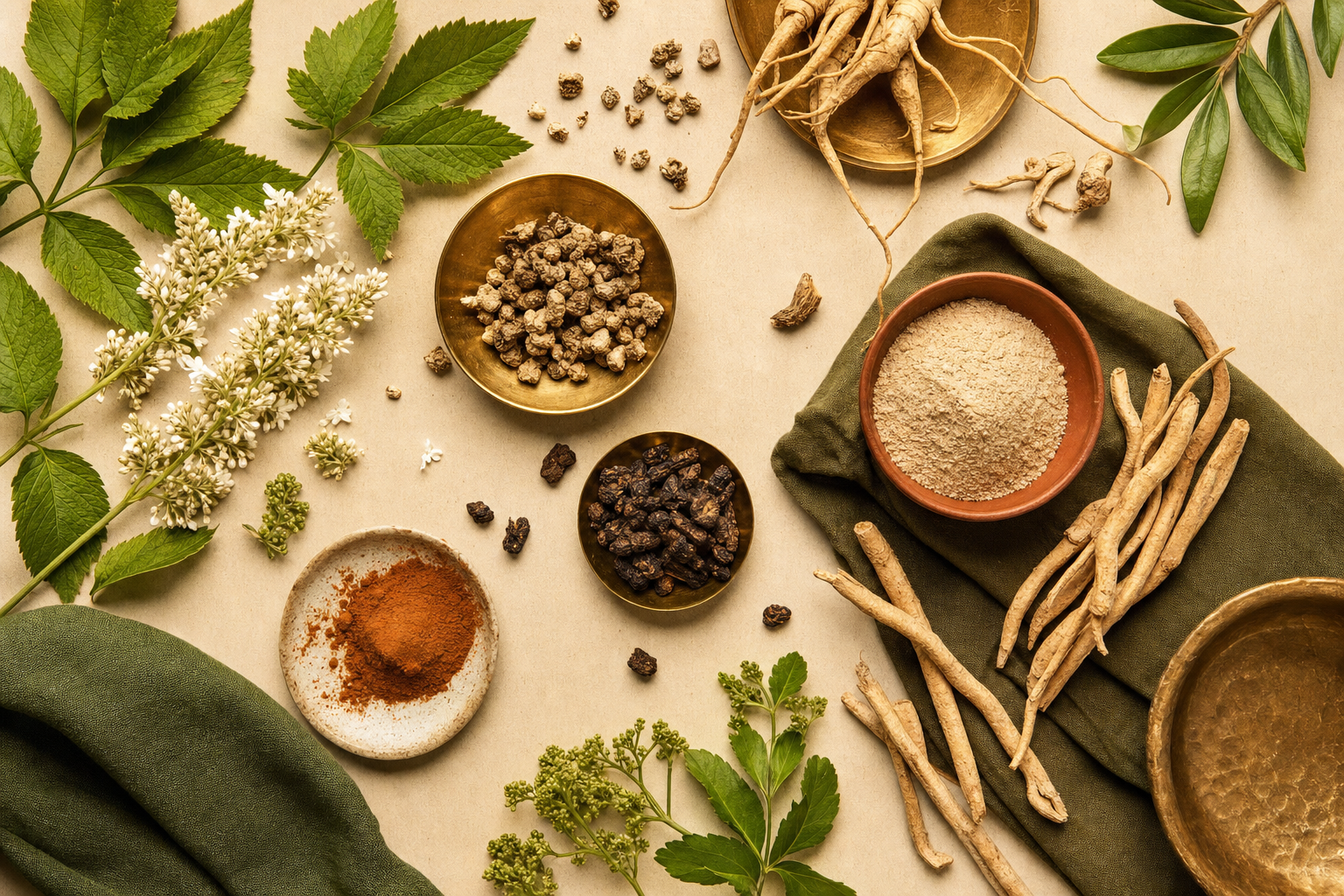
Black Cohosh vs. Ashwagandha for Menopause: Which Herb Actually Addresses Your Symptoms?
Black cohosh and ashwagandha both show up on every menopause supplement shelf, but lumping them together is like comparing ibuprofen and melatonin because they're both in the pain aisle. Black cohosh has accumulated over 30 randomized controlled trials targeting vasomotor symptoms — hot flashes and night sweats — with a 2022 Cochrane-style review finding meaningful reductions in hot flash frequency with standardized 20–40 mg doses of triterpene glycosides. Ashwagandha, meanwhile, works through an entirely different mechanism: it's an adaptogen that lowers cortisol and supports adrenal function, which is why a 2021 double-blind trial of 91 perimenopausal women found statistically significant improvements in sleep quality, anxiety, and mood — but not hot flash frequency specifically. For women whose worst symptoms are brain fog, irritability, and exhausted-but-wired nights, cortisol dysregulation — not estrogen alone — is often the driver. Understanding which herb targets which system changes how you spend your money and, more importantly, how much relief you actually feel.
Why Menopause Supplement Conversations Are Shifting in 2026
For the past decade, most natural menopause support defaulted to one question: "Can this mimic estrogen?" That framing made phytoestrogens like black cohosh the default recommendation. But newer research is complicating the picture in useful ways.
Clinicians are increasingly recognizing that perimenopause — the transitional years before the final menstrual period — involves three overlapping hormonal disruptions: declining estrogen, fluctuating progesterone, and elevated cortisol triggered by the stress of the transition itself. Addressing only one of those pathways leaves real symptom burden on the table.
There's also growing consumer sophistication. Women entering perimenopause in 2026 are arriving with wearable sleep data, cortisol test strips, and a willingness to demand mechanistic specificity. "Natural menopause support" as a generic promise is no longer good enough — and the supplement science is finally granular enough to do better.
What Each Herb Actually Is
Black cohosh (Actaea racemosa) is a North American plant whose root extract has been studied as a menopause support supplement since the 1950s. It does not act as a phytoestrogen despite a long-standing misconception. Current evidence points to serotonergic and dopaminergic activity in the central nervous system as the primary mechanism — which explains why it influences temperature regulation and mood without significantly affecting estrogen receptor-sensitive tissue like the uterine lining. This is important for women with hormone-sensitive histories who need non-estrogenic options.
Ashwagandha (Withania somnifera) is an Ayurvedic adaptogen whose withanolide compounds interact with the HPA (hypothalamic-pituitary-adrenal) axis to blunt cortisol surges. During perimenopause, the adrenal glands are asked to compensate for declining ovarian hormone production — a demand that drives anxiety, sleep disruption, and fatigue independent of estrogen levels. You can read the NIH Office of Dietary Supplements ashwagandha fact sheet for a full breakdown of its evidence base and safety profile.
What the Current Research Shows
The evidence for black cohosh is the most mature in the menopause space. Studies consistently use a standardized extract delivering 2.5% triterpene glycosides at 20–40 mg per day. The strongest signal is for vasomotor symptoms — hot flash frequency and severity — with most trials running 8–24 weeks. Evidence for mood support is secondary and less consistent. The NIH Office of Dietary Supplements flags that while most studies show a favorable safety profile, women with liver conditions or hormone-sensitive cancers should consult a physician before use.
The evidence for ashwagandha in menopause contexts is newer but gaining momentum fast. Peer-reviewed research on ashwagandha and menopause symptoms shows the most replicated findings cluster around sleep latency, subjective stress scores, and serum cortisol reduction. A notable 2021 placebo-controlled trial found 600 mg/day of KSM-66 ashwagandha (the most studied extract form) produced significant improvements across multiple perimenopausal quality-of-life markers after 8 weeks. Critically, the hormone that improved most in blood panels was DHEA-S — a cortisol-pathway marker — not estrogen.
Peer-reviewed research on black cohosh hot flashes confirms the vasomotor advantage. Neither herb, to be clear, has the potency of hormone therapy — but for women seeking non-hormonal options, these are the two most evidence-backed choices available.
Who Benefits Most From Each
You're a better candidate for black cohosh if:
- Hot flashes are your primary complaint — frequent, intense, disruptive to daily life
- Night sweats are waking you more than the anxiety or racing mind is
- You want the herb with the longest safety track record in menopause specifically
- You're in late perimenopause or early postmenopause, when vasomotor symptoms peak
You're a better candidate for ashwagandha if:
- Sleep is wrecked but the problem feels more like a wired, anxious brain than temperature surges
- Irritability and mood instability are your dominant complaints
- You've had high-stress life circumstances compounding the hormonal shift
- You're in early-to-mid perimenopause when cortisol dysregulation often leads the symptom picture
- You're already using other vasomotor strategies and need adrenal support layered in
The case for using both: Women experiencing the full spectrum — hot flashes and cortisol-driven anxiety — may find a combination approach logical given the different mechanisms. There is no known interaction between the two, and their targets are sufficiently distinct that stacking makes clinical sense when symptoms warrant it.
How to Choose a Quality Supplement
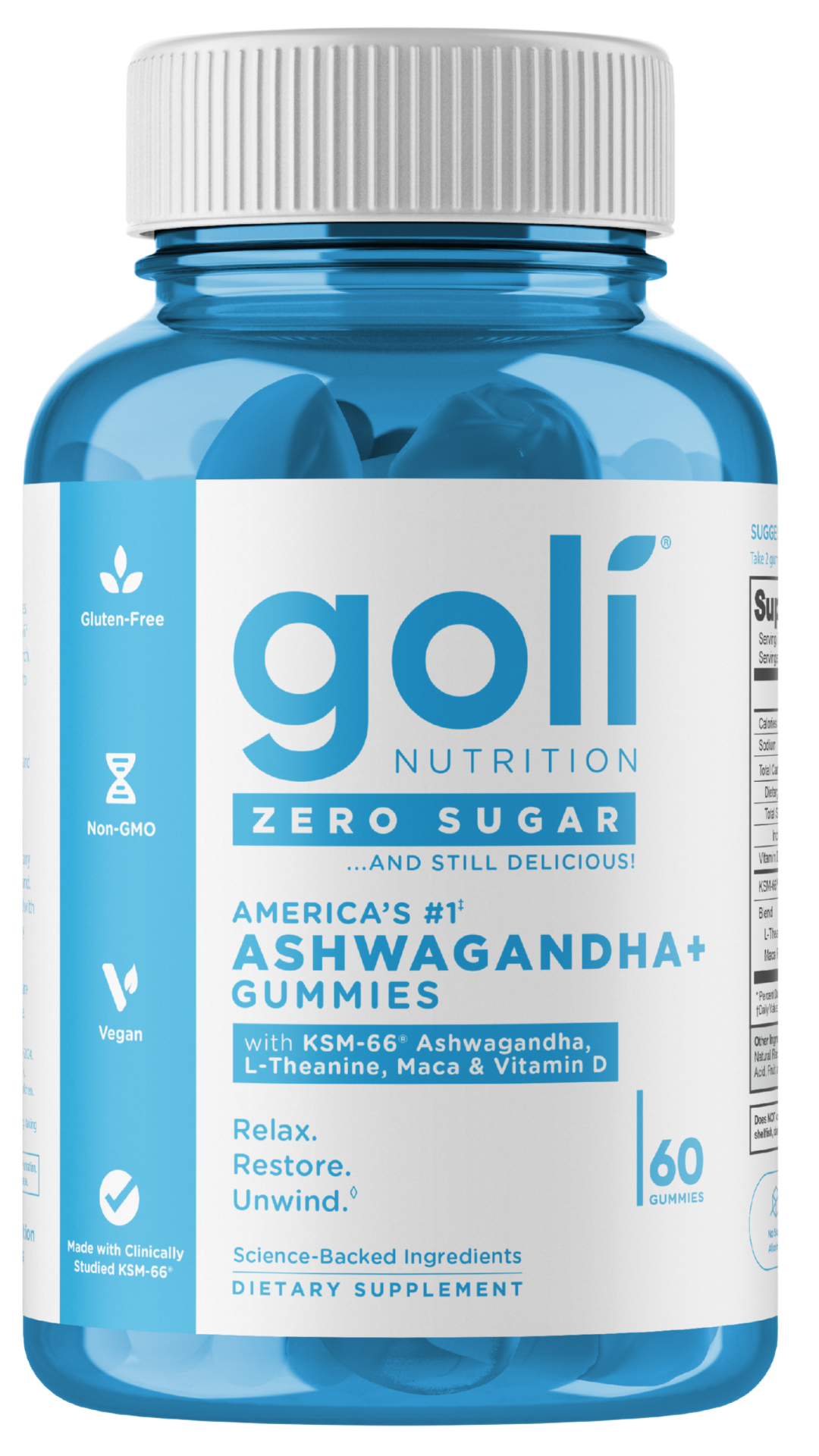
Related Product
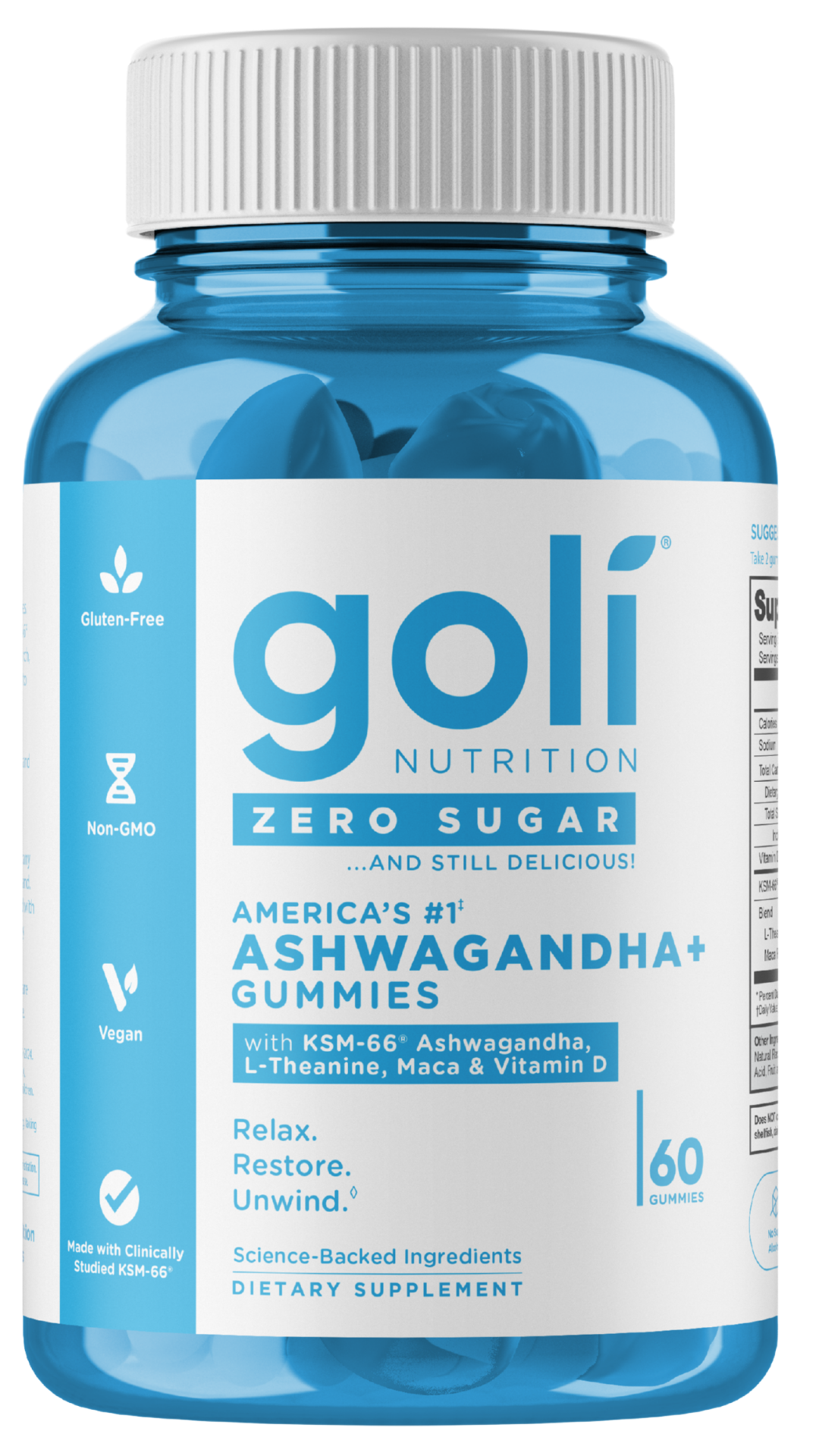
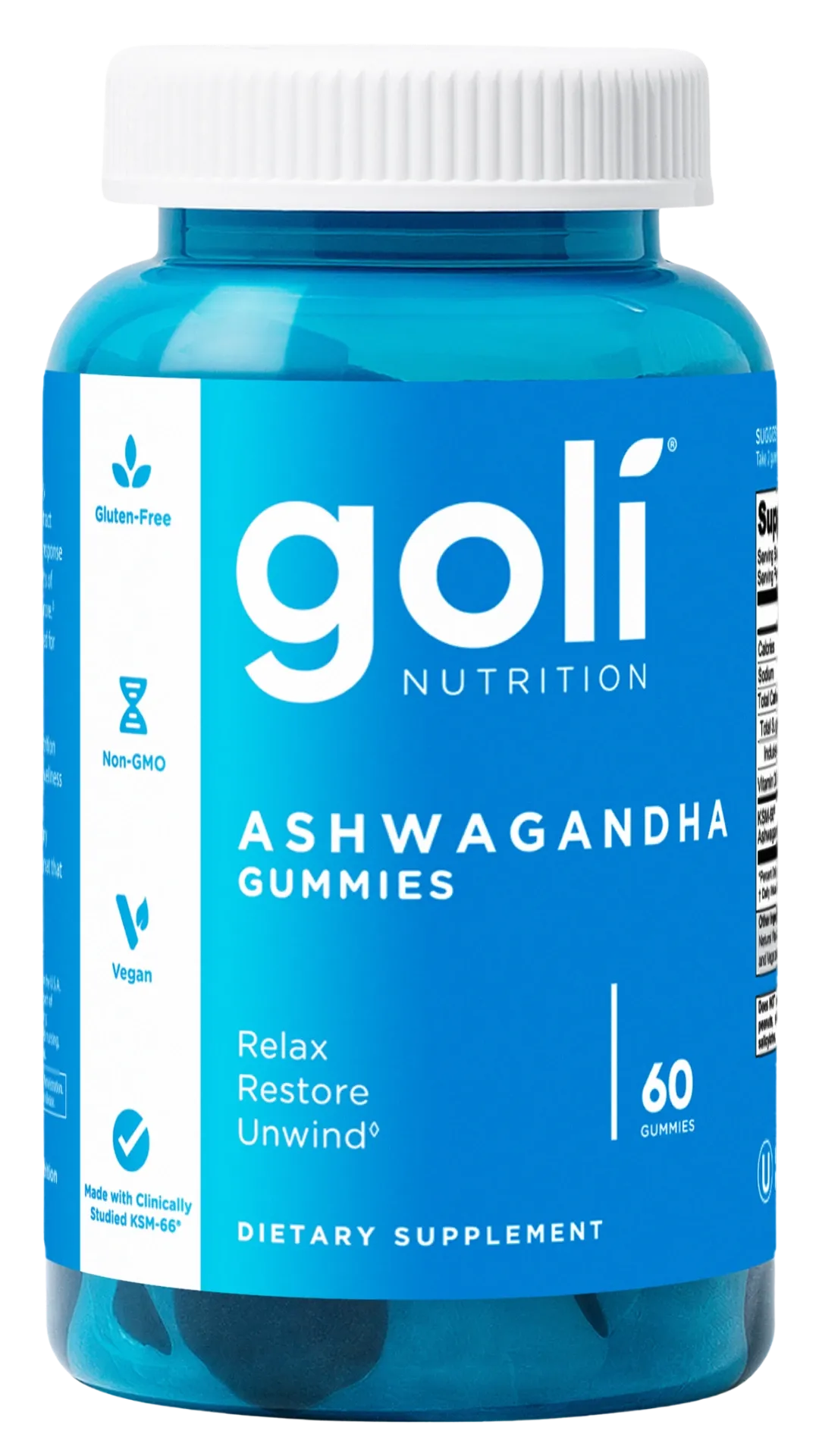
Goli Zero Sugar Ashwagandha Gummies 60ct
$17.98
For black cohosh:
- Look for standardized extract specifying 2.5% triterpene glycosides
- Target 20–40 mg per dose — the range used in the majority of clinical trials
- Avoid products that list "black cohosh root powder" without standardization — the active compound concentration will be unpredictable
- Third-party testing is critical; the herb has been subject to adulteration with Actaea species that lack the same evidence base
For ashwagandha:
- Prioritize KSM-66 or Sensoril — the two extract forms with the most human trial data
- Standard evidence-backed dosing is 300–600 mg/day of root extract
- Some products combine root and leaf extract; root-only has the stronger safety profile for long-term use
- Check that the product specifies withanolide content (typically 5% for KSM-66)
For both:
- Choose brands that manufacture under GMP (Good Manufacturing Practice) certification
- Look for third-party certification (NSF, USP, or Informed Sport)
- Be cautious of blends where either herb is buried low in a proprietary formula — you can't verify dose
Frequently Asked Questions
Q: Can I take black cohosh and ashwagandha together?
A: Yes — they work through different physiological pathways (serotonergic/dopaminergic vs. HPA axis), so they don't compete or interact in known ways. Women with a complex symptom picture involving both hot flashes and cortisol-driven mood or sleep issues are reasonable candidates for a combined approach. Start each separately so you can assess individual response before combining.
Never run out.
Subscribe to any product and save 10% on your first order, 5% after. Pause or cancel anytime.
Subscribe & Save 10%Q: How long does it take for black cohosh to work for hot flashes?
A: Most clinical trials report meaningful changes in hot flash frequency and severity at 4–8 weeks of consistent daily use. Unlike some supplements, black cohosh does not produce an immediate effect — it requires sustained exposure. If you see no improvement after 8–12 weeks at a properly standardized dose, this herb may not be the right fit for your physiology.
Q: Is ashwagandha safe during perimenopause if I have a thyroid condition?
A: Ashwagandha has demonstrated thyroid-stimulating effects in some studies, which means women with hyperthyroidism or who are on thyroid medication should consult their physician before starting it. For women with hypothyroidism, this effect may actually be discussed as a potential benefit — but that's a clinical conversation, not a self-directed supplementation decision. Women with no known thyroid condition and normal labs can generally use ashwagandha at standard doses without concern.
Explore Menopause Support Supplements at Moore Vitamins
Moore Vitamins carries standardized ashwagandha, plus a full women's health range for menopause support:
Both ship same-day on orders placed before the daily cutoff, so you're not waiting a week to start a protocol that requires 4–8 weeks to show results. Quality sourcing and verified standardization matter here more than with most supplement categories — these are the two products worth doing right.
Never miss a dose.
Evidence-based wellness guides like this one, in your inbox. No hype, no spam — unsubscribe anytime.