Milk Thistle in 2026: What the Latest Research Actually Says About Silymarin and Liver Repair
Milk thistle has been used for liver complaints for over 2,000 years — but only in the last decade has research gotten precise enough to explain why it may actually work. The active compound is silymarin, a concentrated flavonoid complex extracted from the plant's seeds. Clinical research suggests silymarin may help reduce liver enzyme markers (ALT and AST) that signal cellular stress, with several trials enrolling 100–500 participants showing statistically significant reductions. It does this primarily through antioxidant activity, inhibiting inflammatory pathways, and — most intriguingly — stimulating protein synthesis in liver cells to support regeneration. A standard therapeutic dose used in research is 420 mg of silymarin daily, typically split across three doses. This matters most for people managing fatty liver disease, those who regularly drink alcohol, anyone on long-term medications with known hepatotoxic effects, or people trying to support recovery after a period of poor diet. If any of those describe you, what follows is the clearest, most current picture of what the evidence actually supports.
Why Liver Health Is Dominating the Wellness Conversation in 2026
The conversation has shifted. A few years ago, liver health was a niche concern — something people thought about only after a troubling blood test. Now it sits squarely in mainstream preventive wellness, and for good reason.
Non-alcoholic fatty liver disease (NAFLD) — now officially renamed metabolic dysfunction-associated steatotic liver disease (MASLD) — affects an estimated 1 in 4 adults globally. That number climbed sharply through the early 2020s alongside rising rates of metabolic syndrome, ultra-processed food consumption, and sedentary lifestyles. There is still no FDA-approved pharmaceutical drug for MASLD, which means demand for evidence-backed lifestyle and supplement interventions has surged.
At the same time, GLP-1 medications used for weight loss have brought liver health into unexpected focus. As patients lose weight rapidly, clinicians are increasingly monitoring liver enzyme levels and investigating whether botanical supplements can play a supportive role alongside these new therapies. Milk thistle — specifically its silymarin content — is one of the few botanicals with enough clinical data to hold up to that scrutiny.
What Silymarin Actually Is (and What Milk Thistle Is Not)
Most people see "milk thistle" on a label and assume they understand what they're getting. They don't — and the confusion costs them efficacy.
Milk thistle (Silybum marianum) is the plant. Silymarin is the standardized extract derived from its seeds, comprising several active flavonolignans — most importantly silybin, the most bioavailable and well-studied component. When you buy a milk thistle supplement, the number that actually matters is the silymarin percentage, not just the total milligram weight of the herb.
A 560 mg milk thistle capsule standardized to 80% silymarin delivers roughly 448 mg of active compound — meaningfully close to the 420 mg daily dose used in clinical trials. An unstandardized product at the same milligram dose might deliver a fraction of that. This distinction separates supplements that do something from those that are essentially inert filler.
What the Current Research Shows
The evidence base for silymarin is deeper than most people realize — and more honest about its limits. Peer-reviewed research on silymarin and liver enzymes spans decades and covers several distinct conditions.
Where the evidence is strongest: Silymarin consistently shows the ability to reduce elevated ALT and AST levels — the liver enzymes that rise when hepatocytes (liver cells) are under stress. Multiple randomized controlled trials in patients with NAFLD and alcoholic liver disease have demonstrated this effect. The mechanism is well understood: silymarin scavenges free radicals, reduces lipid peroxidation in liver tissue, and downregulates inflammatory cytokines like TNF-α.
Where it's promising but not conclusive: Early research suggests silymarin may support fibrosis reduction — the scarring process that occurs as chronic liver injury progresses. Some trials show improvement in fibrosis scores, but larger, longer-duration studies are needed before strong claims can be made here.
Where it does not work: Silymarin is not a treatment for cirrhosis, viral hepatitis, or liver cancer. It does not reverse established structural liver damage. Studies in patients with advanced cirrhosis have shown limited benefit on hard clinical outcomes like survival. It is a support compound, not a therapeutic drug — and any honest assessment of the science says so clearly.
The NIH Office of Dietary Supplements milk thistle fact sheet summarizes the research landscape well and is worth reading alongside any supplementation decision.
Who Benefits Most From Milk Thistle Supplementation
The research points to several groups who have the most to gain:
People with early-stage fatty liver. If elevated liver enzymes have shown up on a routine blood panel but no structural damage is present, silymarin's anti-inflammatory and antioxidant mechanisms are exactly what the research supports. This is arguably the highest-value use case.
Regular alcohol drinkers. Even moderate consistent alcohol consumption generates oxidative stress in the liver. Silymarin does not make heavy drinking safe — nothing does — but it may help buffer some of the cellular burden for people who drink socially and want to support liver function proactively.
Related Product
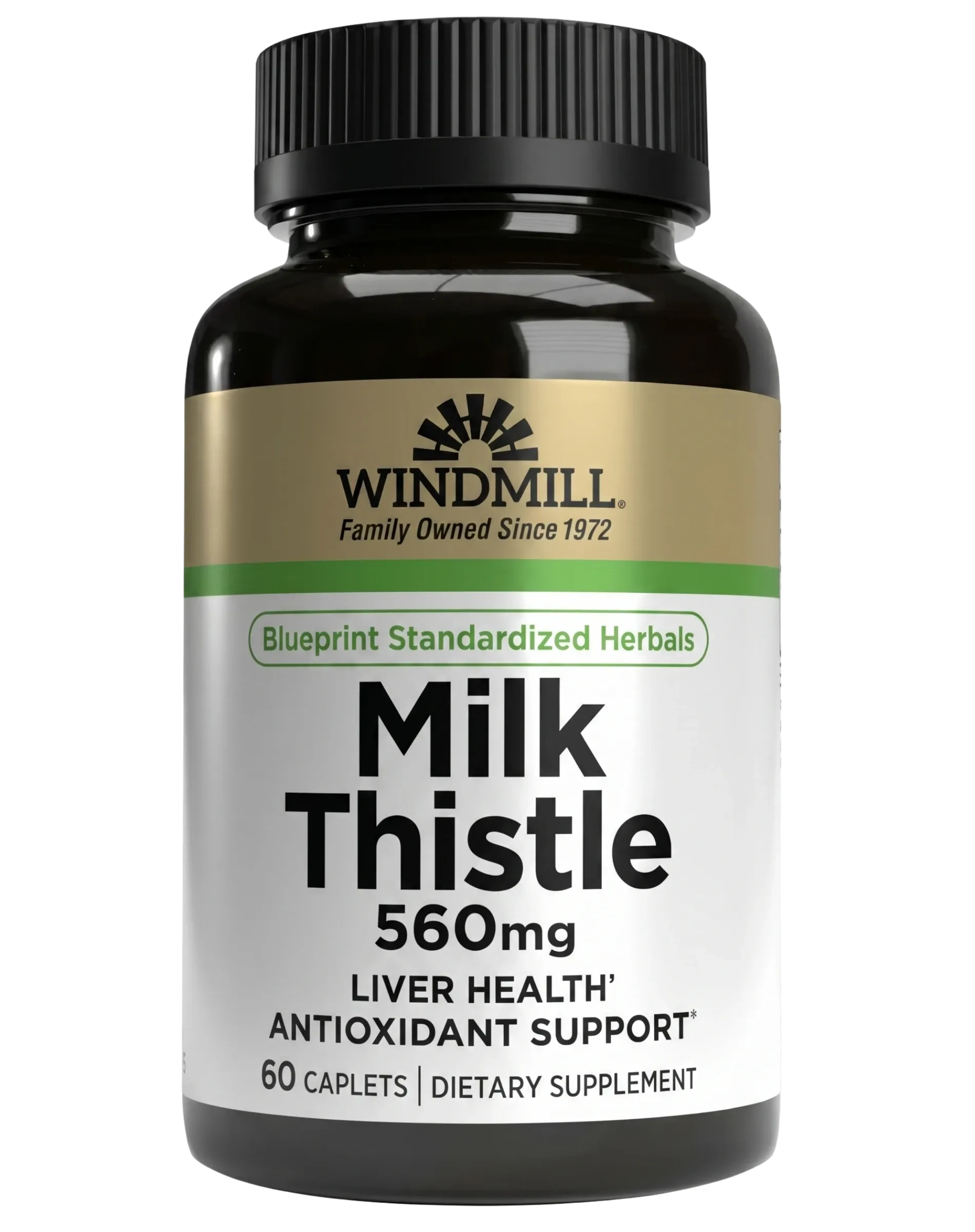
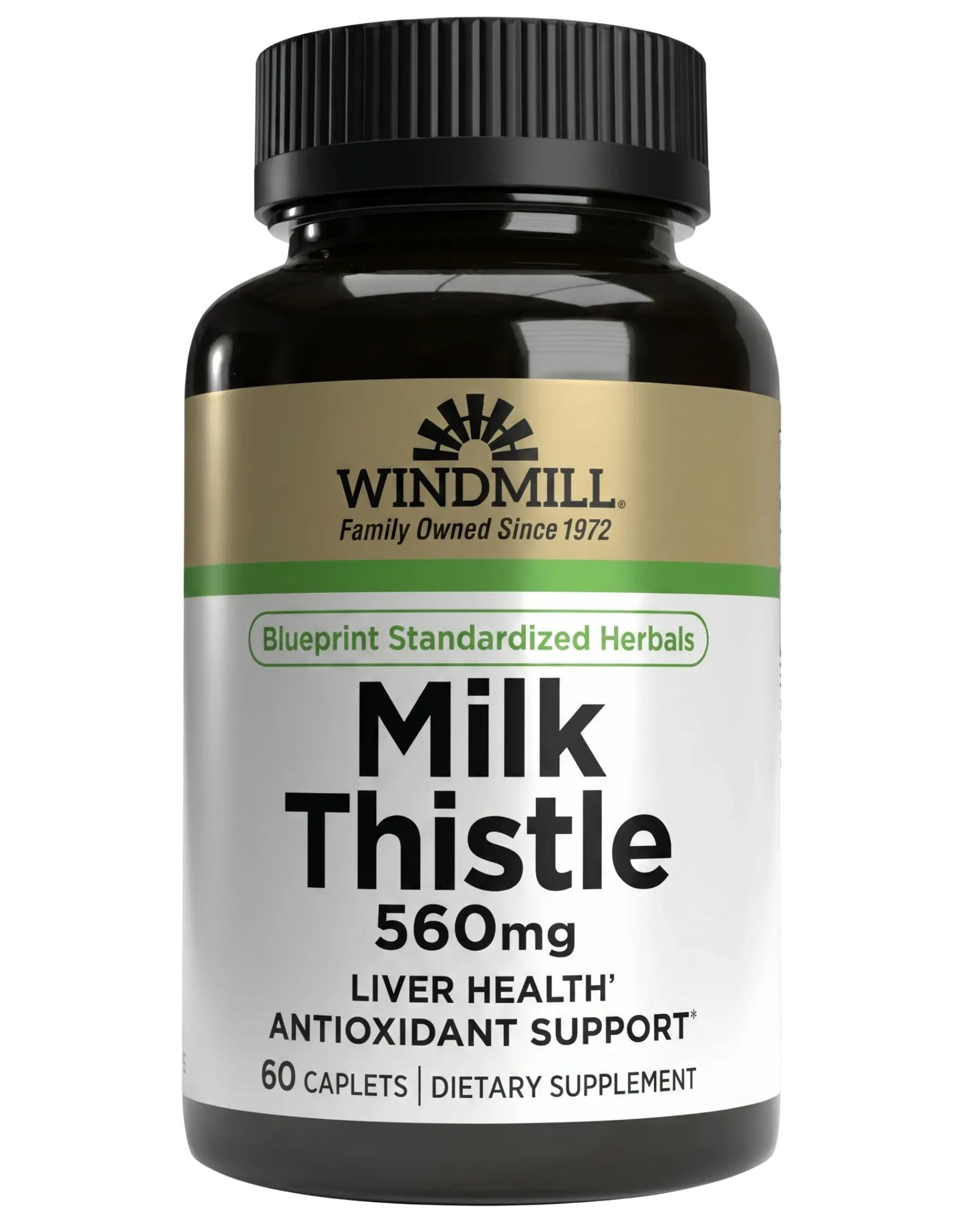
Windmill Milk Thistle 560mg Liver Support Caplets 60ct
$9.99
People on long-term medications. Statins, NSAIDs, certain antifungals, and several psychiatric medications carry liver enzyme monitoring recommendations for a reason. Some early data suggests silymarin may support hepatic tolerance in these populations, though this should always be discussed with a prescribing physician.
Those coming off a period of metabolic stress. Post-holiday, post-weight-gain, or post-illness recovery periods are when people often notice motivation to recalibrate their health. Milk thistle fits naturally into that reset window.
How to Choose a Quality Milk Thistle Supplement
The supplement aisle is full of milk thistle products that differ wildly in actual silymarin content. Here's how to cut through it:
Standardization percentage is non-negotiable. Look for products standardized to at least 70–80% silymarin. If the label only says "milk thistle extract" without a standardization percentage, assume lower potency.
Dose matters. The clinical research clusters around 420 mg of silymarin per day. Work backward from the standardization percentage to confirm your supplement delivers a meaningful amount.
Form considerations. Standard silymarin capsules and caplets are the most widely studied. Phosphatidylcholine-bound silymarin (silybin-phosphatidylcholine complex) offers enhanced bioavailability and appears in newer formulations, though it typically costs more.
What to avoid. Proprietary blends that list milk thistle alongside 10 other herbs without disclosing individual doses. Underdosed "token" inclusions in multi-ingredient formulas. Products without GMP (Good Manufacturing Practice) certification — which speaks to quality control, potency accuracy, and contamination testing.
Timing. Taking milk thistle with a meal improves absorption of the fat-soluble flavonolignans. Splitting the dose morning and evening is a practical approach for daily use.
Frequently Asked Questions
Never run out.
Subscribe to any product and save 10% on your first order, 5% after. Pause or cancel anytime.
Subscribe & Save 10%Q: How long does it take for milk thistle to affect liver enzyme levels?
A: Most clinical trials showing ALT and AST reductions ran 8–24 weeks. Meaningful changes are unlikely in under 8 weeks of consistent use. Liver tissue operates on a slower timeline than many people expect — patience and consistency matter more than loading doses.
Q: Can I take milk thistle with my current medications?
A: Silymarin has a generally favorable safety profile and low toxicity in studies. However, it can weakly inhibit certain cytochrome P450 liver enzymes involved in drug metabolism, which could theoretically affect how some medications are processed. If you take prescription drugs — especially immunosuppressants, certain antibiotics, or anticoagulants — run it by your physician or pharmacist first.
Q: Does milk thistle actually detox your liver?
A: Not in the way marketing often claims. The liver detoxifies itself — it is one of the body's most sophisticated self-cleaning systems. What silymarin appears to do is reduce oxidative damage to liver cells, support cellular regeneration, and moderate inflammation, which helps the liver do its own job better. That's meaningfully different from "detox" as a marketing buzzword.
Explore Liver Support Supplements at Moore Vitamins
For a standardized, high-dose option built around what the research supports, Windmill Milk Thistle 560mg Liver Support Caplets 60ct delivers a substantial milligram dose in a clean, dedicated liver support formula. At 560 mg per caplet, it's positioned to deliver clinically relevant silymarin content when standardization holds — look for the standardization disclosure on the label.
All Moore Vitamins products ship from a GMP-certified fulfillment operation with same-day shipping on orders placed before cutoff. When you're building a consistent supplementation routine around a compound that takes weeks to work, reliable supply matters.